A closer look at San Diego
San Diego city and North County rehab options
The San Diego area includes centers outside the city itself. AToN Center, for example, is in Encinitas in San Diego County and publishes details of its residential addiction program. AToN’s location and program.
Confirm the residential address when comparing centers, and plan family visits and onward appointments around that location.
Compare Southern California luxury treatment destinations
Consider Orange County and Malibu alongside San Diego if you are flexible about where to stay. Compare the proposed program, accommodation and full fees at each center; a regional label alone does not describe the care or room arrangement.
The California rehab guide brings these locations together for a wider shortlist.
Seeking help for an alcohol or drug concern can involve questions about privacy, support and the next practical step. A qualified assessment can help identify the appropriate setting and clinical plan. Describe current use, medication and any previous withdrawal difficulties accurately. The same pathway is not right for everyone, and a general directory cannot determine an individual withdrawal plan.
Read Also: Best Rehab Centers In Georgia USA
If alcohol or drug use is causing concern, consider speaking with a qualified clinician or a local treatment-access service. The appropriate response may involve different levels of support. A residential stay is one possible setting; the recommendation should follow the person's assessment and circumstances rather than a blanket claim that rehab is always the best option.
Rehabilitation centers offer treatments based on mutual respect and understanding. They provide a judgment-free zone where you can recover, identify the root causes of your addiction, and learn to manage them. You can also engage in other activities to heal from the emotional, mental, and physical pain of substance abuse. Because of the environment and opportunities like these, many people overcome their addiction and other issues. So, if you want to recover and control your problem, look for rehab now. This article provides information on San Diego rehabilitation centers.
San Diego Drug Rehab – Overcoming Addiction With Connection and Compassion
As mentioned before, most drug rehab centers San Diego aim to treat patients by connecting with them. Therefore, the recommended recovery plans are highly personalized and consider every patient's need. Firstly, such plans allow people to connect with their healthcare providers, which, in turn, assist their recovery. Secondly, it creates a compassionate space where many can openly discuss their thoughts or actions. As a result, they learn about their problem and triggers, which helps them understand what made them use drugs and ways of stopping. Although each plan is customized and different, there are some standard stages in all of them. Depending on the severity of drug use, associated issues, and overall health, a patient may receive the following treatments:
Detoxification
Withdrawal management may be recommended depending on the substance, pattern of use, medical history and assessment. Confirm where the required monitoring and support can be provided and who is responsible. Do not assume that every residential program offers the same medical resources or that everyone starts treatment with this stage.
Counseling and therapy
Therapeutic work should follow the assessed needs and can involve individual or group sessions. Ask how the proposed approach addresses the person's goals and which professionals provide it. If depression, anxiety or another condition is also relevant, confirm whether it can be treated within the same service or requires coordinated care elsewhere.
Continuing care may involve outpatient appointments, clinical reviews and support in daily life. Agree the next step and a route to reassessment if symptoms or substance use change. Further difficulties do not necessarily mean repeating an identical treatment sequence, and aftercare does not guarantee that recurrence is impossible. The plan should be reviewed around the person's current needs.
Substance Abuse – Finding a Rehab
When comparing San Diego addiction services, identify the clinical need, proposed setting and actual treatment address. Physical rehabilitation for injury or mobility needs is a different specialty and should not be confused with substance-use treatment. For addiction care, review these aspects of each relevant service:
- License and accreditation
- Certification of all medical staff
- Treatment methods and strategies
Checking these details is essential when picking an alcohol rehab in San Diego. They will help confirm that the center and staff are qualified to treat you and that the treatments you are receiving are tested.
Frequently asked questions
What facilities are offered at addiction treatment centers San Diego?
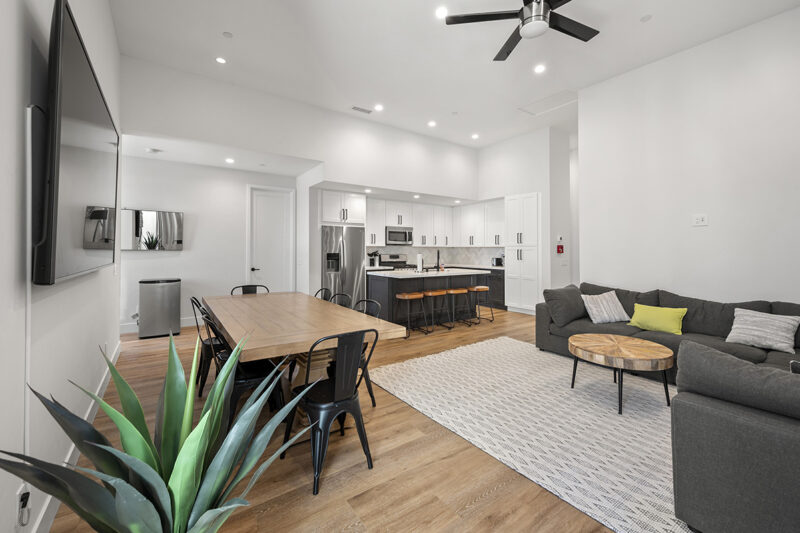
Ask about the specific room, shared spaces and facilities included in the proposed service. Private bedrooms, chef-prepared meals, transport and recreation vary by program and package. Check accessibility and practical needs directly rather than infer the offer from photographs or a luxury label. Use the actual treatment location when planning a visit.
How much do San Diego detox centers cost?
The prices of treatment vary from one case to another and depend on multiple factors. For instance, people who require more extended plans and different therapies may need to pay more. Also, the program fee will be higher if you use facilities or participate in other activities/classes offered at the rehab. It is better to ask about the fees of your treatment plan beforehand to make sure you can afford it.
Can patients have visitors at San Diego alcohol treatment centers?
Ask the chosen service to explain its visiting and communication arrangements. Discuss who the person wants involved, whether family meetings are part of the clinical plan and any scheduling restrictions. Policies may differ between programs and stages of care; severe symptoms should not be used to infer a universal visitor ban. Agree the arrangements before relatives travel.
How can you help someone with an addiction?
If you are concerned about a loved one struggling with substance abuse, there are many ways you can help them. Firstly, you can express your concern and support for your friend or family member and remind them that you are there for them. Secondly, you can assist them in looking for options for treatment. In case they have recovered, find a support group for your loved one so that they can find and connect with other people who have had similar experiences. This way, they will be able to maintain their sobriety after recovering.
Compare the city and county locations accurately
San Diego treatment searches often include facilities elsewhere in the county. Use the actual address when comparing travel, family visits and outpatient attendance. A residential service in Encinitas may be relevant to a broader San Diego search, but it should not be described as a downtown clinic. Geography becomes especially important when the plan involves several appointments each week or a transition between two sites.
AToN Center, for example, describes its residential program in Encinitas on its official non-12-step program page. Its main site describes choices among community recovery approaches, including 12-step and alternatives. For someone who has a preference about the program's philosophy, this is a specific point to explore with admissions rather than assuming all residences use an identical model.
Ask what choosing an approach means within the actual week: which groups are available, whether participation requirements differ and how individual clinical work is organized. Preference matters, but a particular philosophy should not be presented as a guarantee of outcome. The assessing team still needs to explain how the program addresses the person's needs.
Separate treatment goals from the coastal setting
A coastal location can be attractive, yet the core comparison should show the proposed clinical work. Identify the individual sessions, groups, medical or psychiatric reviews and the professionals responsible. Then consider accommodation, outdoor space and optional activities. This order helps distinguish a substantial clinical program from a hospitality offer with a small number of appointments.
For a person with depression, anxiety or trauma as well as substance-use concerns, ask which combinations the service accepts and how care is coordinated. Our depression and trauma guides can help prepare more specific questions. A general dual-diagnosis label does not establish expertise in every condition or severity.
Describe mobility, dietary, sensory and communication requirements before choosing a room. Confirm the spaces used for clinical sessions and whether any travel occurs between the residence and treatment site. Optional recreation should have clear alternatives when a person cannot or does not want to participate. A scenic activity is not a prerequisite for receiving appropriate clinical care.
San Diego County's own access and support route
The county's substance-use services page distinguishes outpatient, residential and other service categories and explains how to obtain help identifying an appropriate option. Its Behavioral Health Services site provides current access and crisis contact information. Use the county route to explore local services alongside a private search or to clarify options for continuing support.
Give the person's actual home address and circumstances when discussing eligibility. A temporary private stay in San Diego County is different from ordinarily living there. If the person returns to another county or state, the receiving service may need a separate referral or assessment. Do not assume a private discharge automatically enrolls someone in a public program.
For a facility check, use the relevant California DHCS directory resources and match the service to its actual address. Keep the facility's scope separate from individual professional roles and insurance approval. A record can inform the enquiry without predicting availability or the suitability of a particular admission.
Plan the next stage before booking the stay
Ask whether continuing care will take place at the same site, another clinic or remotely. Include housing and transport if the person moves from residential to outpatient care. A practical step-down plan needs more than a proposed therapy schedule: the person also needs somewhere suitable to live and a realistic way to attend.
Compare written quotes for the same service period, including any medical stage, clinical reviews and aftercare. Check insurance with the plan and identify charges outside the approved care. For someone returning home after treatment, agree the next appointment, relevant record transfer with consent and medication responsibilities where applicable. These details make the San Diego option easier to compare with another destination in California.
Back to guide contents↑