Arizona's private treatment options include residential mental health and addiction programs, intensive outpatient services, and care that combines behavioral health with physical rehabilitation. A luxury label does not explain those differences. Choose the service that fits the person's clinical needs first, then compare location, privacy, daily routine, and the resources available after treatment. A secluded residence and an outpatient clinic can each be appropriate in different circumstances.
Compare different Arizona treatment models
Sierra Tucson describes residential and outpatient care for addiction, mental health, and co-occurring concerns on its official website. Ask which specific program is recommended, where it takes place, and what medical or psychiatric needs it can manage. A broad provider description should lead to a more detailed individual plan.
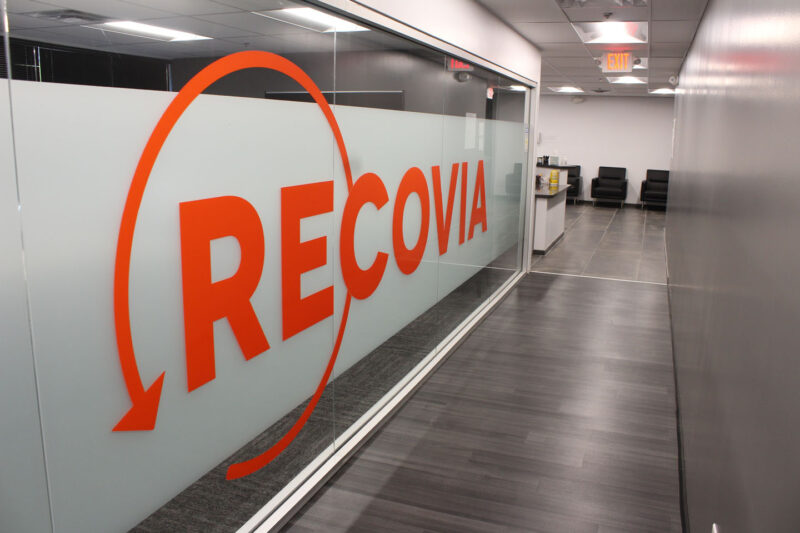
Recovia Mesa Baywood represents a different type of service. Recovia describes an intensive outpatient approach to chronic pain, mental health, and substance use, integrating medical support, physical therapy, and behavioral health care. Its locations directory identifies multiple Arizona clinics. Confirm the particular clinic and treatment schedule rather than interpreting the provider as a residential resort or assuming every office offers an identical appointment pattern.
Montare's Tucson program is part of an adult mental health network whose FAQ distinguishes residential care from hospital-based treatment and explains that services vary by location. A program suited to a primary mental health condition may have different admission criteria from an addiction program. Describe the actual symptoms and needs so the team can explain which pathway, if any, is appropriate.
Use the assessment to choose intensity and setting
Assessment should consider mental health symptoms, physical health, substance use, prescribed medicines, previous care, and the person's home circumstances. It should help determine whether the next step is withdrawal management, residential treatment, a structured outpatient program, or another service. A fixed minimum stay advertised by one provider is not a statewide clinical rule.
Ask what needs require overnight support and what can be managed through scheduled appointments. If a person can remain safely at home, an outpatient option may support treatment while preserving useful daily connections. If the home environment or clinical needs make that difficult, another setting may be more appropriate. The rationale should be clear enough for the patient to understand and discuss.
A provider should also explain its limits. Severe or changing medical or psychiatric needs may require a different service from the preferred residential property. Acceptance should depend on an accurate clinical picture, not on minimizing symptoms or choosing a diagnosis that appears in the program's advertising.
Check Arizona facility records and professional credentials
AZ Care Check is an official resource for reviewing Arizona healthcare facilities. Match the legal name, location, and service type to the proposed admission. Where accommodation and clinical care use different addresses, ask how the arrangement is regulated and which entity is responsible for each part.
The Arizona Board of Behavioral Health Examiners' verification service can help check relevant behavioral health credentials. Medical, nursing, and other professions have their own boards. Ask for the roles of the people expected to provide care and verify the appropriate credential rather than assuming that every staff member is a licensed therapist.
Licensing, accreditation, and patient reviews provide different kinds of information. None alone establishes that a program is suitable for a particular person. Use these checks alongside the assessment, treatment proposal, and a clear account of staffing and clinical limits.
When chronic pain and behavioral health overlap
Someone seeking help with chronic pain may need a different program from someone primarily seeking residential addiction treatment. Recovia's program descriptions illustrate an integrated outpatient model. Ask how physical therapy, behavioral treatment, and medical review are coordinated and what functional goals the team proposes to measure.
Useful goals may relate to daily activities, participation, coping, or the ability to follow an agreed treatment plan. Ask the clinician to explain what progress would look like for this patient, rather than relying on a promise to eliminate pain. Describe current medication accurately and involve existing prescribers where appropriate. Changes in prescribed treatment should be clinically coordinated, not made to satisfy an assumed admission rule.
Clarify whether the program is treating pain, a mental health condition, substance use, or a combination, and which conditions are outside its scope. Having pain or taking prescribed medication should not automatically be treated as evidence of addiction. The assessment should address the actual concerns without forcing them into a single explanation.
Discuss withdrawal and ongoing medication care
Withdrawal management assesses and treats symptoms associated with reducing or stopping certain substances. Whether it is needed depends on the substance, pattern of use, physical health, and previous complications. It is not a process of cleansing every patient before rehabilitation, and it is not required for every mental health admission.
Ask whether the proposed location provides the necessary monitoring, which clinicians are available, and when a hospital transfer would be needed. If withdrawal care happens elsewhere, establish how the next admission will be coordinated. Do not attempt to complete withdrawal alone before traveling because a particular residential program does not provide it.
For ongoing medication treatment, identify who will prescribe after discharge and where appointments or dispensing will occur. A move between Arizona regions or a return to another state can affect access. Confirm the receiving arrangement before leaving rather than relying on a general assurance that aftercare will be available.
Evaluate the weekly clinical offer
Arizona also has programs organized around a particular treatment philosophy. The Sanctuary at Sedona describes a residential, non-12-step model on its official website, with psychological treatment and a range of integrative services. Ask the provider to separate the licensed clinical work from complementary activities and explain what is recommended for the patient's condition. A preference for a non-12-step setting does not by itself establish which therapies are appropriate.
When a program makes strong claims about its approach, ask what evidence supports them and how it measures outcomes. Useful questions include who was studied, how many people completed follow-up, what improvement meant, and whether results apply to the relevant condition. A testimonial or a claim about addressing root causes cannot answer all of those questions.
Also clarify which assessments or complementary treatments are optional, whether they create additional charges, and how the team coordinates any medication changes with existing prescribers. The National Center for Complementary and Integrative Health explains why a natural label does not establish safety or superiority. The practical aim is an understandable, clinically appropriate plan, with room for the patient's preferences and informed questions.
Request a schedule separating individual therapy, groups, psychiatric or medical appointments, family work, and optional activities. Ask about the frequency and duration of individual contact and how the team reviews progress. A long list of therapeutic approaches should not be interpreted as a promise that the patient will receive every named service.
For residential care, clarify overnight staffing and the route to a qualified clinician when needs change. For outpatient care, clarify support between appointments and what happens if the current intensity becomes insufficient. An admissions number available around the clock does not itself establish round-the-clock clinical treatment.
Outdoor activities, fitness, creative work, and other amenities may support participation, but they should fit the person's health and preferences. Ask about adaptations and alternatives. The value of an Arizona treatment plan should remain clear even when an outdoor activity or recreational facility cannot be used.
Account for Arizona's different destinations
A Tucson residential stay and repeated appointments in Mesa, Phoenix, or another community involve different travel commitments. Confirm the actual address and care schedule, not just the provider's headquarters. For outpatient treatment, consider the repeated round trip, parking, transport availability, and how appointments fit around work or caregiving.
For someone traveling to Arizona, arrange acceptance, arrival instructions, and transport before booking. Discuss family participation and the return journey at the same time. Ask whether follow-up is local, virtual where appropriate, or through another provider, and whether a move between care levels requires a change of accommodation.
Compare privacy and cost without assuming clinical superiority
Confirm the actual room, bathroom, shared spaces, accessibility, meal arrangements, and communication rules. A private room does not mean exclusive use of a residence, and an executive label does not guarantee unrestricted work time. Explain essential responsibilities before admission so the clinical team can assess whether they fit the program.
Request a written estimate for the proposed service, including accommodation where relevant, medications, laboratory work, transport, outside consultations, and optional charges. If a program recommends several stages of care, compare the full pathway. Ask about extensions, early departure, and medical transfer policies before paying.
Insurance verification should address the specific plan, location, and care level. Clarify authorization and likely patient costs. A provider's logo list or general statement about accepting insurance is not a guarantee that every service will be covered.
Know the public route when private care is not the right fit
AHCCCS behavioral health information explains routes for accessing services and links to relevant provider networks. It can help Arizona residents explore options when a private offer does not fit their needs or budget. Confirm eligibility and the actual service through the relevant plan or provider.
For an immediate behavioral health crisis, Arizona's crisis service information describes support available to residents regardless of insurance coverage. Crisis assessment and stabilization are different from booking a planned luxury stay. Do not postpone urgent help while waiting for a preferred property's admissions process.
For planned care, choose the option that explains its clinical purpose, limits, and transition arrangements clearly. A suitable Arizona program should connect the current treatment with a practical next step, involving the patient in decisions and coordinating necessary follow-up rather than promising that one setting can resolve every problem.
Back to guide contents↑