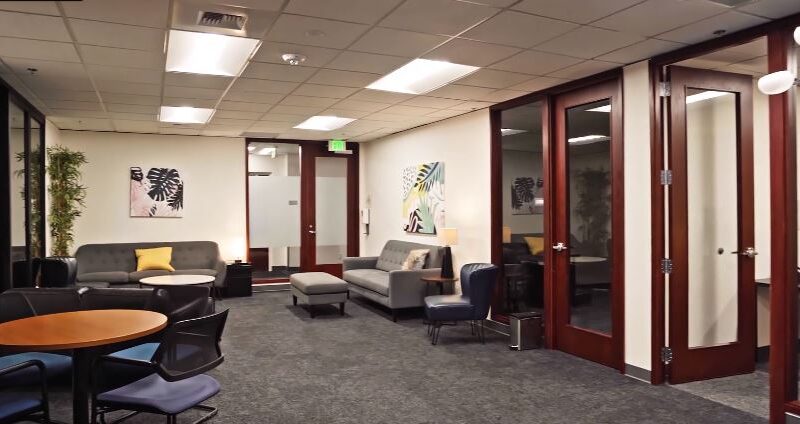
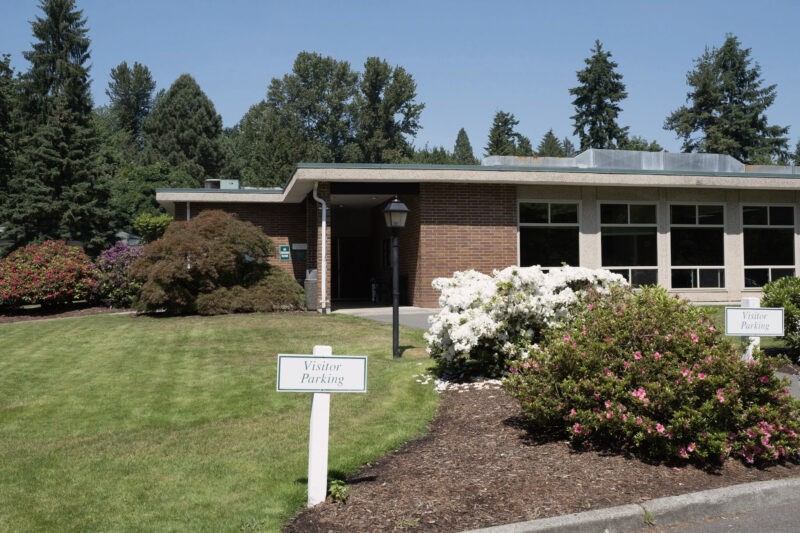
Washington's private treatment options include day programs for mental health, residential services for particular age groups, and addiction treatment with several levels of care. They should not be compared as though every listing were the same kind of luxury residential stay. Identify the main condition, required clinical support, and practical living arrangements first. Then compare the relevant program's location, treatment approach, privacy, and costs.
Three different Washington treatment arrangements
| Example | Published care model | Admission question to resolve |
|---|
| The Center — A Place of HOPE, Edmonds | Intensive mental health day treatment with optional nearby housing. | Can the person manage safely outside program hours, and what overnight arrangement is appropriate? |
| THIRA Health, Bellevue | Age-specific mental health programs, including a distinct teen residential service. | Which program fits the person's age, gender eligibility, and clinical needs? |
| Free by the Sea, Ocean Park | Residential addiction treatment with other care levels described by the provider. | What substance use and medical needs can the proposed admission manage? |
This comparison describes different functions, not a quality ranking. A person needing a hospital assessment, a teenager requiring a structured living environment, and an adult able to attend a day program may need very different services. Confirm the individual recommendation with the receiving clinical team.
Mental health day treatment in Edmonds
The Center — A Place of HOPE describes a partial hospitalization program, or PHP, in its current treatment information. It specifies full-day programming six days a week and optional local housing. This distinction matters: accommodation near a day program does not automatically provide the clinical staffing of an inpatient hospital or a residential treatment unit.
Ask what support is available in the evenings, which housing arrangements are offered, and whether housing and meals are included in the quoted fee. The provider's facilities information describes several local options and the possibility of commuting from home. Confirm the actual address, accessibility, and daily journey rather than assuming the patient will sleep in the treatment building.
The Center's published approach includes spiritual support for people who want it and says religious participation is not required. Discuss preferences directly so that the proposed clinical work and optional supports are clear. A patient should understand what is included in the daily program before deciding whether it fits.
Age-specific care at THIRA Health
THIRA Health publishes separate descriptions for its teen residential and day programs. Its teen residential information describes a live-in setting with structured care, dialectical behavior therapy skills, family involvement, and education planning. Its teen PHP page describes day treatment beginning at age 13 for teen girls and gender-expansive adolescents, with program-specific eligibility confirmed by admissions.
Do not apply the age criteria or accommodation model of one THIRA program to another. Ask which service is being recommended, how the team assesses safety outside treatment hours, and what happens if a different level of support is needed. For a teenager, practical questions include school work, guardian involvement, visits, phone access, and the plan for returning to daily routines.
DBT-based care should be explained in terms the family and young person can understand. Ask how individual work, skills groups, practice between sessions, and family participation fit together. A therapy name alone does not show the intensity of the program or how it is adapted to the person's needs.
Residential addiction treatment on the Washington coast
Free by the Sea describes an addiction treatment campus in Ocean Park on its official website. The provider distinguishes residential care from partial hospitalization, intensive outpatient, and other services. Ask which care level is proposed and whether a later transition would change accommodation, supervision, or the weekly schedule.
A coastal setting may appeal to someone seeking distance from daily pressures, but scenery does not establish medical capability or a better recovery outcome. Clarify withdrawal management, psychiatric support, and the handling of physical health conditions. If a service is described on a network website, confirm that it is available at the actual location and appropriate for the individual admission.
Ask how the program combines individual therapy, groups, medication when indicated, and practical recovery planning. If 12-step meetings or other recovery approaches are part of the schedule, discuss how they fit the patient's needs and preferences. The clinical plan should explain the purpose of the work rather than promise that a change of setting will resolve every concern.
Verify the Washington license and clinical scope
The Washington Department of Health licenses behavioral health agencies and identifies certifications for mental health, substance use, and gambling-related services. Check the actual service and location rather than relying on the broad term rehab. A credential for one service does not demonstrate authorization or capability for every condition advertised by a larger organization.
The department's credential and facility search is an official verification resource. Its licensing guidance distinguishes active status from a pending application. Ask the provider to explain any unclear name, address, or status and verify the professional roles of the clinicians who will treat the patient.
Facility records, professional credentials, accreditation, and personal recommendations answer different questions. Use them alongside the treatment proposal. A highly rated property can still be unsuitable for a particular age group, medical need, or primary diagnosis.
Use an assessment to decide whether detox is needed
Not every mental health or addiction admission needs withdrawal management. A clinician should assess recent substance use, prescribed medicines, physical health, and previous withdrawal complications. Ask what monitoring is required and whether the proposed program provides it or coordinates with another service.
Do not assume that a provider with nearby housing offers hospital-level withdrawal care. Find out who is present overnight, who can prescribe, and how a medical transfer is arranged if needed. If stabilization must happen before a planned program begins, settle that sequence with the clinical team before booking travel.
Consider Apple Health and public treatment navigation
The Washington Health Care Authority's substance use treatment information explains access through Apple Health, the state's Medicaid program, and links to the Washington Recovery Help Line for treatment referrals. These routes can help residents explore care beyond a private shortlist. Confirm the appropriate provider network, eligibility, and proposed service rather than assuming every listed private program participates.
This is a material difference when comparing providers: The Center — A Place of HOPE states that it does not accept Medicare, Medicaid, state-funded plans, or Labor and Industry claims. That published payment policy belongs to that provider; it is not a statement about all Washington treatment. If it does not fit the person's circumstances, investigate another clinically appropriate route rather than delaying all assessment.
For opioid use treatment, the authority also provides information about medication access and treatment locations. If the patient already receives prescribed treatment, ask how continuity will be maintained during a move between programs. The receiving clinician and program should coordinate the plan rather than leave the patient to navigate a gap alone.
Compare the complete financial arrangement
A multidisciplinary offer should identify who is responsible for each part of care. The Center's published team includes psychiatric providers, counselors, naturopathic doctors, dietitians, and fitness specialists. Ask which professionals the patient will actually meet, which assessments are recommended, and how findings become one treatment plan. The presence of several professional titles does not explain the purpose of every appointment or test. If the patient already has a primary care clinician or another specialist, clarify how necessary information will be shared and who will manage medical concerns outside the day program's scope.
For a teen program in Bellevue, education planning deserves a separate conversation. Ask how the treatment team communicates with the school, what work can realistically continue during care, and what support is needed when the young person returns. Discuss the patient's participation in those decisions and how information sharing will be handled. A place to complete assignments, coordination with a school, and a full educational program are different arrangements; verify what the actual service provides.
These details can change a family's choice between day treatment and a live-in program. Consider them alongside the clinician's recommendation, the young person's ability to participate, and the support available at home. A more intensive setting should have a clear clinical purpose rather than be chosen solely because it sounds more comprehensive.
Obtain a written estimate for the actual care level and expected duration. Separate clinical treatment, housing, meals, medications, testing, outside appointments, and transport. A day-program quote and a residential quote may include different items, so comparing the headline amount alone can be misleading.
Insurance verification should identify the exact plan, program, authorization requirements, and likely patient contribution. Ask what happens if more care is recommended, authorization changes, or a medical transfer is needed. Clarify extension and cancellation terms before payment, especially where a housing contract is separate from the clinical service.
Make the Washington location workable after admission
Edmonds, Bellevue, and Ocean Park are different destinations for travel and repeated appointments. Confirm the address, arrival window, and transport arrangements. For day treatment, consider the full weekly commute and support outside program hours. For residential care, discuss family participation and the journey to the next stage of treatment.
A patient returning to another Washington community or another state needs a follow-up plan that works there. Confirm appointments, medication continuity where relevant, records transfer with consent, and the availability of any proposed virtual service in the patient's home location. An alumni group can complement these arrangements but does not replace needed clinical care.
The most useful choice is a program whose scope, daily routine, costs, and transition plan fit the person. Privacy and comfort can support that decision once the clinical requirements are clear. A provider should be able to explain both what it offers and when another service would be more appropriate.
Back to guide contents↑