Compare Tennessee programs by clinical purpose
Tennessee's treatment listings include addiction rehabilitation, mental health programs, adolescent care, hospitals, and short therapeutic retreats. These services answer different needs. Start by identifying the main concern and the support required: medical stabilization, a structured residential stay, daytime treatment, or focused work alongside an existing therapist. A comfortable setting may help participation, but it does not establish that a program provides every type of care.
This directory includes providers such as Onsite, Arbor Wellness, ARCH Academy, and several other Tennessee services. Compare the exact program within each organization. A brand may operate multiple formats, and the requirements for a brief group program can differ substantially from those of a residential addiction or mental health admission.
Onsite: separate a short program from residential treatment
Onsite's Living Centered program is described as a six-day, therapist-guided group experience offered on its Tennessee and California campuses. The current page lists groups of six to ten people and a price of USD 6,900 including lodging and meals. Confirm the selected campus, dates, total charges, and whether that particular program is suitable before making travel arrangements.
The Onsite website separately identifies intensive programs and residential services through Milestones. These should not be treated as the same six-day booking. Ask which service has reviewed the person's needs, what its assessment involves, and whether it can manage the current level of distress. A focused personal-growth program is not automatically a substitute for medical detox, acute psychiatric care, or an extended treatment plan.
For someone already in therapy, discuss whether the proposed experience complements that work. Ask how the program communicates with the existing clinician, what preparation is expected, and how the work will continue afterward. Its Tennessee campus information should be used to confirm the location rather than assuming every Onsite program takes place in the same state or at a Nashville city address.
Arbor Wellness: identify the accepted mental health pathway
Arbor Wellness advertises mental health treatment in the Nashville area with residential and other program formats. Its current residential information also discusses detox and medical supervision. Ask the clinical team which service is being proposed, its actual location, and whether the person's substance use and mental health presentation fit that service.
For depression, trauma symptoms, or another mental health concern, request a plan that identifies the responsible clinicians and the treatment approach. If substance use is also present, establish how both needs are managed and whether a separate provider is involved. A list of conditions on a website does not establish that every condition can be treated at every severity level.
Ask what support is physically present overnight, when medical or psychiatric reviews occur, and how urgent concerns are handled. If a later daytime or outpatient program is recommended, find out where the person will live and how care continues outside sessions. Accommodation and clinical treatment should be understood separately even when they are arranged through the same organization.
ARCH Academy: check adolescent eligibility and family involvement
ARCH's current eligibility information describes residential and outpatient addiction care for adolescent boys and girls ages 14 to 17, including co-occurring mental health concerns. This differs from older descriptions that may use another age range or refer only to boys. Confirm eligibility directly for the young person's age, needs, and the proposed admission date.
The official program overview includes therapy, academic support, and adventure-based activities. Parents should ask how educational work is coordinated with the student's school, who communicates with existing clinicians, and how family participation is organized. Academic support should be explained in terms of the child's actual curriculum and return-to-school plan rather than assumed to replace every school service.
Adolescent treatment also needs clear expectations around consent, communication, visits, and developmentally appropriate activities. Ask how the program adapts when a young person has learning, sensory, physical, or other needs that affect participation. The family's involvement should support the treatment plan while giving the adolescent an appropriate voice in goals and decisions.
Choose withdrawal support through clinical assessment
For alcohol dependence or other substance use, explain current use, medication, prior withdrawal experiences, and physical health concerns during assessment. Ask whether withdrawal management is needed and whether the chosen program provides it directly. If care starts at another facility, identify who coordinates the transfer and confirms readiness for the next stage.
Do not assume that every Tennessee residence has a medical detox unit, or that everyone seeking rehabilitation must begin with detox. The appropriate setting depends on the assessment. Existing prescriptions should be reviewed by the treating clinician; they should not be stopped simply because a provider's general program description emphasizes abstinence or a fresh start.
Ask how ongoing addiction treatment follows stabilization. The plan may include counseling, medication where appropriate, family support, and practical work on daily routines. A short period of withdrawal management does not explain the whole recovery pathway. Equally, needing outpatient support does not automatically establish that a long residential stay is required.
Use Tennessee's treatment access and licensing resources
The Tennessee REDLINE is a continuous referral resource for substance use and problem gambling concerns. It can help people and families explore services when they are uncertain about the next step or have not found a suitable provider. Describe the region, age, clinical concern, financial circumstances, and barriers to attending treatment.
The state's treatment and recovery information offers a broader starting point beyond the facilities highlighted in this directory. A person does not need to restrict the search to programs marketed as luxury. Consider whether a local service can provide the right clinical care while retaining helpful family, employment, or community connections.
The Tennessee Office of Licensure oversees relevant mental health, substance use, and personal support services. Ask for the legal provider name and applicable license for the specific site and program. Also request the names, qualifications, and roles of the clinicians who will actually provide care. Facility authorization and an individual professional's credentials answer different questions.
Compare treatment schedules and living arrangements
Request a sample week for the proposed service. Identify how often individual appointments occur, how groups are organized, when clinicians review progress, and which activities are optional. Two programs that both advertise individualized care may provide very different amounts of individual therapy. Ask how the schedule changes during illness or when the person needs additional support.
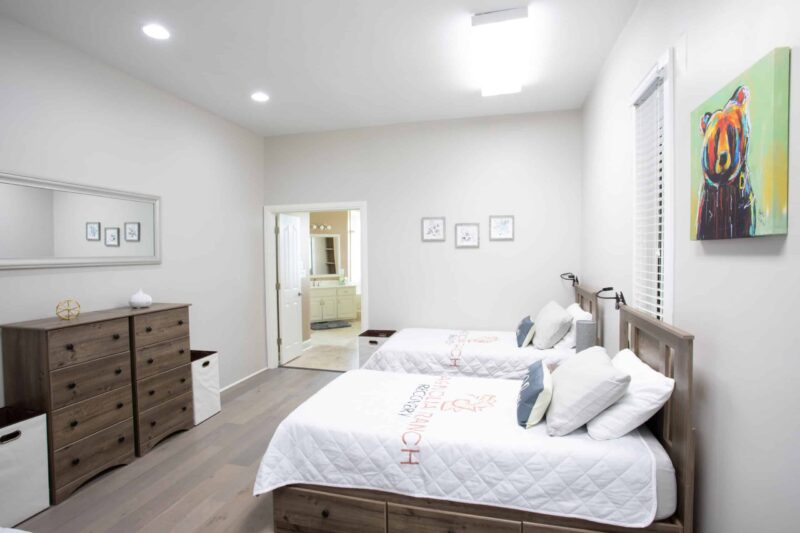
If residential accommodation is involved, confirm whether the bedroom and bathroom are private or shared, how many people use common areas, and what accessibility is available. Ask about meals, dietary needs, laundry, visitors, phone access, and permitted work contact. A private room may improve comfort without making the treatment itself exclusive to one person.
Outdoor or experiential activities should be evaluated in context. Ask how they relate to clinical goals, who supervises them, and what alternatives are offered when an activity is unsuitable. Physical ability, personal preferences, weather, and clinical readiness can affect participation. These activities should support a clear treatment plan rather than serve as the main evidence that a program is effective.
Make the financial comparison complete
Ask for a written estimate covering the actual program and duration. Distinguish a short workshop price from a residential weekly or monthly fee, and separate clinical treatment from accommodation where necessary. Clarify medication, laboratory work, specialist consultations, transport, family services, and the cost of extensions. A headline amount may not represent the complete pathway the person needs.
Verify insurance with both the provider and the plan for the exact location and level of care. Ask about network status, prior authorization, approved duration, and the patient's expected responsibility. Help with insurance paperwork is not the same as a guarantee of payment. If the initial approval is shorter than the recommended stay, ask how further reviews and financial decisions are handled.
Where cost is a barrier, use the state referral resources to discuss other clinically appropriate options. Do not assume that paying more always produces better treatment, or that a private program is the only setting with qualified staff. The practical comparison is whether the service can meet the assessed need at a cost and level of access the person can sustain.
Plan travel and care after discharge
Agree on what progress will mean for the particular program. A short group experience might focus on recognizing patterns and practicing new responses, while an adolescent addiction stay may include substance use goals, school participation, and family work. Ask how the team records progress and when the patient can discuss whether the plan needs to change. If a provider publishes outcome figures, ask what was measured, who was included, and how long follow-up lasted. A testimonial or a completion rate cannot by itself show what an individual patient should expect. This conversation also helps clarify which work belongs within the initial program and which goals need continuing treatment afterward.
Tennessee providers are spread across different communities. Obtain the exact address for assessment, residential arrival, and later outpatient sessions before arranging travel. A program advertised as serving Nashville may have a different campus location, and a network may use separate addresses for different services. Ask who receives the patient and how delayed arrival is handled.
Before the first program ends, identify the next clinician, appointment, and medication plan. For an adolescent, coordinate the return to school and family routine. For an adult, discuss work, housing, and the support available at home. If the patient lives outside Tennessee, confirm which remote services can continue and which should be arranged locally.
Ask how to obtain reassessment if symptoms worsen or substance use returns. Further support may involve a different treatment intensity or approach rather than automatically repeating the same stay. A useful Tennessee program can explain its role in the broader pathway and help the person leave with clear, accessible next steps.
Back to guide contents↑