Choosing addiction treatment in New Jersey
A New Jersey treatment search involves more than a choice between going away to rehab and trying to manage alone. Clinically supported outpatient care, withdrawal-management services, residential programs and recovery support have different roles. Start with an assessment of the person's needs, then compare services that can explain how they would meet those needs in practice.
Accommodation, privacy and travel preferences can shape the shortlist, but they should be considered alongside the clinical recommendation. A comfortable residence does not establish the medical resources available, and a longer stay does not guarantee a particular result. The useful comparison identifies the actual program, location, professionals, costs and plan for continuing care.
Use ReachNJ and the state's treatment-directory route
ReachNJ is the state's central contact route for New Jersey residents seeking help with a substance-use disorder. The service describes screening and referral support for residents of all ages, regardless of insurance status or ability to pay. It can help people explore options when they do not know where to begin or cannot assume a private program is affordable.
The state's family-information page links to the New Jersey Substance Abuse Monitoring System treatment directory for licensed substance-use services. Use it to identify a relevant service, then confirm the current location, clinical scope and availability. A directory entry is a starting point for the enquiry, not a guaranteed placement or individualized recommendation.
A referral, a clinical acceptance decision and a payment agreement are separate steps. Ask what happens after the first contact and who will coordinate the next appointment. If the person is temporarily staying in New Jersey or plans to return elsewhere, explain that when discussing local services and continuing support.
Pinelands: separate adult and young-adult programs
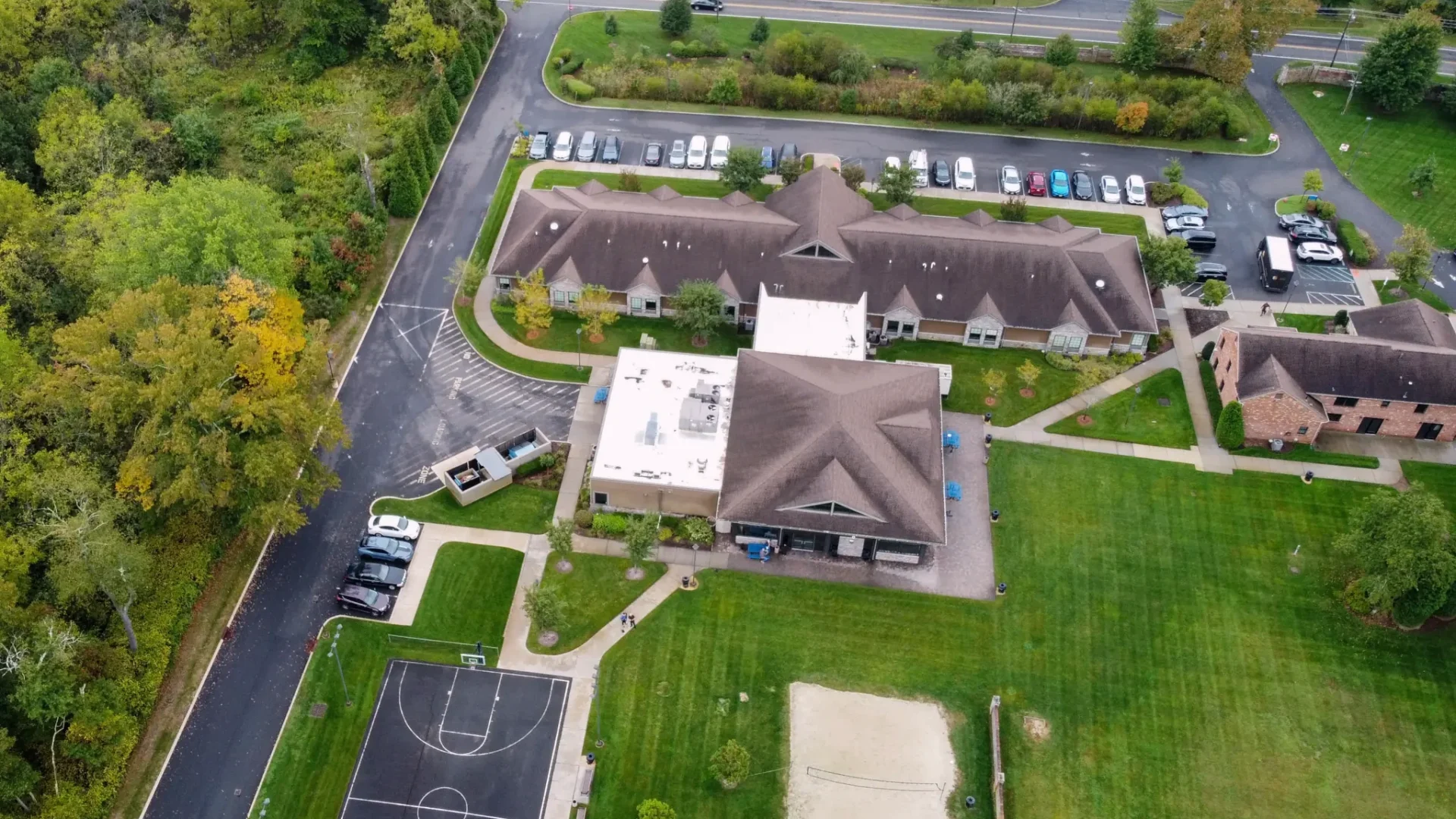
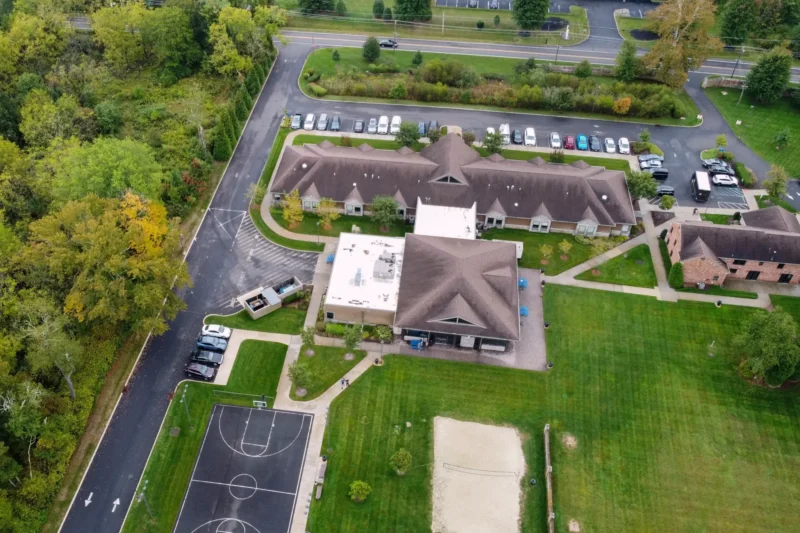
Pinelands Recovery Center of Medford publishes separate adult and young-adult tracks. Its official program page describes separate buildings and therapeutic communities at the Medford campus. It also describes different scheduling and life-stage themes for the two tracks. Ask admissions for the current age criteria and which program would assess the person.
The page gives the address as 287 Old Marlton Pike, Medford, New Jersey 08055. It describes individual and group work and a family program delivered through Zoom. These are provider-published details to clarify during assessment; they do not mean every activity or clinical service is appropriate for every person. Request the actual schedule and the professionals responsible.
Pinelands also states that it does not accept Medicare or Medicaid. That is a material distinction when comparing payment options. A generic statement that New Jersey rehabs accept insurance should not override the current policy of the named provider. Confirm any commercial-plan coverage directly with the insurer and the program before relying on it.
An age-based track should still fit the person's clinical and practical needs. A young adult preparing to return to college may want to discuss education, independence and the next local appointment. An adult caring for children or an older relative may need a different plan for responsibilities during treatment. These circumstances can inform the conversation without determining the clinical answer on their own.
Ask how the proposed group, schedule and individual sessions address those circumstances. If the person is near a program's age boundary or does not identify with its usual life-stage description, discuss that directly with admissions. The program should explain the assessment and placement process rather than rely on an age label as proof of suitability.
Alina Lodge: clarify the purpose of an extended stay
Alina Lodge describes an extended residential treatment model in Blairstown, with length of stay guided by clinical progress. Its dedicated detox page describes medically monitored withdrawal care on the Blairstown campus and transition into residential treatment on the same site. Its long-term program page also discusses withdrawal care within its network before transfer. Because these descriptions differ, confirm the proposed starting site, medical capability, and transition plan directly with admissions.
An extended program needs a clear explanation of why that duration is proposed, what the person will work on and when continued care is reviewed. Ask how progress affects the plan and how the eventual transition home is prepared. A longer package should not be treated as inherently superior to a shorter or outpatient option without an individual clinical rationale.
Compare the financial implications at the same level of detail. Establish the initial period covered, review points, extension terms and the part the insurer may authorize. A provider's ability to offer a lengthy stay does not establish that every person needs it or that the entire period will be funded.
Assessment should guide the level of care
Prepare accurate information about current alcohol or drug use, medication, physical health, mental health concerns and previous treatment. Include past withdrawal experiences and the support available at home. The assessing professional needs this context to recommend a setting. A room preference, travel date or budget should not substitute for the clinical discussion.
Clarify who conducts the assessment and what it includes. An initial admissions screening may identify the next appointment, while a fuller evaluation can examine treatment needs in more detail. Ask why any tests or specialist consultations are recommended and how they affect the cost. A particular assessment sequence is not required simply because one provider advertises it.
The recommendation should identify goals, planned intensity, review points and service limits. If another provider is more appropriate, ask how the referral can be arranged. If two services recommend different settings, check that both considered the same history and explain their reasoning. Do not automatically favor the most expensive or most intensive offer.
Withdrawal management is a distinct clinical stage
Some people need medical support when changing alcohol or drug use. The appropriate setting depends on the substance, current use, health history and assessment. Withdrawal management should not be described as deep cleansing or as a universal first step in every program. It has a clinical purpose within a wider treatment plan.
Ask where the recommended care occurs, which professionals provide it and what happens if needs change. Residential accommodation does not automatically provide hospital-level medical resources. Give the clinician accurate information about prescriptions and previous withdrawal difficulties, and obtain individual advice before making abrupt changes.
When a transfer is part of the plan, establish whether the receiving service has accepted the person and who coordinates the handover. A medical stage at one location and therapeutic care at another may involve separate agreements. Clarify those responsibilities before treating a broad continuum-of-care description as a confirmed booking.
Compare the treatment week and the team's roles
A useful program description explains the work the person would do: individual sessions, groups, clinical reviews, educational work and any involvement of family or other trusted supporters. Identify who provides each clinical element. A long list of therapy names does not show the frequency or purpose of the proposed sessions.
When depression, trauma or another concern overlaps with substance use, confirm which combinations the service accepts and how professionals coordinate. Our depression, alcohol and trauma guides can help focus the discussion. A dual-diagnosis label does not establish that every condition or degree of severity can be managed.
Describe communication, mobility, sensory, dietary or other practical requirements early. A claim of individualized care becomes more meaningful when the team explains how it accommodates the person's actual needs. Optional recreation and relaxation should be distinguished from the clinical schedule and have appropriate alternatives.
Residential care, outpatient appointments and housing
For a residential stay, confirm the room category, shared spaces and staffing outside sessions. Private accommodation is different from exclusive use of a property or continuous individual attention from a clinician. Ask how visitors and contact with work fit the program so the person can prepare realistically.
For outpatient treatment, assess an ordinary week of travel and attendance. Living at home while receiving professional care is different from having no support. The plan should explain the session schedule, coordination with existing clinicians and what happens between appointments. If online care is proposed, confirm its suitability and the arrangements for the person's physical location.
Recovery housing can be another component, but the room agreement should state the support, rules and financial terms. Identify whether clinical services are supplied by the same organization or separately. Housing does not itself establish medical monitoring or treatment intensity, and transport to appointments may require an additional arrangement.
Financial decisions and practical preparation
Obtain a current written estimate for the exact service and period. Separate assessment, accommodation, therapy, medical reviews, medication, transport and optional activities. Ask how the agreement changes if care is extended, shortened or transferred. A general New Jersey price range cannot describe every service model.
Verify insurance for the named provider and level of care. If cost is a barrier, use ReachNJ to explore suitable options and ask programs about any applicable assistance. Do not assume that nearly every private residence offers scholarships or payment plans. Confirm an actual arrangement before making commitments.
Plan responsibilities at home without making assumptions about employment protections or disclosure. Consider dependent care, travel and how necessary bills will be handled. Discuss with the service how these practical matters might affect attendance. A person should understand the options for communication and support during treatment before promising others unrestricted availability.
Judge the continuing-care plan, not a promised success rate
Ask who will provide the next stage, when the first appointment occurs and what information will be shared with consent. Clarify medication responsibilities where relevant and the route to reassessment if needs change. A family meeting, support group and individual clinical review are different services; specify which are included.
If a provider publishes outcomes, examine what was measured, the group studied and the follow-up period. Testimonials cannot establish an individual's likelihood of success. The decision should rest on an appropriate clinical plan, practical feasibility and clear responsibilities through the return to everyday life.
Back to guide contents↑