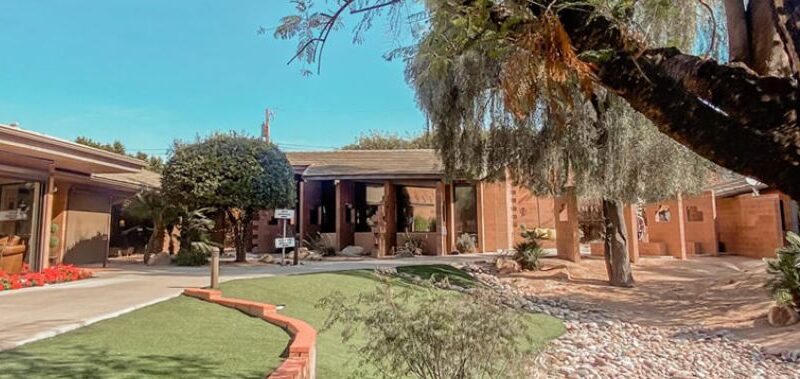
Concerns about alcohol or drug use can be a reason to seek assessment even before someone knows whether residential treatment is needed. A Las Vegas program should help identify the appropriate level of care, explain its services, and discuss practical next steps. The choice depends on clinical needs and circumstances, not simply on the availability of a private room.
Read Also About Best Residential Rehab Centers In Illinois USA
Professional treatment can involve medication, psychological therapies, and recovery support in different settings. Ask how a proposed program addresses the identified problem and how progress will be reviewed. Residential admission is one option; it is not automatically the appropriate choice for every person seeking help.
Comprehensive Treatment Plans at Rehab Centers Las Vegas
A clinical assessment should consider substance use, physical health, mental health, medication, previous treatment, and the home environment. The resulting plan may include several services, but no center should be assumed to treat every diagnosed problem itself. Ask which needs it can meet directly and which require coordination with another professional.
Detoxification
Withdrawal management provides assessment and support for stopping or reducing a substance when clinically indicated. The setting and medical resources depend on individual risk. It does not guarantee comfort or eliminate every complication, and it is not the whole course of addiction treatment. Ask where it occurs and how the person moves into ongoing care.
Therapy
After completing the detox stage, a patient may get therapy to overcome substance abuse's emotional and mental impact. Depending on the severity of the addiction and diagnosed underlying issues, you may get one or more of the following therapies:
- Cognitive behavioral therapy
- Interpersonal therapy
- Contingency management
- Motivational interviewing
- Dialectical behavioral therapy
- Group therapy
- Eye movement desensitization and reprocessing therapy
- Psychodynamic psychotherapy
Medication
As a part of treatment, medication is prescribed during detoxification or therapy, depending on the patient's needs. Some may require medicine even after recovery to maintain sobriety. In such cases, patients must continue therapy and regularly visit a Las Vegas comprehensive treatment center per the doctor's instructions.
Warning Signs – When to Visit a Las Vegas Drug Rehab
One of the biggest factors that can affect recovering from drug addiction is getting help on time. The more you delay your treatment, the higher the chances of developing complications. If you are concerned about having an addiction but are unsure about visiting a rehab, look for the following signs:
- Intense urge to use the substance
- Lack of control
- Spending a lot of time acquiring and using a particular drug
- Desiring to limit the use of the substance but failing to do so
- Developing tolerance and increasing drug dosage
- Experiencing physical, mental, and emotional withdrawal effects upon stopping
- Having financial problems
- Using drugs even in dangerous situations (such as driving, operating heavy machinery, etc.)
Changes in relationships, work, health, or self-care are useful reasons to discuss substance use with a qualified professional. They do not by themselves determine that inpatient admission is necessary. An assessment can help establish the appropriate setting and the support needed while arrangements are made.
Frequently asked questions
How much do rehabilitation facilities Las Vegas, NV cost?
Request a written estimate for the proposed program, care level, duration, and room arrangement. Ask which charges cover assessment, medical care, medication, tests, accommodation, transport, and aftercare. Amenities may be included or optional; do not assume a separate fee for every facility shown in a photograph. Confirm insurance authorization and personal responsibility with the plan and provider.
Can people who have relapsed join rehab Las Vegas Nevada?
A return to substance use is a reason to contact a clinician for reassessment. It can lead to changes in the treatment plan or level of support. A previous stay does not automatically prevent another admission, but each provider must assess current needs and suitability. Ask what has changed since earlier care and how the next plan will address it.
Can you have visitors to Las Vegas rehab facilities?
Visiting rules differ by program and clinical stage. Ask about in-person visits, phone or video contact, family sessions, and any temporary restrictions. A period of withdrawal care does not justify assuming that every provider prohibits all family contact. Agree on communication and consent before admission so that the client and their family understand the arrangements.
Can you join a support group for drug addiction?
Peer support can offer connection with people who have relevant experience. Groups differ in philosophy, meeting format, confidentiality expectations, and participation requirements. Ask about those arrangements before attending and choose support that fits the person's needs and preferences. A group can complement clinical care, but it does not guarantee that substance use will not return or replace necessary medical treatment.
How can I help a loved one with drug addiction?
As mentioned before, getting support is a major factor that helps in getting sober. If you have a friend or family member trying to overcome addiction, remind them you are there for them. Try to understand their issue to discuss it with them. Please encourage them to listen to their doctor's instructions, take medications on time, and attend therapy regularly. Some other ways you can assist your loved one are:
- Join a therapeutic activity with them
- Connect them to a support group
- Enroll in a class to acquire new skills with them
Compare the actual Las Vegas programs
The two providers listed here describe a range of addiction services. Their names and accommodation photographs do not identify the clinical stage a person needs. Use the assessment to establish the starting level of care, then confirm the address, schedule, and staff for that stage.
Desert Hope: treatment and sober living have different roles
Desert Hope Treatment Center describes medical detox, residential care, and outpatient services on its levels-of-care page. It also identifies Resolutions Las Vegas as a sober living option for outpatient participants. Living at Resolutions is therefore different from being admitted to a residential clinical unit. Ask what support is present in the home, where therapy happens, and how medication and urgent concerns are handled outside treatment hours.
The provider's outpatient information describes PHP as a weekday program, with other outpatient options available. Someone hoping to continue working should compare the actual timetable with job commitments. “Outpatient” means the person is not living in that clinical program; it does not mean appointments are necessarily brief, occasional, or scheduled after work.
Vogue: verify the Nevada location and specialty track
Vogue Recovery Center operates in more than one state. Its Las Vegas location page describes withdrawal care, residential treatment, and outpatient options, alongside a veterans-focused track addressing addiction and co-occurring concerns. Ask whether the specific service discussed during an inquiry is delivered at the Nevada location. A network-wide therapy or specialty page should not be assumed to apply identically at every campus.
For a veteran, clarify clinical eligibility, the mix of participants, and how the program addresses trauma alongside substance use. Separately establish any payer authorization. A veterans program and an approved VA-funded admission are different matters. The VA's Nevada substance use service directory provides another route for discussing available care with the appropriate VA team.
First responders: a distinct Desert Hope pathway
Desert Hope's first responders program describes a pathway for active and retired Nevada public safety professionals, with separate admissions and living arrangements. It combines addiction care with work on occupational trauma and related concerns. Confirm the current eligibility rules, treatment team, and available accommodation rather than assuming that any general admission includes that pathway.
Someone concerned about employment or professional standing should ask how the team handles consent, documentation, and communication with outside parties. Treatment completion does not itself guarantee a return-to-duty decision. Clarify the responsibilities of the treating team and any separate occupational assessment.
Desert Hope's contact page lists inpatient care on East Twain Avenue, outpatient treatment on South Eastern Avenue, and Resolutions on North Main Street. Confirm the receiving address for each appointment; these are separate destinations within Las Vegas.
Make a local treatment plan workable
For a Las Vegas resident, the practical question may be whether intensive treatment can fit around home responsibilities. Consider the full travel time, reliable transportation, childcare, and the safety of the home environment between sessions. If supportive housing is proposed, examine its rules and fees separately. A place to sleep is only one part of the support required outside clinical appointments.
For an out-of-state client, arrange clinical acceptance before finalizing flights. Obtain a named arrival contact, transfer details, and instructions for delays. Discuss whether the person needs accompaniment or medical clearance to travel. A transfer from the airport does not by itself resolve withdrawal risk or other clinical needs during the journey.
During admission planning, explain work patterns that affect sleep or attendance. A schedule designed around ordinary daytime office hours may need discussion for someone who works evenings or overnight. Ask how the team will help build a sustainable routine for the person's real circumstances after treatment rather than assuming that a residential timetable can be copied directly at home.
Use Nevada's public verification and support routes
The state's substance use treatment resource page links to certified providers. Check the actual service and location, and ask the program to explain the relevant license and certification. A favorable review, accreditation badge, or attractive residence does not establish every part of its clinical scope.
For broader options, including care outside the city, use the Nevada treatment guide. If ongoing support will occur in a different county or state, arrange that connection before leaving Las Vegas. Obtain the discharge summary, medication plan, next appointment, and contact for reassessment. Continuing care should be specific enough that the person and their family know what to do during the first week home.
Back to guide contents↑