Dream Life Recovery


Dream Life Recovery 3 photos
Comparison facts and sources
Donegal residential campus with medical detoxification and a separate Pittsburgh-area outpatient setting. Confirm the accepting location for PHP, IOP and subsequent care rather than assuming every level operates at the residence. · 212 Snyder Road, Donegal, Pennsylvania 15628
- Published fee information
- Quote required
- Before admission
- A 30-day inpatient program is available, but 60- and 90-day descriptions are planning examples and do not establish a universal stay. Confirm current placement and duration after assessment.
- Continuing care
- Discharge and aftercare planning can connect a residential phase to PHP, IOP, outpatient therapy, medication management or recovery support according to reassessment.
Source record · 2026-10-19
Reviewed October 19, 2026: campus and outpatient-location boundaries, public-payer exclusions and the private-room supplement. Individual placement, availability, insurance coverage and costs require confirmation; separately dated fee and other program details were not comprehensively rechecked.. Confirm admission criteria, clinical placement, insurance authorization and personal cost directly with Dream Life Recovery.
Luxury rehab comparison · Fees and inclusions · Selection methodology
DreamLife Recovery is a licensed substance-use treatment provider whose primary residential campus is at 212 Snyder Road in Donegal, Pennsylvania. Its current official information distinguishes that flagship campus from a separate outpatient facility in the Pittsburgh area.
The provider lists medical detoxification, residential treatment, a published 30-day residential option, PHP, IOP, medication-assisted treatment, sober living, aftercare and alumni support. Level of care and overall duration are individualized after clinical assessment rather than represented here as one guaranteed stay.
Donegal residential care and a separate outpatient setting
DreamLife’s official service information distinguishes its Donegal residential campus from a Pittsburgh-area PHP facility. It describes treatment for adults aged 18 and older, with medical detoxification, residential care and continuing outpatient options. It also expressly states that DreamLife is not a hospital, locked psychiatric facility or emergency service, and does not provide adolescent or primary eating-disorder treatment.
These boundaries matter when comparing a private rehabilitation setting with acute hospital care. A person may enter a suitable outpatient level directly after assessment rather than complete every part of the continuum. Ask which location has accepted the referral and which level of support is recommended now. The provider’s intention to coordinate care across its programs does not guarantee a particular bed, clinician or transition date. Confirm the receiving service and its arrangements before treating the entire pathway as one fixed residential package.
Admission and travel arrangements
The admissions page describes round-the-clock access to the intake team and assistance with travel, including courtesy ground transportation to and from the facility. It also says a recovery coach welcomes clients on arrival. These are useful practical features for people considering treatment away from home, particularly when the journey needs to be coordinated with a referring clinician.
Confirm the transportation area, timing and any exclusions with admissions rather than assuming that every journey is covered. Clinical acceptance should precede final travel plans. Ask which prescriptions and records to bring, how the first medical assessment is organized and whether a family member can assist with arrival. The welcome process and transport offer do not replace a medical recommendation about whether ordinary travel is appropriate. For someone leaving another treatment setting, clarify who is responsible for the handover and how medication information reaches DreamLife before admission.
Medical detoxification as an assessed stage of care
DreamLife’s medical detoxification program describes supervised withdrawal, medication administered by licensed staff and continuous access to care. Screening includes medical considerations and co-occurring conditions. The provider states that medication choice and time in detox depend on individual needs, rather than using one drug or timetable for every admission.
Discuss the substances involved, current prescriptions and previous withdrawal experiences during assessment. Ask what medical support is available overnight and what would require a hospital transfer. A comfortable room or a broad list of treatment options cannot answer those questions. The plan should also explain whether residential rehabilitation is recommended afterward and how that decision will be reviewed. Withdrawal management and continuing medication treatment have different purposes; completing one stage does not automatically mean that every medicine should be stopped. Any medication change should be explained by the responsible clinician, with a plan for follow-up beyond the detox phase.
Residential treatment and co-occurring conditions
The Donegal residential program combines individual and group treatment with assessment, family involvement and preparation for discharge. Its published approach includes cognitive behavioral therapy, dialectical behavior therapy and trauma-focused work, alongside treatment for substance use and co-occurring concerns such as depression, anxiety and PTSD. The program describes repeated review of the care plan as the person’s needs change.
For someone with an existing psychiatric diagnosis, explain the current symptoms and support required rather than relying on a diagnosis list alone. Ask who conducts psychiatric reviews, how outside clinicians are involved and what degree of medical or behavioral instability the residence can manage. The provider’s therapy menu is a set of possible approaches, not a promise that every method is indicated for everyone. A useful residential plan identifies the main problems being addressed, the expected mix of individual and group work and how the team will decide when another setting is more appropriate.
Partial hospitalization and living outside treatment hours
DreamLife’s PHP description presents intensive daytime treatment with participants returning to a home or other living arrangement afterward. It includes individual and group work, family therapy and access to medical staff. The program is coordinated with residential treatment, but it does not provide the same overnight environment as the Donegal residence.
This distinction makes the evening and weekend plan an essential part of deciding whether PHP is suitable. Ask for the current treatment address, weekly schedule and arrangements for medical and medication appointments. The service’s general examples of days and hours should be confirmed for the individual placement. If someone is stepping down from Donegal, clarify the first PHP appointment and who will coordinate the transition. Housing and transportation may require separate planning. PHP can also be a direct entry point when assessment supports it; residential treatment is not automatically required simply because the provider offers both.
IOP and rebuilding an ordinary routine
The intensive outpatient page describes individual and group counseling, recovery education, family work with consent and practical skills for returning to daily responsibilities. It publishes at least nine hours of on-site services a week and an average program range, while also emphasizing adjustment to the person’s progress. The page references Donegal, so confirm the current receiving location rather than assuming every outpatient appointment is at the Pittsburgh-area PHP office.
Ask how sessions fit around employment, caregiving and travel time, and whether medication management is part of the same schedule. More flexibility does not mean that treatment requires little time or that everyone can manage safely at home. The assessment should consider both symptoms and available support. Discuss what happens if attendance becomes difficult or needs increase. A planned review and clear point of contact are more useful than treating a published average as a fixed end date.
Family work and a plan for returning home
DreamLife’s family therapy description includes education about addiction, communication, conflict and planning for life after treatment. It describes opportunities for relatives to work with a qualified counselor, both together and individually. The purpose is not simply to arrange a visit; family members may need help understanding their own responses and the practical changes being proposed at home.
Discuss who should participate and what the patient agrees can be shared. A supportive person may be a partner, friend or family member of choice, and participation needs to account for safety and relationship history. Ask whether sessions occur in person or remotely and how often relatives are expected to attend. The return-home plan should describe achievable responsibilities for everyone, rather than making relatives responsible for guaranteeing sobriety. It can also identify independent support for family members and how to respond if concerns arise after discharge.
Aftercare and the development course
The aftercare program begins with assessment of treatment goals and case-management needs. DreamLife also describes a six-week personal and professional development course covering work-related skills, mock interviews, professional identity and work-life balance. This is a particular component of its aftercare offering, not a universal duration for all continuing treatment.
Ask whether that course is part of the proposed plan, where it takes place and whether there are eligibility or payment requirements. Clinical aftercare may also involve ongoing counseling, medication appointments and another level of treatment. These should be specified separately from career development or alumni activities. Before leaving residential care, confirm the first follow-up appointments and who will help if a practical barrier interrupts attendance. A general list of resources is less useful than an agreed sequence of next steps. The plan should reflect the person’s actual home community, responsibilities and remaining treatment needs.
Working professionals and LIFEOffice
DreamLife’s working-professionals program includes an executive pathway and LIFEOffice support. The provider describes discussions about work accommodations, workplace pressures, healthy working habits and returning to employment. It also offers scheduling flexibility for some professional responsibilities during treatment.
That flexibility should be agreed with the clinical team rather than assumed to mean unrestricted work throughout detox or residential care. Explain any essential calls, deadlines or professional obligations and ask how they fit with the treatment schedule. Clarify access to devices and a private place for necessary communication. If an employer, assistance program or professional body is involved, establish what information may be shared and who prepares the documentation. A treatment provider can help coordinate a return-to-work plan, but it cannot guarantee employment, licensing or benefit decisions. The practical aim is a workable balance between clinical needs and responsibilities, with clear limits understood before admission.
The veterans addiction-treatment track
The veterans program is described within DreamLife’s addiction-treatment services in Donegal. It addresses substance use alongside issues such as service-related trauma, transition to civilian life and family relationships. The provider lists trauma-informed therapy, peer connection, relapse-prevention work and family involvement as parts of that approach.
This track should not be interpreted as a standalone admission pathway for every veteran with PTSD, or as confirmation that VA funding will pay for the proposed stay. Describe the person’s current substance-use and mental health needs during assessment and ask what makes the recommended plan specific to those needs. If a veteran already receives care through the VA or another clinician, discuss coordination and continuity of prescriptions. Ask which services are included, how groups are organized and what follow-up is available near home. Eligibility for treatment and eligibility for a particular funding source are separate questions.
Accommodation, pets and additional room charges
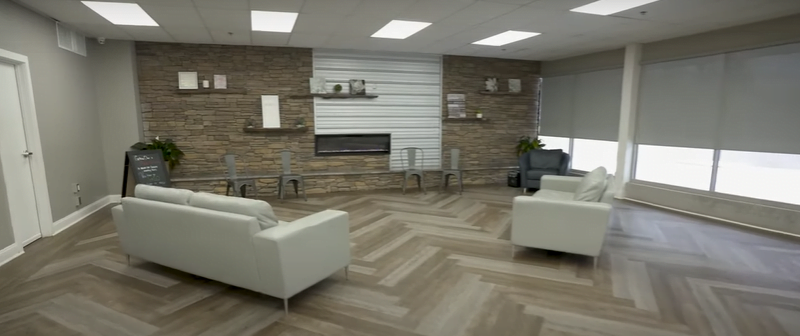
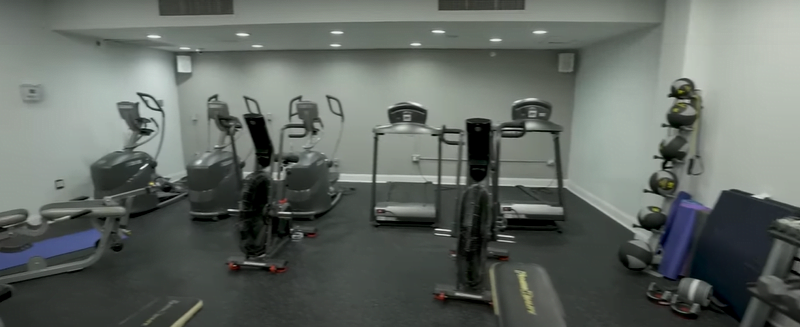
DreamLife’s amenities page lists private bathrooms, a gym, pet-friendly arrangements, wheelchair access and several wellness activities. It specifically states that completely private rooms are available for an additional charge. This is more precise than assuming that all accommodation is private or included at the same rate.
Ask which room type is actually available and request the room supplement in the written estimate. If bringing a pet is important, confirm the acceptance process, permitted animals and the person’s responsibilities during treatment. Accessibility should also be discussed in practical terms, including the bedroom, bathroom, therapy rooms and any help with daily activities. An advertised feature does not establish that every need can be accommodated. Wellness activities can contribute to comfort and routine, but their availability and suitability should be reviewed alongside the clinical plan. The treatment setting should support participation without allowing an appealing amenity to substitute for required medical care.
Commercial insurance and excluded public plans
The current insurance page states that DreamLife accepts private and employer insurance and self-pay. It explicitly excludes Medicare, Medicaid and state insurance, including Medicaid plans administered by private insurers. A recognizable insurer name therefore does not establish that a Medicaid product from the same company is accepted.
Request verification for the exact plan and proposed level of care. The estimate should identify authorizations, patient responsibility, room supplements and any services billed separately. A move from detox or residential treatment into outpatient care may involve a further review. Ask how an extension is handled if the clinical recommendation and insurer authorization differ. People considering self-pay should obtain the full written terms for the proposed episode rather than infer a package price from general program durations. DreamLife’s payment policy is specific to this provider; it does not determine what public coverage may fund at another appropriate service.
See the Pennsylvania treatment guide and the guide to co-occurring substance-use and mental health care.
Official sources reviewed October 19, 2026. Confirm the accepting facility, clinical recommendation, accommodation and individual financial terms with DreamLife.
Program scope, address, phone and insurance guidance were checked on October 10, 2026 against the provider’s official site. Call 844-402-3592. DreamLife says it is in-network with many insurers and offers benefit verification; coverage and personal cost depend on the plan, and no universal self-pay rate is published.