Compare Canadian treatment by province, program, and clinical need
Choosing a rehabilitation program in Canada requires more detail than choosing a country or a room category. The listings on this page include providers with different clinical models, geographic locations, and funding arrangements. An adult addiction residence, a private mental health program, and a licensed hospital should not be assumed to provide the same services. Begin with the reason for seeking care, then establish which program can meet those needs at the proposed address.
Canada's size also changes the practical decision. Treatment in coastal British Columbia and treatment near Toronto involve different travel plans, local follow-up networks, and provincial systems. A distant setting may provide useful separation from everyday pressures, but the return home needs just as much planning as the admission.
What the listed providers illustrate
The examples below explain differences between current provider descriptions. They are a starting point for assessment and comparison, rather than a ranking or a promise of admission.
| Provider | Published program distinction | Useful question before admission |
|---|
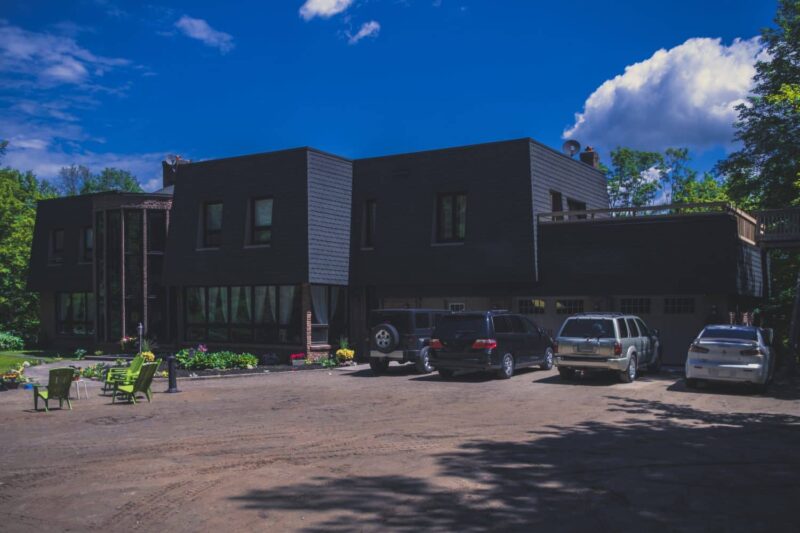
| Sunshine Coast Health Centre | Men's mental health and addiction programming in Powell River, British Columbia, with a non-12-step approach. | Which medical, addiction, or trauma pathway matches the assessment? |
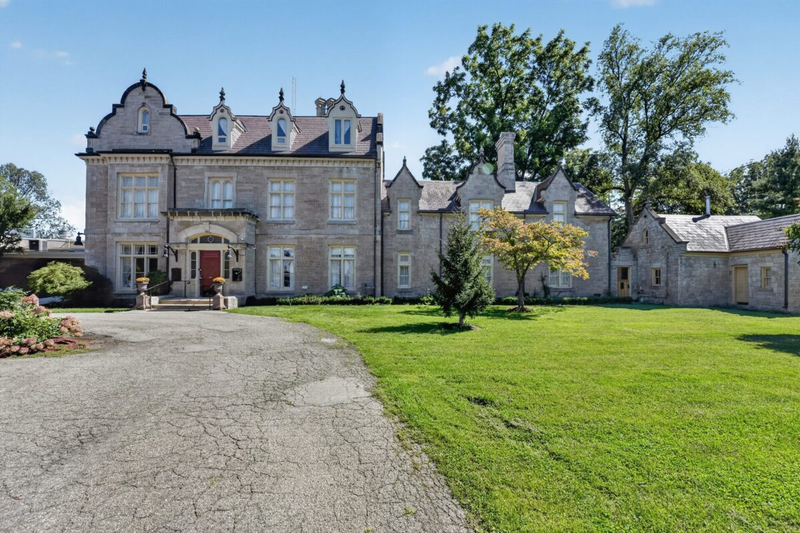
| Trafalgar Addiction Treatment Centre | Residential treatment in Erin, Ontario, alongside separate virtual treatment and aftercare options. | Where will each stage happen, and what continuing care is included? |
| EHN Bellwood Toronto | A private hospital offering distinct addiction, mental health, and trauma programs. | Which exact program and level of medical support are proposed? |
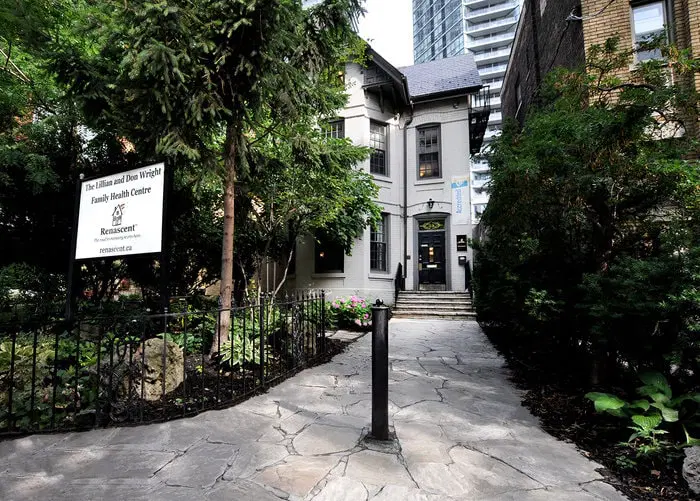
| Renascent | Residential and virtual addiction services, including a publicly funded pathway. | Which funding route, admission criteria, and waiting list apply? |
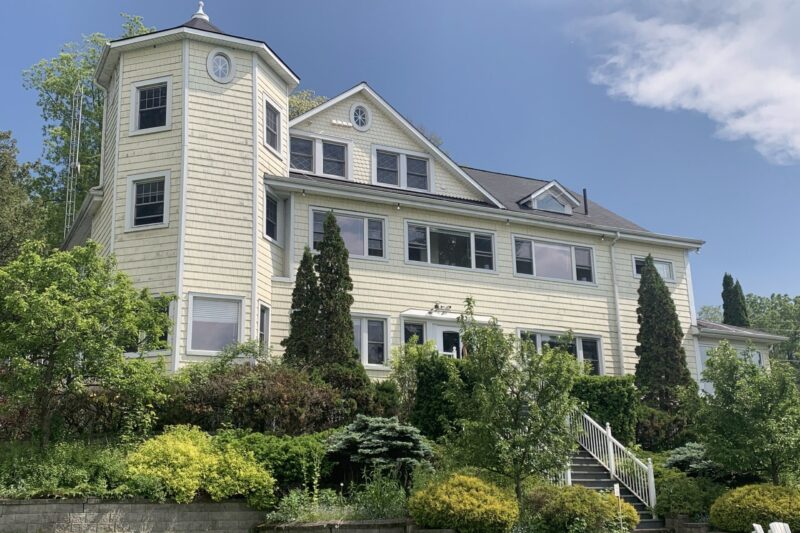
| Victoria Wellness | A residential mental health setting in Gores Landing beside Ontario's Rice Lake. | What clinical staffing and treatment are available for the presenting condition? |
Look closely at the British Columbia option
Sunshine Coast Health Centre describes a men's program in Powell River rather than a Vancouver city clinic. Its published approach excludes 12-step treatment from the program. That philosophical distinction may matter to someone comparing it with a provider organized around abstinence and 12-step facilitation. Ask how the approach works in daily therapy, how goals are agreed, and how the program supports a person whose previous treatment used a different framework.
The provider's drug and alcohol program description identifies daily group therapy and at least one individual counseling session each week. A private bedroom would not turn that schedule into an exclusively individual program. Discuss whether additional individual work is clinically appropriate, how it is arranged, and whether it changes the fee.
When comparing a coastal residence, include the complete journey in the decision. Obtain instructions for the relevant airport or ferry arrival, the onward transfer, and what happens if travel is delayed. A person who needs frequent family visits or specialist appointments elsewhere should understand those arrangements before choosing a location.
Ontario listings span several care models
Trafalgar's program information distinguishes its Erin residential facility from virtual treatment and aftercare. A person can therefore ask about a sequence of care rather than assuming that every service requires living at the residence. Confirm the clinical criteria for moving between stages and whether virtual care can be delivered in the province where the client will be located.
EHN Bellwood Toronto describes hospital-based services with nursing, counseling, medical care, and access to psychiatry. Its network lists separate programs for mood difficulties, trauma, and addiction. Ask which program is actually offered to the individual; a network's complete service menu is not a single treatment package.
Victoria Wellness describes a residential mental health environment on Rice Lake. Compare its proposed clinical plan with the hospital model or an addiction-focused residence using the same questions about assessment, staffing, medications, and escalation. A pleasant waterside setting does not establish that a service can manage severe withdrawal or an acute psychiatric emergency.
Separate public funding from private payment
Renascent's treatment information includes a publicly funded program as well as other treatment arrangements. This is a useful reminder that the choice is not simply between expensive private care and receiving no help. Eligibility, assessment, referral requirements, and waiting times should be checked for the specific pathway. A funded place cannot be inferred from a directory listing.
The federal government's substance use support directory organizes resources by province and territory. It includes local navigation and treatment support, allowing someone to investigate services close to home. Provincial residency, the type of service, and individual circumstances can affect the route into care. Ask the relevant service to explain the applicable criteria rather than assuming a private residential bill will be paid by a provincial health plan.
If an employer, insurer, or another organization may contribute, obtain written confirmation of the authorized service, dates, amount, and billing process. Ask whether room upgrades, family programming, medications, travel, or follow-up fall outside that authorization. A benefit for counseling does not automatically establish coverage for residential accommodation.
Ask about language and cultural fit
Determine the language in which assessment, therapy, written consent, and discharge information will be provided. A bilingual admissions phone line does not establish that every therapy group operates in both English and French. If an interpreter is needed, agree on professional interpretation and confidentiality arrangements before arrival. Family members should not be assumed to fill that clinical role.
For Indigenous clients, ask how the service accommodates cultural identity, community relationships, and desired traditional supports. Establish whether those supports are part of the proposed program or require coordination with an outside organization. The answer should reflect the person's preferences rather than an assumption based on background. Similar questions can clarify religious observance, food, and family participation.
Check oversight at the correct level
There is no useful shortcut in a general claim that a Canadian provider is “fully accredited.” Ask which organization issued the accreditation, which location and service it covers, and whether the status is current. Separately establish the provincial registration or licensing category that applies to the facility. Accreditation, a professional's credentials, and legal authority to operate answer different questions.
For example, British Columbia's Assisted Living Registry covers residences within its statutory remit, including relevant supportive recovery services. Its public residence search provides information about registered residences and substantiated complaints. That is a specific regulatory resource; it is not a universal register of every Canadian hospital, therapist, or residential program.
Request the names and credentials of the clinicians who will actually provide care. Verify them with the relevant provincial professional regulator. If follow-up will be remote, discuss the client's future location and the practitioner's authority to provide services there. Traveling for a residential stay does not automatically extend a clinician's scope across every provincial or international border.
Use the assessment to resolve medical and mental health needs
The admission conversation should cover substance use, physical health, medication, mental health symptoms, previous treatment, and daily support needs. Explain recent changes, including hospital visits or problems taking prescribed medication. Ask who reviews the information and how the team decides whether the proposed setting has sufficient medical support.
Health Canada's explanation of treatment services describes several approaches, including medication, psychological support, peer support, and withdrawal management. The appropriate combination depends on the person and the substances involved. A program should be able to explain its position on clinically indicated addiction medication, how prescribing is managed, and how ongoing treatment is coordinated.
When depression or trauma-related symptoms occur alongside substance use, establish whether one team treats both concerns or makes referrals elsewhere. “Concurrent disorders” is useful only when it leads to a clear plan. Ask which condition is being addressed first, why that sequence is appropriate, and how progress will be reviewed.
Evaluate the schedule rather than the therapy list
A long list of therapies does not show how much care a particular client will receive. Request a sample week that separates individual appointments, group sessions, medical review, family work, recreation, and unstructured time. Find out which elements are core, which are optional, and which depend on clinical indication or additional payment.
Program philosophy also affects the daily experience. Some people value a recovery community and regular peer meetings; others seek a different framework or greater individual attention. Discuss previous experiences openly, including what helped and what made participation difficult. The useful question is how the team adapts treatment while preserving a coherent clinical approach.
Ask how the program will accommodate work responsibilities, disability, dietary requirements, cultural needs, or religious practice. Specific answers are more valuable than a general promise of personalization. Where a need cannot be met, the provider should explain the limitation early enough to consider another service.
Build a complete budget and transition plan
Request a written quote in Canadian dollars that identifies the care period and room category. Check assessment, withdrawal care, psychiatric appointments, medication, laboratory work, meals, transfers, and aftercare. Ask what changes if the clinical team recommends a longer stay or a transfer. Avoid comparing a nightly accommodation figure with a comprehensive treatment fee as though they describe the same purchase.
Clarify deposit, cancellation, refund, and early discharge terms. If someone else is paying, agree how additional spending is authorized without confusing financial authority with access to clinical records. A transparent contract should make it possible to estimate the likely commitment and identify costs that remain uncertain.
Before discharge, arrange the next appointments and confirm who will prescribe medication, provide therapy, and respond to renewed difficulties. For a client returning to another province, identify suitable local services while still in treatment. Family sessions can help clarify expectations around housing, money, communication, and work, provided the client agrees to that involvement.
No fixed length of stay guarantees recovery, and no Canadian destination is the best fit for every person. A stronger comparison identifies the actual program, the relevant professional and facility credentials, a realistic funding route, and a practical plan for continuing care. Those details make the accommodation and location meaningful parts of an informed choice.
Back to guide contents↑