The Hader Clinic

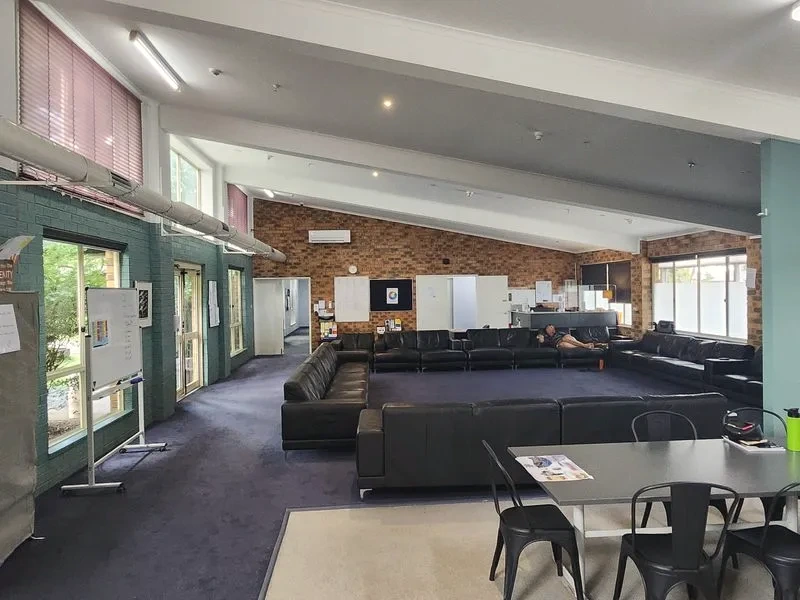

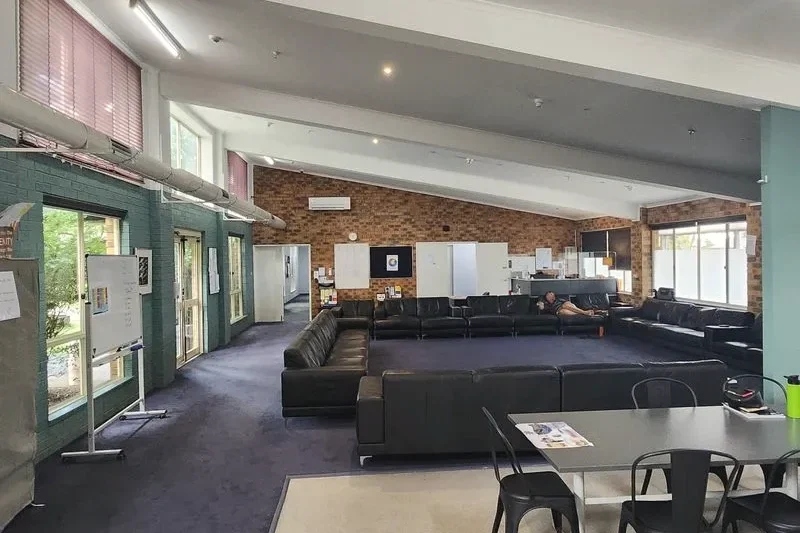
The Hader Clinic 3 photos

Comparison facts and sources
Geelong private-hospital withdrawal/detox, residential rehabilitation, outpatient care and transitional housing. · 6–8 Townsend Road, St Albans Park, Geelong, Victoria 3219, Australia
- Published fee information
- Quote required
- Before admission
- Insurance applies only according to cover, insurer approval and clinical eligibility. Non-hospital residential-style rehabilitation and transitional support are generally self-funded or funded through superannuation.
- Continuing care
- Published continuing-care options include a 12-week transitional-housing program, Hader@Home, family support and other relapse-prevention services.
Source record · October 15, 2026
Provider-published information checked October 15, 2026. The provider describes a licensed private-hospital setting for Geelong inpatient withdrawal care; confirm program placement, insurer authorization and current written charges.
Luxury rehab comparison · Fees and inclusions · Selection methodology
The Hader Clinic operates a hospital detox and treatment service at 6–8 Townsend Road, St Albans Park, Geelong, Victoria. Its current provider pages describe a licensed private-hospital setting for medically supervised withdrawal and detox, followed by residential rehabilitation, outpatient support and transitional housing.
Programs and duration
Published self-funded options include seven-, 14-, 21- and 28-day hospital programs; 30-, 60- and 90-day residential rehabilitation; outpatient care with a four-week minimum; and 12 weeks of transitional housing. The suitable level and length of care are determined through assessment.
Fees and funding
The current fee page lists seven-day detox from $6,510, a 28-day hospital program at $19,890, and residential rehabilitation from $14,990 for 30 days, $29,990 for 60 days and $44,970 for 90 days. Outpatient care starts at $295 per week with a four-week minimum, and a $1,990 admission fee applies to inpatient admissions. Eligible private health insurance may reduce hospital detox or inpatient costs, while programs outside the private-hospital setting, including residential-style rehabilitation and transitional support, are generally self-funded or supported through other pathways. The page uses “$” without an explicit currency code or tax statement; request a written itemized quote.
Geelong is the named hospital withdrawal and detox service
The Geelong facility page describes a hospital-based withdrawal and detox service with private residential rooms, shared living areas, a courtyard, counseling, and group support. It presents the initial stay as preparation for further therapeutic work where appropriate. The program is therefore more than accommodation, but the available level of medical and clinical care still needs to be matched to the individual assessment.
Ask which service will receive the person on arrival, what medical records are required, and whether any stabilization must occur beforehand. Confirm the room arrangement, overnight staffing, access to a prescriber, and hospital transfer process. Someone planning a sequence of detox, rehabilitation, and transitional support should request the address and provider responsible for each stage. Different pages use broad descriptions of an integrated pathway, so the written admission plan should make the actual locations and transfers clear rather than leaving them to assumption.
Hospital detox begins with assessment and medical stabilization
The hospital detox program describes medical and psychiatric assessment, medication-supported withdrawal, nursing monitoring, therapeutic activities, and discharge planning. Published options include seven-, fourteen-, twenty-one-, and twenty-eight-day stays, with extensions considered according to need. The provider says a pre-admission health review is required and that clinical stability or medical clearance is part of acceptance.
A program duration is a booking format, not a guaranteed withdrawal timeline. Give the team accurate information about current substances, prescriptions, previous seizures or severe withdrawal, and relevant medical or psychiatric treatment. Ask what the clinical team can manage at this hospital and what would require transfer elsewhere. Clarify medication costs, specialist reviews, and the proposed next stage of care. Urgent intake language should not be read as confirmation that a bed is available or that every acute presentation can be accepted without a clinical assessment.
Residential rehabilitation has different eligibility from detox
The residential program page describes a voluntary secondary-care service for adults who have completed withdrawal and are medically stable. It lists thirty-, sixty-, and ninety-day formats, weekday groups, weekly individual counseling, meals, shared routines, and drug screening. It specifically says the program is unsuitable for people still in active withdrawal or needing hospital-level care.
The current page names Geelong in its introductory summary but Essendon in parts of the detailed residential description. Confirm the intended address directly and obtain it in the admission agreement. This uncertainty should not be resolved by assuming every stage occurs at the detox hospital. Ask how clinical information moves between services, who coordinates any transfer, and whether the same funding authorization continues. For a longer booking, request the review points and criteria for moving into more independent care, rather than treating a ninety-day option as automatically necessary for every resident.
The outpatient program supports life at home after inpatient care
The intensive aftercare program is described as ongoing support after inpatient treatment. It includes individual sessions, group work, recovery planning, and digital resources, with evening and online options. The provider presents it as a way to continue treatment while returning to work, study, family responsibilities, and ordinary routines.
Ask for the actual weekly timetable, which appointments are in person, and whether participation is available from the location where the person will live. Clarify clinician access between sessions, the response to missed appointments, and the arrangements if symptoms or substance use worsen. An outpatient plan does not provide overnight accommodation or the same supervision as inpatient care. The home environment, transport, and available support should be part of the suitability discussion. Before discharge, confirm the first appointment and any continuing medication care so that the transition is scheduled rather than left as a general recommendation.
Transitional housing adds a structured place to live
The transitional housing page describes furnished shared accommodation, peer support, ongoing therapy, daily routines, and help with work, volunteering, or study. It identifies people who have completed the provider’s ninety-day inpatient program as the intended group. The emphasis is on a supported move toward independence after more intensive treatment.
Ask whether that prior-program requirement applies to the particular referral and whether any exceptions are available. Confirm the residence, room-sharing arrangements, staffing hours, house rules, and the balance between required activities and independent time. Housing fees, food, transport, therapy, and extensions should be explained separately where they are not included in one package. Discuss the response to a return to substance use or a change in mental health, including how clinical reassessment occurs. A clear exit plan should address the next living arrangement as well as follow-up treatment, rather than ending support at the point the housing booking expires.
The fee schedule contains both core prices and additional charges
The cost page publishes program prices and a separate admission fee, while also listing services that may incur additional charges. Examples include psychiatric consultations, individual or family counseling, transport, and reports. This detail matters because broad all-inclusive wording elsewhere on the same page does not establish that every possible service is covered by every package.
Request a written estimate naming the treatment stage, location, duration, currency, admission charge, and expected extras. Ask whether the quoted price assumes insurer approval and what happens if approval is delayed, limited, or refused. For a sequence of hospital care, residential rehabilitation, and transitional housing, obtain a total across the proposed stages rather than comparing only the first week’s cost. Confirm cancellation, early departure, extension, and refund terms before paying. The most useful estimate explains which clinical services are included and which decisions could change the final amount.
Insurance coverage depends on the treatment setting
The funding guidance distinguishes eligible treatment within the licensed private hospital from services delivered outside that setting. Its detailed explanation says private health insurance may apply to hospital treatment, while residential-style rehabilitation and transitional support outside the hospital use other funding routes. This is more specific than a general statement that the organization accepts insurance.
Ask the insurer to confirm the exact facility, program, authorization period, excess, and any uncovered charges. If another page suggests broader coverage, resolve the difference in writing before booking. Self-funding, payment arrangements, veterans’ support, and early-release applications are separate pathways with their own requirements. Do not treat an application as an approval or assume a provider can determine another organization’s decision. If borrowing or retirement savings are being considered, review the financial implications with an appropriate independent adviser while the clinical team explains the recommended care.
Family support can begin even before a relative enters treatment
The family program describes education, group meetings, an introductory consultation, a handbook, and optional individual counseling. Its eligibility information says support is available to relatives and partners whether or not their loved one is receiving treatment at Hader. Topics include communication, boundaries, stress, and maintaining personal wellbeing while supporting recovery.
Ask which sessions are included, how often they run, and whether individual counseling or workshops have separate fees. Clarify confidentiality when both the resident and family members are receiving services. Relatives may need their own space to discuss distress without assuming they will receive private clinical information about another adult. Practical goals can include planning visits, responding to requests for money, organizing childcare, and deciding how to communicate after discharge. The purpose is to help family members act with clearer boundaries and support, not make them responsible for another person’s treatment outcome.
Dual-diagnosis care remains an addiction-focused service
The dual-diagnosis page describes treatment for substance-use problems alongside mental health conditions. It explicitly presents addiction as the primary treatment focus while providing psychiatric assessment, medication support, and psychological care within the same plan. The page says existing prescribed medication should be disclosed and reviewed, rather than stopped simply to enter treatment.
Someone seeking care for a primary psychiatric condition without an addiction should clarify whether the service is suitable. For co-occurring concerns, ask who is responsible for psychiatric management, how symptoms are monitored, and which situations require a different level of care. Share previous assessments and the current medication plan so the receiving team can coordinate with existing clinicians. A list of diagnoses on a website does not show that every severity or presentation is accepted. The written plan should explain how both sets of needs will be addressed and continued after discharge.
Outcome figures need their population and follow-up method
The provider’s results page reports an eighty-three-percent sobriety figure at twelve months for clients who completed its ninety-day program. It also presents completion, aftercare-participation, and satisfaction measures, citing internal data and client follow-up surveys. These are provider-reported figures for defined groups, not a probability of success for every person entering any Hader program.
Ask how sobriety was defined, how many people were eligible for follow-up, how many responded, and whether the result was independently assessed. A figure restricted to program completers can differ from an outcome calculated across all people admitted. Comparisons with a national average also require compatible populations and methods. Use the information to understand what the provider measures and how it improves care. Clinical suitability, treatment continuity, and the individual plan should carry more weight than treating a single percentage as a guaranteed result.
Confirm which license and standards cover the proposed service
The accreditation page describes the Geelong facility as a registered private hospital and lists national safety standards, clinical governance, and professional registration. It also discusses medication handling, complaints, privacy, and risk-management processes. These are provider-published statements about oversight and service organization.
Request the current records and check that they name the legal entity, premises, and type of treatment in the proposed booking. Hospital registration should not be assumed to describe every housing, outpatient, or remote service offered under the same brand. Ask how to raise a concern, who reviews a clinical incident, and how a resident obtains information about their care. Where multiple treatment stages are planned, establish who is accountable at each stage. Formal oversight provides useful information, but it does not remove the need for an individualized assessment or guarantee a particular clinical outcome.
Additional provider information checked October 18, 2026. The linked official pages support these descriptions. Conflicting references to residential locations and funding should be resolved in the written admission plan.
Official sources checked October 11, 2026: fees and program comparison, funding, Geelong facility.