Clinic Les Alpes

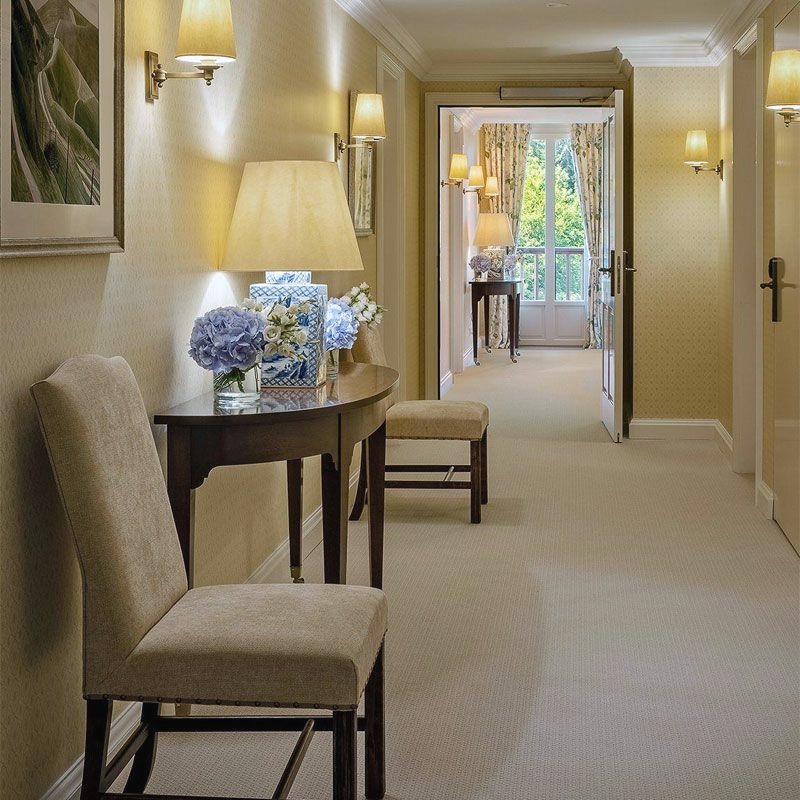

Clinic Les Alpes 3 photos



Comparison facts and sources
Medically licensed inpatient addiction and mental-health clinic · Route de Sonloup 37, CH-1833 Les Avants, Montreux, Switzerland
- Published fee information
- From CHF 60,000 / week
- Before admission
- The published starting price is weekly; the standard addiction program is 28 days, so the total is materially higher and varies with extension or additional services. Private accommodation does not mean exclusive use of the clinic.
- Continuing care
- The clinic develops a personalized aftercare plan that may include continued therapy, coaching, support groups, psychiatric consultations, a journey-home companion and later booster stays.
Source record · 2026-10-14
Provider-published information checked October 14, 2026. The provider states that Clinic Les Alpes is licensed by the Swiss Department of Health; independent license-registry verification was not completed in this targeted review.
Luxury rehab comparison · Fees and inclusions · Selection methodology
Comparisons featuring this provider: Best Luxury Rehab Centers in Switzerland · Best Luxury Depression Treatment Centers in Switzerland.
Provider overview
Clinic Les Alpes provides private inpatient treatment for addiction, mental health conditions and executive burnout above Montreux, Switzerland, with 24-hour medical support.
Treatment and setting
Current services include psychiatric and medical assessment, medically supervised detoxification when indicated, daily individual therapy, group therapy, family support, aftercare planning and complementary wellbeing care. The clinic treats substance and behavioral addictions, mental health concerns and co-occurring conditions in a secluded inpatient setting.
Admissions and published costs
The standard addiction program typically lasts 28 days, with longer stays and gradual reintegration available when clinically appropriate. Provider-published pricing starts at CHF 60,000 per week and includes hospitality plus in-house medically supervised detoxification if required. Medical treatment unrelated to the reason for admission is excluded. Request a personalized proposal and written confirmation of all inclusions.
The inpatient medical setting
Clinic Les Alpes describes itself as an inpatient medically licensed hospital and identifies the Department of Social Health Action of the Canton of Vaud, Switzerland, as its licensing authority. Its published licensing explanation also states that clinical staff hold their own professional registrations. This is provider-published information about the facility and its personnel; applicants can request the current operator and license details when confirming an admission.
The clinic’s licensing page describes medical and nursing teams available around the clock, with detoxification and psychiatric care within the same facility. That setting is a material consideration when comparing it with a service organized around an individual private residence. Ask the admitting clinician which needs can be managed on site and when another hospital would be involved. The answer should relate to the applicant’s history and current condition, rather than to the accommodation category or the general description of a luxury clinic.
How the individual treatment plan is reviewed
The clinic’s program information describes an Individualized Treatment Plan developed with the patient and reviewed between teams each day. It also describes Weekly Progress Meetings in which the patient can discuss what is helping and give feedback. This is a useful operational detail: the plan is intended to be revisited during the stay, rather than remaining an unchanged schedule agreed before arrival.
The published program descriptions include an allocated individual therapist, regular psychiatric involvement, physical health assessment and access to group therapy. The standard addiction pathway is described as 28 days, with longer stays and gradual reintegration possible when appropriate. Before admission, ask which pathway is proposed and what the first week will involve. During planning, distinguish the initial booked period, the clinical reasons for a possible extension and the review process that informs that decision. Families can also clarify how they may contribute information while respecting the patient’s consent and confidentiality.
Detoxification within the wider program
Clinic Les Alpes describes detoxification as an individualized part of treatment when clinically indicated. Its dedicated detox information explains that the plan considers substance use history, physical and mental health, current medication and overall clinical needs. The medical and nursing teams monitor the process and adjust care as the patient progresses. The clinic also describes specialized detox suites on its medical floor near the nursing center and pharmacy, with private bathrooms and a separate quiet lounge.
The official detox description places psychological support and broader therapeutic care alongside medical stabilization where appropriate. For a prospective patient, clarify how the initial assessment determines the level of observation and when other activities begin. Someone with a history of difficult withdrawal should provide that history to the admitting medical team. The practical advantage being described is continuity within one setting; the timing and content of care still depend on the individual assessment.
Accommodation choices within the clinic
The clinic’s accommodation page describes standard rooms, Executive Suites and a self-contained private apartment. It also describes en-suite bathrooms and private balconies overlooking Lake Geneva and the Alps. These options allow applicants to ask for a specific accommodation category in their proposal rather than assuming that every image shows the room included in the starting price. Availability, layout and any additional cost should be confirmed for the intended dates.
The published accommodation range sits within an inpatient clinic offering individual and group care. Choosing a private room or apartment does not by itself establish exclusive use of the whole facility. Discuss how meals, appointments and shared spaces work for the selected accommodation. A person with accessibility needs should request details of the actual room, bathroom and routes to treatment areas. If a family member may accompany the patient, establish the visiting and overnight arrangements separately from the patient’s treatment booking.
Medical leadership and professional responsibilities
The provider’s team page identifies Dr. Randolph Willis as Medical Director and describes his background in psychiatry, psychotherapy and addiction services. It lists Dr. Alissa Graffagnino as a psychiatrist and Dr. Sylvain Atrash as a general practitioner with experience in general and internal medicine. The wider team description includes nursing, nutrition and other therapeutic disciplines. These published roles help explain the clinic’s combination of psychiatric, medical and psychological care.
The current team information says services are delivered within the clinic and describes English-speaking staff from different cultural backgrounds. Applicants should still confirm the professionals assigned to their stay and the language in which therapy will be delivered. Ask who coordinates the case, who reviews prescriptions and who is available when the usual clinician is absent. A clear division of responsibility is especially helpful when an individual already has a psychiatrist, therapist or physician at home who will resume care after discharge.
Psychological assessment and co-occurring concerns
Clinic Les Alpes describes clinical psychology as part of both assessment and treatment planning. Its explanation considers the person’s circumstances and any psychological or mental health difficulties that coexist with substance use. It also describes psychologists and psychiatrists working together when symptoms may predate addiction, follow it or complicate treatment. That coordination is relevant for an applicant seeking help with more than one concern rather than a single isolated diagnosis.
The clinical psychology page emphasizes an individual formulation of the person’s difficulties. During admission, ask how previous diagnoses and treatment records will inform that formulation, and how the team will explain its conclusions. The proposed plan should connect identified needs with particular therapeutic work and review points. It is also useful to establish how the psychologist, psychiatrist and individual therapist communicate, so that the client understands how medical and psychological recommendations fit together rather than receiving them as separate lists.
The place of group psychotherapy
Group psychotherapy is a named part of the clinic’s therapeutic offering. The provider discusses it as a setting for examining relationships and patterns of interaction, alongside work that happens individually. This gives the clinic a different social structure from a program built entirely around one client’s private household. For some applicants, contact with peers is an important part of the decision; others will want to understand the format before committing to a stay.
The group psychotherapy description acknowledges that people may feel apprehensive about participation. Ask how groups are introduced, who facilitates them, which languages are used and how the team determines readiness. Clarify how the group schedule complements the individual therapy plan and what confidentiality expectations apply among participants. These details make the actual experience easier to understand. They also allow a prospective patient to discuss reservations with the clinical team before arrival, rather than discovering an unfamiliar format during treatment.
Support for family members in their own right
Clinic Les Alpes advertises a brief residential family program that addresses relatives’ own experiences of addiction and its effects. The listed topics include emotional responses, family roles, boundaries, communication and developing a personal recovery plan. It also describes looking at patterns across generations through a family diagram, or genogram. The focus is broader than receiving an update about the patient: it gives family members a setting to examine their own needs and ways of responding.
The family program outline does not establish the exact duration, price or attendance arrangement for every family. Discuss those details separately from the patient’s admission. Ask whether participation requires the patient to be staying at the clinic, how information is shared and which sessions are individual or joint. Each participant should understand the purpose of the program and the confidentiality arrangements. A relative’s support needs and the patient’s treatment plan may overlap without being identical.
Aftercare and contact following discharge
The clinic’s aftercare page describes planning support for every patient and connections with professionals who can provide care after the residential stay. Its examples include psychiatrists, psychologists, coaches and physical therapists. It also states that the lead therapist checks in regularly for up to a year, and that a health check before discharge compares progress with the baseline established at admission. These details give a more concrete picture of the proposed transition than a general promise of ongoing support.
Use the aftercare information to clarify the frequency, format and scope of those check-ins. A check-in and a full course of continuing treatment may involve different arrangements. Ask which services are included, which outside professionals charge separately and who will manage prescriptions or urgent concerns locally. Before departure, the plan should identify the first appointments, consent for sharing records and the person responsible for coordinating any unresolved recommendations.
How preferences and existing treatment are handled
The clinic describes a collaborative approach in which a lead therapist works with the patient and the medical and therapeutic teams to understand the reason for seeking care. It says treatment is adjusted as the team learns more about the individual, rather than placing everyone into an identical program. The published approach also addresses people who arrive with existing prescriptions: medication is reviewed, any proposed adjustment is discussed and its effects are monitored.
The official treatment approach provides a basis for discussing preferences and previous experiences. Bring questions about therapies that have helped, approaches that have been difficult and practical priorities for the stay. Ask how disagreements or concerns about the plan are handled and when the next review will occur. The value of a personalized program depends partly on this working relationship: both the clinical recommendations and the patient’s understanding of them should remain clear as the stay develops.
Reading the price in context
The published starting price is CHF 60,000 per week for the individual program and hospitality, including in-house medically supervised detoxification when required. Medical treatment unrelated to the reason for hospitalization is excluded. Request a proposal for the full recommended stay and the selected accommodation category. It should identify any additional medical charges, extension terms and separately arranged support after discharge. A weekly starting figure is useful for an initial comparison, but the total commitment depends on duration and the final scope of care.
Compare Clinic Les Alpes with other providers
Use these comparison guides to review care settings, treatment scope, costs, and continuing care before requesting a personal assessment and written quote.
Source check: October 18, 2026, for the additional provider details above.
Source and verification
Sources: Clinic Les Alpes official website, treatment programs, pricing and contact, checked October 5, 2026. This summary reflects provider-published information and is not an independent clinical assessment. Confirm current suitability, availability and costs directly.