Mirror Lake Recovery


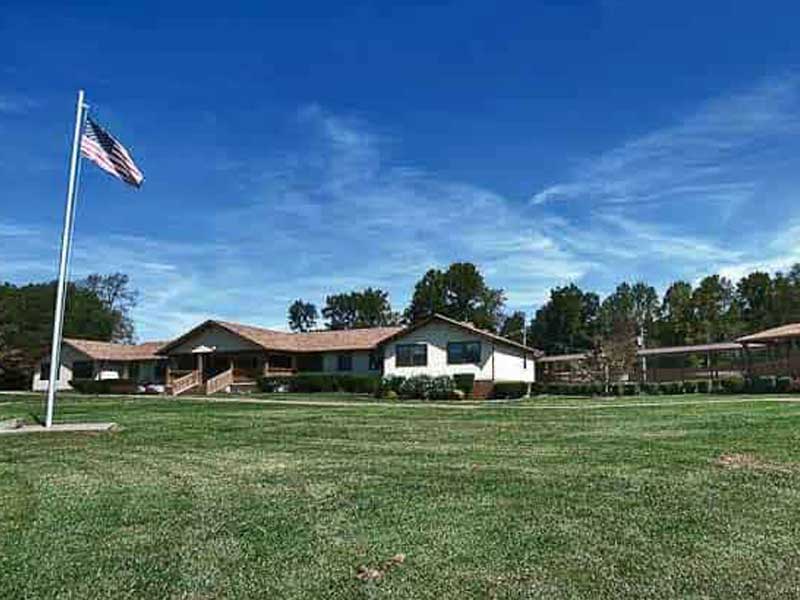
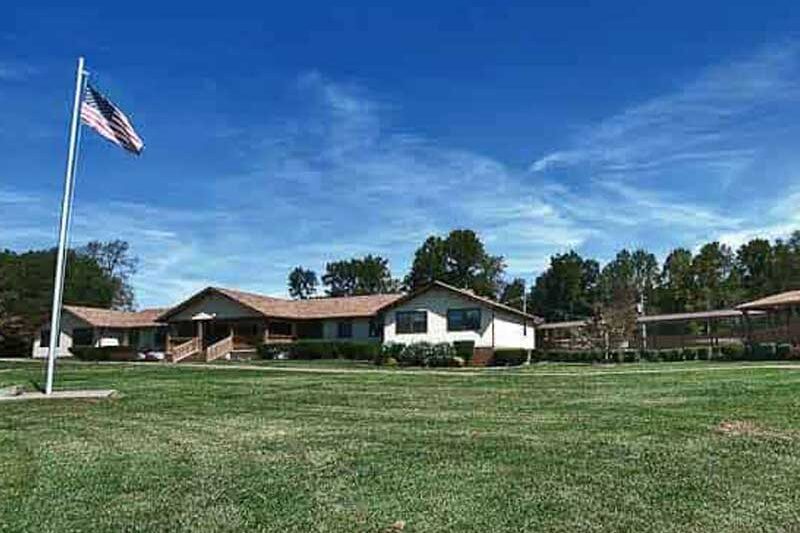
Mirror Lake Recovery 3 photos


Comparison facts and sources
Adult substance-use treatment campus offering medically monitored detox, residential treatment, partial hospitalization, aftercare and alumni support. · 999 Girl Scout Road, Burns, Tennessee 37029.
- Published fee information
- Quote required
- Before admission
- Payer pages differ about Medicaid-related coverage. Admission, benefits, availability and final cost require individual confirmation.
- Continuing care
- Custom discharge planning, free weekly Friday on-campus meetings for former clients and alumni activities throughout the year.
Source record · October 19, 2026
Official-source review on October 19, 2026 covers the payer discrepancy; fee information retains its separately stated review date..
Luxury rehab comparison · Fees and inclusions · Selection methodology
Mirror Lake Recovery Center is a substance-use treatment campus at 999 Girl Scout Road in Burns, Tennessee, serving adults aged 18 and older. It treats alcohol and drug addiction and can address certain co-occurring mental-health conditions within addiction care.
The continuum includes medically monitored detoxification with 24/7 medical and nursing supervision, residential treatment, partial hospitalization and aftercare. Detox and residential length are individualized according to substance use, severity, co-occurring conditions and progress; the provider also describes extended care of 90 days or more when clinically appropriate.
Mirror Lake says it accepts most major insurance plans, including Aetna, Ambetter, Amerigroup, Anthem, Blue Cross/Blue Shield, Cigna, Humana, TRICARE, TennCare and UnitedHealthcare-related plans. The FAQ excludes Medicare or Medicaid as the primary insurer; listed Medicaid-related plans require confirmation. No universal cash price is published; admissions develops an estimate using the proposed treatment, length of stay, co-occurring conditions and verified coverage.
Discharge planning begins before departure. Former clients can attend free weekly on-campus aftercare meetings, and the provider also offers alumni activities throughout the year.
A wooded Tennessee campus with a community treatment model
Mirror Lake describes a 75-acre campus in Burns, Tennessee. Its setting offers distance from a person’s usual surroundings, but the treatment experience is organized around a shared recovery community. The provider’s description of the center emphasizes a 12-step foundation, family support, and several connected levels of addiction care. A quiet location is one part of that experience; it does not establish a private residence, individual-only treatment, or a particular room assignment.
For someone comparing residential options, the important distinction is the combination of an on-site stay and participation with other clients. Ask how sleeping arrangements, accessibility, personal time, and the group schedule would work for the person entering care. Mirror Lake also describes its sub-acute residential licensing on this page. People with complicated medical histories should have admissions review their actual needs rather than assume that this description covers every medical condition.
Admission depends on clinical needs and ability to participate
The admissions criteria identify adults age 18 or older with substance-use or chemical-dependence histories, with or without a co-occurring mental health condition. Prospective clients must be able to participate in the program and manage activities of daily living in its recovery setting. These criteria matter when deciding whether a freestanding addiction center can provide the support a person needs.
The assessment reviews social, medical, substance-use, and previous-treatment histories. Mirror Lake describes an approximately 90-minute assessment, ordinarily between 8 a.m. and 8 p.m., while admissions can occur around the clock. Those are different operating arrangements; a late arrival still needs coordination. The page also describes transportation within Tennessee and consideration of pregnant patients into their third trimester. Anyone relying on either provision should obtain a specific clinical and logistical agreement before traveling. When its criteria are not met, the center says it can provide referrals to other services.
Medical detox is a supervised phase with an individual duration
Mirror Lake presents medical detoxification as the first treatment phase for clients who need withdrawal support. The duration depends on the substance and the person’s needs. The program describes continuous supervision, an individual plan, and medication when the treating team considers it appropriate. A published detox description cannot establish the right medication, withdrawal setting, or discharge date for a particular person.
Clients may participate in individual or group therapeutic work during this phase as their condition permits. The provider describes a team that can include an addictionologist, psychiatrist, case managers, nurses, and clinical technicians. It then links detox to further residential treatment. For admission planning, ask which clinician will evaluate medical stability, how existing prescriptions are reconciled, and what would happen if hospital-level care becomes necessary. The next phase should be discussed before detox ends, with the receiving service and any authorization requirements identified.
Residential care combines frequent groups with individual sessions
In residential treatment, clients live at Mirror Lake and participate in structured activities that may run seven days a week. The provider describes weekly individual therapy and multiple groups each day. Individual sessions focus on specific goals, while groups address recovery principles, communication, emotional concerns, and relapse-prevention skills. This is a substantial commitment to a shared daily program rather than a schedule built entirely around private appointments.
The page also describes medication management, virtual family therapy on Sundays, and experiential activities such as yoga and art. A medical-provider appointment is typically weekly for clients receiving medication, with additional appointments as needed and daily nursing or nurse-practitioner support. These descriptions identify different staff roles and frequencies; they should not be read as unlimited access to every clinician. Ask for the current timetable and how the team adjusts participation when symptoms, physical limitations, or learning needs make a standard group schedule difficult.
Partial hospitalization is another defined phase of care
Mirror Lake calls its partial hospitalization program Phase III. It serves adults whose primary diagnosis is a substance-use disorder and may also address specified co-occurring mental health concerns. The center describes daily activities, potentially seven days a week, with greater flexibility for personal time than residential treatment. The name alone does not tell a prospective client what overnight arrangements, transport, or supervision will be included.
Published components include weekly individual therapy, daily groups, medication management when indicated, Sunday virtual family sessions, and experiential work. Ask admissions to explain exactly how this phase differs from the proposed residential stay: where the person sleeps, which hours are clinical, and who provides support outside those hours. A step-down should reflect the person’s needs and readiness, not merely a calendar date. Mirror Lake describes aftercare as the next source of support when a client completes this phase and leaves treatment.
Mental health treatment is connected to the substance-use program
The center’s co-occurring-disorders information describes treatment for anxiety, bipolar disorder, and depressive disorders alongside a primary substance-use disorder. Therapy and medication management can be included when the clinical team identifies a need. This scope is especially relevant when depression, anxiety, or another condition has complicated previous addiction treatment.
A person seeking care primarily for a psychiatric condition should ask whether Mirror Lake is an appropriate setting for that presentation. A list of conditions addressed during addiction care does not establish a separate admission pathway for every diagnosis. Before a transfer, the referring clinician can clarify symptom severity, previous treatment, medications, and any safety or functional concerns. The useful comparison is whether the actual team and proposed plan can manage both sets of needs together, including continuity with psychiatric care after discharge.
Extended care and virtual services have distinct arrangements
The program overview describes extended care lasting 90 days or longer for people needing a longer supervised setting. This is an available pathway, not a universal length of stay for every Mirror Lake client. The overview also describes individual, group, and family therapy, experiential work, cognitive behavioral therapy, and discharge planning across its treatment options.
Separately, it directs readers to virtual intensive outpatient programming through Connections of Tennessee. That referral should be understood as a named service arrangement, with its own eligibility, location requirements, schedule, and payment review. Do not assume that a residential admission automatically includes a later virtual course. A useful written plan identifies which organization delivers each phase, the expected transition date, how records will be shared with permission, and whether the same clinical team remains involved. Longer care and remote follow-up address different needs and should be compared separately.
SMART Recovery can be added to an individual plan
Mirror Lake offers SMART Recovery to adults with substance-use disorders. Clients can discuss adding it with their primary counselor. The program focuses on motivation, managing urges, responding to thoughts and feelings, and maintaining balance in daily life. Its availability gives prospective clients a concrete question to ask about how their preferred recovery approach can fit within the broader program.
The provider describes sessions typically lasting 90 minutes, usually five times weekly over approximately four to five weeks. These are program descriptions rather than a guaranteed individual timetable. Most of the work is delivered in groups, with topics such as boundaries, cravings, and relapse prevention. Other clinical services may be recommended alongside it. Ask whether the current schedule can accommodate the proposed length of stay, how participation relates to other groups, and which skills or local resources the team expects the person to continue using after leaving campus.
The ReNew Christian track is optional
The ReNew Christian program is described as a voluntary, nondenominational track. Mirror Lake says all clients are welcome to participate and no one is required to do so. This distinction matters to people who want faith incorporated into treatment and to those who prefer a plan without a specifically Christian component.
A Christian counselor leads the track. Published activities include process groups, journaling, Bible study, chaplain contact, meditation, Celebrate Recovery, and 12-step meetings. The team discusses this option during assessment for residential or partial hospitalization care. Ask which activities would appear in the actual weekly schedule and what alternatives are available during those periods. Choosing a spiritual component should be part of a clear treatment discussion; it does not replace assessment, therapy, or appropriate medical care. Families should also understand how the client’s preferences will guide involvement in this track.
Veterans have a specifically described treatment pathway
Mirror Lake’s Service Resiliency Unit information describes a program for veterans with substance-use disorders and co-occurring concerns such as trauma, anxiety, depression, or bipolar disorder. The page explains its connection with the VA Community Care Network and Acadia’s military support team. A program’s participation in a network is separate from a particular person’s referral or payment authorization.
The listed clinical approaches include group work, individual and family therapy, medication management, and detox when necessary. The provider also describes several psychological and experiential methods that may be used. Veterans should ask which services are actually proposed for their assessment findings, how military-related experiences are addressed in groups, and who coordinates the referral. Before travel, confirm the receiving program and required authorization with the appropriate parties. The page’s broader references to military members and families should not be treated as automatic eligibility for every person or service.
Insurance descriptions require a plan-specific check
The insurance page lists commercial plans and TennCare-related options. However, the FAQ says Medicare or Medicaid cannot be the primary insurer. These statements need clarification for the actual plan and proposed care level. Ask for written confirmation before relying on a listed payer. The provider bases cost on the treatment required and length of stay; it does not publish one price applicable to every admission. Clarify the authorized services, patient responsibility, and cost of any extension before agreeing to the plan.
Free weekly aftercare has a published local schedule
The aftercare page lists Friday meetings from 6:30 to 7:30 on the Mirror Lake campus, free for people who have received treatment there. It describes a 12-step format and an opportunity to maintain a recovery support network. Check the current meeting arrangements before attending, particularly if returning to Burns would require a substantial journey.
These meetings are one specific form of continuing support. They should be distinguished from an individual therapy appointment, medication follow-up, or a higher level of treatment. A person leaving campus should have a separate clinical plan covering any ongoing prescriptions, appointments, and local services. If returning in person is impractical, ask the discharge team which equivalent community connections it recommends. The availability of a free meeting is useful, but it does not settle the cost or availability of other follow-up care.
Alumni activities provide a separate way to stay connected
Mirror Lake’s alumni association describes AA meetings, dinners, and campfire activities for people who have completed treatment. The purpose is continued contact with peers and the recovery community. These social and peer-support opportunities can complement the resources identified in a discharge plan without becoming a substitute for the person’s clinical appointments.
Ask how to obtain the current calendar, which activities require registration, and whether a particular event is appropriate for family members or only graduates. Published examples do not guarantee that every activity runs every week. For someone returning to a distant home community, the more useful question may be how to preserve supportive connections while establishing reliable local care. That transition should be planned during the stay, with responsibilities understood by the client and any participating support people.
Program descriptions were reviewed against the linked official sources on October 19, 2026. Individual eligibility, schedules, coverage, accommodations, and availability require confirmation with the receiving program.
Sources
- Official programs and duration guidance
- Official insurance and payment information
- Official aftercare program
- Official campus location
Sources checked October 16, 2026.