Onsite Tennessee



Onsite Tennessee 3 photos


Comparison facts and sources
Therapist-led emotional-health retreats and group intensives at Onsite's Tennessee campus. Milestones is a separate sister-brand residential trauma program rather than the standard Onsite retreat offering. · 1044 Old Highway 48 North, Cumberland Furnace, Tennessee 37051
- Published fee information
- USD 6,900 / six-day Living Centered retreat
- Before admission
- Living Centered is a retreat/intensive, not an inpatient hospital or addiction-detox program. Milestones residential treatment is a separate sister brand with individualized 30-to-90-day stays.
- Continuing care
- Onsite offers post-program resources and an alumni community with virtual check-ins, book clubs, gatherings, local chapters and a resource library.
Source record ·
Provider-published information checked October 14, 2026.
Luxury rehab comparison · Fees and inclusions · Selection methodology
Onsite Tennessee operates therapist-guided emotional-wellness retreats and intensives at a 250-acre campus in the rolling hills outside Nashville. It is not presented by the provider as a hospital, medical detoxification unit or conventional addiction-rehabilitation facility.
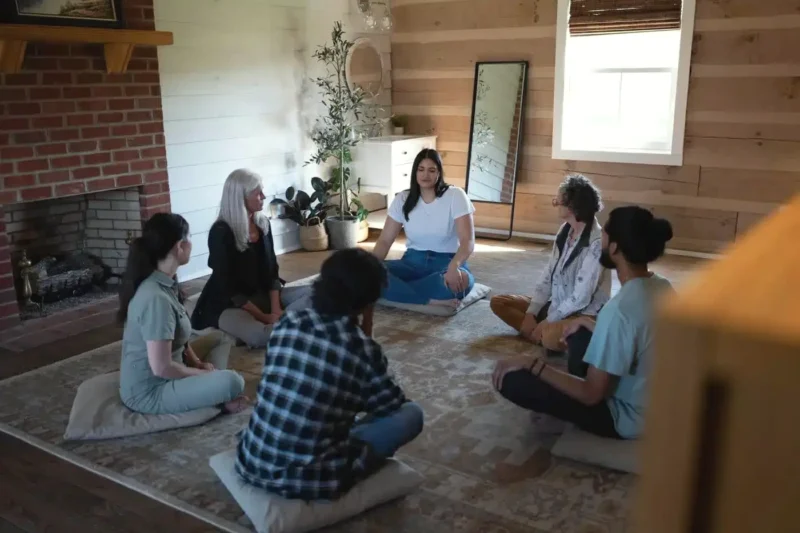
Published offerings include group and custom intensives, adventures, online courses and a separate Nashville intensive outpatient program. Living Centered is a six-day group intensive with about six hours of therapist-guided experiential group work each day. Program format and location vary.
The Tennessee campus provides boutique lodging, meals, trails, yoga and equine experiences. The provider states that guests have one or two roommates and a private bathroom. Living Centered is currently listed at $6,900 including therapy, accommodation and meals. Onsite says insurers are unlikely to reimburse its retreat programs because they are not hospital-based and do not generate a diagnosis; its separate IOP uses a third-party billing service for possible out-of-network reimbursement.
Living Centered is a six-day small-group intensive
The Living Centered program describes six days of therapist-guided work in a group of approximately six to ten people. Its daily structure includes psychoeducation, meditation, around six hours of experiential group therapy, and guided community activities. The published price is $6,900, including lodging and meals.
The stated topics include relationships, family-of-origin experiences, shame, recurring patterns, and personal development. This is concentrated group work, so someone considering it should be comfortable discussing whether that format suits their needs. The admissions conversation can distinguish the program from a private intensive or a longer course of treatment. Onsite offers Living Centered at more than one campus, and the booking should identify Tennessee specifically if that is the desired setting. The published calendar gives scheduled cohorts; availability and the precise arrival and departure arrangements need confirmation. The six-day format describes the intensive itself, with continuing support considered separately.
Healing Trauma focuses on a different set of therapeutic goals
The Healing Trauma group intensive is presented for people wanting to work on the continuing effects of difficult experiences. Its published focus includes stabilization, practical regulation skills, relationships, and trust. The daily structure combines experiential group work, education, meditation, and other guided activities.
The provider lists a $6,900 price and describes accommodation as part of the group-intensive experience. The clinical approach includes experiential therapy, group therapy, and psychodrama. A prospective participant can discuss the concerns they hope to address, current support, and how they respond to intensive group work. The admissions team should explain why this option is appropriate compared with Living Centered, an individual intensive, or another level of care. The retreat format does not by itself establish suitability for someone needing medical stabilization or continuous psychiatric treatment. The useful decision is the match between the participant’s current needs, readiness, and the actual structure of the proposed intensive.
The Extended Trauma Program combines group work with individual sessions
The Extended Trauma Program is described as a two-week experience combining elements of Living Centered and Healing Trauma. It includes small-group experiential work, psychodrama and somatic approaches, four hours of individual intensive sessions, and additional therapeutic services. The current published price is $15,500.
The longer format gives more time within the structured setting, but it remains a particular intensive rather than a general promise of inpatient medical care. The provider describes assigning a guide who supports the participant through educational and experiential work. Someone considering the program should understand the sequence of group and individual sessions, the role of the guide, and the plan for returning home. The four individual hours are a defined component, not the total time spent in the program. Confirm the dates, inclusions, lodging arrangement, and suitability with admissions, particularly when comparing the extended course with a shorter group experience or a fully customized individual intensive.
Individual intensives provide a four-day private therapeutic focus
The individual intensive is a four-day program with a schedule tailored to the person’s goals. The provider describes about six hours of individual experiential therapy each day, alongside meditation, psychoeducational sessions, an additional selected therapeutic appointment, and optional community activities.
The admissions, clinical, and programming teams use the initial discussion to match the participant with a therapist. Onsite presents this option for focused work on a particular concern, including as a later step after a group intensive. Private therapeutic sessions do not necessarily mean a completely private campus experience: the accommodation and broader community are part of the setting. The proposal should explain the room arrangement, schedule, clinician, and price, which is available by inquiry. It should also identify how the intensive connects with any therapy the person already receives. A concentrated course is easier to assess when the goals and plan for continuing the work afterward are clear.
Couples intensives are organized around the relationship’s goals
The couples program describes a customized schedule addressing the relationship’s concerns and recurring patterns. Its published daily components include meditation, education, approximately six hours of experiential couples therapy, and a selected additional session.
The provider says the couple’s goals inform the therapist match and structure. The intensive can focus on communication, unresolved difficulties, and ways of responding to conflict, without assuming that every couple needs the same intervention. The initial discussion should establish whether the format is appropriate for both participants and what each expects from it. Onsite offers accommodation with the intensive and provides pricing by inquiry. Confirm the full length, campus, schedule, and arrangements for time outside sessions. The couple can also discuss how insights and practical changes will be supported once they return home, including coordination with an existing therapist where appropriate. The program should have an understandable purpose beyond simply spending time away together.
Family intensives welcome participants aged twelve and older
The family intensive is described as a four-day customized experience, commonly involving two to six people. The provider welcomes nuclear, extended, and chosen family members, and its FAQ specifies participation from age twelve rather than younger children.
The daily schedule includes experiential family therapy, education, meditation, and selected activities. The team matches a therapist to the family’s goals and needs. Onsite says family members room together during the intensive, so the accommodation and participation arrangements should be understood before booking. The purpose is to work with the family’s actual dynamics, rather than apply one standard set of exercises to every household. Families can discuss who should attend, the concerns each person brings, and what support may be useful afterward. Pricing is provided by inquiry. The final plan should identify the participants, campus, length, clinical focus, and next steps, especially when coordinating travel or school and work commitments for several people.
Equine intensives combine therapeutic work with time around horses
The equine intensive is a four-day Tennessee program that can be designed for individuals, couples, families, or groups. The provider describes approximately six hours a day of therapeutic time with horses, using a combination of experiential approaches and equine-assisted work.
Prior horse experience is not required. The FAQ distinguishes activities on the ground from riding, which is offered by invitation and depends on the participant feeling comfortable and choosing to take part. The program can also adapt when weather limits outdoor activities. This is a useful distinction for someone interested in the setting but unsure about riding. Discuss physical needs, comfort around animals, and the particular therapeutic goals before choosing the program. Onsite also describes shorter equine additions to some group experiences, with the arrangement confirmed separately. The quotation should specify which format is booked, the accommodation, the schedule, and the professionals guiding the work.
The Tennessee setting is communal and nature-oriented
The Tennessee campus guide describes a 250-acre property outside Nashville, with walking trails, gathering spaces, farm animals, and areas for reflection. Accommodation normally involves one or two roommates, with a private bathroom for the room.
This is shared lodging rather than an assumption of a private suite. The provider also says there is no designated exercise facility, although participants can use walking or jogging trails and join optional mindful movement such as yoga. The setting includes a labyrinth, indoor and outdoor community spaces, and the Greenhouse Cafe. Those details help describe time between sessions and the broader retreat environment. Before booking, discuss accessibility, mobility, room needs, and comfort with shared accommodation. The campus is one element of the experience; the selected program determines the actual clinical schedule. A Tennessee booking should identify the dates and format clearly, since Onsite also operates programs in other locations.
Meals and hospitality are included in the retreat routine
The hospitality guide describes three daily meals, snacks, coffee, and tea, with food generally shared in a communal dining setting. The culinary team sources seasonal ingredients and provides options for a range of dietary needs.
The provider lists vegetarian, vegan, gluten-free, dairy-free, and other options, while explicitly saying it cannot guarantee zero cross-contamination. Someone with a serious food allergy or a specific dietary requirement should discuss that directly before arrival. The guide also describes particular arrangements that may be available for kosher needs, which should be confirmed individually. Meals, shared tables, lodging, and ordinary hospitality support form part of the daily environment around the intensive. Knowing those arrangements can help a participant prepare for the stay, especially when comparing it with a hotel-based private program. The actual booking should identify what is included and any personal requirements that the team has agreed it can accommodate.
The Nashville IOP is a separate service from the rural retreat
The intensive outpatient program operates in Nashville’s Nations neighborhood. It describes three weekly three-hour group sessions and one ninety-minute individual appointment each week, with many participants completing about eight weeks. Individual work may use EMDR, Internal Family Systems, or Brainspotting according to the plan.
The page lists morning and evening group options, which should be confirmed for the current intake. At least one family session may also be part of treatment. This format allows local participants to continue living at home and has a different schedule and funding arrangement from the campus intensives. The assessment considers goals, history, current stressors, and previous treatment. Before enrolling, clarify the location, availability, clinical criteria, session timetable, and personal cost. The provider also describes connecting participants with ongoing local support. A person considering both services should understand whether the recommendation is for the outpatient program, a retreat, or a sequence involving separate arrangements.
Retreat registration includes a discussion of fit and payment
The registration information directs prospective participants to an admissions conversation to identify the appropriate experience. It states that Onsite cannot bill insurance for these programs and that reimbursement is unlikely because the intensives are not hospital-based and do not generate a diagnosis.
The same page says scholarships are not currently available, although the team may discuss other financial resources. Those statements apply to the retreat registration described there and should not be generalized to every separate Onsite service. A prospective participant should obtain the total price, payment schedule, cancellation terms, and inclusions for the exact program. The initial discussion is also an opportunity to share existing treatment, medications, health needs, and the support available afterward. The aim is a suitable and understandable booking, with the clinical purpose and practical commitment agreed before travel. A program inquiry is not a substitute for urgent medical or psychiatric care when that is needed.
Alumni resources provide connection after the intensive
The alumni service includes the Trust the Process online community, digital classes, local chapters, events, and virtual check-ins. The published schedule currently offers Wednesday Zoom check-ins at noon and 7 p.m. Central Time.
The alumni team also offers a route to request therapist recommendations near home. These resources can help participants stay connected with others who have attended Onsite, while continuing to apply what they explored during the intensive. Peer gatherings and online resources have a different role from ongoing individual treatment. Confirm the current event schedule, access arrangements, and any services that require a separate booking or payment. Someone already working with a therapist can discuss how the intensive fits into that relationship and what to focus on after returning. The useful next-stage plan may combine ordinary therapy, practical changes, and alumni connection according to the person’s circumstances.
Source check: October 18, 2026, for the additional provider details above.
Sources
Official provider pages checked October 7, 2026: Tennessee setting, accommodation and activities; Living Centered format, duration and price; retreat insurance guidance; current campus address and contact.