Magnolia Ranch Recovery


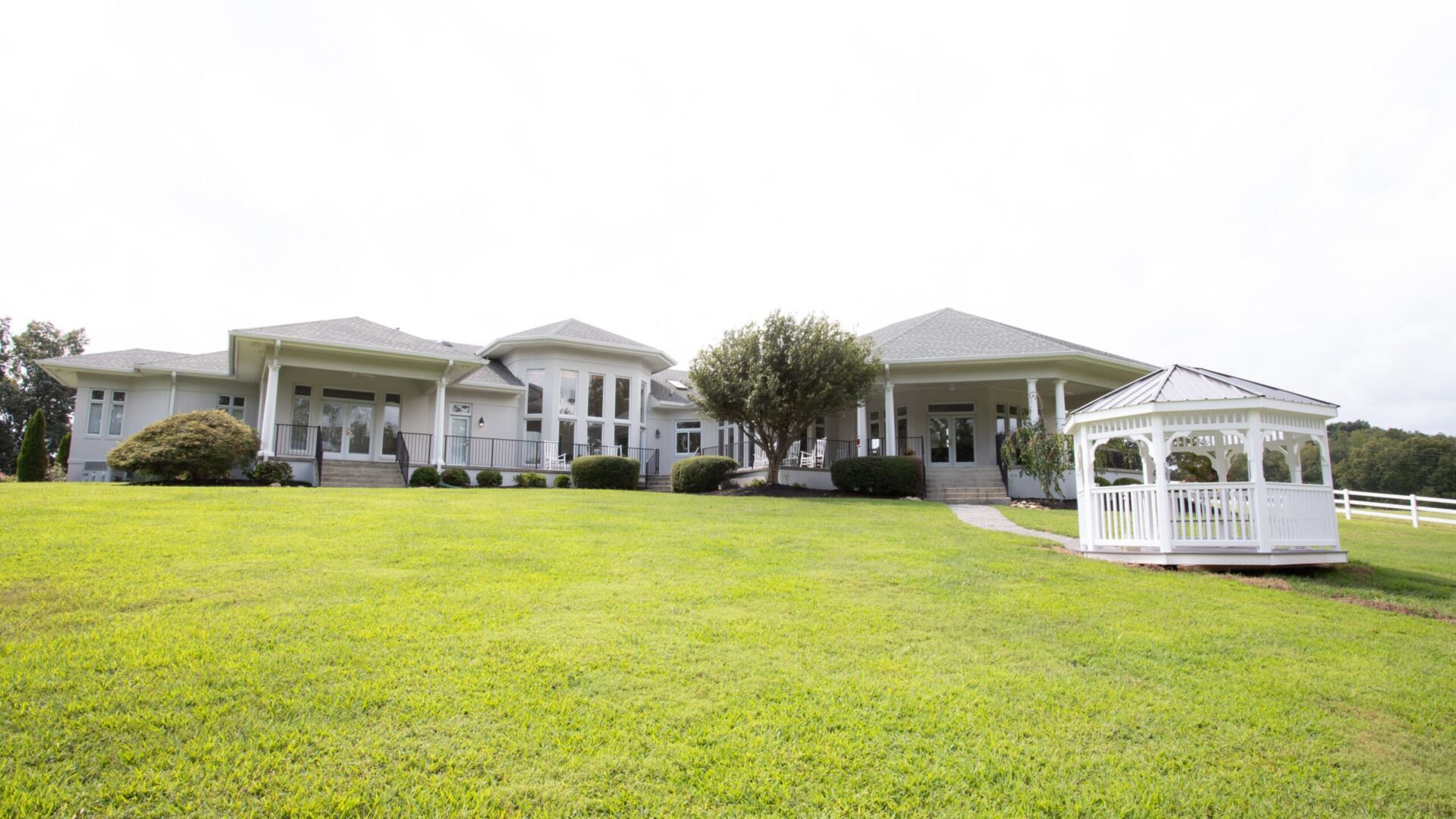

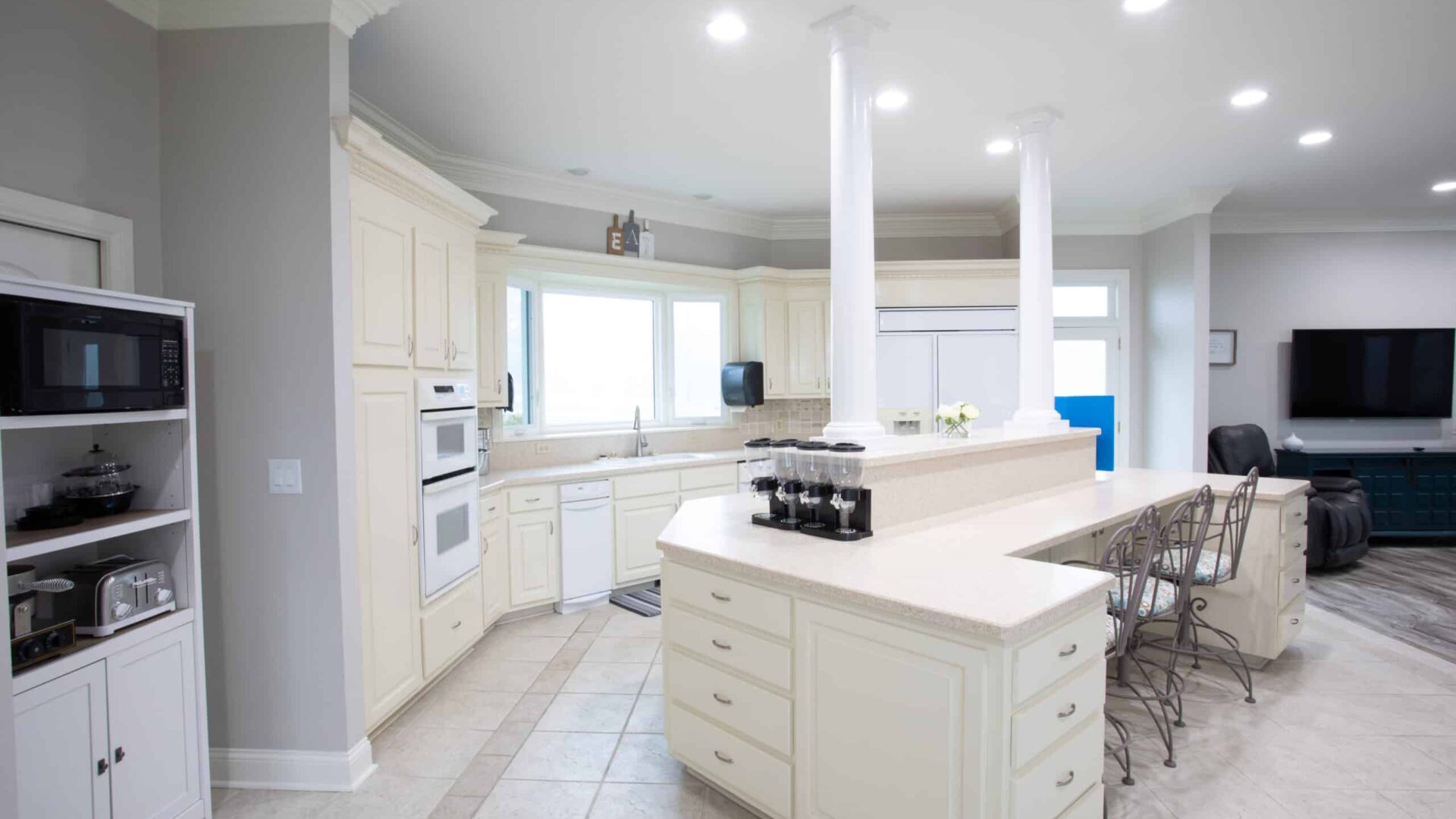
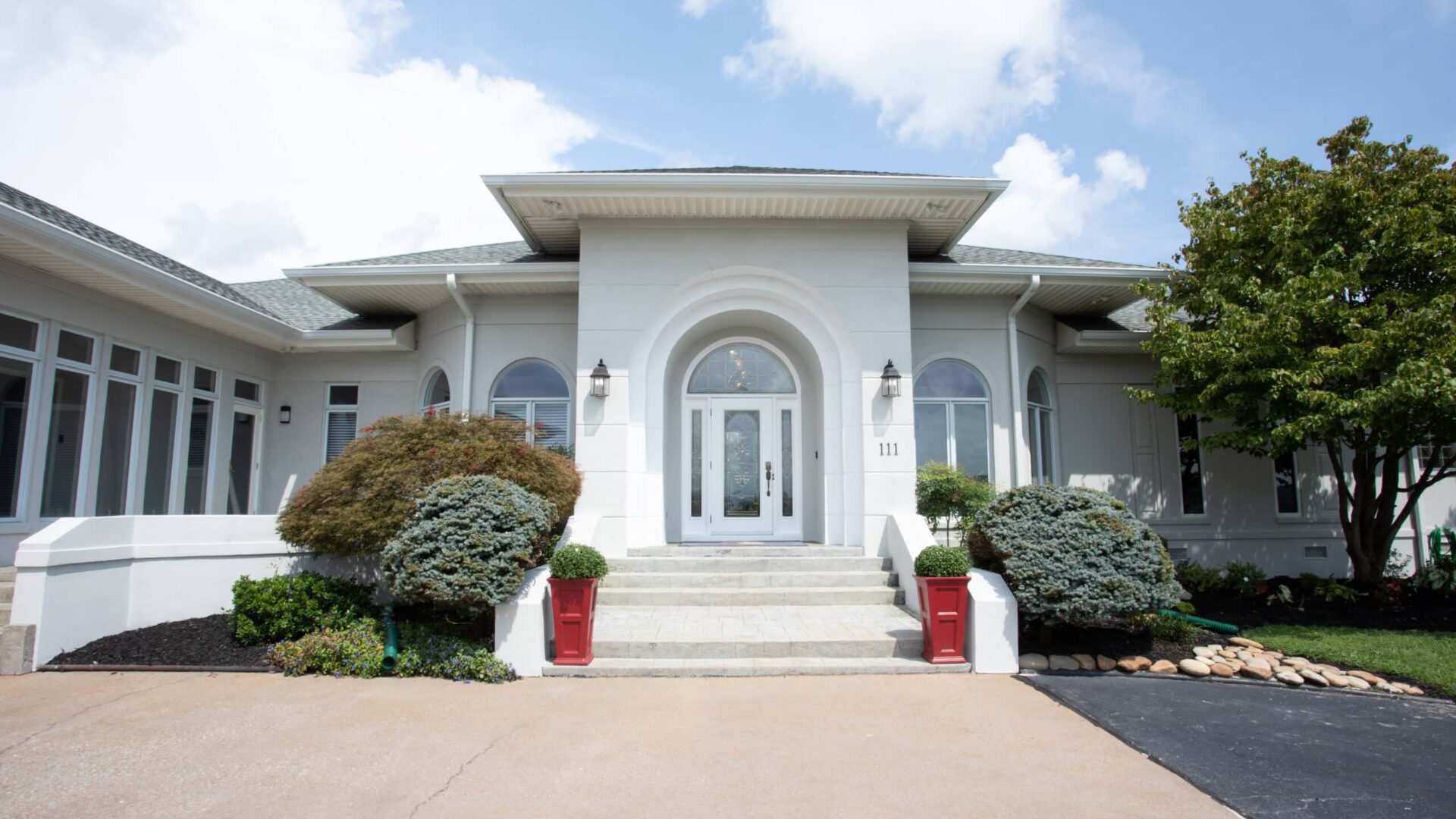



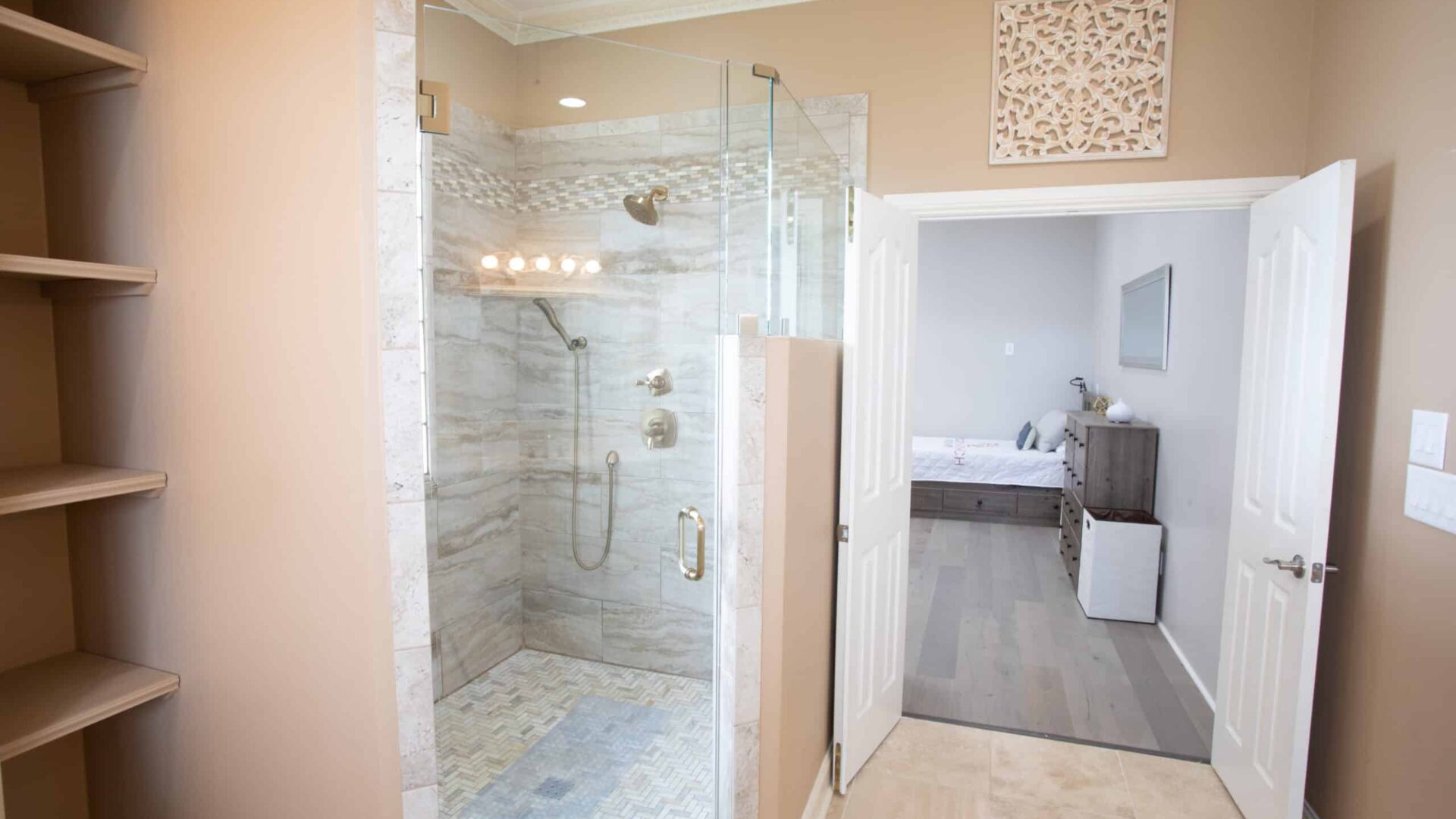

Magnolia Ranch Recovery 11 photos
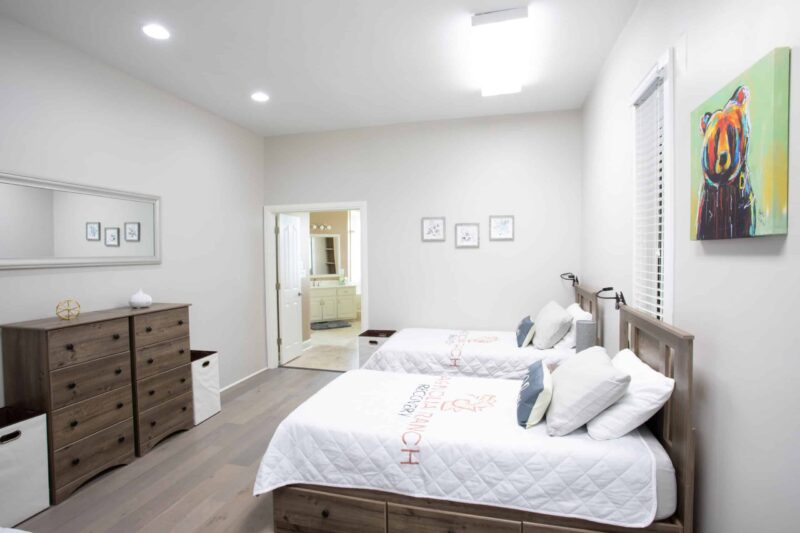
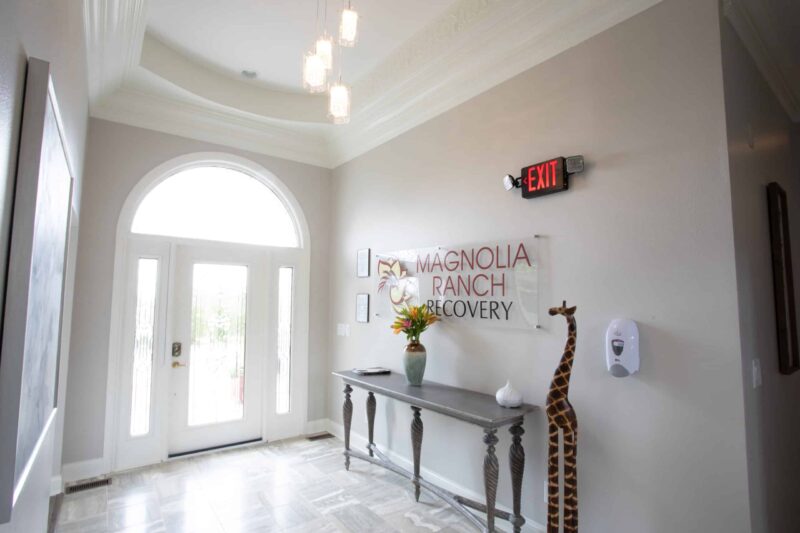
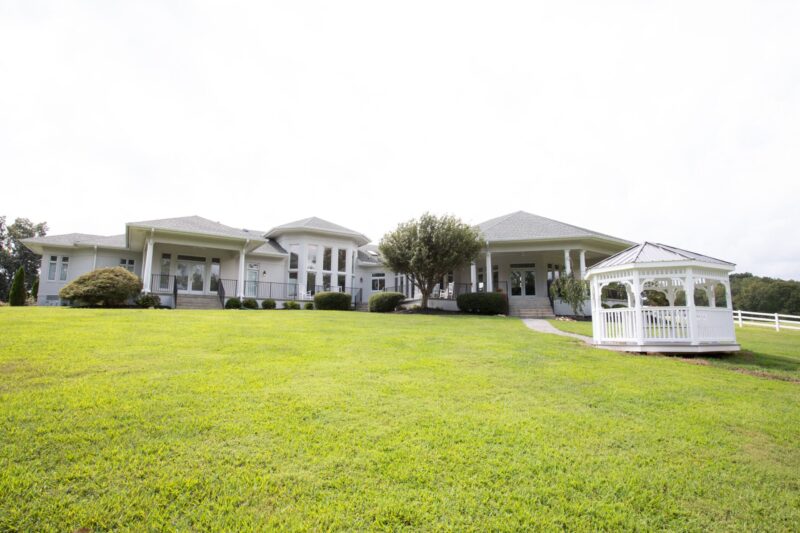



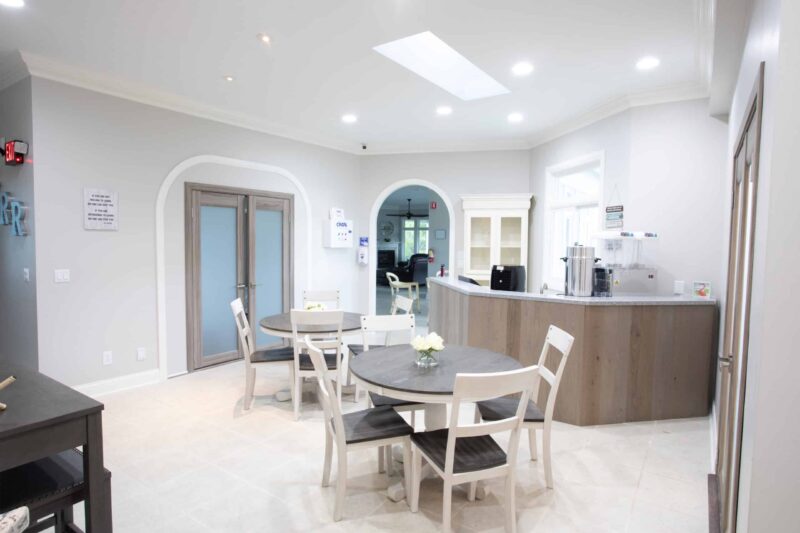

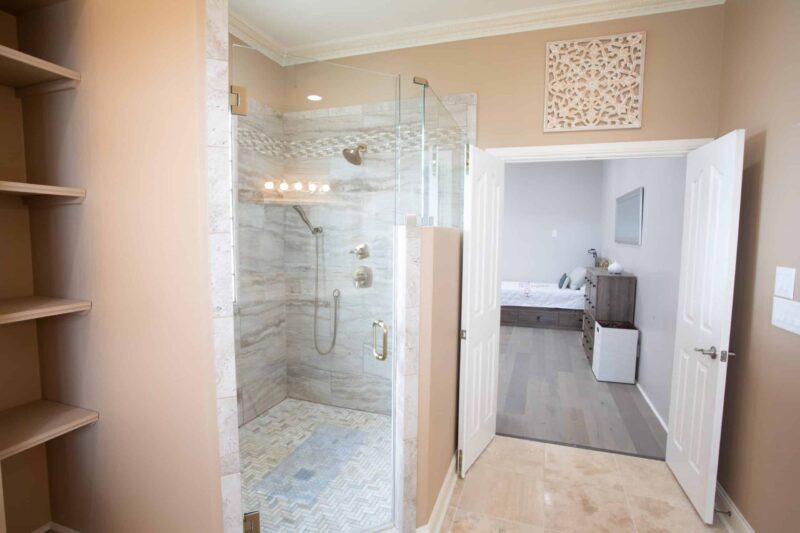
Magnolia Ranch Recovery is a private residential drug and alcohol treatment center at 111 Strip Mine Road in Pulaski, Tennessee. The provider’s homepage describes a 25-bed residential mansion, individualized programming and up to 45 days of treatment based on clinical need; room counts and acreage differ between its current pages and should be confirmed.
Current program information includes CBT, DBT, experiential and equine therapy, art and recreational therapy, case management, family support, relapse prevention and aftercare. Its medical-detox page contains mixed wording: it says Magnolia works with leading Tennessee detox centers, while also describing 24-hour supervision at Magnolia. Prospective clients should therefore confirm in writing whether detox would occur on the Pulaski campus or at a partner facility.
The provider accepts many private insurance plans, offers confidential benefit verification and mentions self-pay options. Coverage and out-of-pocket cost are plan-specific; no standard residential price is published.
Magnolia describes an individualized residential schedule
The Magnolia Ranch Recovery homepage describes a residential substance-use program in Pulaski with individual therapy, group work, and experiential activities. It lists three individualized therapy sessions each week and describes eight hours of programming daily, seven days a week. Within that overall schedule, it identifies approximately 25–30 weekly hours as clinical treatment. These distinctions matter when comparing a full residential day with time spent directly in therapy.
A prospective resident can ask for a sample weekly timetable showing individual appointments, clinician-led groups, meals, recreation, and unscheduled time. Also establish how the schedule changes during an initial assessment, illness, or a clinically necessary adjustment. A timetable is more useful than a large total-hours claim when deciding whether the balance of structure and rest is suitable. The advertised range of activities should be understood as the provider’s program description; an individual treatment plan still needs to specify which services the person will actually receive.
Confirm room arrangements and the current residential setting
Magnolia’s amenities page describes a large residential house, semi-private accommodations, outdoor space, and facilities for shared activities. Its room and acreage figures differ from the homepage: this page lists five semi-private rooms and more than 40 acres. Those differences mean a reader should obtain the current room configuration directly rather than treating every published capacity figure as interchangeable.
Ask how many people share the proposed bedroom, whether bathroom arrangements are shared, and whether the available space accommodates any mobility or medical needs. Photos can help someone understand the environment, but they do not establish which room will be assigned or how many residents will be present. A written accommodation description is especially useful if privacy is a deciding factor. Shared bedrooms also make daily routines, storage, roommate expectations, and the process for raising a concern practical parts of the admission discussion.
The sample day needs a current timetable beside it
The provider’s day-at-Magnolia description presents a structured routine beginning with a walk, meditation, breakfast, and morning goal setting before group work. Afternoon activities may address wellness, grief, anger, creative expression, or other life skills, with evening recovery meetings and a closing review. It describes treatment lasting up to 45 days according to clinical need, rather than a required identical stay for everyone.
This page also labels 56 weekly hours as clinical therapy and gives different figures for additional weekend therapy. Those statements do not form a consistent numerical timetable across the website. Ask admissions to distinguish clinical appointments from the wider daily program and explain what is currently scheduled on weekends. The useful question is how the planned activities address the resident’s assessed needs and how progress will be reviewed. Clarify who can recommend extending or shortening a stay, how that affects authorization, and what preparation happens before the resident leaves.
Detox location and receiving responsibility require clarification
Magnolia’s medical-detox page contains two different descriptions of delivery. It says the organization works with leading Tennessee detox centers while elsewhere describing round-the-clock supervision at Magnolia. This does not clearly establish where a particular admission involving withdrawal would take place. The profile therefore retains that uncertainty rather than presenting all detox services as confirmed on the Pulaski campus.
Before arranging travel, request the name and address of the receiving service, which clinical team will assess the person, and whether a transfer is expected before residential treatment. Ask who coordinates that transfer and how records and medication information move between teams. If the residential admission is conditional on completing another level of care, that condition should be explicit in the plan and financial estimate. A general detox description cannot determine an individual’s suitability or replace a clinical assessment of the appropriate setting. The published discussion is also not a personal withdrawal timetable.
Residential participation extends beyond individual appointments
The residential rehabilitation page describes staying on the premises overnight and participating in a therapeutic program throughout the week. Its examples include individual and group work, life skills, art, nutrition, relapse prevention, family-related work, and recovery meetings. It also lists yoga, meditation, music, and optional equine activities. Those options describe a mixed residential routine rather than one continuous individual therapy session.
The page mentions a one-hour individual therapist meeting but does not, in that passage, establish a complete recurring appointment schedule. Confirm the assigned therapist, appointment frequency, and process for reviewing the treatment plan. Someone uncomfortable with a particular experiential activity can ask what alternatives are available and how participation is decided. Because the program involves living alongside other residents, shared-space expectations and how staff handle interpersonal difficulties are relevant too. Ask which activities are clinician-led, which are recreational or educational, and which are optional within the proposed plan.
Co-occurring mental-health needs are considered with substance use
Magnolia’s dual-diagnosis description discusses treating substance-use problems alongside mental-health concerns such as depression, anxiety, bipolar disorder, or trauma-related symptoms. The provider presents an individualized approach, with counseling and other supports chosen around the person’s circumstances. Listing a diagnosis on a service page does not establish that every level of severity or every medical presentation is appropriate for this residential setting.
An assessment should therefore explain both the substance-use goals and the mental-health needs that the team proposes to address. Ask which professionals will participate, how medication-related questions are handled, and how care is coordinated with an existing psychiatrist or therapist. It is also useful to discuss what would happen if symptoms require a different level of support during the stay. The person should understand the limits of the receiving program before admission, including whether specialist consultation or outside appointments would need separate arrangements. Shared goals help make the combined plan understandable.
Equine activities need a clear role in the treatment plan
Magnolia’s equine-assisted therapy page describes activities involving horses, including care, groundwork, riding, and group exercises. It presents them as ways to explore communication, responsibility, and relationships alongside other treatment. The provider’s descriptions of benefits should not be treated as a guarantee of recovery or proof that equine work is suitable for every resident.
A useful admission discussion identifies which activities are currently offered, who supervises them, and what qualifications are relevant to the specific session. Ask how the team handles fear of animals, allergies, mobility limitations, or a preference not to ride. Working around a horse and riding one are different activities, so a photograph does not establish the required form of participation. The person can also ask how observations from an experiential session are discussed in therapy and how an alternative activity would serve the same goal. This keeps the activity connected to the individual plan rather than making it an attraction with an assumed clinical result.
Family sessions can take place remotely or in person
The family-program page recommends weekly family therapy and describes sessions at the clinical offices or by phone or video. Its description includes the resident and a licensed therapist, with topics such as boundaries, enabling patterns, family trauma, and relationships affected by substance use. The page says this work is incorporated into most individualized programs, which is different from requiring identical participation in every case.
Before inviting relatives, discuss consent, who the resident wants involved, and whether joint meetings are appropriate for the relationships concerned. A remote option may reduce travel demands, but the time, participants, privacy arrangements, and purpose still need agreement. Ask whether family members receive preparation before a session and whether separate support is available when a joint conversation would be unhelpful. Family work should have a defined place in the resident’s plan, including what information may be shared and what remains confidential. Attendance alone does not resolve every family conflict or establish that reconciliation is the goal.
Case management focuses on practical plans after residence
Magnolia’s case-management description starts with a review of a resident’s background, education, employment history, and future goals. It explains that the case manager helps develop a plan for moving from residential care toward a more independent routine. The page also describes later contact in person or electronically to review progress and practical difficulties.
For someone whose treatment interrupts work or study, ask which specific tasks the case manager can assist with and which require outside professionals. A plan may need to address appointments, transportation, documents, employment discussions, or access to community services; the responsibilities should be agreed rather than assumed. Establish how long follow-up is offered, how to arrange it, and whether any service has a separate cost. Practical planning can complement therapy, but the provider’s goals for employment and stability do not guarantee a job, income, or a particular outcome. A written list of next actions can make the transition easier to follow.
Aftercare is an individualized arrangement, not one fixed package
The aftercare page describes ongoing support after residential treatment, whether a person moves into a lower level of care or returns to everyday life. Its examples include communication with a therapist, occupational counseling, outside support groups, and further therapy where appropriate. The page emphasizes a plan developed with the resident’s counselor or therapist rather than publishing one universal schedule for all graduates.
Before discharge, ask for the actual appointments, referral names, and contact arrangements proposed for the next few weeks. Clarify which services Magnolia provides directly and which belong to another organization, as well as any registration, eligibility, or payment requirements. A recommended group is different from a confirmed appointment, and continuing contact does not automatically mean unlimited clinical care is included in the residential fee. People returning to another region should discuss whether local or remote follow-up is feasible. The plan should explain how it will be reviewed if circumstances or support needs change after leaving.
Insurance verification should identify both the plan and the facility
Magnolia’s insurance-verification page lists several commercial insurers and describes a complimentary benefit check, an individualized evaluation, and a treatment recommendation. It also says recommendations may involve Magnolia’s Tennessee residence or a partner facility. That distinction matters: an initial admissions conversation does not by itself confirm which organization will deliver or bill for the eventual treatment.
Ask for the receiving facility’s name, the proposed level of care, authorization requirements, and an estimate of the resident’s responsibility before committing to travel. A statement that insurance may cover treatment does not guarantee payment for every service or day. Confirm whether room charges, outside appointments, medication, transport, and later care are included in the estimate or considered separately. If the recommendation involves a partner, repeat the benefit check for that facility and program. Same-day availability is an advertised possibility, not a promise that a suitable, authorized place will be available for a particular person.
Packing rules should be reconciled before arrival
The provider’s packing guidance recommends seasonal clothing and durable footwear suitable for a working horse-ranch environment. It asks for prescription medication in original labeled bottles and restricts personal electronics with Wi-Fi or Bluetooth capability, including phones and laptops. These rules are relevant for anyone expecting to work remotely or manage personal affairs during residence.
The same page gives inconsistent directions about some over-the-counter medicines, supplements, and aerosol products, describing controlled storage in one place and prohibitions elsewhere. Obtain an updated approved-items list before packing, and have medication questions reviewed by the receiving clinical team. Do not change prescribed treatment simply to fit a website checklist. Ask how necessary communication with family, employers, or other clinicians is arranged without a personal device. Also clarify the handling of valuables and items placed in storage. A current written list will be more practical than relying on a general description of the ranch as a retreat-like environment.
Official provider information reviewed October 19, 2026. Published room, acreage, timetable, detox-location, and packing details contain differences that require direct confirmation. Service availability, suitability, financial terms, and individual arrangements should be agreed with the receiving team.
Contact: 111 Strip Mine Road, Pulaski, TN 38478 · 888-992-7955 · info@magnoliaranchrecovery.com. Checked October 15, 2026 against the official provider website, program-duration page, medical-detox page, aftercare page and insurance-verification page.