ARCH Academy

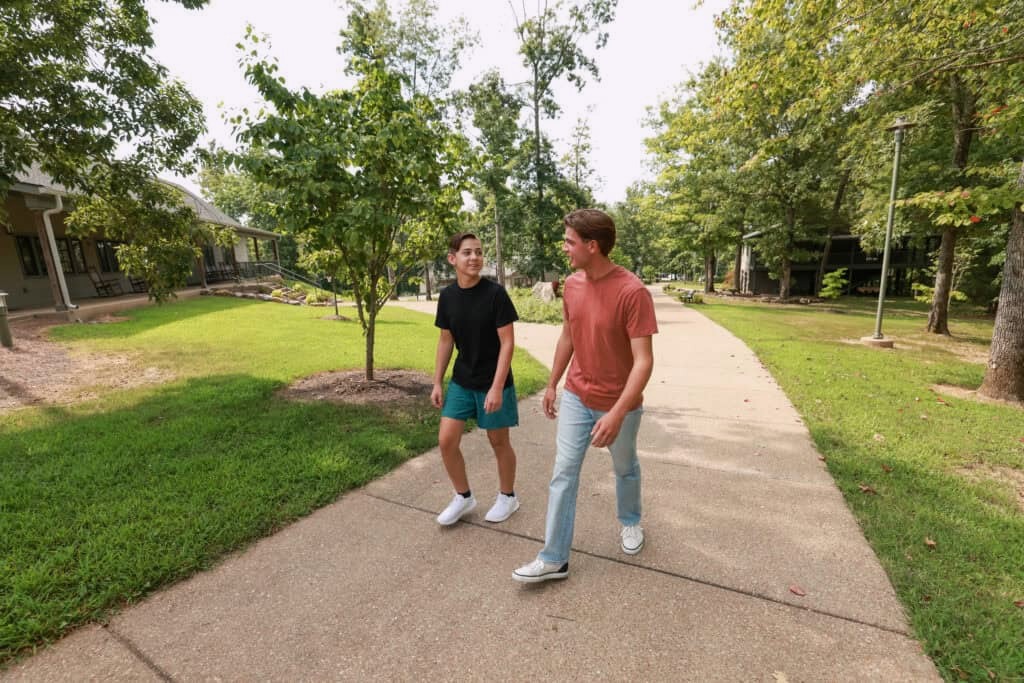

ARCH Academy 3 photos



Comparison facts and sources
Cumberland Heights adolescent substance-use program for boys and girls ages 14–17, with separate gender-specific residential campuses and a Nashville intensive outpatient program. · Harpeth Campus: 1062 Highway US-70, Kingston Springs, TN 37082; Ridgeview Campus: 686 Ridgeview Drive, Pegram, TN 37143; Music Row IOP: 1619 17th Avenue S, Nashville, TN 37212
- Published fee information
- Quote required
- Before admission
- ARCH serves adolescents ages 14–17 who are physically and emotionally stable enough for its programs. Campus, placement, duration, authorization and personal cost require individual confirmation.
- Continuing care
- The alumni program provides continued connection through regular check-ins, peer support, community events and a weekly Wednesday Zoom meeting; no fixed end date is published.
Source record · October 15, 2026
Current official provider identity, residential and IOP campus scope, eligibility, program duration, insurance and alumni support checked October 15, 2026. Image reuse rights were not assessed or claimed.
Luxury rehab comparison · Fees and inclusions · Selection methodology
Provider overview
ARCH Academy, operated by Cumberland Heights, provides substance-use and co-occurring mental-health treatment specifically for adolescents ages 14–17 near Nashville, Tennessee. It is not a general adult rehabilitation center.
Campus-specific care
- Harpeth residential campus in Kingston Springs for adolescent boys
- Ridgeview residential campus in Pegram for adolescent girls, opened in 2025
- Music Row intensive outpatient program in Nashville
- Academic support, family care, adventure activities and alumni services
Admission follows a clinical assessment and program placement depends on age, stability and treatment need. The current FAQ says most residents stay three to four months, recommends at least 90 days, and notes that some residents finish in 30–45 days. ARCH says it is in-network with more than 40 commercial insurance providers and offers confidential benefit verification; it does not publish one standard self-pay fee. Call 866-834-2962 to confirm campus, educational arrangements, authorization and personal cost.
ARCH is an adolescent program with several receiving locations
The ARCH Academy overview presents a Cumberland Heights program built around recovery, academics, and adventure. It serves teenagers rather than offering an adult residential retreat. Its residential campuses and Music Row outpatient service have different locations and different day-to-day commitments.
Families should identify the receiving campus at the start of the conversation, particularly when a referral uses only the Cumberland Heights or ARCH name. A residential placement means living away from home with a treatment and school routine; an outpatient plan involves attending sessions while continuing life outside the program. Neither should be selected simply because an address is convenient or a campus looks appealing. Explain the teenager’s substance use, mental health concerns, school situation, and current support so the team can assess the appropriate service. The proposed plan should identify the program, clinical responsibilities, family involvement, and educational arrangements before travel or a school withdrawal is organized.
Eligibility centers on substance use and co-occurring needs
The current eligibility page identifies adolescent boys and girls ages 14 to 17 with substance-use concerns, including co-occurring mental health needs. It describes a residential fit that requires sufficient physical and emotional stability to participate and willingness to engage with the recovery community.
This scope should not be expanded into a promise to manage every psychiatric or developmental presentation. Depression, anxiety, ADHD, or trauma may be part of the assessment, but a list of co-occurring concerns does not make ARCH an acute psychiatric hospital. Share the seriousness of current symptoms, previous treatment, medical needs, and any difficulty participating in a group setting. Ask the assessing clinician whether those needs can be managed at the proposed campus or require another service first. An adolescent’s treatment plan should account for age and development rather than assume the same approach used for adults. Admission remains a clinical decision, separate from an initial inquiry or insurance check.
Residential treatment combines school, therapy, and daily structure
The residential program description identifies Ridgeview and Harpeth as the two campuses outside Nashville. It describes individual and group therapy, academic support, recreation, reflection, and medical and psychiatric care within a planned daily routine. Counselors, recovery mentors, educators, and medical professionals contribute different parts of that program.
The structured environment is a substantial change from attending a weekly appointment at home. Before admission, discuss the actual timetable, how therapeutic and school demands are balanced, and who will respond when the teenager struggles with participation. The provider describes a shared programming approach across the campuses, but that does not establish identical rooms, current staffing, or availability. Ask how the accepted placement will accommodate specific learning, physical, or emotional needs. Families should also understand how progress is reviewed and communicated. A daily schedule can provide a useful picture of treatment, but it cannot guarantee a particular outcome or show what an individual teenager’s final plan will contain.
The recovery approach uses phases rather than one fixed endpoint
The treatment approach page describes three stages: stabilization, growth, and transition. It gives a minimum of 30 days and a three-to-six-month average range, with movement through the stages based on the teenager’s needs. It also describes psychiatric evaluation when needed during the first week and medication decisions involving parents or guardians.
These are program descriptions, not a prescribed stay for every adolescent. The site’s different published duration ranges make an individual recommendation and review schedule especially important. Ask what must be achieved before moving between phases and how school, home support, and continued clinical needs influence discharge. A recommendation to extend treatment should be explained in relation to the teenager’s progress and circumstances, including the practical and financial implications. Medication questions belong with the responsible prescriber; the general approach page does not identify a medicine or dose appropriate for a particular young person. Transition planning should begin before the final phase is reached.
The residential FAQ explains shared living and communication
The program FAQ describes most residential stays as three to four months, recommends at least 90 days, and notes that some residents complete care in 30 to 45 days. It also describes cabins with shared bedrooms and bathrooms. That accommodation example should be confirmed for the assigned campus and current placement; it is not a private-room promise.
The FAQ recommends leaving cell phones with parents or placing them in secure storage. Phone and video communication is limited to immediate family, with letters used for other connections. Its parent guidance describes an initial settling-in period before the first call home and treatment-team decisions about visits. Discuss how an adolescent can raise a concern privately and how the family will receive updates. The FAQ also makes clear that ARCH is not a locked hospital-style facility. Its supervision arrangements and clinical admission limits should be understood before treating residential placement as a substitute for emergency psychiatric care.
Academic planning depends on the student’s existing school record
The academic program page describes instruction for grades eight through 12, credit recovery, and coordination with a student’s home school. Some students remain enrolled at home, while others enroll at ARCH. The provider identifies APEX Learning coursework, certified teachers, weekly progress reports, and educational planning based on grades, records, and assessed needs.
Discuss the exact courses and how completed work will be recognized before admission. ARCH reports Cognia accreditation and an approved HiSET testing role, but an accreditation statement does not guarantee that every credit or accommodation will transfer in every situation. Families should involve the receiving school in that conversation. Graduation and testing options depend on eligibility and requirements, rather than treatment attendance alone. For students who have already completed high school, the page describes enrichment, life skills, and community service. The educational plan should therefore match the teenager’s actual stage and next step, not assume that all residents need the same classroom program.
Family care includes an intensive program and continuing support
The family care page describes a two-day intensive facilitated by an adolescent family therapist at the Harpeth campus. Themes include addiction education, communication, boundaries, parenting, family roles, and relatives’ own recovery. It also identifies online parent support and continuing family work after a transition to a lower care level.
Its published visiting guidance links campus visits to completion of the family intensive and the adolescent reaching 30 days, with arrangements made by the therapist. Confirm how those rules apply to the actual campus and individual plan, particularly when relatives cannot travel. The intensive is a structured part of family care, not a guarantee that relationships will be repaired or a requirement to ignore unresolved safety concerns. Discuss who should participate, what information may be shared, and whether some conversations should happen separately. Continuing support for parents is distinct from the teenager’s clinical appointments and should have its own clear schedule and purpose.
Adventure activities are part of a wider therapeutic routine
The adventure therapy description lists experiences such as hiking, canoeing, recovery-community activities, and volunteering. It also describes trips to the main Cumberland Heights campus for facilities such as a climbing wall, gym, and disc golf. These are examples across the program’s activities, not amenities necessarily located at every ARCH residence.
Ask which activities are currently offered and how participation is adapted for medical conditions, disability, confidence, or previous difficult experiences. An activity’s therapeutic purpose should be explained rather than judged only by how adventurous it sounds. The page describes community service as another way to practice connection and responsibility, including projects involving gardens, parks, and local organizations. Current opportunities depend on the program and community partners. These experiences complement clinical and academic work; they should not replace needed assessment or become evidence of a guaranteed recovery result. Families can request a realistic picture of the weekly balance between treatment, school, activity, and rest.
Music Row IOP allows treatment without a residential stay
The Music Row intensive outpatient program is a separate pathway for adolescents who can participate while continuing school and family life. It may support a transition from residential care or provide structured outpatient treatment when that level is appropriate. The provider describes several therapy sessions weekly and a telehealth option for people in Tennessee.
Confirm the current in-person or remote timetable and whether it fits the teenager’s clinical needs and home circumstances. Telehealth availability does not remove the need for an assessment or establish eligibility from another state. Families should know what support exists between sessions and who to contact if functioning worsens or a more intensive service is needed. A residential discharge should not assume automatic acceptance or an immediate opening in IOP. Agree on the receiving clinician, first appointment, school arrangements, and any continuing medication care. The outpatient program’s flexibility concerns its setting and schedule; it is still an active treatment commitment.
Admissions coordinate clinical assessment and practical planning
The admissions process starts with a conversation about the teenager’s history, current challenges, and treatment needs. If the program appears suitable, a fuller clinical assessment reviews substance use, mental health, medical history, and family background. Arrival planning follows approval and includes logistics and financial arrangements.
Prepare relevant records and a concise account of what has changed, including previous treatment and the concerns that prompted the referral. A parent, school counselor, therapist, or physician may see different aspects of the situation, so the assessment should have enough information to reconcile them. Ask which records and permissions the team needs and who will communicate with existing professionals. The first phone conversation is not the same as a confirmed placement. Before arranging travel, obtain the accepted campus, arrival instructions, packing requirements, and point of contact. Any uncertainty about clinical fit should be resolved through assessment rather than by committing to accommodation or a fixed treatment period first.
Insurance verification should identify the actual authorized service
The insurance and finances page offers confidential benefit verification and describes help with authorization, deductibles, copayments, and other personal costs. Its role is to clarify the particular policy and proposed treatment, not to establish a single price for every family.
Request an estimate that names the campus, level of care, anticipated period, and services included. Network participation and an initial authorization do not necessarily fund every recommended day or additional service. Ask how continued reviews are handled, what happens if coverage changes, and when a family would need to approve further personal expense. For self-pay treatment, obtain the program rate and payment terms directly rather than extrapolating from an insurer’s allowance. Educational, medical, transport, and follow-up arrangements should be clarified where they affect the quote. The clinical recommendation and financial authorization are related decisions, but one should not be assumed to settle the other automatically.
Alumni connection is separate from continuing clinical care
The alumni community page describes continued peer connection after treatment, including a weekly Wednesday Zoom meeting and opportunities to reconnect through events and community participation. The emphasis is on relationships with people who understand the experience of recovery.
Before discharge, distinguish that community support from the teenager’s next therapy appointment, prescribing follow-up, and educational transition. An alumni meeting does not establish access to a clinician between sessions or replace an agreed plan for a change in symptoms. Confirm current meeting times, participation requirements, and how a young person can remain connected after returning home. A teenager moving into a different age group or away from Tennessee may need a different local service even while maintaining alumni relationships. The useful discharge plan identifies who will provide each part of continuing care, when it begins, and how the family and adolescent will communicate with the receiving team. Alumni involvement can then fit alongside those arrangements.
Official provider information reviewed October 19, 2026. Confirm the adolescent’s clinical fit, receiving campus, current duration recommendation, academic transfer arrangements, family schedule, and individual authorization or self-pay terms. Published credentials and program descriptions are provider statements.
Official sources
Checked October 15, 2026: ARCH Academy, programs, residential programs, eligibility, program FAQ, insurance and finances, alumni community, and campus contacts.