Recovia Mesa Baywood
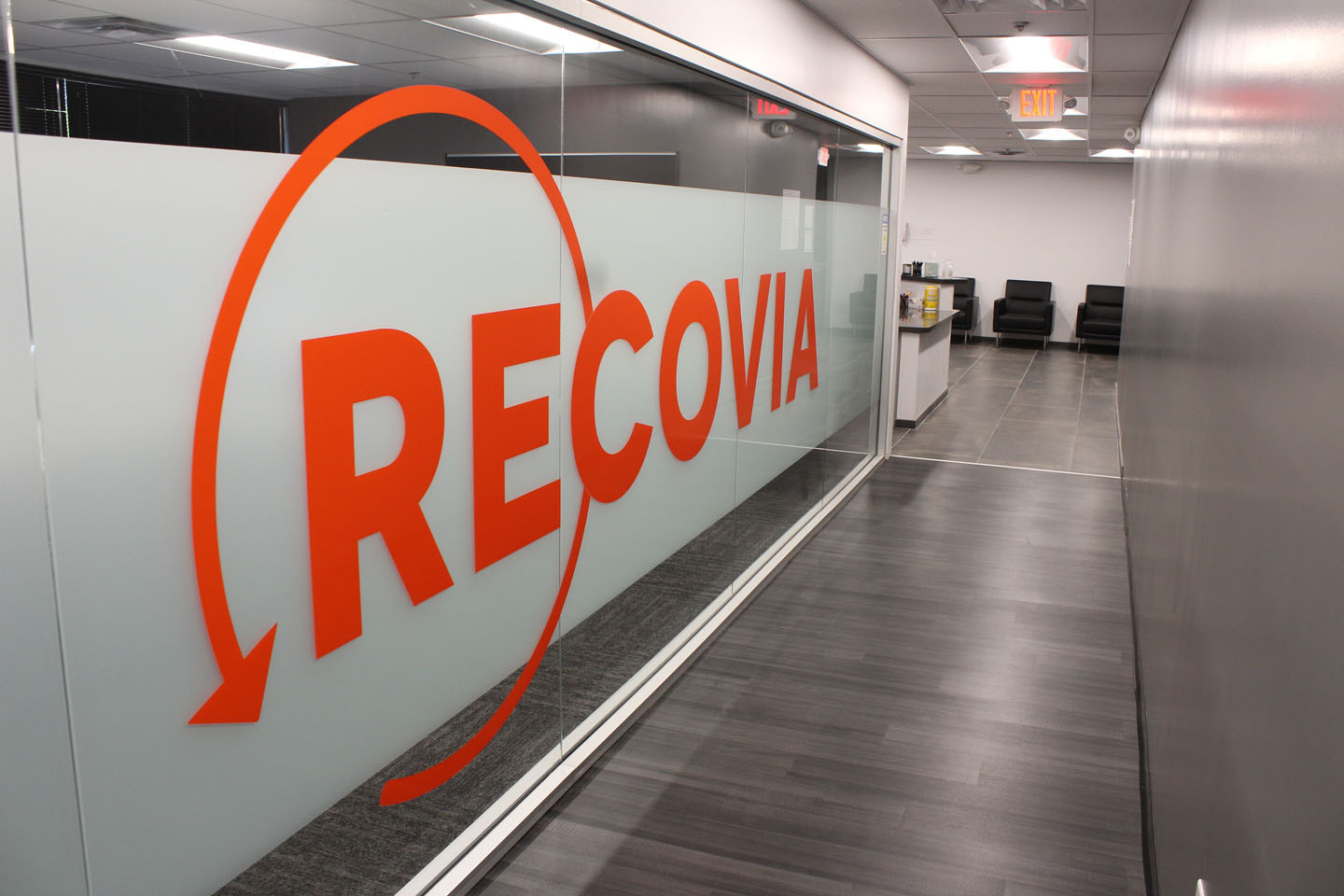
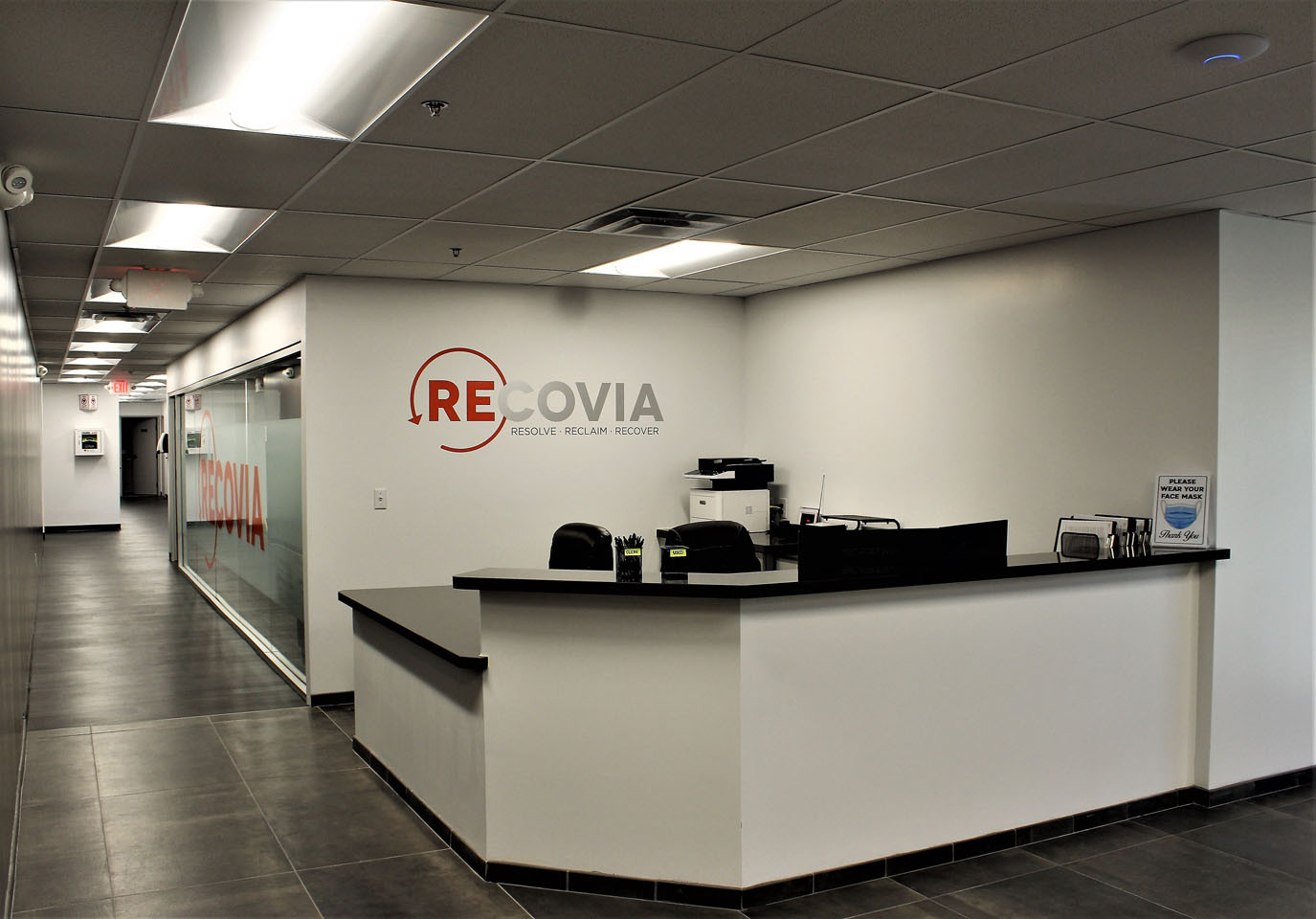
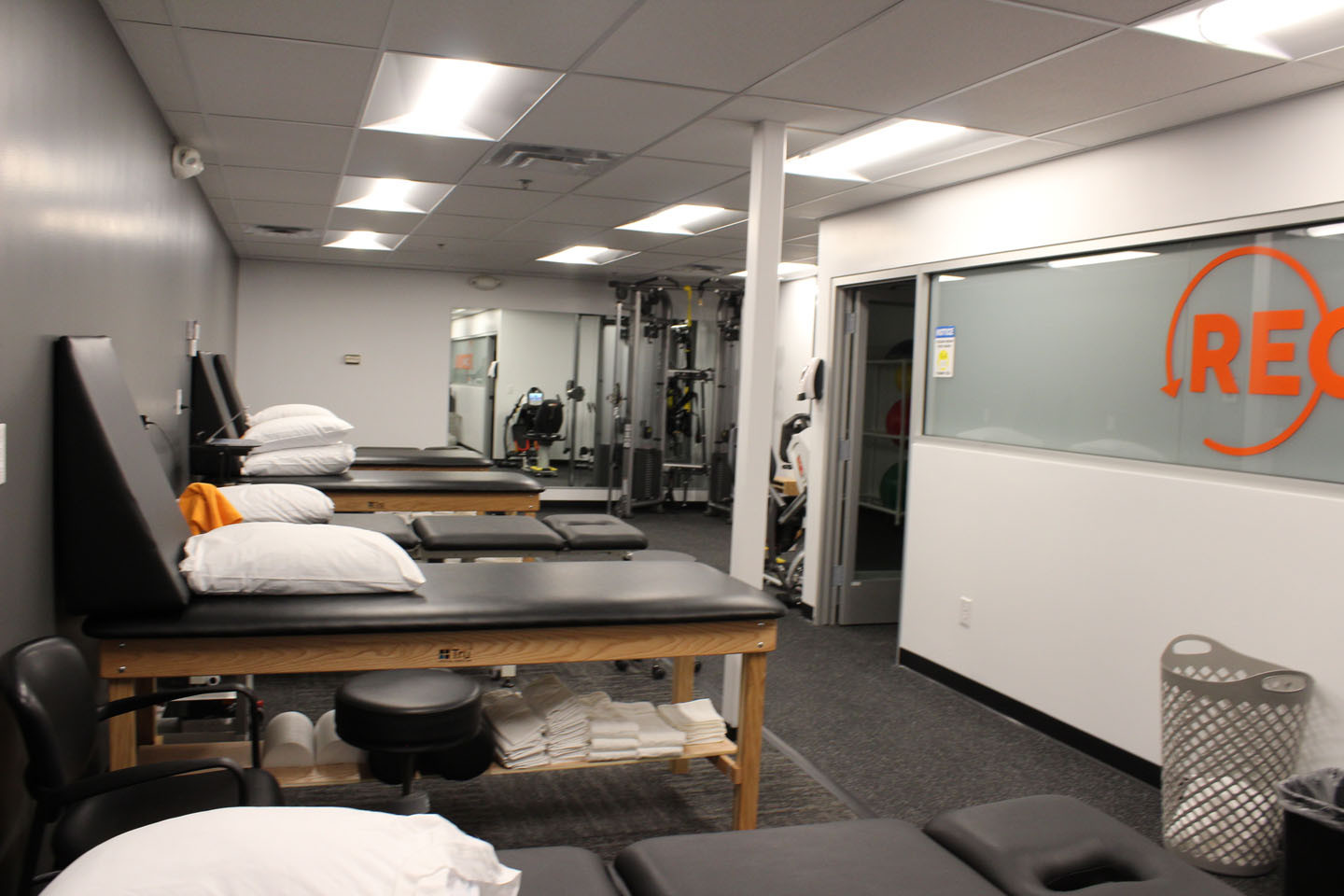
Recovia Mesa Baywood 3 photos

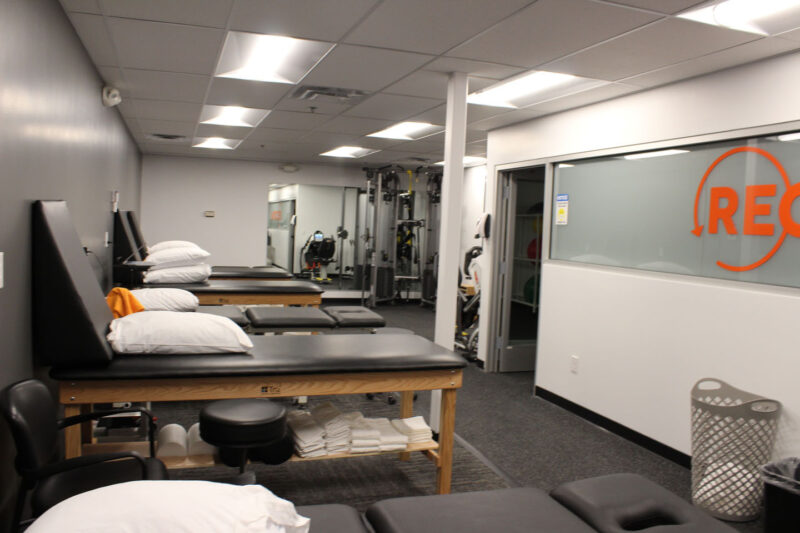
Recovia Mesa Baywood is an outpatient clinic at 6553 E Baywood Ave, Suite 209, Mesa, Arizona. It treats chronic pain, mental-health concerns and substance use when clinically appropriate through an integrated team of behavioral-health clinicians, physical therapists and medical practitioners. This profile describes the Mesa Baywood clinic, not Recovia’s full Arizona network and not a residential facility.
After a three-hour multidisciplinary evaluation, active outpatient care is typically scheduled two to five days per week for about six weeks, with three to four hours of care on treatment days. Plans are individualized. Optional supportive care usually follows on a tapered schedule of about 12 sessions over six months. Arizona-wide virtual care is also available.
Mesa Baywood is one outpatient clinic within the network
The Mesa Baywood location page identifies a clinic in the Baywood medical area of Mesa, with directions to a second-floor suite near Banner Heart Hospital. That nearby hospital is a landmark, not evidence that Recovia operates inpatient beds there. The location page describes integrated behavioral, physical and medical care delivered through outpatient visits. Patients return to their own living arrangements between treatment days.
Confirm the exact arrival instructions, accessibility arrangements and appointment location before the first visit. If a referral mentions Recovia generally, ask whether the evaluation and subsequent treatment will both take place at Mesa Baywood or involve another service. This profile should not be used to assume that every network location offers an identical schedule or has the same clinicians available. The relevant comparison is the actual outpatient plan and team assigned to the individual, rather than the size of the wider organization.
Evaluation, active care and supportive care have different schedules
Recovia’s program guide describes an initial three-hour evaluation involving behavioral health, physical therapy and medical assessment. Active care is generally presented as two to five days weekly for about six weeks, with three to four hours of treatment on attending days. These figures explain the potential time commitment; the individual plan can differ after assessment. Ask how the evaluation findings will determine the recommended frequency and which goals will be reviewed.
The guide then describes optional supportive care on a tapered schedule, typically around 12 sessions over six months. Behavioral and physical sessions continue, with medical input when needed. Confirm whether this phase is appropriate, how it is authorized and what happens if needs change before it ends. Active and supportive care should be compared as separate commitments, including transportation, work arrangements and expected patient costs, rather than combined into a guaranteed fixed-length package for everyone.
First-day practicalities are part of treatment preparation
The provider FAQ describes meeting the different members of the care team and preparing for a visit that can include both conversation and physical activity. Comfortable clothing and suitable shoes are therefore more practical than dressing only for a brief medical appointment. The page also discusses lockers and bringing items needed during the treatment day. Ask what medication information, snacks or other personal supplies are appropriate for the scheduled visit.
The FAQ makes clear that detox services are outpatient. If a referral is primarily for withdrawal management, establish what monitoring is available during appointments, what happens between visits and whether another setting is needed. The integrated program should also be distinguished from a request for an isolated prescription appointment. A tour or preliminary discussion can help clarify these expectations, but clinical acceptance and the appropriate level of care still depend on assessment rather than on a general description of the service.
Virtual care has an Arizona-specific service footprint
The virtual-care page offers remote access across Arizona using a phone, tablet or computer. It presents behavioral, physical and medical components within the same broad integrated approach. This may reduce the travel involved in attending a clinic, but the published Arizona scope should not be interpreted as permission to receive the service from any state or country. Confirm eligibility if the patient travels, moves or spends part of the year elsewhere.
Discuss the equipment, internet connection and private space needed for sessions, along with any physical activities that must be adapted to the home environment. Ask which assessments can be completed remotely and when an in-person visit or another medical service would be necessary. A virtual appointment is also different from continuous observation at home. The plan should explain how to contact the team between scheduled sessions and what to do if symptoms require more urgent or intensive care.
Verify the particular insurance product and treatment phase
Recovia’s insurance information lists commercial coverage, AHCCCS, Medicare and workers’ compensation arrangements. It also gives product-specific qualifications; for example, its Blue Cross Blue Shield entry excludes Medicare Advantage. This is why a carrier’s name alone is insufficient to establish coverage. Confirm the exact plan, clinic, program phase and services that will be billed before relying on a general in-network statement.
The initial evaluation, active treatment and later supportive care may require separate clarification. Ask about authorization, visit limits, deductibles, copayments and how any change in frequency affects personal responsibility. The provider also describes cash-pay and payment options, which should be documented in an individual agreement. Where an insurer and the clinic give different information, resolve the discrepancy before treatment begins. A benefits check can help estimate costs, but it does not guarantee that every future session or proposed extension will be paid.
Chronic-pain care emphasizes function and coordinated support
The chronic-pain program describes a noninterventional approach combining behavioral strategies, physical therapy and medical review. Its examples include education, movement, breathing, mindfulness and approaches to daily functioning, with medication decisions made clinically. A prospective patient should understand that this is not presented as a procedural pain clinic offering every injection, surgery or other intervention. The proposed treatment needs to match the cause of pain, current limitations and any other specialist care.
Discuss concrete goals such as tolerating daily activities, improving movement or participating more consistently in work and home life. Ask how exercises will be adapted and how progress will be measured without assuming pain will disappear. Share existing investigations and treatment plans so the team can coordinate rather than duplicate care. Listed activities such as yoga, tai chi or dry needling should be confirmed as appropriate and available for the individual, not treated as compulsory or universally effective components.
Practical barriers can be discussed before enrollment
Recovia’s page addressing treatment concerns discusses flexible scheduling, adapting physical activity and the challenge of fitting a program into everyday life. It also notes that some AHCCCS plans may provide transportation. These details are worth exploring before deciding whether repeated outpatient attendance is realistic. Confirm ride eligibility with the actual plan and establish a backup for days when transportation is unavailable.
Explain work hours, caregiving responsibilities and physical limits during planning. The team should be able to distinguish a necessary attendance requirement from an appointment time that can be adjusted. The page also discusses medication-related goals, but these should become an individual prescribing plan rather than an assumption that every patient must reduce or stop a medicine. If another clinician manages a long-term prescription, agree on how decisions will be coordinated. Practical flexibility is useful only when the resulting schedule still delivers the level of care recommended after assessment.
The integrated model depends on communication between disciplines
The organization’s overview describes a biopsychosocial model in which physical health, emotional concerns and everyday behavior are considered together. Behavioral clinicians, physical therapists and medical practitioners contribute different perspectives. The value of that structure depends on how they communicate about the same patient, rather than simply on having several professions listed on a website. Ask how the findings from each assessment become one understandable treatment plan.
Individual and group work may address coping skills, relationships, stress and the effects of symptoms on daily life. A patient should know which clinician is responsible for each part and how concerns raised in one session reach the others when appropriate. Existing outside clinicians may also need information, with consent. The program’s use of multiple approaches is not a guarantee of a particular outcome; its suitability is better assessed through the proposed goals, clinical responsibilities and plan for reviewing progress.
Mental-health support does not include every psychiatric service
The mental-health page describes outpatient support for concerns such as anxiety, depression and trauma-related difficulties within the integrated model. It also states limits on the medical component: the program does not provide psychiatry or mood-stabilizing psychiatric medication management. Those boundaries matter when someone already relies on a psychiatrist or has symptoms requiring specialist assessment. Do not assume that joining the program transfers every aspect of psychiatric care to Recovia.
Discuss existing diagnoses, prescriptions and recent changes in symptoms before enrollment. Clarify which medications the medical team can manage and which must remain with an external clinician. The treatment plan should identify referral options and continuity if additional psychiatric support is needed. No medication should be changed simply to fit a marketing description of a program. The question is whether the available outpatient services can safely complement the person’s current care and meet the needs identified in assessment.
Substance-use treatment requires a clear prescribing arrangement
The substance-use program describes outpatient withdrawal support, behavioral treatment and medication options selected after clinical assessment. Its discussion of buprenorphine includes both starting treatment and ongoing maintenance, rather than describing every medication as a brief detox aid. Prospective patients should clarify who prescribes, how follow-up is scheduled and how care continues if attendance or insurance changes.
The published examples are not instructions for managing withdrawal independently. Tell the team about current substances, prescriptions, previous withdrawal complications and any recent medical care. Ask what level of monitoring is available, which circumstances require another setting and how urgent concerns are handled outside appointment times. Someone needing inpatient stabilization should have that addressed through an appropriate service. For a suitable outpatient patient, the useful detail is the coordinated plan for medication, counseling and follow-up, including communication with existing clinicians rather than an assumption that one standard taper fits every situation.
Recovia’s official location and program information reviewed October 19, 2026. This profile remains specific to Mesa Baywood. Confirm the assigned service, current availability, clinical suitability, coverage and personal charges.
Compare Arizona treatment options and mental-health treatment.
Recovia’s detox services are outpatient and may use medication-assisted treatment plus behavioral therapy; people who need inpatient or medically supervised residential withdrawal care should not interpret this listing as that level of service. The provider says it is in-network with almost all commercial, AHCCCS, Medicare and workers’ compensation plans in Arizona and also offers flexible cash-pay and payment options, subject to individual authorization and benefits. Sources checked October 13, 2026.