Purpose Healing Center


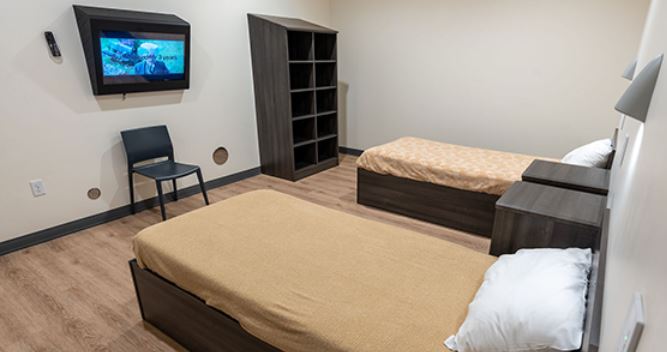
Purpose Healing Center 3 photos


Purpose Healing Center operates separate addiction and mental-health programs in Scottsdale and Phoenix, Arizona. Its current continuum includes medical detox, residential/inpatient treatment and outpatient care, including IOP. The Phoenix location specifically provides medically assisted detox.
Purpose treats alcohol and substance-use disorders, trauma, mental-health concerns and co-occurring conditions. This profile’s address is the Scottsdale administration/campus address at 8712 East Via de Commercio; the provider separately lists 1841 North 24th Street in Phoenix, so individual services should be confirmed by campus. Personalized aftercare and relapse-prevention planning are described before discharge.
Confirm the receiving campus before arranging admission
The contact page identifies the Scottsdale address as an administration building. That distinction matters when arranging an assessment, residential arrival, or outpatient appointment: the administrative address should not automatically be treated as the place where every clinical service occurs.
Obtain the actual program name, receiving address, arrival instructions, and assigned contact once assessment has established a suitable plan. If the proposed care involves more than one location, ask how records, medication information, transport, and financial approval are coordinated. A telephone inquiry about insurance is different from a confirmed admission. Someone arranging care for a relative should also clarify consent and what information can be shared. The practical plan should make it clear where the person will sleep, where appointments take place, and whether a later transfer is anticipated. This is particularly useful when researching a provider whose website describes several levels of care across Arizona.
Phoenix provides several levels of addiction care
The Phoenix program page describes medically assisted detox, residential treatment, PHP, and IOP, including care for co-occurring mental health concerns. Its published outpatient descriptions give nine to 12 weekly hours for IOP and 20–24 for PHP. Those figures should be checked for the actual cohort offered.
Ask which level is recommended and which services are delivered at the receiving Phoenix location. Individual therapy, groups, and medication management may have separate appointment arrangements within the plan. A broad continuum does not mean that everyone starts in detox or progresses through every stage. The provider describes help arranging airport transportation, but acceptance, collection details, and any charges should be agreed before travel. The useful comparison is the proposed schedule and clinical responsibility at each stage, rather than a general promise of flexibility. If treatment intensity changes, clarify whether the location, transport, or coverage arrangements also change.
Scottsdale schedules should be confirmed directly
The Scottsdale page describes inpatient and outpatient addiction care in a residential-style setting, with mental health support and behavioral therapies. For PHP it gives at least five days weekly, four to six hours a day. Its IOP description gives a minimum of nine weekly hours but also refers to three-to-eight-hour blocks and five-to-seven-day attendance.
Those IOP figures do not establish one clear weekly timetable. Request the current cohort’s actual days, start and finish times, and any additional individual or medical appointments. A person balancing treatment with employment or caregiving needs the full attendance requirement before relying on general statements about convenience. Confirm the particular Scottsdale premises, living arrangement if relevant, and therapy schedule. The program description should not be used to assume every client receives the same combination of services or that a home-like environment provides an exclusive private residence. The assessment and written plan should specify what is being offered.
Medical detox is a separately assessed phase
The medical detox service describes continuous medical supervision, symptom monitoring, and medication when appropriate. It states that room, board, and meals are part of its inpatient detox description. The clinical plan considers the person’s substance use, current condition, and other health needs.
The page gives a general three-to-ten-day range for detox, but an individual’s medical needs determine the actual course. Ask which receiving facility can manage those needs and how existing prescriptions will be reviewed. Medication used during withdrawal and longer-term treatment for a substance-use disorder should be explained separately. Do not independently stop or change prescribed treatment to fit an assumed admission rule. Purpose describes moving into further inpatient or outpatient care after stabilization; that next stage needs its own clear arrangements. Confirm the clinical recommendation, available placement, and charges rather than treating completion of detox as the end of all treatment or a guaranteed immediate transfer.
Residential options require a campus-specific proposal
The residential program page describes 30-, 60-, and 90-day options combining individual and group therapy, family work, medical interventions, meals, and activities. These are possible courses, with length selected through assessment and review. The page’s general Arizona cost range is not an individual Purpose quotation.
Its location list also retains opening-announcement language for Mesa and Tucson. Those labels do not, by themselves, confirm a currently operating residential campus or an available bed. Obtain the exact receiving address and current service details before making plans. Ask about room sharing, medical coverage, the balance of individual and group work, and any off-site appointments. The mention of a swimming pool or other amenities should be checked for the particular property, rather than applied to every location. A proposed duration should include review points and the next treatment step; it is not a guarantee that a condition will resolve within a fixed number of days.
PHP can address substance use or standalone mental health needs
The PHP description gives approximately four to six hours of treatment on five days each week. It describes daily groups and at least weekly individual therapy, with medication management, family work, and case-management support among the possible components. Purpose also identifies PHP as an option for standalone mental health concerns and trauma.
That breadth does not establish that every psychiatric presentation can be managed without overnight support. The assessment should address whether the person can manage outside program hours and what help is available at home. Ask for the actual timetable and identify any appointments beyond the group schedule. If transportation is offered, confirm the route, eligibility, and cost. The person should know who reviews progress, how the plan changes, and what would prompt a higher level of care. PHP should be selected for its assessed clinical fit rather than simply because it appears more convenient than a residential stay.
IOP should have an understandable attendance requirement
The general IOP page describes treatment while living at home or away from the facility. It gives a minimum of nine weekly therapy hours, alongside broader session and attendance ranges. Groups, individual counseling, family work, education, and medication management may form part of the plan.
Confirm the current schedule in writing, including how hours are distributed and whether medical appointments are additional. The published ranges should not be treated as one guaranteed timetable for every campus. Purpose says the length of participation can vary from weeks to months and can be adjusted as needs change. Ask what the review process considers and how attendance changes are agreed. A workable outpatient arrangement also needs suitable housing, travel to sessions, and support between appointments. Moving to fewer hours should remain a clinical decision, with clear continuing-care responsibilities, rather than an automatic reduction based only on how many weeks have passed.
Mental health IOP is described for people 18 and older
The dedicated mental health IOP page describes ages 18 and above and identifies Scottsdale and Phoenix locations. Its timetable is five to seven days weekly, totaling nine to 15 hours of therapy according to individual need. It emphasizes stable housing, support outside sessions, and the ability to participate while living in the community.
This is not a program for minors merely because the page uses the phrase older adolescents before specifying 18 and up. It can be considered as an initial service or after a more intensive level of care, subject to assessment. The page describes a primary therapist, group and family work, and medication monitoring where needed. Ask who manages prescriptions and how those appointments relate to the therapy schedule. A person requiring an immediate safety assessment or continuous supervision needs that issue addressed before routine IOP is considered. The accepted plan should explain the actual program, attendance, and support arrangements.
Co-occurring care should address both sets of needs
The dual-diagnosis program describes assessment and coordinated treatment for a substance-use disorder and a mental health condition. It identifies inpatient services in Phoenix and Scottsdale and lists therapy, groups, family work, and medication management among the possible interventions.
Discuss prior diagnoses, symptoms during different periods of substance use, previous treatment responses, and current medicines. The team should explain what is understood, what remains uncertain, and how assessment continues during treatment. A website’s diagnostic categories do not establish an individual diagnosis or prove that one concern caused the other. Clarify which professionals are responsible for psychiatric care and addiction treatment, and whether additional medical support is needed. Medication decisions should be individualized rather than based on a blanket assumption that prescribed treatment conflicts with recovery. The discharge plan should continue addressing both conditions, with identified clinicians and appointments rather than separate recommendations that leave responsibility unclear.
AHCCCS coverage requires checking the exact plan
The AHCCCS information describes accepting multiple Arizona Medicaid plans for detox and treatment services. It discusses inpatient, outpatient, and continuing support and offers individual benefits verification. This is a useful access route to explore, but it does not establish identical benefits for every plan or program.
Ask the admissions team to check the person’s current coverage, proposed facility, and recommended level of care. Clarify any authorization, referral, renewal, or documentation needed, along with possible personal responsibility. Clinical acceptance and payer approval should be understood as separate steps. If the plan includes moving between detox, residential treatment, and outpatient sessions, ask how coverage is reviewed at each stage. A general statement about low or no out-of-pocket cost should not replace a case-specific explanation. The person should know which services have been approved and whom to contact if the treatment recommendation or insurance circumstances change.
Medicare and private insurance have different arrangements
The current provider overview states that Purpose accepts many private insurance policies and nearly all AHCCCS plans, while not accepting Medicare at this time. It describes individualized programs and aftercare planning across the organization. Those broad statements do not provide a complete financial agreement for a particular admission.
Verify the actual insurance product and program before assuming that a familiar payer name establishes coverage. Ask for the proposed duration, expected personal cost, and a list of any services billed separately. An advertised possibility of full coverage is not a guarantee of payment. For self-pay, request the applicable treatment estimate and terms rather than using a general rehabilitation cost range from an educational article. The clinical recommendation should identify the appropriate level of care first; the financial review should then explain how that specific plan is funded and what happens if it changes.
Benefits verification should produce a useful written estimate
The insurance guide offers a review with admissions and insurance staff to understand coverage for treatment. It notes that policies vary and that different care levels involve different considerations. The guide also discusses working with plans outside its network relationships, which still requires individual confirmation.
Ask what the verification has established and what remains provisional. The estimate should identify the receiving facility, approved services, expected dates, deductible, copayment or coinsurance, and any exclusions. An insurer’s general behavioral health benefits do not automatically authorize every proposed service or cover its entire cost. If the care plan includes outside clinicians, medication, laboratory work, housing, or transport, establish how each is handled. Obtain the contact for further billing questions and the process for updating the estimate if treatment continues longer than first expected. A preliminary telephone discussion should not be mistaken for a final insurer payment decision.
The staff directory does not replace a personal care assignment
The staff directory identifies clinical leadership, utilization review, admissions, case-management, and other organizational roles. These functions contribute differently to treatment and access. The appearance of a professional or medical reviewer on a network page does not establish that the person will personally provide every client’s clinical care.
Ask who will conduct the assessment, oversee medical decisions, provide the principal therapy, and coordinate discharge. Clarify whether those roles remain the same across campuses or levels of care. A utilization or admissions contact can help explain approval and scheduling, while prescribing and clinical decisions belong with the assigned professionals. If a particular expertise or treatment approach is important, confirm its availability in the actual proposed program. The person should also know how to raise questions about the plan and how different team members communicate, so that clinical, practical, and financial responsibilities remain understandable throughout treatment.
Alumni support complements continued clinical care
The alumni program describes support groups, social activities, workshops, a private Facebook group, recovery coaching, and aftercare resources. It also offers help finding other groups in the Maricopa area when its own meetings are not convenient. The current calendar and participation arrangements should be obtained from the alumni team.
Decide which resources fit the person’s needs and which ongoing services require clinical appointments. Peer contact and social activities should not be treated as substitutes for therapy, prescribing, or urgent assessment. Ask what coaching involves, whether it has a fee, and how privacy is managed in digital groups. The page’s broad commitment to continued support does not establish unlimited free treatment or a guaranteed response at every hour. Before leaving an intensive program, identify the next clinician, appointments, and practical support alongside any alumni activities. That makes the transition more concrete than relying only on a promise of continued community connection.
Provider information reviewed October 19, 2026. Confirm the actual receiving campus, current opening status where announcements remain online, program timetables, medical responsibilities, and individual coverage or self-pay terms with Purpose.
Admissions lists 480-579-3319. Purpose accepts nearly all AHCCCS plans and many private plans in network, but states that it does not accept Medicare; benefits, patient responsibility, self-pay cost, duration and tax treatment require individual confirmation. Sources: provider overview, levels of care, Phoenix program and campuses and contact, checked 2026-10-13.