Sierra Tucson
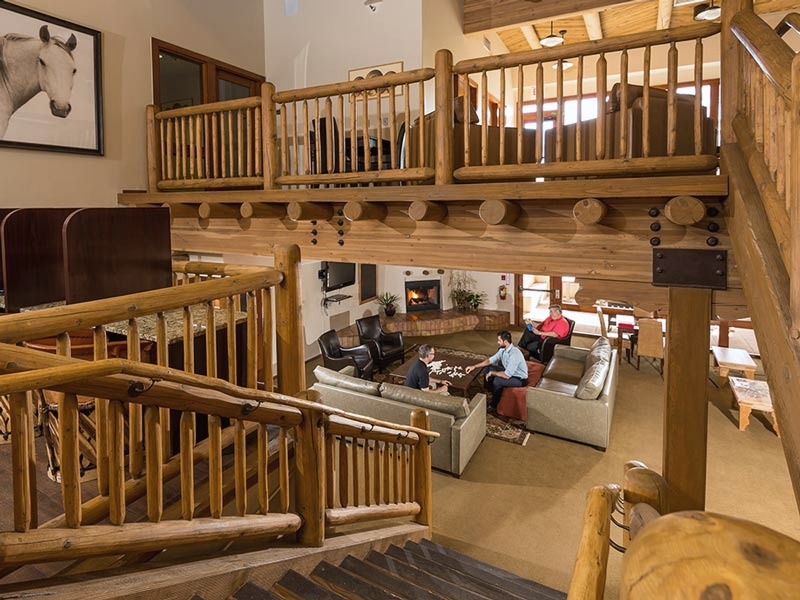


Sierra Tucson 3 photos



Comparison facts and sources
Adult residential and outpatient behavioral-health treatment for substance use, trauma, mood and anxiety, chronic pain and co-occurring conditions. · Tucson, Arizona, United States
- Published fee information
- Quote required
- Before admission
- The provider does not publish one standard stay length or universal fee. Coverage varies by plan and most major payers are handled on an out-of-network basis.
- Continuing care
- Connect365 supplies a recovery coach, support team and secure app for one full year after residential treatment at no additional cost.
Source record ·
Provider-published information checked October 14, 2026.
Luxury rehab comparison · Fees and inclusions · Selection methodology
Provider overview
Sierra Tucson provides residential addiction and behavioral health treatment for adults in Tucson, Arizona.
Treatment and setting
Published services include detox and stabilization, residential treatment, outpatient care, comprehensive assessment and Connect365 continuing care. The provider describes Connect365 as one full year of recovery-coach and app-based support after treatment. Specialties include substance use, mood and anxiety disorders, trauma and PTSD, and co-occurring conditions. The campus address is 39580 S. Lago del Oro Parkway, Tucson, AZ 85739.
Admissions and costs
Treatment cost varies with length of stay, detox needs, accommodation and insurance coverage. Additional integrative therapy packages may cost extra. The provider states that Medicare and Medicaid are not accepted. Request an individual cost estimate and benefit verification before admission.
How residential treatment is organized
Sierra Tucson’s residential program description places adults in a structured setting that combines clinical treatment, medical support, and scheduled activities. Its published scope includes addiction, mood and anxiety disorders, trauma, and co-occurring concerns. The team develops an individual plan after assessment; a diagnosis on the website does not by itself establish whether this particular level of care is appropriate. Listed approaches include cognitive behavioral therapy, dialectical behavior therapy, EMDR, Somatic Experiencing, psychodrama, and medication management when indicated.
The provider describes registered nursing staff on site around the clock and says discharge planning begins at admission. That combination matters when comparing Sierra Tucson with a therapy retreat or a program offering only scheduled appointments. The proposed plan should identify the clinical work expected during the stay, the medical support available, and the criteria for moving to less intensive care.
Admission criteria and the assessment conversation
The admissions process starts with a telephone screening and a review of the person’s needs. Sierra Tucson lists a minimum age of 18, the ability to carry out activities of daily living, and willingness to participate actively among its admission criteria. The clinical review considers substance use, psychiatric and medical history, previous treatment, and social circumstances. Financial review and insurance verification also form part of the process before arrival.
These criteria help explain why an inquiry cannot be reduced to selecting a room and paying a deposit. Someone who needs substantial assistance with everyday activities should discuss that need explicitly. The screening is also the place to clarify recent hospital care, existing prescriptions, accessibility requirements, and the treatment goals of the person seeking help. Acceptance should follow the team’s assessment of those circumstances.
Bedrooms, shared spaces, and campus activities
The provider’s rooms and amenities page describes semi-private bedrooms with full bathrooms in Southwestern-style lodges. This is a shared residential environment, so someone seeking an exclusively private residence should understand the room arrangement before comparing prices. Published campus facilities include a swimming pool, a gym, sports courts, walking paths, a labyrinth, and communal dining. The setting also includes spaces for experiential activities such as equine work and a ropes course.
The practical distinction is between the accommodation available during ordinary daily life and activities included in a clinical schedule. A photograph of a climbing wall or a horse does not establish that every resident will use it. Discuss physical limitations, comfort with shared bedrooms, and the suitability of proposed activities during screening. An agreed room type and any required accommodations should appear in the admission arrangements.
Medical detox and stabilization before therapy
Sierra Tucson locates its detox and stabilization service in the Copper Sky building on campus. The service includes medical assessment, physician-directed care, medication management where appropriate, and continuous nursing coverage. Its description distinguishes this initial phase from residential psychotherapy: clients in stabilization are not expected to participate in the individual, group, or experiential therapy schedule while they are being medically stabilized.
The provider describes one to three days as typical for this phase, while making clear that actual duration depends on medical needs, substances involved, and co-occurring concerns. That figure should not be used to predict an individual’s withdrawal course or total stay. Once the team considers the person ready, care may continue in a residential lodge. Admissions should explain how stabilization, subsequent treatment, and their respective costs fit together in the proposed admission.
Who oversees medical and clinical care
The published staff directory identifies Dr. Mark J. Helms as Medical Director and Ashley Morneweg, BSN, RN, as Director of Nursing. It also lists psychiatrists Dr. Jennifer Bao and Dr. Eric Hansen, alongside counseling, clinical-services, case-management, and other specialist roles. Those distinct responsibilities help readers understand that medical oversight, day-to-day nursing, psychotherapy, and discharge coordination are separate parts of the service.
A public team roster does not establish that a particular professional will personally treat every resident. During the assessment, clarify who will be responsible for psychiatric review, who will act as the primary therapist, and how information is shared between disciplines. If ongoing care depends on a particular area of expertise, ask how that expertise will be provided within the person’s actual treatment plan. Staff details here reflect the provider’s own current directory.
The separate comprehensive assessment option
Sierra Tucson also publishes a Comprehensive Assessment Program lasting at least five days. It brings together psychiatric, psychological, and medical evaluation to clarify a person’s presentation and recommend an appropriate next step. The provider describes it as an option when a diagnosis or treatment direction remains uncertain, previous care has not produced sufficient progress, or a professional referral requires a more detailed assessment.
This is a distinct service to consider alongside a residential treatment admission. Its main purpose is evaluation and recommendations, rather than assuming that a short assessment completes treatment. Where appropriate, stabilization or detox may form part of the clinical course. Before booking, establish what reports or feedback will be provided, who may receive them with consent, and whether continued care would require a separate agreement. That is especially relevant when the person’s regular clinician will use the findings to plan treatment closer to home.
Trauma and PTSD within the treatment plan
The provider’s trauma and PTSD service describes individualized residential support that considers the person’s history, current symptoms, and treatment goals. Its account includes attention to difficulties that can accompany trauma, such as anxiety, mood symptoms, and substance use. Clinical and integrative interventions are selected as part of the plan rather than presented as a single protocol for every resident.
For a person comparing trauma programs, the useful questions concern sequencing and support. The team should explain how it will assess readiness for trauma-focused work, what the early part of the stay will involve, and how ongoing symptoms will be addressed after discharge. Sierra Tucson’s range of listed services offers topics for that discussion, but does not establish that every intervention is indicated or that a particular outcome will follow. Prior treatment records can help the assessment focus on what remains unresolved.
Service Resiliency Unit for veterans and first responders
The Service Resiliency Unit, previously called the Red, White and Blue program, focuses on veterans and first responders. Sierra Tucson describes care for people affected by occupational trauma, substance use, depression, anxiety, moral injury, sleep difficulties, and challenges returning to everyday life. The populations named include veterans, police officers, firefighters, emergency medical technicians, and healthcare professionals.
The provider places this service within a continuum that can include Copper Sky stabilization, residential treatment, partial hospitalization, intensive outpatient care, and Connect365. The appropriate starting point depends on assessment. A prospective client can use the dedicated program to discuss work-related experiences and the demands of returning to a particular role. Referral requirements, communication with an employer or referring clinician, and insurance authorization still need individual clarification; the existence of the unit does not establish automatic eligibility or funding.
Arrival arrangements and contact with work or family
Sierra Tucson’s preparation guidance describes arrival paperwork, releases of information, financial arrangements, a nursing assessment, and orientation to the residential setting. It also explains that requests to use electronic devices are reviewed by the clinical team. Approved use takes place at predetermined times or in designated settings, while business computer access and particular family or work calls are arranged around treatment.
This is relevant for someone whose employment or family responsibilities cannot simply be paused without planning. A resident should not assume unrestricted access to a laptop or a normal remote-working schedule. Discuss essential communications before travel, including who will handle urgent practical matters outside the program. The clinical team can then explain which arrangements are compatible with the proposed stay. Obtain current individualized arrival instructions from admissions, particularly for medication and travel arrangements.
What determines the total treatment cost
The official cost guidance does not give one cash price that applies to every admission. It identifies length of treatment, detoxification or stabilization needs, accommodation, insurance, and optional integrative services as variables. A short stabilization admission and a longer residential course therefore should not be compared using an assumed weekly figure taken from an unrelated program.
The most useful cost comparison is the proposed course of care for the same person. Ask admissions to identify the anticipated clinical phases, the accommodation covered, and any separately charged services in its financial estimate. If a treatment plan changes after assessment, establish how additional charges will be explained before they are incurred. This helps a family understand the difference between the initial estimate and the final cost without treating a general description of amenities as a promise that every option is included.
Insurance networks and payment responsibilities
Sierra Tucson’s insurance and payment page distinguishes its handling of many major insurers on an out-of-network basis from specific network agreements. Published examples of in-network arrangements include Blue Cross Blue Shield of Arizona, Carelon, and TriWest VA Community Care. The presence of an insurer’s name elsewhere on a payer list does not necessarily mean the same network relationship applies to every policy.
The provider says it prepares a financial outlook before arrival and does not accept Medicare or Medicaid. Confirm the exact insurance product, approved level of care, authorization requirements, and the person’s share of the cost. Optional integrative purchases should be identified separately. A benefits review is useful evidence for planning, but coverage for a particular stay depends on the plan and its decisions. Preserve the written estimate and any authorization details alongside the admission agreement.
What the included year of Connect365 provides
The Connect365 description gives more detail than a general promise of aftercare. Following residential completion, the provider offers 365 days of recovery coaching and relapse-prevention support at no additional cost. A dedicated coach, a client-selected support team, and a mobile app support the transition home. The page describes weekly communication with the coach, along with app-based check-ins, messages, tasks, and recovery-related resources.
The support team’s access is described separately from confidential communications with the coach, so participants should understand who can see which information. Connect365 should also be distinguished from a year of unlimited psychiatric appointments or emergency care; those are not the benefits described. Before leaving, confirm the planned coaching contact, the role of local clinicians, and what happens if more intensive treatment becomes necessary. The provider states that a second year of Connect365 carries additional fees.
Source check: October 18, 2026, for the additional provider details above.
Sources: Official provider website; current cost information; Connect365 continuing-care information. Public information checked October 5, 2026.