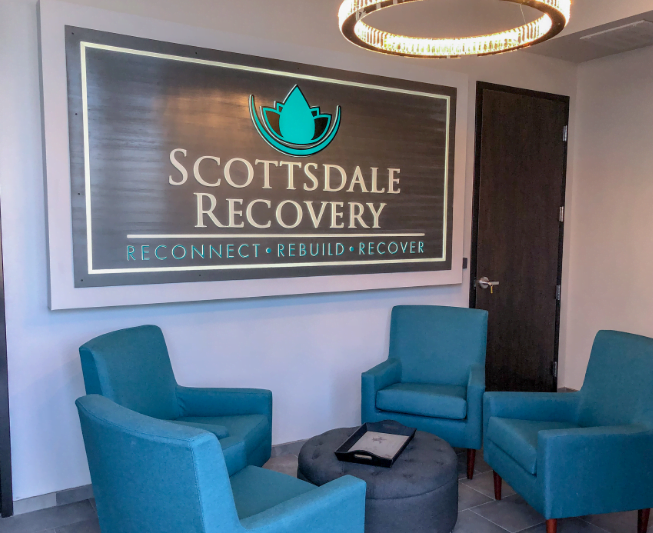
Finding an appropriate treatment program in Scottsdale
A Scottsdale rehab search can involve residential addiction treatment, a medical assessment, structured outpatient care, or help with mental health concerns alongside substance use. The first decision is the type of support required, not the appearance of a property or a standard advertised program length. Describe the current circumstances to a qualified professional and use the assessment to compare relevant services. The same city label can cover programs with different locations, schedules, and clinical responsibilities.
The directory includes Purpose Healing Center, Pinnacle Peak Recovery, and Scottsdale Recovery Center. It also retains a Pathfinder Recovery Center status profile with explicit verification limits. These records should be read individually. A directory count does not mean that every record represents a currently verified admission option or that the listed providers offer interchangeable care.
Purpose Healing Center's Scottsdale page describes detoxification, residential treatment, partial hospitalization, and intensive outpatient care, together with mental health services. The organization also publishes information about Phoenix. Ask which location and program are being proposed for the person being assessed. A network's wider service list should not replace confirmation of the specific receiving address, clinical team, and appointment or admission process.
Request an explanation of how the team chooses the recommended setting and reviews that decision over time. If the plan includes several stages, ask whether each occurs at the same location or involves a different team. Clarify what requires separate acceptance, insurance authorization, or transport. The existence of several program types does not establish that every person should complete the same sequence or remain in care for a predetermined number of days.
Pinnacle Peak Recovery's published continuum
Pinnacle Peak Recovery's intensive outpatient page places its IOP within a wider service range including detoxification, residential treatment, and partial hospitalization. It describes repeated therapy attendance while living outside a round-the-clock residential setting. Ask which clinical services and weekly hours are included in the actual offer, and how the team assesses whether that level of support fits the person's circumstances.
Do not interpret a provider's broad statements about availability or outcomes as an individual treatment prediction. Confirm the current assessment route, program opening, and receiving location directly. Ask how co-occurring mental health concerns are evaluated and which professionals take responsibility for them. A published continuum is most useful when the provider explains the part relevant to the patient and the practical conditions for entering it.
Scottsdale Recovery Center uses several settings
Scottsdale Recovery Center's program page lists medical detoxification, residential care, partial hospitalization, intensive outpatient programming, and evening IOP, along with medication treatment and family-related services. Its properties page makes clear that the organization uses several locations. Ask which property and service are included in the proposed plan rather than treating the brand as one building with every capability.
The organization identifies an outpatient clinic at 8149 North 87th Place. That address should not automatically be used as the arrival destination for another program or residence. Confirm the receiving location, transport arrangements, and who will meet the patient. If housing is part of an outpatient arrangement, ask whether it is operated, licensed, and billed separately from the clinical service.
Read the Pathfinder status note carefully
The directory's Pathfinder profile states that current admissions, residential care, detoxification, and other program details for the Scottsdale location have not been established. It distinguishes an existing provider identifier from evidence of an operating treatment service. This guide preserves that limitation rather than presenting the historical record as a confirmed active program. Review the linked status profile before relying on an old website, address, photograph, or directory category.
When a provider's identity or operating status is uncertain, establish the current legal operator, receiving location, relevant facility license, and admissions contact before treating it as a practical option. A historical acquisition announcement, an identifier, or a redirected domain may answer only part of the question. The next step should be based on current evidence about the actual service that would receive the person.
AHCCCS publishes information about accessing and locating treatment, including substance use and recovery services. Its behavioral health access guidance directs members seeking help identifying contracted services to their health plan's member services team or assigned clinic. Use the official information to explore the appropriate route rather than assuming a particular directory provider is covered by a specific plan.
Ask the relevant service or payer about eligibility, the assessment process, and any authorization needed for the proposed care. Record the next action and the person responsible for it. If a referral is suggested, confirm that the receiving provider has accepted it and that an appointment or admission is actually arranged. A list of possible services is useful background, but it is not a completed care plan.
Prepare for a clinical assessment
Provide a clear account of the current concern, recent substance use, prescriptions, physical health issues, previous treatment, and existing clinicians. Ask which records are required and how to share them securely. Explain how daily life has changed and what the person hopes treatment will help them accomplish. The assessment should connect those circumstances and goals to an appropriate setting and an understandable plan.
If help is being sought for alcohol use or another substance-related concern, the directory's alcohol treatment information and substance use guide offer further topics to discuss with a clinician. They do not determine admission suitability or provide instructions for withdrawal management. Where medical support may be needed, ask the responsible professional to coordinate with the receiving service.
Check clinical coverage and the actual schedule
Ask who will provide medical assessment, nursing, psychotherapy, medication-related care, and practical support. Establish which staff are physically present, which attend by appointment, and how concerns are handled outside scheduled sessions. A claim of continuous support should identify the roles involved. Residential staff coverage, an on-call clinician, and continuous medical presence are different arrangements and should be described accurately.
For outpatient care, request the exact days, session lengths, and attendance requirements. If an evening program is being considered, ask whether the necessary individual or medical appointments occur at other times. Discuss work, school, caregiving, and transportation constraints before finalizing the plan. A program's scheduling option may improve feasibility, but it does not guarantee that every existing commitment can remain unchanged.
Verify the location and professional credentials
The Arizona Department of Health Services maintains AZ Care Check for facility and provider licensing information. Ask for the legal operator, exact address, and license details of the proposed setting so that the relevant record can be identified. Confirm whether the record concerns the clinical facility, a residence, or another service. Similar names and network branding can otherwise make separate entities easy to confuse.
Ask separately how to verify the qualifications of the treating professionals. Facility licensing, an individual professional's credentials, accreditation, and insurance participation serve different purposes. None of them establishes that every program is suitable for every patient. If the provider's explanation is unclear, request details about the particular clinical responsibilities and appointments before relying on a general credential or marketing statement.
Understand the financial arrangement
Request a written estimate covering the proposed care, expected duration, and any housing arrangement. Ask about professional appointments, medications, tests, transport, and follow-up that may be billed separately. Clarify deposits, cancellation terms, and the financial effect of a transfer or early departure. A daily residential price and an outpatient package are only comparable when the included services and obligations are clear.
If using insurance or AHCCCS, confirm coverage for the actual program and receiving location with the responsible plan. Ask about authorization and the person's expected share of charges. Recheck the arrangement if care changes to another setting or organization. Avoid assuming that a provider's general acceptance of a payer establishes coverage for a particular policy, professional, or stage of treatment.
If a relative is helping pay, clarify who receives estimates and invoices and how billing questions should be raised. Financial involvement does not by itself explain the arrangements for sharing clinical information. Agree on the patient's communication preferences and the relevant permissions so that practical support and treatment discussions remain clear.
Make travel and accommodation decisions practical
Obtain the receiving address and confirmed arrival instructions before making travel commitments. For repeated outpatient attendance, check the journey at the times appointments occur and consider a backup transport option. If staying in supportive housing, ask about the operator, daily support, house rules, charges, and travel to clinical appointments. The accommodation arrangement should be understood separately from the treatment delivered at the clinic.
People arriving from outside Scottsdale should discuss the return-home plan before the stay begins. Identify local professionals who could provide follow-up and confirm their availability. If relatives are helping, agree on communication and information-sharing permissions. A change of location can alter practical circumstances, but the care plan still needs clear professional responsibilities and continuity when the person leaves the area.
Agree on follow-up and the next decision
Ask how progress is reviewed and what would lead to a change in treatment intensity. Before the current stage ends, identify the next appointment, receiving clinician, records to be transferred, and responsibility for ongoing prescriptions or therapy. Clarify what aftercare includes, how long it lasts, and whether it has additional charges. An alumni invitation and a confirmed clinical follow-up appointment should not be treated as the same arrangement.
Provider and official service information was reviewed on October 22, 2026. Published descriptions do not establish immediate availability or independently verify outcomes. Use this guide to compare the actual service, receiving location, professional coverage, costs, and continuing support, while respecting the explicit status limits attached to historical records. Discuss the options with the qualified professionals who understand the person's needs.
Back to guide contents↑