Granite Mountain Behavioral Health


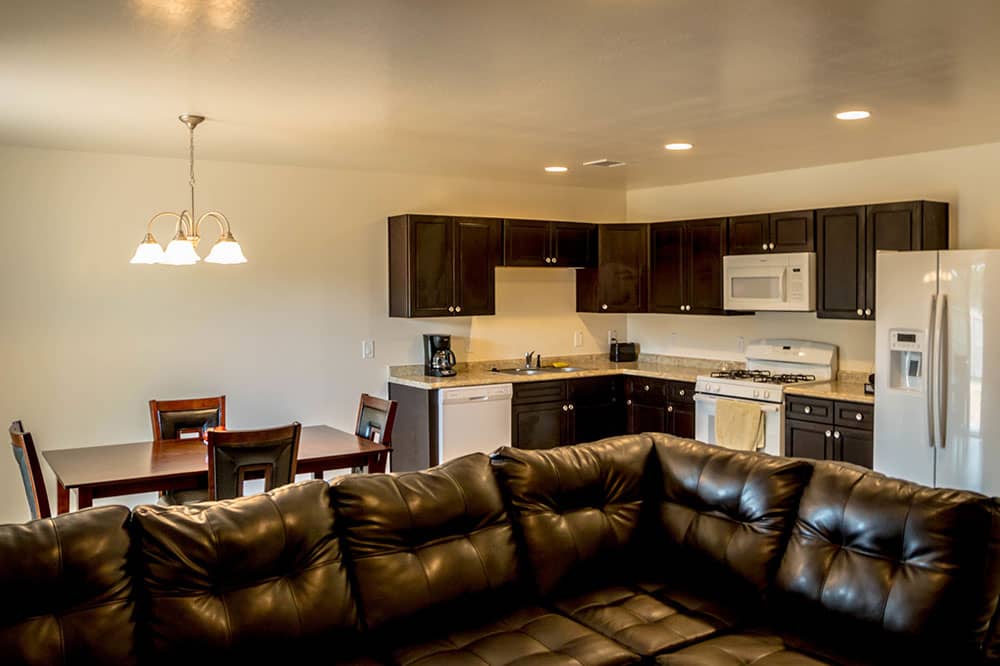
Granite Mountain Behavioral Health 3 photos



Comparison facts and sources
Substance-use/mental-health provider with residential and outpatient pathways around Prescott/Prescott Valley. The main contact address does not establish every service at one campus. · Main contact: 8183 Florentine Road, Prescott Valley, Arizona 86314; 844-878-3221. Provider programs also refer to Prescott residential care; confirm the actual admission site.
- Published fee information
- Quote required
- Before admission
- Official residential pages use both Prescott and Prescott Valley wording; no precise campus address or image relabelling was guessed. On-site detox at the main contact office, detailed taxonomy, social/maps and exact fees/taxes remain unverified.
- Continuing care
- Relapse-prevention planning and outpatient/IOP or sober-living support may form the transition plan; program, location and funding should be confirmed individually.
Source record · October 17, 2026
Scoped current official-source setting, duration, continuing-care and payer review; other fields and individual costs remain unverified.
Luxury rehab comparison · Fees and inclusions · Selection methodology
Granite Mountain Behavioral Healthcare provides substance-use and mental health treatment in Prescott Valley and Prescott, Arizona. Its main contact address is 8183 Florentine Road in Prescott Valley, while the provider lists a separate residential facility in Prescott.
Programs include medical detoxification, residential treatment, intensive outpatient and outpatient care, medication-assisted treatment and structured recovery education. The provider advertises flexible 30-, 60- and 90-day options, individualized to clinical needs.
Granite Mountain publishes (844) 878-3221. It offers insurance-benefit verification and billing support; authorization, deductibles, copays and uncovered services remain plan-specific. Relapse-prevention planning, outpatient step-down care and sober-living support may help clients transition from residential treatment.
Build the plan around the actual program and location
Granite Mountain’s current website presents addiction and mental health treatment in the Prescott area, with thirty-, sixty-, and ninety-day addiction-treatment options. Those are advertised planning choices rather than a clinical promise that everyone will require, complete, or be covered for the same stay. The site also identifies the Florentine Road address in Prescott Valley as its contact location.
The practical starting point is to establish which clinical program and living arrangement are being proposed. Treatment at a clinical center, time in recovery housing, and a residential admission should have clearly identified responsibilities and locations. Ask how the plan will be reviewed as needs change and what could lead to a shorter, longer, or different course. Comparing programs by their total number of days alone can hide differences in individual therapy, group attendance, medication appointments, and accommodation. An itemized schedule is more informative than assuming every advertised duration contains the same services.
Residential treatment provides a planned period of structured care
The residential treatment page specifically describes a facility in Prescott and an individualized plan that may include psychotherapy and medication management. It explains residential care as living in a treatment setting with structured support, rather than attending appointments while continuing to live independently.
Consider what the residential setting is intended to address in the particular case. The relevant issues could include the need for a more consistent routine, difficulty maintaining treatment in the current home environment, or support while several health concerns are assessed together. Obtain the actual program address and an explanation of daytime and overnight staffing. A generic description of round-the-clock support does not by itself specify how frequently a doctor is present. The admission plan should describe the clinical goals, how progress is reviewed, and the expected transition afterward. A residential stay should connect to continuing care rather than stand alone as an isolated period away from home.
Withdrawal assessment determines whether detox is needed
Granite Mountain’s medical detox information describes medical assessment, symptom monitoring, and support followed by further addiction treatment. It discusses the importance of disclosing physical conditions, psychiatric history, current medications, and previous withdrawal experiences. These details help the clinical team decide what level of observation and treatment is appropriate.
A website’s general discussion of detox should not become an assumption that every person needs a withdrawal admission or must stop all prescribed medication before therapy. Confirm the receiving location, the staff responsible for monitoring, and how more complex medical needs are handled. Someone already taking medication for opioid use disorder should discuss continuity with the treating team. The next phase should be planned alongside stabilization, including appointments, medication arrangements, and the living environment. Completing an acute withdrawal episode does not settle all the reasons a person sought help, so the transition should preserve support for ongoing substance use and mental health needs.
IOP needs a realistic weekly schedule
The intensive outpatient description includes individual, group, and family work, medication management, and discharge planning. It gives several general timetable examples, including nine to nineteen therapy hours per week and attendance across several days. It also discusses telehealth delivery. These descriptions should be translated into an actual offer for the person applying.
Confirm the current group, age eligibility, location or remote format, and required hours. The page’s general discussion of adolescents is not enough to establish which ages a particular Granite Mountain program currently accepts. Likewise, remote availability should be checked for the place where the participant will be during appointments. Some people may enter IOP directly, while others use it after more intensive treatment; assessment determines the route. A workable plan accounts for employment, school, family responsibilities, and a suitable evening environment. It should also explain how missed sessions, worsening symptoms, and changes in the level of support are addressed.
Standard outpatient care supports practice between appointments
The outpatient program describes counseling, medication-related care when appropriate, case management, and connection to community resources. It distinguishes lower-intensity appointments from IOP and other more structured options. Its broad educational discussion of different levels should not be treated as confirmation that every service operates at one address.
Outpatient care makes the time between appointments part of the treatment plan. A person may work on a difficult conversation, a change in routine, or a strategy for managing a recurring situation and then discuss what happened with the clinician. That flexibility depends on having enough support outside the sessions. Ask how the team reviews whether the current frequency is sufficient and how psychiatric or medical appointments fit around therapy. If a move from residential care is planned, establish the first outpatient appointment before departure. The objective is continuity with an appropriate level of support, rather than simply reducing the number of treatment hours.
Recovery housing includes transport and household responsibilities
The facilities description separates clinical attendance from daily life in housing. It describes transport to treatment and other approved activities, household shopping and cooking, chores, meetings, and access to a house manager. Its example day includes travel to the clinical center, a return for lunch, and an evening routine at the residence.
This is useful detail for someone deciding whether the living model fits their needs. It suggests active participation in shared household tasks rather than a hotel-style stay. Ask about room sharing, accessibility, food arrangements, transport restrictions, and the rules for medication storage. The page describes twenty-four-hour accountability and staff help, while also displaying a medical-supervision label; obtain the actual staffing arrangement for the specific residence. A house manager’s presence should not be assumed to mean an onsite nurse. Housing charges, deposits, and what happens during an absence should be explained separately from the clinical treatment schedule.
Individual sessions should have defined goals and frequency
The individual psychotherapy page describes one-to-one work with a mental health professional, beginning with an evaluation and discussion of treatment goals. It discusses CBT, DBT, and other approaches, and gives forty-five to sixty minutes as a typical session example. The number and type of sessions depend on the individual plan.
Before comparing this service with another program, establish how much scheduled individual therapy the offer actually includes. Group time and informal staff contact are different activities. Identify the therapist’s role, the issues to be addressed, and how the approach will be explained before difficult work begins. A useful session can connect personal experiences with current patterns without assuming that one event explains every part of addiction. Discuss how practice between sessions will be reviewed, what confidentiality means in the treatment setting, and how concerns about the therapeutic fit can be raised. Published examples are not a guaranteed personal allocation of clinician time.
Family involvement should have a clear purpose
Granite Mountain’s family therapy information describes work on communication, the effects of substance use on relationships, and patterns within the home. It presents family sessions alongside individual and group treatment. This can help distinguish support for relatives from the patient’s own confidential therapy.
Agree who will take part, what the session is intended to achieve, and whether joint or separate conversations are more suitable. Useful topics might include responding to requests for help, expectations after discharge, finances, or maintaining personal boundaries. Family members can have their own support needs without being assigned responsibility for another person’s diagnosis or recovery. If a relationship is unsafe or participation is unwanted, discuss alternative arrangements with the clinician. The plan should make room for the patient’s preferences and relevant consent requirements. Ask how relatives who live elsewhere can participate and whether any separate educational or counseling service has its own charge.
Recover Strong adds a movement-based component
Recover Strong is Granite Mountain’s named approach combining physical activity with group connection and therapeutic work. The provider presents movement as a way to support engagement and describes its own observations about attendance and community participation. Those observations are not a published comparative outcome measure for an individual considering treatment.
The practical question is how activity is adapted to health, mobility, stamina, and personal comfort. Ask what participation involves, how clinical clearance is handled, and what alternatives are available when an activity is unsuitable. Someone with chronic pain or limited exercise tolerance should not assume that a high-intensity description excludes all participation; the team should explain the actual options. Equally, exercise is not a replacement for indicated medical or psychological treatment. A clear schedule should show how movement-based groups fit alongside therapy and other care, without treating participation as proof that a particular neurological change or recovery result will occur.
Continuing care should connect housing, treatment, and daily routines
The relapse-prevention information describes sober living support and attention to the transition from structured care into everyday life. It discusses changing routines, social pressures, mental health symptoms, and the need to remain connected with appropriate support. Those themes can guide a specific discharge plan without assigning everyone the same recovery timeline.
Identify which appointments, prescriptions, and practical supports will continue after the current phase ends. The plan should be usable on an ordinary weekday, including how to get to treatment, what to do if housing changes, and whom to contact when more help is needed. A difficulty after discharge calls for reassessment, not a conclusion that all previous progress has been lost. For someone moving away from Prescott, local arrangements may need to be established before departure. Ask how relevant records will reach the next clinician and whether any planned housing or community service requires a separate application.
Admission and insurance verification are separate steps
The outpatient admissions process begins with a conversation covering substance use, mental and physical health, medications, and the person’s living circumstances. The provider then describes insurance verification and a formal intake, which may be in person or by telehealth. The purpose is to determine treatment needs rather than simply reserve an advertised number of days.
Prepare accurate information about current treatment, previous admissions, and the practical support available at home. Ask for the outcome of the benefits check in a form that distinguishes covered clinical services from personal responsibility and any separate housing charges. Verification is not the same as a final payment guarantee or authorization for every future appointment. If the recommendation changes after assessment, the financial explanation may need updating too. A clear admission offer should identify the service, location, anticipated timetable, initial costs, and the person who can answer questions before travel or a change in existing care is arranged.
Clarify who coordinates each part of the plan
The current team directory identifies leadership and operational roles, including Paige LeForte as chief clinical officer, Rachel Solt as clinical director, Tina Wise as case manager lead, and Cammie Hughes as medical department supervisor. It also lists a role dedicated to employment services. These titles indicate different responsibilities within the organization rather than a promised team assigned to every patient.
At intake, establish the actual treating clinician and the contact for medication, housing, transport, and practical case-management questions. For someone hoping to return to work, ask whether employment support is available in the proposed program and what it covers. Administrative help, clinical treatment, and a housing manager’s role should remain understandable to the person receiving care. The benefit of several disciplines working together is strongest when the plan names who follows up each issue. Do not infer a particular professional license, private-session frequency, or continuous availability from a leadership title alone.
Official provider information reviewed October 19, 2026. Program schedules, age eligibility, clinical and housing locations, staffing, insurance, and individual fees require confirmation for the proposed service.
Sources
- Granite Mountain official website
- Granite Mountain medical detox
- Granite Mountain residential program
- Granite Mountain relapse prevention
- Granite Mountain outpatient admission and insurance
Sources checked October 17, 2026.