Vogue Recovery Center

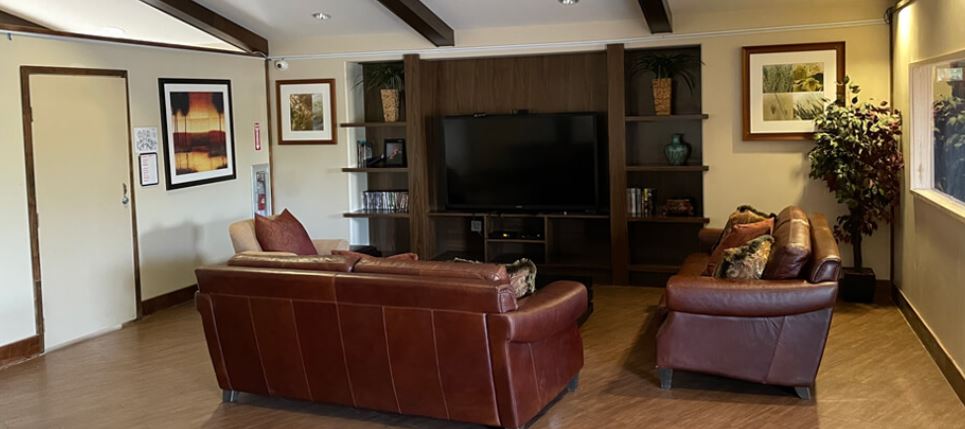

Vogue Recovery Center 3 photos



Vogue Recovery Center operates adult addiction-treatment campuses in Phoenix, Arizona and Las Vegas, Nevada. This is a network profile: services and accommodation differ by campus.
The provider currently lists medical detoxification, residential treatment, partial hospitalization (PHP), intensive outpatient treatment (IOP), outpatient care and recovery housing. Its PHP page describes about six treatment hours per day; its IOP page describes 9–15 hours per week across three to five weekdays. Admissions should confirm the campus and recommended length.
Vogue advertises dual-diagnosis and trauma-focused care, aftercare support, private-insurance verification and self-pay. Coverage, patient responsibility and any self-pay fee require an individual written estimate.
Phoenix combines addiction care with co-occurring support
The Phoenix campus description identifies an adult program at 4122 North 17th Street. It lists detox, residential treatment, several outpatient levels, and recovery housing. Its stated co-occurring scope covers mental health conditions when substance use is the primary diagnosis. That distinction matters when the main reason for seeking care is psychiatric illness without an accompanying addiction.
Published residential features include semi-private rooms, nursing support around the clock, communal recreation areas, and medication services. The page also describes LGBTQIA-affirming care and housing assignment according to gender identity. Discuss the actual room, relevant clinical needs, and any accessibility requirements before arranging admission. The campus description does not promise exclusive occupancy or establish that every outpatient participant receives residential nursing services. Ask which level is proposed and which staff are available within that particular program.
Las Vegas publishes a broader mental health offering
The Las Vegas location is at 4011 McLeod Drive. Its current description includes primary mental health treatment as well as addiction and co-occurring care. It lists semi-private rooms, psychiatric medication management, and nursing support. Confirm the receiving program and assessment requirements; this Nevada description should not be used to expand the published clinical scope of Phoenix.
Medical detox requires an individual plan
Vogue’s medical detox service is described at both Arizona and Nevada locations. The provider explains that medical staff monitor the person during withdrawal and that medications may be prescribed when clinically appropriate. The assessment considers substance use, physical health, and accompanying mental health needs.
Provide an accurate account of current prescriptions, recent substance use, previous withdrawal complications, and other medical conditions. Ask which clinicians will supervise care, how changes in symptoms are evaluated, and what happens if hospital treatment is needed. The duration should follow the individual clinical plan, rather than a travel booking based on a general website estimate. Detox also needs a clear next step: Vogue describes subsequent residential or outpatient options, selected according to need. An inquiry should establish both the proposed withdrawal service and how continuing treatment will be arranged without assuming everyone needs the same sequence.
Residential treatment uses a shared daily routine
The residential program describes semi-private accommodation with shared bathrooms and communal living spaces. Residents participate in a mixture of individual appointments, group therapy, recovery activities, meals, and personal time. Most of the treatment day is spent alongside peers, so a list of individual therapies should not be interpreted as continuous one-to-one treatment.
Ask for an example of the current schedule at the selected campus, including the frequency of individual counseling and psychiatric reviews. The provider describes discharge planning beginning before the expected departure, with possible outpatient referrals and appointments. Discuss how those decisions are reviewed and whether further care requires separate authorization or payment. Residential length is individualized and can be affected by coverage; a published example of an insured stay is not a universal program duration. Room occupancy, clinical supervision, and planned appointments should all appear in the actual proposal.
PHP is daytime treatment with separate overnight arrangements
The dedicated partial hospitalization page describes approximately six treatment hours per day at both campuses. Participants live at home or in recovery housing while attending structured daytime care. Individual, group, and experiential approaches are listed, alongside medication management when included in the person’s treatment plan.
When comparing PHP with residential treatment, account for the hours outside the program. Ask where the person will sleep, how they will travel to sessions, what support is available in the evening, and who handles medication questions between appointments. Housing and clinical treatment may involve different arrangements even when coordinated by the same provider. A step down to PHP is a clinical decision, not simply a cheaper room choice. Request the required attendance days and any additional appointments so the actual commitment can be compared with work, family responsibilities, and other programs’ schedules.
Confirm the actual IOP cohort and timetable
The dedicated IOP page describes 9–15 weekly hours. It lists Phoenix groups Monday–Friday, 9 a.m.–noon, and Las Vegas options Monday–Friday, 9:30 a.m.–12:30 p.m., or Monday–Thursday, 5:30–8:30 p.m. The Las Vegas overview also uses a broader 10–20-hour description. Obtain the current cohort’s schedule instead of treating those figures as interchangeable.
Clarify which days are required and whether individual counseling, case management, or medication appointments add to group hours. Evening availability is specifically published for Nevada and should not be assumed for Phoenix. The proposed duration and any move to less intensive outpatient care also need individual confirmation.
Recovery housing has campus-specific staffing and charges
Vogue’s recovery housing page distinguishes its residences from clinical addiction treatment. Nevada’s two houses are described with round-the-clock staff, transport to treatment and shopping, a grocery allowance, and support with self-administering medications. Arizona’s description instead lists part-time staff present overnight and weekly in-house meetings. Those staffing models should not be treated as identical.
Ask which house is being offered and what its staff can actually provide. Support with self-administration does not establish that house staff prescribe medicines or provide hospital nursing. The Nevada description includes a monthly flat fee but does not publish a universal amount. Request the rent, deposit, meals or grocery arrangements, transport terms, and any separately billed treatment in writing. The page’s insurance wording varies, so verify accommodation coverage separately from outpatient clinical benefits. Participation requirements also need to match the assigned house and treatment plan.
The chronic pain track is described for Las Vegas
The dedicated chronic pain and substance-use program describes taking persistent pain into account when planning addiction care. Its listed services include medication review, counseling, therapeutic exercise, chiropractic care, dry needling, and several physical treatment modalities. These are provider-published options, not a promise that every participant receives each intervention or becomes pain-free.
Before transferring care, ask how the team will review the existing pain diagnosis, coordinate with outside specialists, and assess which interventions are appropriate. Confirm who performs a proposed physical treatment and whether it carries an additional charge. The track’s Las Vegas location should remain explicit when comparing it with Phoenix services. A description of addiction treatment alongside pain care should not be used as instructions to discontinue prescribed pain medication. Any proposed medication changes and continuing specialist care belong in an individualized plan agreed with the responsible clinicians.
Valor includes veterans and first responders
The Valor program is described at both Phoenix and Las Vegas for veterans and first responders dealing with substance use and trauma-related concerns. It combines clinical work with practical support such as employment preparation, budgeting, and planning for community life. The provider also describes coordinating continuing medical and mental health appointments.
Ask how the specialized track operates within the selected level of care: a named program does not establish a separate unit, a guaranteed peer group, or the same schedule at both campuses. Discuss which occupational experiences and current symptoms need attention without assuming that every veteran has the same diagnosis. Vogue states participation in the Community Care Network; any applicable referral and authorization should be verified for the individual admission. Clinical acceptance, benefit eligibility, and payment approval are separate questions. None of the practical support examples guarantees employment, housing, or a particular veterans benefit.
Co-occurring care should identify clinical responsibilities
The dual-diagnosis description combines substance-use treatment with attention to accompanying mental health conditions. It lists individual and group therapy, psychiatric appointments, medication management, family work, and continuing-care planning. The actual combination depends on assessment and level of care.
A useful proposal should identify which concern is driving the admission, who evaluates psychiatric symptoms, and who prescribes and reviews medications. Ask how the team communicates with existing clinicians and what would prompt referral to a different service. A broad educational list of diagnoses on a website does not demonstrate that every condition or severity can be managed in every setting. Likewise, a therapy list does not state how often each intervention occurs. Request a description of the assigned clinical work, expected review points, and follow-up arrangements so the integrated-care claim has a practical meaning for the person seeking treatment.
Family education and therapy have different purposes
The current family programming page describes quarterly virtual support and education groups, plus annual in-person family weekends at Las Vegas. It names National Alumni Director Rachelle Vargas as leading the virtual groups. The published focus includes understanding treatment, communication, and boundaries.
These educational and supportive activities are explicitly distinguished from formal therapy. Confirm which format is available, the next dates, and whether travel or other costs are involved before arranging attendance. The provider states that participation in family weekends depends on clinical recommendations, availability, and client consent. General family education should also be distinguished from access to an individual’s treatment information, which requires appropriate permission. If a relative needs their own therapy, ask for a separate referral. Family involvement should be planned around the person’s circumstances and relationships, rather than treated as a mandatory disclosure process or a promise of reconciliation.
North Star provides continued community connection
The North Star alumni community connects Vogue graduates within the Aliya Health Group network. The provider describes on-site or online meetings, outings, volunteering, monthly dinners, and a private online community, with activities varying by location. Residential participants may be introduced to alumni groups before discharge.
Ask which activities are currently offered locally and how to participate after returning home. An alumni event or peer meeting is different from an appointment with a therapist or prescriber; continuing clinical care should have its own named provider and payment arrangements. The opportunity to stay connected over time does not mean the original treatment fee includes unlimited future clinical services. A practical discharge plan can include both scheduled professional follow-up and optional community activities. Clarify who to contact if the person needs reassessment or more structured care, rather than relying on an alumni social channel for urgent clinical support.
Insurance verification should name the campus and service
Vogue’s Blue Cross Blue Shield page specifically describes in-network participation in Nevada. It discusses plan-dependent referrals and authorization. That is not a guarantee that every Blue Cross policy covers every Vogue service, nor does the Nevada statement establish the same arrangement for Phoenix.
Request verification for the actual campus, clinical level, and proposed dates. Ask about deductibles, copays, coinsurance, professional charges, medicines, and any treatment days requiring further authorization. Housing and travel need their own financial review. A broad insurer logo or example of a plan’s percentage contribution does not establish the patient’s final bill. Someone paying privately should request an itemized estimate with the review process for extra days or changed services. The available evidence supports individual benefit checks and written estimates, not a single weekly price for the whole network.
Admission starts with assessment and practical coordination
The admissions guide describes an initial discussion of substance use, medical conditions, and the person’s circumstances. The team then discusses a recommended program, checks benefits, and helps arrange an admission date, travel, and packing. On arrival, the guide describes introductions and assessment of physical and mental health needs.
Before a planned journey, obtain the receiving address, the accepted program, and instructions for prescribed medications and records. A telephone inquiry or insurance check is not the same as confirmation that a particular bed or service has been accepted. Ask what happens if the arrival assessment identifies needs outside the proposed program and who will coordinate an alternative. The admission discussion should also explain the likely next review and how family communication will work with permission. Keep the practical arrangements tied to the assessed plan rather than assuming everyone begins with detox or remains for a predetermined period.
Provider information reviewed October 19, 2026. Confirm the selected campus, current schedule, clinical acceptance, housing terms, and personal costs directly with Vogue Recovery Center.
Official sources
Sources checked October 13, 2026.
- Provider overview
- Official locations
- Partial hospitalization program
- Intensive outpatient program