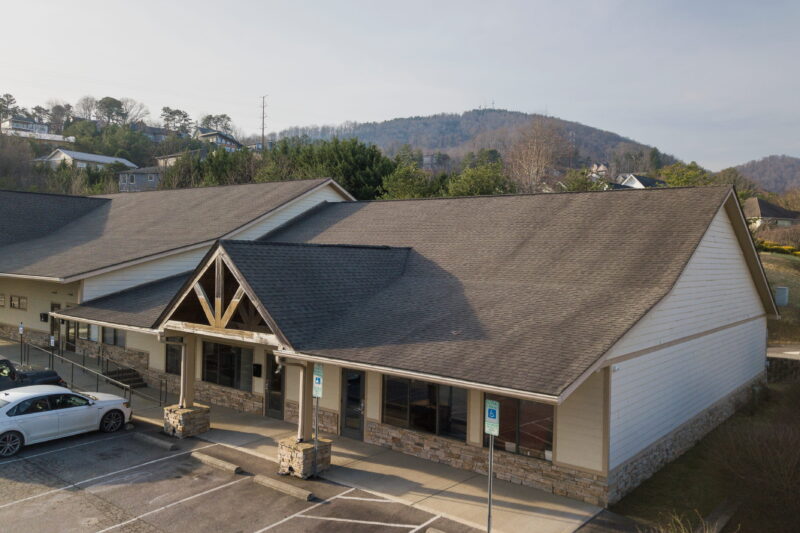
Deciding to seek recovery from mental health issues or addiction can be extremely difficult. The step involves a high level of courage and long-term determination and motivation to keep moving in the right direction. While the journey can be tough, recovery is possible, especially when support and help are available. An Asheville program may be one option to consider after assessment. Ask the team to explain its clinical scope, the proposed level of care and the plan for reviewing progress; the destination does not guarantee a particular result.
Asheville has many rehab facilities that combine the right programs and therapies to prepare clients to embrace a life-lasting change. These therapies are based on evidence and delivered in a comfortable and friendly environment, making it easier to achieve set targets and successfully maintain them for years.
An Unparalleled Rehab Experience at Asheville Addiction Treatment Center
Rehab facilities in Asheville NC can be the perfect getaway for anyone tired of constantly being bogged down by addiction and other co-occurring issues. Contrary to many conventional rehabs, these facilities do not waste time exposing their patients to a standardized program based on a cookie-cutter approach. Instead, most facilities have dedicated teams that customize a treatment plan that targets and meets each individual’s unique recovery goals.
Read Also About October Road Asheville
These trauma-informed, clinically focused treatment centers in Asheville NC offer gender-specific care to young adults aged 18 and above to help them secure a lasting change. The professional teams at these rehabs have years of experience in treating addictions to alcohol and drugs. Most of these rehabs have been established by closely observing the shortcomings of other institutes over the years to minimize the chances of error and maximize healing.
Each person brings different clinical needs, experiences and circumstances to treatment. Ask the assessing team whether the proposed program can meet those needs and how it will coordinate any additional medical or mental health care. Treatment can include work on coping strategies and planning for life after discharge, but the appropriate approach and pace should follow individual assessment. A program should explain what it offers and where its limits lie.
All treatment plans are created after carefully analyzing the past and present circumstances and are unlikely to be identical. Most of these treatment plans revolve around various evidence-based therapies, such as the following:
- Cognitive behavioral therapy (CBT)
- Dialectical behavioral therapy (DBT)
- Art and music therapy
- Yoga and meditation
- Motivational interviewing
- Individual and group therapy
- Family therapy and education
- Psychoeducation on important topics, such as addiction, relapse prevention, etc.
The therapies mentioned above are mixed and matched to provide care and treatment at different levels of care, such as the following:
Residential care: This involves living at a facility while receiving a structured program. Ask which staff are present overnight, what medical resources are available and which needs require a hospital or another service. The proposed intensity and duration should be explained following assessment.
- Outpatient: Outpatient services are different from inpatient programs in a way that they do not involve living in the rehab. Patients can keep visiting the rehab during fixed therapy hours and return home once they are done. Outpatient programs are generally appropriate for those who have a good level of support at home.
Withdrawal care: The need for medically supported withdrawal management depends on the substance, pattern of use, medical history and assessment. Ask where it would take place and who is responsible. Do not assume that every residential program provides the same withdrawal service.
Depending on the severity and duration of an addiction along with the current health status and motivation, experts at a rehab in Asheville NC may choose one of the levels mentioned above of care to begin treatment and follow along.
Aftercare Substance Abuse Treatment Asheville NC
In general, aftercare means caring for a person who has completed an alcohol or drug addiction treatment program already. Regardless of where an individual seeks treatment or on what level, aftercare can benefit their recovery. These services allow individuals to stay involved with post-treatment tracks in the community and receive services that they were getting in rehab. These services may include group therapy, individual therapy, dual diagnosis, and medication management.
Aftercare services available at Asheville Rrehabs mostly include outpatient services that clients can begin working on with their case manager while they are still enrolled in addiction programs. Both parties will review their progress so far, evaluate the patient’s personal needs, and decide what services they can benefit from if they continue for a long time. Some rehabs also provide alumni access and support to patients who are graduating from the facility so that they can stay connected with their peers and receive support for years.
The addiction treatment professionals at Asheville rehabs realize that treatment can never be successful until it equips a patient to continue living a life in recovery. They also acknowledge that such comprehensive recovery is impossible to achieve, even in 30- to 60-day-long rehab programs, as it requires practice, dedication, and motivation.
Ask the clinical team to explain the proposed treatment duration and the purpose of follow-up. Continuing care may involve appointments, coordination with local clinicians and support for applying treatment goals in daily life. Clarify what is included and how the plan is revised if needs change. Aftercare should not be described as eliminating the possibility of further symptoms, substance use or another admission.
Why Choose a Rehab in Asheville NC?
Following are some of the reasons why you may consider choosing a rehab in Asheville to begin your addiction treatment:
Individualized Treatment
There is no one-size-fits-all treatment for addiction and mental health treatment. The staff members at Asheville rehabs understand this concept and offer in-depth assessments and evaluations to understand the ongoing circumstances of each patient. Based on this information, these teams curate individualized programs that best cater to unique patient needs more meaningfully and lead to improved outcomes.
Comprehensive Approach
A standard Asheville rehab adopts a holistic approach to support addiction management. This approach incorporates conventional therapies, such as CBT and DBT, and a focus on mind, body, and spirit through holistic activities like meditation and yoga.
Experienced Staff
Asheville rehabs have some of the most experienced staff members in the country with years of experience in addiction and mental health treatment. Many of these include ASAM-certified physicians and clinicians who use their vast experience to help people get out of the addictive cycles in the most comfortable way possible.
Miscellaneous Amenities
Many rehabs in Asheville offer clients various amenities and luxuries to ensure their stay during treatment is comfortable and home-like. Some of these amenities include three meals a day, access to entertainment rooms equipped with TVs, reading spaces, and outdoor areas for relaxation. Depending on the rehab you choose, you may also get access to luxuries, such as swimming pools, solo accommodations, chef-prepared gourmet meals, housekeeping, etc.
Frequently asked questions
Do rehab centers in Asheville NC offer integrated treatment?
Ask a provider whether it accepts the particular combination of substance-use and mental health needs, and which professionals coordinate the plan. Integrated care can involve several disciplines, so clarify responsibilities and communication rather than assume that every center supplies the same service. Relevant questions include:
A single program that focuses on treating both disorders simultaneously
A focus on understanding and trust
A slow, manageable treatment pace
A focus on long-term recovery
Which clinician coordinates the different parts of treatment, and how do team members share relevant information with consent?
Following are the six principles of a trauma-informed care program at an Asheville treatment program:
- Focus on establishing a safe and secure environment
- Choice and empowerment
- Strong peer support
- Transparency and trustworthiness from care professionals
- Collaboration with family members and treatment professionals
- Addressing gender, historical, and cultural issues
Build an Asheville plan around the actual clinical service
Ask where assessment, accommodation and treatment take place before comparing an Asheville-area program with another North Carolina option. A regional description can cover more than the city itself. Confirm the address for each stage of care, the proposed daily timetable and any travel between the residence and outside appointments. These details affect the feasibility of visits, transport and later outpatient attendance.
Explain the main reason for seeking help and any co-occurring mental health or medical needs. Ask which qualified professional determines whether the program can accept the person and what would require a different setting. A website's broad condition list should lead to an individual assessment rather than a promise that every presentation can be managed at the same facility.
Understand the role of Buncombe County resources
Buncombe County's Community Paramedics information describes separate post-overdose response and mobile outreach roles, including connections to treatment and other health services. These local pathways have specific purposes. They should not be confused with a private residential program or used as evidence that every rehab in Asheville supplies emergency care.
The county resource page also identifies local crisis and treatment-navigation contacts. If the appropriate next service is unclear, an official local resource can help explain available routes. For a routine private admission, ask the provider to state its own urgent-care arrangements: who is available outside appointments, which needs require hospital assessment and how a transfer is coordinated.
A trauma-informed approach concerns how a service organizes care and interactions. Ask what that means in practice for assessment, privacy, consent, the handling of distress and participation in treatment decisions. It should not be assumed to mean that every staff member provides a specific trauma-focused psychotherapy or that every client should begin trauma processing immediately.
For a person whose main reason for admission is PTSD, ask about the clinician's relevant experience, the proposed therapy and how other needs will be coordinated. The trauma and PTSD guide distinguishes the broader care approach from particular treatments. If the provider describes only general support, clarify whether a separate specialist referral is needed.
Make the next phase of care workable
For someone staying in Asheville after residential treatment, identify the outpatient service, appointment location and schedule before discharge. For someone returning elsewhere, agree who receives the discharge summary and who provides the first clinical review. Ask whether proposed remote sessions are appropriate and available in the person's actual location.
Clarify which follow-up services are included and distinguish clinical appointments from alumni activities or informal check-ins. Both can have a role, but they should not be treated as the same commitment. Family involvement also needs a clear format, consent arrangement and cost. The North Carolina directory can support a wider search when the needed clinical program matters more than a particular Asheville address.
Back to guide contents↑