Asheville Recovery Center


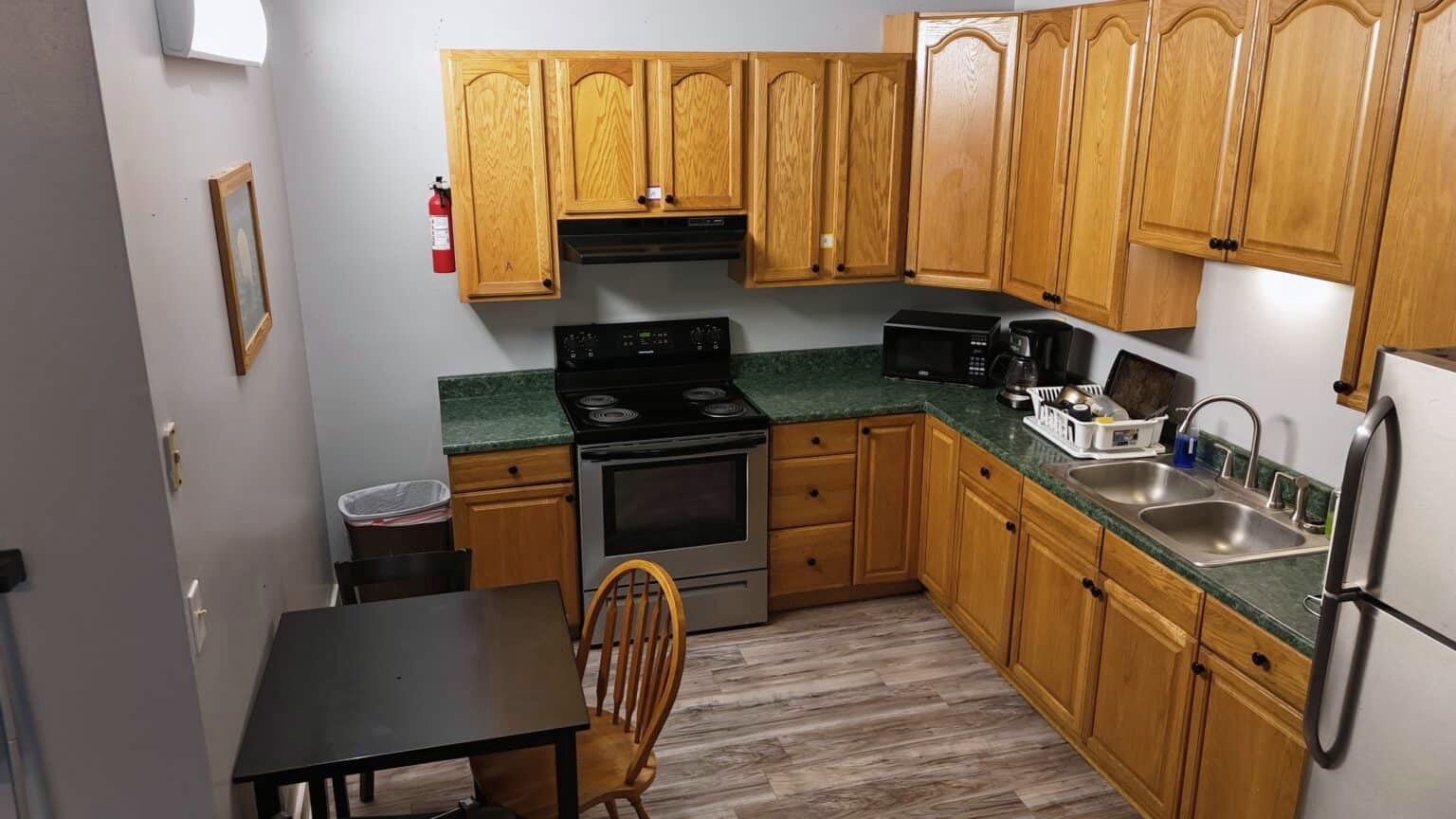
Asheville Recovery Center 3 photos

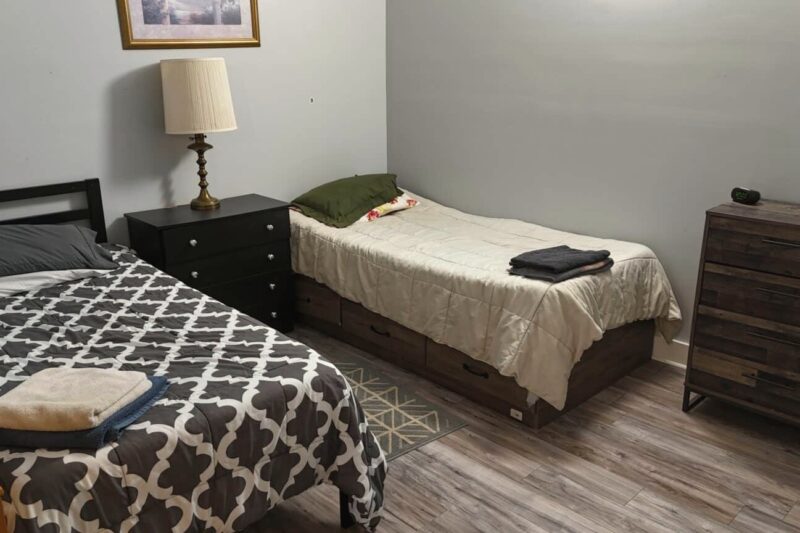
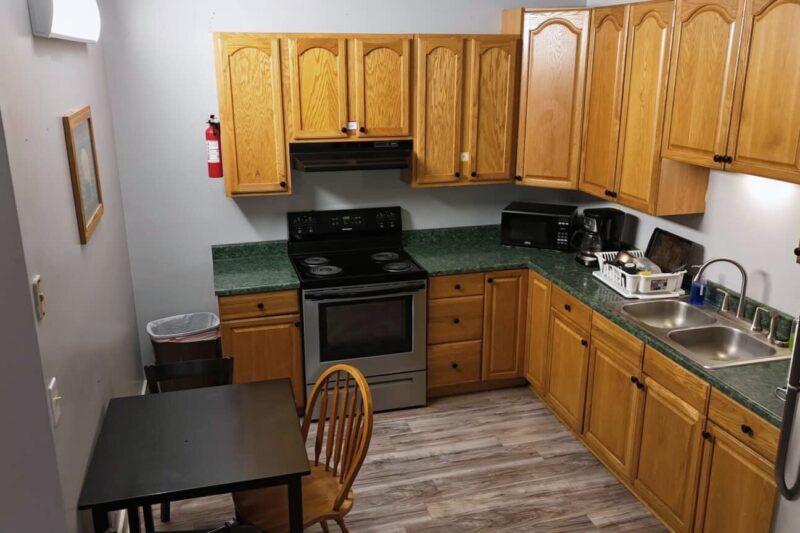
Comparison facts and sources
Structured addiction day treatment, IOP and virtual care with associated recovery support. PHP is distinct from overnight accommodation; medical detox is coordinated by referral when needed. · 9 Old Burnsville Hill Road, Suite 7, Asheville, North Carolina 28804; admissions 828-518-6996.
- Published fee information
- Quote required
- Before admission
- Office, recovery housing and external medical detox are different settings. Exact eligibility, benefits, housing charges, self-pay costs and taxes remain individual or unverified; preserved campus photos do not establish every service onsite.
- Continuing care
- The services page describes continued treatment-track services and recovery-community/alumni connection after completion, tailored to the individual.
Source record · October 19, 2026
IOP duration reviewed October 19, 2026. Pricing information was reviewed October 17, 2026; confirm current services and personal costs..
Luxury rehab comparison · Fees and inclusions · Selection methodology
Asheville Recovery Center provides addiction treatment at 9 Old Burnsville Hill Road in Asheville, North Carolina. Its current site describes structured clinical treatment and associated recovery support rather than an on-site medical-detox unit; when detox is clinically needed, the provider says it coordinates a referral and transition into care.
The provider lists residential-style day treatment, intensive outpatient care and virtual intensive outpatient treatment. Its programs are individualized and can include clinical, peer and community support. The drug-treatment guide describes PHP as typically five to seven weeks and multi-level care as often spanning three to six months, while published IOP duration estimates differ; accommodation arrangements should be confirmed separately from the outpatient office.
Asheville Recovery Center publishes (828) 518-6996 for admissions. The website offers commercial-insurance verification and says it does not currently accept Medicaid or Medicare; coverage and self-pay costs vary; request an individualized estimate covering treatment, accommodation, and any external services.
PHP is daytime clinical care with different living arrangements
The partial hospitalization description presents structured day treatment for people who do not need continuous medical supervision. It describes clients living at home, in sober living, or in the provider’s transitional housing while attending treatment. The program combines clinical sessions with activities and recovery support. These arrangements should be distinguished from admission to an inpatient hospital or a medically staffed overnight detox unit.
Ask which living arrangement is recommended and why, where treatment actually takes place, and how the person will travel between the two. Clarify what support is available outside programming and what happens if symptoms or substance-use risks increase. Someone may enter PHP after another level of care or begin there following assessment; completing a fixed sequence is not presented as a requirement for everyone. Comparing programs is easier when clinical hours, accommodation, meals, transport, and overnight support are described separately in the proposed plan.
Verify the IOP schedule and duration before committing
The IOP page lists Monday, Wednesday, and Friday groups but gives both 5–8 p.m. and 5:30–8:30 p.m. times. It estimates six to eight weeks, while the drug-treatment guide gives eight to twelve weeks.
Confirm the actual group timetable and review points. The IOP page also expects medications to be stable; someone still adjusting treatment may need assessment for PHP. Discuss this with the clinical team rather than changing medication independently to meet an admission requirement.
Virtual IOP has a defined North Carolina format
The virtual IOP page describes live video treatment for people in North Carolina, with eligibility determined through assessment. Its published schedule is Monday, Tuesday, and Thursday from 5–8 p.m., totaling nine hours weekly. The described format includes clinician-led groups, ongoing assessment, attendance monitoring, and observed oral drug screening conducted remotely. Participants need a suitable device, reliable internet, and a private place to take part.
This can address a travel barrier, but it still requires a substantial scheduled commitment and an appropriate home environment. Ask what happens if privacy or connectivity becomes difficult, how individual clinical concerns are handled, and which local services should be available if needs change. Confirm eligibility before participating from another state; a statement about possible future expansion is not current authorization everywhere. Also request the specific payment and coverage arrangements for virtual care rather than assuming they match an in-person program.
Medication options belong within an assessed treatment plan
The medication-assisted treatment page identifies Suboxone and Vivitrol among the options considered by the medical and clinical team. It describes medication as part of a broader program with therapy, co-occurring-condition support, and discharge planning, rather than a standalone prescription service. Starting an intervention depends on the person’s assessment, medical circumstances, and treatment stage.
Tell the prescriber about existing medications, previous responses, current substance use, and the clinicians already involved. Ask who will prescribe and monitor medication during the program and how continuity will be arranged when attendance changes or treatment ends. Coverage for the medication and for associated clinical appointments may also need separate clarification. The presence of a named medication on a service page does not mean it is appropriate for every person or can be started immediately. Treatment decisions and any changes to prescriptions should remain with the responsible clinician.
Intake should produce a clear plan for the first stage of care
The what-to-expect guide describes an admissions conversation, benefit verification, clinical assessment, and orientation. Assessment considers medical history, mental health concerns, and substance-use patterns. The provider presents an individualized routine involving therapy, group work, supportive activities, and planning for what follows treatment. The purpose of intake is to translate those general services into an appropriate plan for the person.
Ask what the first week would look like, what records should be transferred, and which questions need medical review before arrival. Explain current responsibilities, access needs, and any concerns about the proposed setting. If the person is moving from a hospital or another program, identify who is coordinating the handoff and medication information. Obtain the actual start arrangements and a contact for changes. A reassuring description of daily life is useful, but the agreed clinical plan should make clear what the individual is being admitted to do.
Confirm which clinical services continue as the level changes
The services overview describes individualized treatment through PHP, IOP, and continuing care. It lists individual and group therapy, medication management, and support for co-occurring concerns among services that may continue after an initial treatment track. These are clinical components of care and should be distinguished from social contact with the recovery community.
Ask how the recommended service mix changes when someone attends fewer hours or returns to work. Clarify whether the same clinician remains involved, whether medication appointments continue, and which components need a separate referral or authorization. A lower level of care should still have defined goals and review points. If an existing outside therapist or prescriber will take over, agree on communication and records transfer in advance. This makes the transition more concrete than a general promise of continued support and helps the person understand which appointments they are actually expected to attend.
Family support and family therapy have related but different purposes
The family-therapy page describes work on communication, boundaries, education, and relationships. It also advertises a weekly family support meeting by Zoom on Mondays at 6 p.m. The page explains that clinical sessions can involve all or part of a family and vary with the family’s needs. A group meeting should not be assumed to provide the same individualized work as a session with the treating clinician.
Discuss who the client wants involved and what goals make participation useful. Relatives may need information about treatment and ways to offer support, while the client may need clear boundaries about disclosure and contact. Ask which conversations belong in a joint session and which should happen privately. Confirm the current group schedule and how to join before making plans. Family participation should be organized around the person’s circumstances, including relationships that are strained or unsafe, rather than an expectation that every relative must be involved.
Aftercare planning should turn recommendations into appointments
The aftercare and relapse-prevention page describes individualized planning with a case manager. Possible components include continued therapy, co-occurring mental health care, sober-living referrals, community recovery meetings, and updating strategies for difficult situations. These are options to discuss with the treatment team, not a fixed bundle automatically supplied to every graduate.
Before leaving, identify the next clinicians, appointment dates, prescribing arrangements, and practical support that will actually be available. If housing is part of the plan, clarify the receiving residence’s rules, costs, and level of support. Discuss what to do if the initial plan becomes difficult to follow or a return to substance use occurs. The plan should make it possible to seek help promptly and reconsider care without relying only on personal determination. A list of resources is most useful when the person understands who will arrange them and how to make contact.
The alumni community provides connection outside formal treatment
The alumni program describes peer connection, check-ins, events, service opportunities, and an online community. Its page lists a Saturday Zoom meeting at 10 a.m. and activities such as hiking, gatherings, and opportunities to support newcomers. These can help former clients maintain relationships with others in recovery, including people who no longer live in Asheville.
Ask how to join, which activities are currently available, and whether there are options that fit the person’s location and schedule. Participation in a social or peer network should be distinguished from ongoing clinical appointments, medication monitoring, or urgent assistance. Some people will value frequent group contact; others may need a smaller or different support network. Discuss how alumni involvement fits into the broader discharge plan rather than treating it as the whole plan. Confirm the current meeting details before attending, especially when relying on an online schedule published in advance.
Coverage and personal charges need service-specific verification
The insurance-verification page describes working with major commercial insurers and some out-of-network plans. It explicitly states that Asheville Recovery Center cannot currently accept Medicaid or Medicare. The page offers benefit verification, but that process should lead to an explanation of the actual program, authorization requirements, and personal financial responsibility.
Ask whether the estimate covers clinical attendance only or also includes housing, meals, transportation, and other support. External services may have different providers and billing arrangements. Clarify any deductible, copayment, uncovered component, or change in responsibility if the recommended level or duration changes. If using an out-of-network benefit or self-pay arrangement, request the relevant terms in writing. A general insurer list or a free verification service does not establish that treatment itself is free or that every component has been authorized. Keep the clinical recommendation and the financial agreement aligned.
Use the office address and visiting arrangements accurately
The contact page identifies the Old Burnsville Hill Road location and the admissions number, (828) 518-6996. It offers routes for a call, a tour, a treatment application, or a general question. The page asks visitors to make arrangements in advance to protect clients’ privacy. A listed clinical address should not be assumed to identify every associated accommodation or outside service.
Before arrival, confirm where the person should go, whom they will meet, and whether any assessment or paperwork needs to be completed first. Someone arranging a tour should ask which spaces can be viewed without disrupting treatment. Families visiting a current client should follow the agreed contact and visiting plan rather than arriving unannounced. If clinical care and housing are at different locations, obtain both sets of directions and understand how transport works. Accurate practical information can prevent an avoidable interruption at the beginning of care.
Phone access is structured around treatment
The cell-phone policy describes access during designated times. The stated purpose is to help clients maintain appropriate connections with family and other responsibilities while keeping treatment central to the day. This should not be interpreted as unrestricted device use, a promise of uninterrupted remote working, or permission to record other participants.
Ask what the actual access periods are, whether laptops follow the same rules, and how urgent family or employment matters are handled. Someone with significant work obligations should compare those commitments with the required treatment schedule before admission. Discuss contacts or online activities that may make recovery more difficult and how the person would like support managing them. A workable plan balances connection with the time and attention needed for care. The specific rules should be clear enough that clients and their families know how to communicate without relying on assumptions about constant availability.
Transportation assistance needs an agreed scope
The transportation page says the admissions team can help coordinate travel to the center from home, a hospital, a detox service, or another program. It qualifies the offer as being within reasonable limits. This is useful assistance to discuss, but it does not establish an unlimited travel benefit, a free journey from any location, or a medical transport service.
Explain the starting point, mobility needs, clinical circumstances, and timing of any transfer. Ask who will provide the transport, what it costs, what accompanying documents are needed, and what happens if arrival is delayed. If someone requires medical supervision during travel, the referring and receiving clinicians should agree on an appropriate arrangement. Also clarify transport between housing and treatment once care begins. A confirmed transfer plan should connect the two services and the individual’s needs, rather than leaving important clinical or logistical assumptions unresolved on the day of travel.
Sources
Sources checked October 17, 2026.