Pyramid Healthcare – Asheville


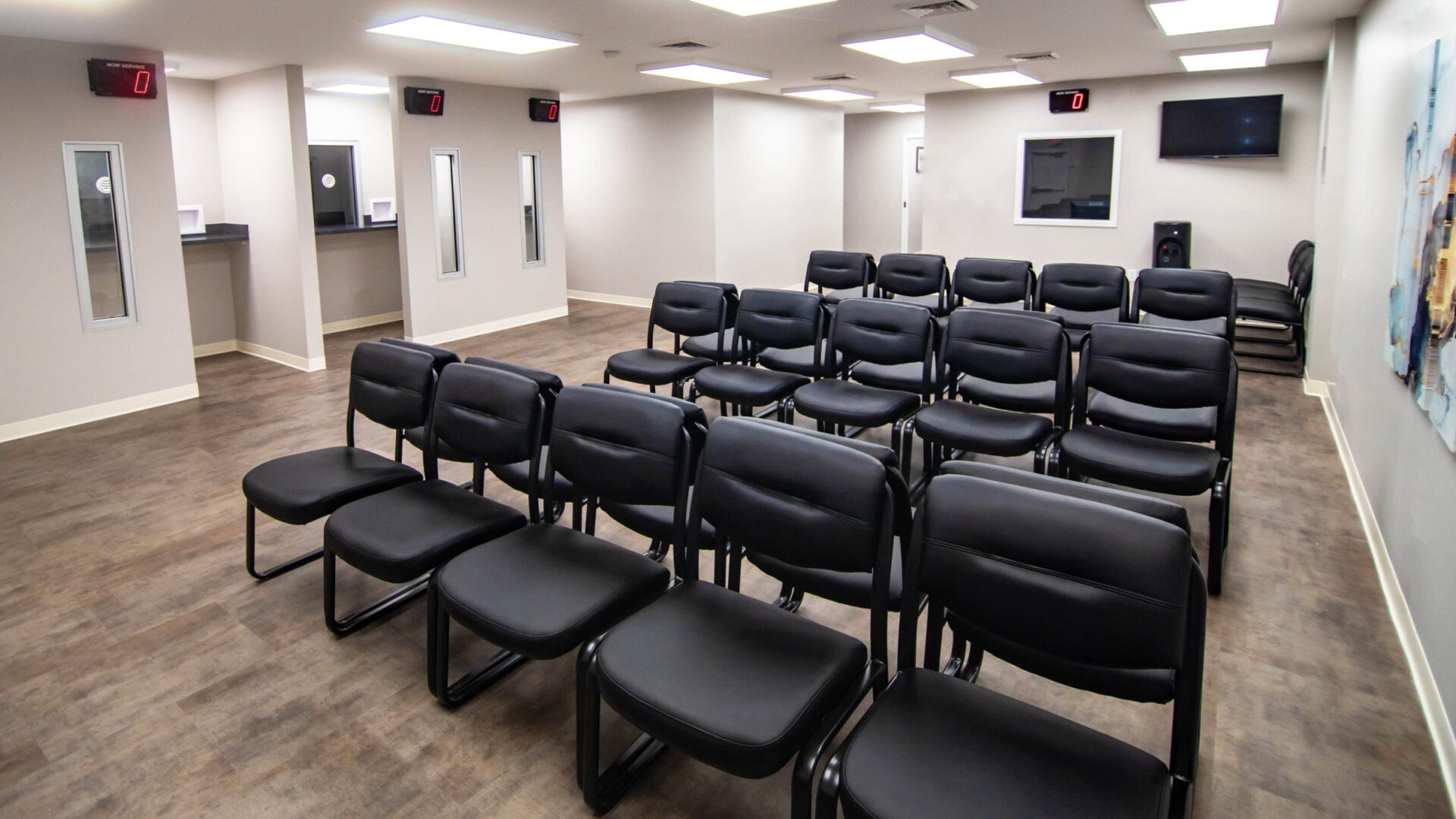
Pyramid Healthcare – Asheville 3 photos

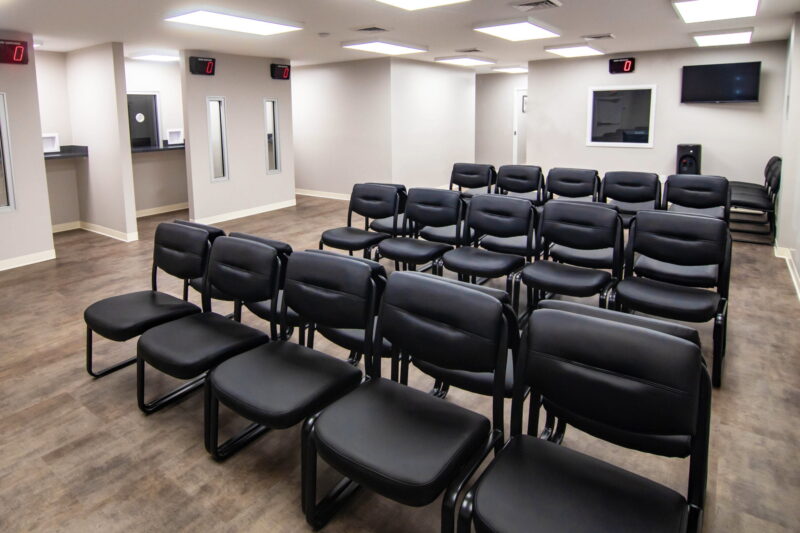
The Asheville service previously listed as October Road is presented on Pyramid Healthcare’s current website as an outpatient addiction and mental health treatment location. Its published address is 119 Tunnel Road, Suite D, Asheville, North Carolina 28805.
The campus page lists substance-use partial hospitalization/SACOT, intensive outpatient/SAIOP, medication-assisted treatment, a separately listed methadone clinic in Suite E, peer support and medication management. Its Assertive Community Treatment Team provides intensive community-based support. The provider separately identifies a men’s recovery residence; outpatient treatment should not be confused with round-the-clock residential medical care.
Pyramid states that this location accepts Medicaid and a range of private insurance plans. Coverage and patient costs require individual verification. The Asheville program lists adults aged 18 and over. Ask admissions for the recommended program length and a written estimate of personal costs. Ask the provider which service and entrance are appropriate; its GPS guidance uses 33 Mineral Springs Road.
Asheville’s current outpatient service and eligibility
The current Asheville location information identifies an adult outpatient service for people aged 18 and over. Its published programs include intensive substance-use treatment, medication management, peer support, and community-based mental health care. The first-day process includes assessment, explanation of treatment options, insurance verification, and an individualized plan.
The range of services makes the specific referral important. Ask whether the recommendation is for scheduled outpatient sessions, a mobile community team, or the separately listed methadone service. Those arrangements involve different attendance and clinical responsibilities. The location also describes on-site pharmacy access and psychiatrists involved in medication management. Confirm how those services connect with an existing prescriber before changing appointments. For travel, use the provider’s arrival instructions and confirm the correct entrance. The published street address and its alternative GPS directions serve different navigation purposes; neither determines which program has accepted the referral.
The methadone clinic is separately listed in Suite E
Pyramid’s dedicated Asheville methadone listing gives 119 Tunnel Road, Suite E, rather than the Suite D address used for the general outpatient service. It describes an adult program for opioid use disorder with supervised methadone dosing, medical oversight, and integrated counseling. The provider expressly says the clinic operates separately from its other outpatient programs.
This distinction matters when arranging an intake or transferring ongoing treatment. Ask the clinic how a new admission differs from a transfer, which records it needs, and how continuity will be coordinated with the current treatment team. Confirm actual clinical and dosing hours; a round-the-clock admissions telephone line does not establish that medication is dispensed at all hours. A listed medication service is also not a substitute for an individual prescribing assessment. Discuss other medication, health conditions, monitoring, and follow-up with the responsible clinician. The general outpatient appointment and the methadone clinic appointment should be confirmed separately rather than assumed to be interchangeable visits.
How SACOT and partial hospitalization affect the working week
Pyramid’s wider partial hospitalization description explains an intensive daytime format followed by a return home or to supportive housing. Its published general framework is five to six hours a day, five days a week, with a typical course of two to six weeks depending on progress. These are network figures, not a confirmed Asheville timetable or guaranteed length of admission.
Request the schedule for the actual local program before arranging employment, school, or caregiving around it. The network description includes individual and group therapy, psychiatric services, medication management, skills work, and ongoing assessment. Ask which components are in the recommended plan and how attendance changes as needs change. The important overnight question remains where the person lives and what support is available there. A daytime program can be intensive without providing a hospital bed. If a proposed residence is separate, its staffing, financial terms, and travel arrangements need their own confirmation.
SAIOP and the role of a less intensive outpatient plan
Pyramid’s intensive outpatient description presents IOP as structured treatment for people stepping down from residential care or needing more support than routine outpatient appointments. It includes individualized assessment and therapy that addresses substance use and co-occurring concerns. The program’s stated purpose is to provide structured support while the person maintains responsibilities outside treatment.
The practical comparison with a more intensive day program is the amount and kind of contact in the individual’s plan. Ask for the expected number of weekly sessions, which are individual or group appointments, and how medication follow-up fits the schedule. Do not assume that another Pyramid location’s IOP timetable applies here. A flexible outpatient arrangement still requires attendance and enough support outside sessions. Discuss the living situation, transport, work commitments, and previous response to treatment during assessment. A step down should include a clear next appointment and a way to request reassessment if symptoms or substance use increase. Program labels alone cannot determine the right level of support.
ACTT brings a specialist team into the community
The provider’s Assertive Community Treatment Team service is intended for adults with severe and persistent mental illness who need more intensive help than ordinary scheduled outpatient appointments. Pyramid describes a multidisciplinary, mobile team that works where people live, work, or spend time. Its stated focus is longer-term stability and functioning through coordinated community care.
This is a different model from checking into a residential rehabilitation facility or attending a substance-use group at a clinic. When discussing an Asheville ACTT referral, ask about the eligibility assessment, service area, frequency of contact, and coordination with current mental health professionals. Someone who also has a substance use disorder should explain both needs so the appropriate local team can review the referral. The provider describes ACTT as proactive ongoing care, rather than simply crisis response. Confirm the separate arrangements for urgent help and out-of-hours concerns. A mobile team should not be assumed to replace an emergency department, inpatient admission, or another service that a clinician considers necessary for the person’s immediate condition.
Psychiatric medication management and MAT are different services
Pyramid’s medication-management explanation distinguishes support with psychotropic medication from its medication-assisted treatment program for substance use disorders. It places medicines such as methadone and Suboxone within the latter program. This naming distinction helps avoid booking a routine psychiatric medication appointment when a dedicated opioid-treatment referral is required.
Someone needing both services should ask which clinicians will be responsible for each part of care and how medication information will be shared. Bring an accurate medication list and discuss existing prescriptions, allergies, previous difficulties, and other treating professionals during assessment. Confirm where follow-up takes place and how refill requests are handled between appointments. The existence of a medication-management service does not guarantee a particular prescription or mean that every treatment can be started immediately. Decisions about starting, adjusting, or stopping medication belong with the responsible clinician. For a transfer, arrange a clear handoff rather than treating a new appointment as an automatic continuation of the previous provider’s plan. Ask who to contact if that transition is delayed.
Supportive housing has its own locations and admission requirements
The North Carolina supportive-housing information describes four gender-specific residences for adults enrolled in outpatient treatment: Grace House in Alexander, Dream House and River House in Asheville, and Atlas House in Jacksonville. The provider identifies Dream House as a 20-bed men’s residence associated with SACOT or Substance Use PHP. It also describes the housing program as welcoming prescribed medication-assisted treatment.
These addresses and programs should remain distinct. In particular, a Jacksonville residence is not an Asheville accommodation option simply because it appears on the same network page. Ask which home is proposed, how eligibility is assessed, and whether a place is available for the relevant treatment stage. Confirm room arrangements, supervision, travel to treatment, and the separate housing charges or agreement. The published staffing is house supervision, which should not be interpreted as continuous on-site medical care. Medication policies also need practical clarification, including storage and access to the prescribing clinic. A supportive residence can accompany outpatient treatment without becoming a residential medical program.
Other North Carolina campuses serve different purposes
Pyramid’s North Carolina location directory distinguishes the Asheville outpatient program and its methadone clinic from other facilities. It separately lists Concord as a detox and residential location, Franklin for outpatient substance-use programs, and community treatment teams in several cities. The directory also treats supportive housing as its own service spanning multiple locations.
For a person who may need care beyond the Asheville outpatient setting, this directory is a starting point for an assessment discussion, not a promise of admission elsewhere. Ask which facility can provide the recommended service and whether the transition requires a new assessment, authorization, or travel. A shared brand does not establish that the same staff, accommodation, age criteria, or timetable applies across campuses. Keep the actual receiving location in the written plan, especially if detox or an overnight program is recommended before outpatient treatment. Confirm how medical records and prescriptions will move between teams. This helps prevent a broad network service list from being mistaken for the clinical capabilities of the Tunnel Road address.
Insurance and funding require a program-specific review
Pyramid’s insurance and payment information describes participation in commercial plans, Medical Assistance or Medicaid, and work with state or county funding, unions, and employee assistance programs. It directs applicants to intake staff to confirm benefits and discuss payment options. These are network arrangements, so the relevant insurer, program, and eligibility still need individual review.
When asking about Asheville, identify whether the proposed service is outpatient therapy, intensive day treatment, medication treatment, or another program. Request an explanation of authorization, personal charges, and any separately billed appointments or medicines. If supportive housing is involved, obtain its financial terms rather than assuming that a treatment benefit pays the housing bill. An uninsured applicant can ask which funding routes are actually available and what documentation or approval they require. General statements about access do not establish that a specific service will be free. Keep the agreed estimate and ask what changes if attendance, level of care, or insurance authorization changes during the course of treatment.
Preparing an outpatient referral and first appointment
Pyramid’s recovery resource center describes starting with a telephone conversation or confidential online assessment, followed by insurance review and identification of treatment options. It says same-day placement is often available, which is an availability statement rather than a guarantee for a particular Asheville service or applicant.
Make the purpose of the referral clear at the outset: for example, an outpatient assessment, continued medication treatment, or a request for community mental health support. Ask what information is needed from current clinicians and whether the person should expect one assessment or separate intakes for different programs. Confirm the appointment time, arrival address, contact number, and any transport arrangements before setting out. Someone moving from another facility should know which team is responsible until the new service actually begins. Keep treatment recommendations separate from travel bookings or a housing reservation. If circumstances change before the appointment, contact the assessing team so it can reconsider the plan rather than assuming that an earlier recommendation remains suitable.
Family participation should have a defined purpose
Pyramid’s family-support resource describes education, communication, boundaries, and participation in treatment. It states that the network offers family education across its levels of care. For an Asheville applicant, that is a reason to ask what is actually available locally, rather than assume a particular family program or meeting schedule.
Clarify whether the proposed contact is an educational session, a joint therapy appointment, or practical help with a care plan. Discuss whom the person wants involved and what information they consent to share. A relative who helps with transport or paperwork does not automatically have access to confidential clinical information. Family work should also account for strained or unsafe relationships rather than assume that reconciliation is always appropriate. Ask whether relatives can obtain support independently and whether distance affects participation. The goal is an arrangement that fits the person’s circumstances and clinical plan. General claims about the benefits of family involvement do not guarantee a recovery outcome or make relatives responsible for another person’s condition.
Provider sources reviewed October 19, 2026. Confirm current program availability, clinical eligibility, fees, and insurance arrangements directly.
Official sources
Current Asheville outpatient service. Checked October 13, 2026.