Crest View Recovery Center (Asheville)
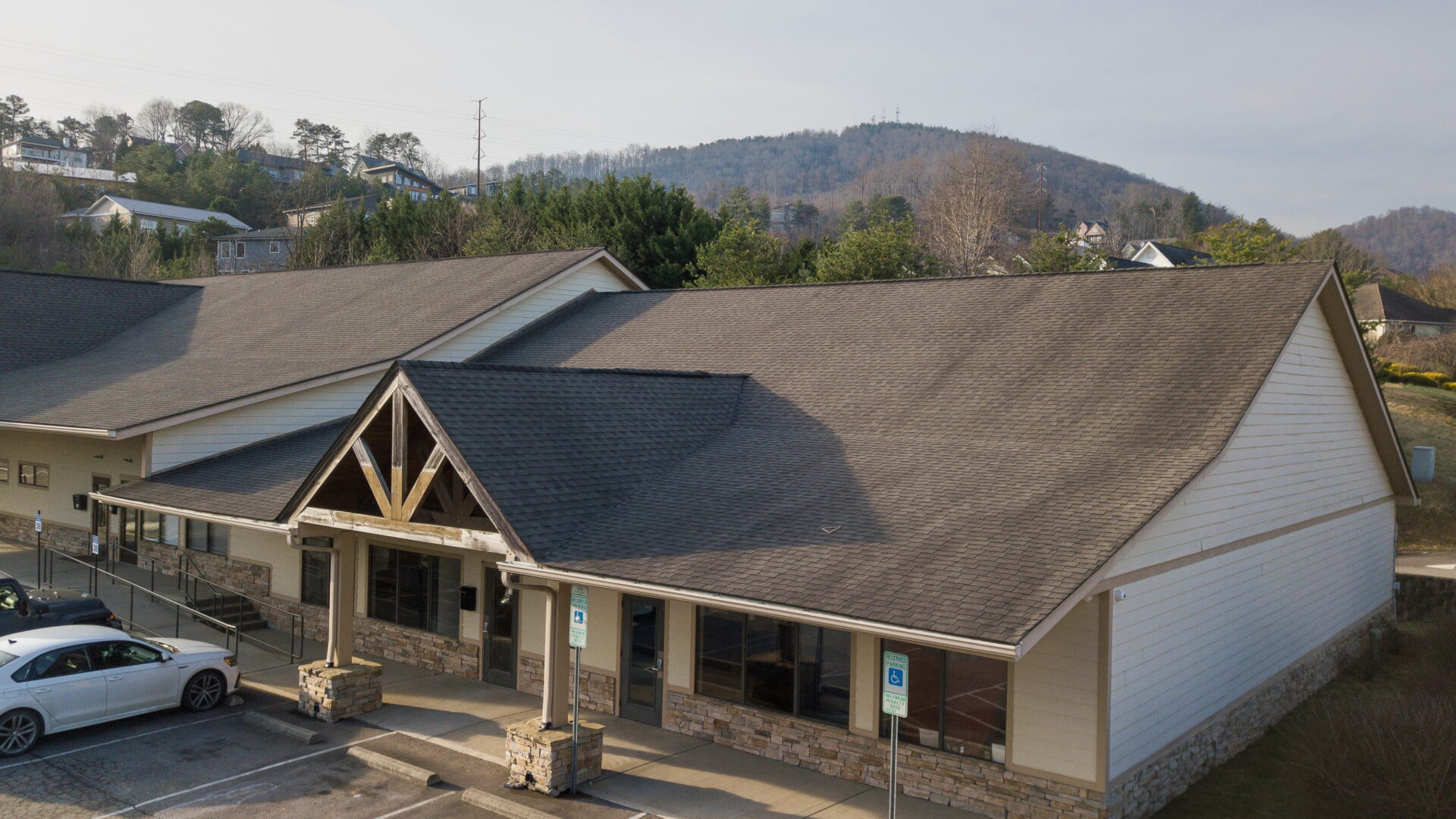
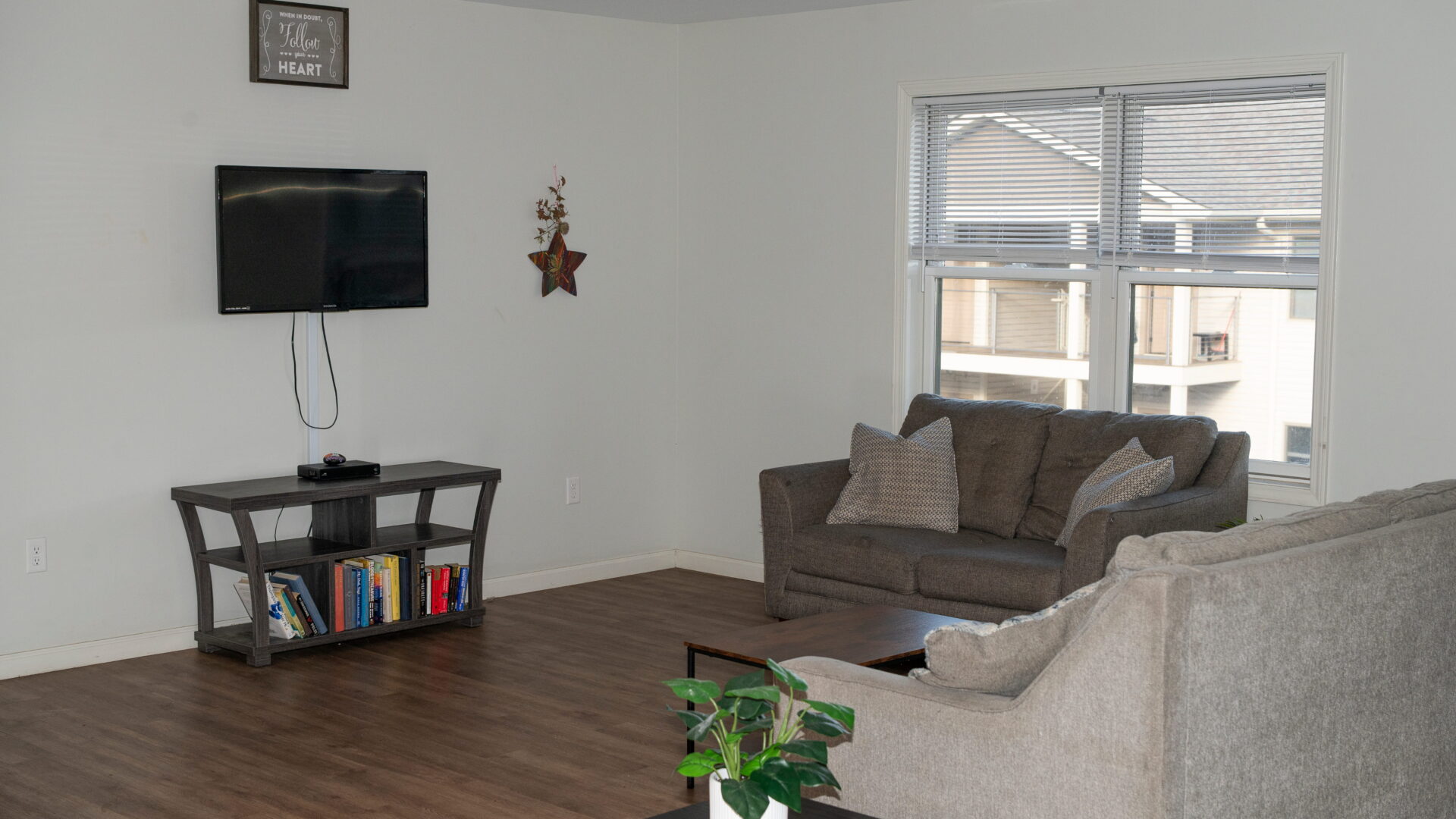
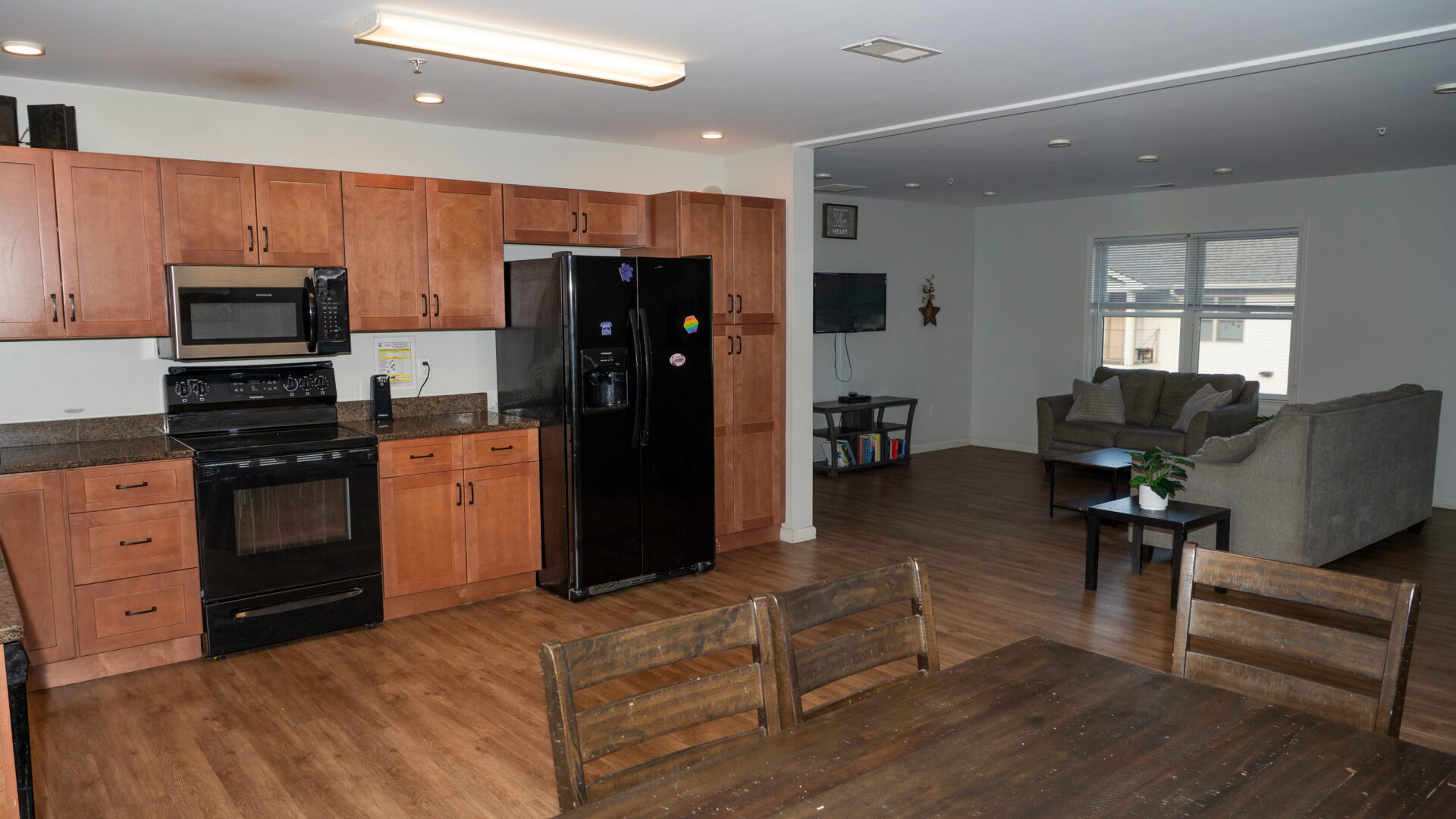
Crest View Recovery Center (Asheville) 3 photos
Comparison facts and sources
Adult outpatient addiction and dual-diagnosis treatment through Day Treatment/SACOT, IOP, MAT and a structured rehabilitation pathway, with supportive sober housing. Crest View is not a hospital, locked facility or on-site medical detox provider. · 876 New Leicester Highway, Suite 4, Asheville, NC 28806, United States
- Published fee information
- Quote required
- Before admission
- This review verifies current Asheville identity, adult outpatient scope, partner-detox boundary, published program-duration descriptions, payer list and aftercare. It does not independently assess care or guarantee coverage, housing availability or price.
- Continuing care
- Aftercare planning may include ongoing therapy, support groups and connection to Crest View's alumni community. Provider materials say program graduates receive alumni access and can continue peer and staff connections.
Source record · October 16, 2026
Current provider-published identity, program, duration, payer, aftercare and alumni pages checked October 16, 2026.. The provider identifies itself as licensed and Joint Commission-accredited; no independent license or accreditation scope review was completed in this field pass.
Luxury rehab comparison · Fees and inclusions · Selection methodology
Provider overview
Crest View Recovery Center is a licensed outpatient addiction and dual-diagnosis provider for adults aged 18 and older at 876 New Leicester Highway, Suite 4, Asheville, North Carolina. It is distinct from similarly named providers in other states.
Current first-party information lists Day Treatment/SACOT, intensive outpatient programming (IOP), a structured 90-day rehabilitation program, medication-assisted treatment, supportive sober housing, aftercare and alumni support. Crest View is not a hospital, locked facility or 24-hour inpatient program. Its official reference states that people who need medically supervised withdrawal are referred to partner detox providers before entering Crest View outpatient care.
Provider pages use several program descriptions. One current treatment page describes an initial 35–45 day phase followed by IOP, while the IOP page says most clients attend for 4–6 weeks; the official-information page also advertises a structured 90-day program. Confirm the exact sequence, schedule and housing term assigned after assessment.
The admissions page lists Aetna, Ambetter, Blue Cross Blue Shield, Cigna/Evernorth, Carolina Behavioral Health Alliance, Employee Assistant Network, GHI/Emblem Health, JRN Consultants, Meritain, UBH/Oscar and UnitedHealthcare as in-network. Coverage and out-of-pocket cost remain plan-specific. No universal cash price is published; request a written USD estimate covering program and housing locations, duration, deductible or coinsurance, taxes, inclusions and optional charges.
Aftercare planning may include ongoing therapy, support groups and connection to Crest View’s alumni community. Provider materials say program graduates receive alumni access and can continue peer and staff connections.
Crest View’s core service is outpatient treatment with housing support
The official provider reference identifies Crest View as an adult outpatient program, with Day Treatment/SACOT, IOP, medication support, and supportive housing. It explicitly distinguishes the service from a hospital, locked facility, or standalone medical detox center.
That is the key distinction when comparing this Asheville provider with residential rehabilitation. A person may live in supportive accommodation while attending substantial clinical programming without receiving hospital-level overnight treatment. The reference describes entry after outside detox, as a step down from residential care elsewhere, or directly when assessment supports outpatient treatment. It also identifies an on-site psychiatrist, licensed therapists, substance-use counselors, and case managers. The proposed plan should state which level is recommended, whether housing is needed, and what would happen if a higher level of medical care became necessary. The center’s structured ninety-day framework is a treatment pathway, not a promise that every admission has the same schedule.
Day Treatment and SACOT require a meaningful weekly commitment
The Day Treatment/SACOT page describes several hours of treatment on multiple days each week, followed by a return to a home-like setting. Its general schedule example is approximately six hours a day on three to five days per week.
Confirm the actual attendance requirement assigned after assessment rather than assuming that general example is a fixed timetable. The program description includes individual, group, and family work, with medical or medication-related support where appropriate. This level provides more structure than occasional outpatient appointments while preserving opportunities to use skills outside sessions. For someone stepping down from a residential program, the living arrangement and travel to treatment need to be planned together. The first review should also establish what progress would support moving to a less intensive schedule, and how the person will obtain help between treatment days.
The IOP page gives a specific schedule and typical duration
Crest View’s intensive outpatient program describes a typical four-to-six-week period, with counselors and licensed therapists seen three times weekly for about three hours per session. The page also describes access to its psychiatrist during IOP.
These details distinguish the program from both day treatment and standard weekly therapy. Individual requirements may change with clinical needs, so confirm the current session times and expected course before arranging work or school commitments. The provider describes education about substances, identifying difficult situations, coping with trauma-related concerns, and learning to socialize without substance use. Its 12-step meetings are described as support alongside clinical treatment rather than a replacement for it. A discharge or transfer plan should identify the appointments that continue after IOP, the professional managing any medication, and the housing or family support available as the structured hours decrease.
Reality-based therapy connects treatment with ordinary daily situations
The reality-based model focuses on present behavior, relationships, personal needs, and practical changes. Crest View describes combining clinical sessions with opportunities to practice coping and independent-living skills outside an isolated treatment environment.
The page discusses daytime treatment, evening recovery meetings, and shared housing arrangements that resemble everyday life. This model is relevant to someone who needs help applying therapeutic work to responsibilities and interactions, rather than only discussing those situations in an office. It should not be interpreted as proof that one setting is superior for every person. Clinical suitability still determines whether outpatient care provides enough support. During assessment, discuss the particular situations the person finds difficult and how the program will work with them. Examples might include handling money, sharing living space, navigating relationships, or planning time without substances. The useful detail is the practice and feedback included in the individual plan.
Sober housing supports a gradual return to independent living
The sober-living program emphasizes a structured, substance-free environment, clear rules, accountability, and a community of peers. It is described for people who need additional stability before returning to their usual living circumstances.
Housing is a distinct part of the care arrangement. The length of a tenancy or supported stay should not be assumed to match the duration of day treatment or IOP. Review the actual property, room arrangement, house expectations, staffing, transport, and charges before moving in. The clinical plan should explain which treatment sessions accompany housing and which supports remain available after those sessions end. Someone with an otherwise suitable home may have a different arrangement from someone whose living environment contains active substance use. The provider’s broad discussion of longer stays is a reason to plan the transition carefully, not a fixed residential prescription for every client.
Pet-friendly arrangements require advance agreement
The pet-friendly program page describes options for bringing a companion animal during outpatient treatment and related accommodation. Crest View says animals must meet its health and safety requirements and directs prospective clients to discuss the details with admissions.
This feature may remove a practical obstacle for someone responsible for a pet, but it should be confirmed before travel or housing is booked. Establish which animals are accepted, the relevant property rules, required records, any charges, and who is responsible for care while the owner attends clinical sessions. The provider describes designated pet spaces and opportunities for walks; availability should be checked for the assigned accommodation. The animal’s presence is part of the living arrangement and should not be confused with a specific clinical intervention or a guarantee about treatment results. People with allergies or other accommodation needs should also raise them early.
Hope Connections provides support for friends and family
The family-service page describes Hope Connections as a free support group for friends and family, delivered in a clinically led format. It gives loved ones space to discuss their own experience and connect with others facing similar concerns.
Family support and the client’s individual clinical treatment have related but different purposes. A relative can need help understanding communication, boundaries, or their own stress even when the client is receiving care separately. Confirm the current meeting arrangements and whether additional family sessions form part of the individual’s plan. Participation should reflect consent, the safety of the relationships involved, and the goals of treatment. The page discusses helping families understand substance-use problems and reconnecting after strain. A useful plan will make clear which people are involved, what information can be shared, and how support can continue when the client returns to more independent daily life.
Life-skills work covers concrete responsibilities
The life-skills program lists communication, time management, budgeting, stress management, healthy routines, and problem-solving among its workshop topics. Crest View says the work starts with an assessment of the person’s needs and challenges.
This gives a prospective client specific subjects to discuss during treatment planning. Someone returning to education may need a workable study and appointment schedule; someone living independently may need support organizing bills, meals, or transport. The program also describes reconnecting with the community through activities and opportunities outside clinical appointments. These are practical components of rehabilitation rather than promises of a job, a qualification, or a particular financial outcome. Ask how relevant skills will be practiced and reviewed during the proposed stay. The benefit of this part of the model is its connection to the tasks the individual must manage after treatment hours become less intensive.
Aftercare planning begins early in the program
The aftercare page describes a staged process: early discussion with a clinician about goals and immediate work or legal concerns, further conversations with client liaisons in the first week, and individualized options developed with case management around day fourteen.
The timing is useful because decisions about the next level of care should not all be left until departure. The provider says clients choose among appropriate options with case-manager support. Depending on the plan, continuing care may involve therapy, recovery meetings, supportive accommodation, and connection with the alumni community. These components need individual schedules and clear responsibility for follow-up. Before leaving, confirm the receiving professionals, start dates, medication arrangements, and any housing or transport commitments. The provider’s planning sequence is a framework; a shorter admission or changing needs may require a different pace. Alumni contact can complement clinical care without replacing appointments needed for ongoing symptoms.
Admission combines clinical screening with financial clarification
The admissions page says staff gather substance-use and medical history, discuss payment, and help address logistical concerns. It lists several commercial insurers as in-network, including Aetna, Ambetter, Blue Cross Blue Shield, Cigna/Evernorth, and UnitedHealthcare.
The relevant question is whether the actual policy covers the assigned service, at the relevant location, for the proposed period. A payer appearing in a list does not establish those details. Obtain the benefits check, authorization requirements, and estimated personal charges alongside the clinical recommendation. Housing and treatment may have different billing arrangements and should be explained separately. Someone transferring from another provider can ask the teams to coordinate records and dates with permission. The admission discussion should also address transport, work or school attendance, and any practical barriers to participating in the recommended outpatient schedule. The agreed plan should be clear before commitments are made.
Young-adult programming focuses on the transition into adult life
The young-adult program describes individual and group therapy, family involvement, and work on personal, educational, and employment goals. It applies Crest View’s practical treatment model to the responsibilities that can accompany early adulthood.
Young-adult programming should not be assumed to mean a service for children. Crest View’s broader eligibility is adult care, and the exact fit should be established during screening. A prospective participant can discuss how treatment will interact with college, employment, housing, or dependence on family support. The page also describes wellness activities such as yoga, meditation, and nutritional guidance alongside therapeutic care. These are parts of the proposed program to review, not evidence that every participant receives the same set of sessions. Clarify the relevant peer group, family-consent arrangements, and the plan for continuing education or work as attendance becomes less intensive.
LGBTQIA+ programming addresses identity and social context
The LGBTQIA+ program describes individual and group treatment that can address identity, coming out, self-esteem, family relationships, and experiences of stigma. Its stated aim is an affirming setting in which clients can discuss concerns relevant to their lives.
A program label is the starting point for a more specific conversation about fit. Discuss the proposed group, staff experience, privacy, housing arrangements, and any communication with relatives or other supporters. Personal identity should not be treated as an illness or assumed to explain a substance-use problem. The provider’s page describes tailoring treatment to individual needs, alongside options such as CBT, DBT, creative work, and family counseling. The care plan should show which of these are relevant to the person, how concerns about safety or acceptance will be handled, and how supportive relationships can continue outside treatment.
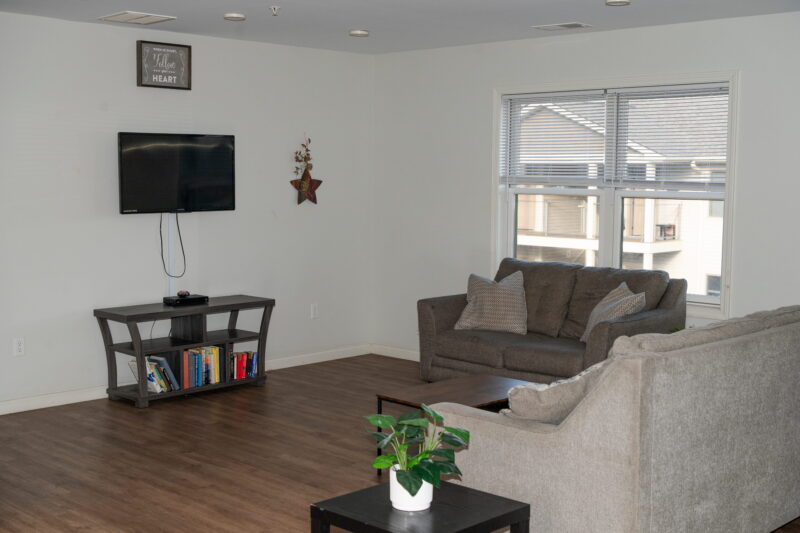
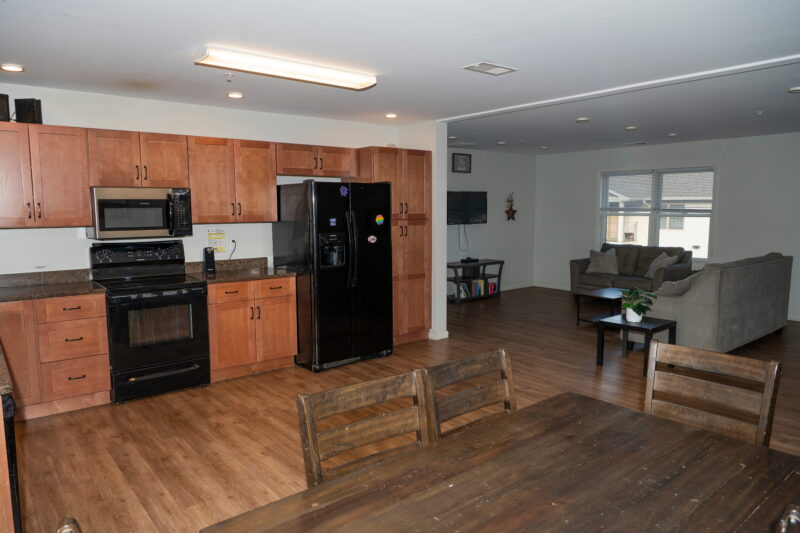
The facility tour shows treatment spaces and shared accommodation
The facility guide shows clinical rooms and sober housing, with furnished bedrooms, kitchens, dining areas, community lounges, exercise space, and outdoor gathering areas. It also describes activities such as bowling, mini-golf, and outings that form part of practicing social life without substances.
Tour materials cover more than one function, so distinguish the clinical address from the accommodation assigned to the client. Confirm the room arrangement, transport between sites, accessibility, and which facilities are available during the proposed program. Shared kitchens and lounges are consistent with the provider’s emphasis on everyday routines and peer interaction; they do not establish a private-room or single-client service. The tour can help someone judge comfort and practical fit, while the treatment schedule and level of clinical support need to be assessed separately. An in-person or virtual discussion can address details that photographs cannot show.
Source check: October 18, 2026, for the additional provider details above.
Sources and verification
Official provider reference; official Day Treatment/SACOT page; official IOP page; official admissions and payer page; official aftercare page; official alumni page. Checked October 16, 2026. This summary reflects provider-published information, not an independent clinical assessment or guarantee of coverage.