Understanding the different treatment routes in Tampa
A Tampa rehab search may involve addiction treatment, outpatient mental health care, an eating disorder program, support for a child or family, or help during a crisis. These needs should not be grouped into one standard residential offer. Begin with an assessment of the current concern and the support required. Then compare providers that can deliver the recommended care, paying attention to the receiving location, clinical responsibilities, age eligibility, and practical attendance requirements.
The directory includes Clean Recovery Centers, Families First of Florida, and Turning Point of Tampa. It also retains a Coalition Recovery profile with unresolved operating and admissions details. Read the records individually: a directory entry is not proof of current availability, and these organizations should not be assumed to provide identical services.
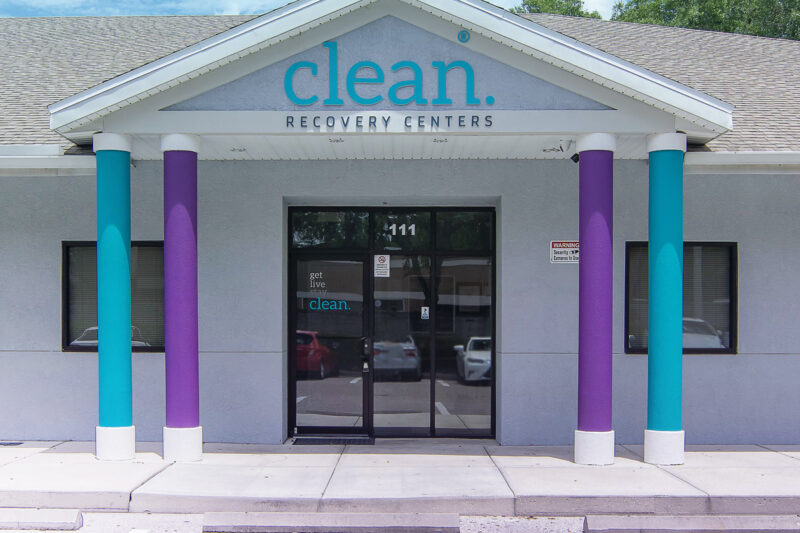
Clean Recovery Centers' Tampa page lists day and night treatment with community housing, intensive outpatient care, outpatient services, and a mental health residential level II program. It describes substance use and mental health treatment within a wider network. Ask which Tampa program is proposed and what the provider means by the relevant level-of-care terminology. The clinical service and any accompanying housing should be explained separately.
Confirm whether assessment, treatment, accommodation, and later appointments occur at the same address. A network-wide program menu may describe services across several locations, while the Tampa page identifies a more specific offer. If the recommended care requires another site or a different stage first, request the receiving provider and confirmed handover arrangements. Avoid assuming that every service mentioned anywhere on the website is delivered at one Tampa facility.
Families First of Florida provides a different service model
Families First of Florida's official website describes support for children, adults, and families with emotional and mental health needs. Its outpatient services page lists assessment, psychiatry and medication management, individual and family counseling, case management, and substance use services. It explicitly notes that not all services are available at each office or in the home. Confirm the actual service and receiving team for the person seeking help.
Do not interpret this listing as a general promise of residential addiction treatment or medical withdrawal management. Ask about the appropriate appointment, age eligibility, referral process, and whether care occurs in an office, at home, or through another arrangement. When a child or family is involved, explain existing clinicians, school concerns, and practical needs so that the assessment team can identify a suitable route rather than relying on a broad directory category.
Turning Point of Tampa's published programs
Turning Point of Tampa's program information describes treatment for substance use, eating disorders, and co-occurring concerns. The provider publishes separate information about residential care, day treatment, and intensive outpatient programming. Ask which service is being recommended for the individual and how the team assesses eligibility. A description of several treatment areas does not establish that every person receives the same clinical plan or admission pathway.
The provider's intensive outpatient page describes an adult evening program meeting three evenings per week for three hours per session. Confirm the current schedule and whether additional individual or medical appointments occur outside those hours. Its day treatment page describes attendance during the day followed by returning home in the evening. Housing and ongoing care arrangements therefore require separate discussion.
Keep Coalition Recovery's verification limits visible
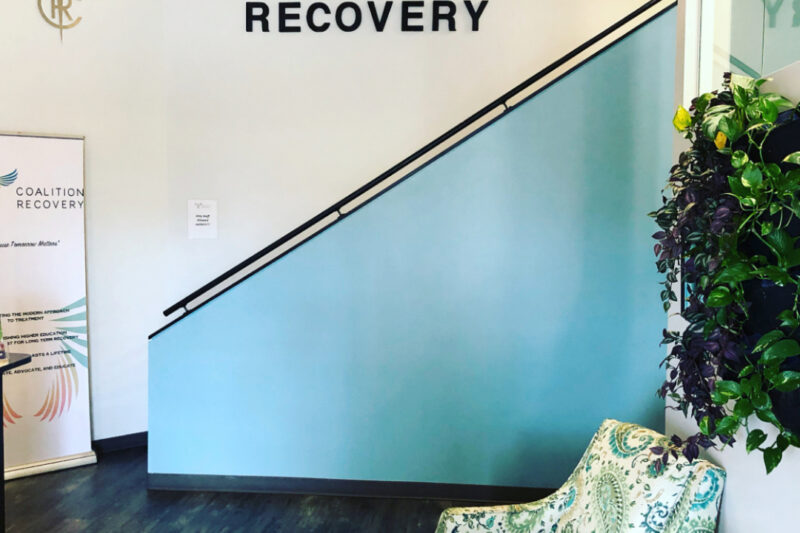
The current Coalition Recovery profile distinguishes published program descriptions from facts that remain unresolved. It states that the current operating entity, facility license, and admissions status have not been established. The material discussed in that profile describes outpatient services and separate housing, with referral elsewhere when immediate medical detoxification is needed. This guide does not treat that record as a confirmed active residential or detox admission option.
If considering a service with unresolved identity or status information, verify the current operator, receiving address, license, and admissions contact before relying on historical materials. A branded website, photograph, or old directory entry may continue to exist without answering those questions. Ask which legal entity would provide and bill for the proposed care, and obtain a clear explanation of the actual clinical arrangement.
The Crisis Center of Tampa Bay's Gateway Contact Center provides free, confidential support and connections to community resources through 211, available around the clock. This is another route for discussing where to seek help, including needs that fall outside the providers listed here. Explain the current circumstances and ask what assessment, referral, or other practical next step is appropriate.
The organization's contact guidance directs people with a medical emergency to call 911 and explains that routine online messages are monitored during business hours. Use the appropriate immediate contact route instead of waiting for an online form when urgent help is needed. A directory inquiry and a treatment admission form are not substitutes for an emergency assessment.
Describe what has changed in the person's daily life, the main reason for seeking help, and any existing diagnoses or treatment. Prepare an accurate list of prescriptions, recent substance use, physical health concerns, previous care, and professionals already involved. Ask which records are needed and how to provide them securely. A clear history helps the assessor understand the situation without relying only on a brief program inquiry.
Explain the person's goals and practical circumstances as well. Work, school, caregiving, mobility, housing, and transportation may affect which arrangement can be followed consistently. Ask how those factors will be considered alongside clinical needs. The proposed plan should identify the services recommended now and how it will be reviewed, rather than promising that one program will address every concern in a fixed period.
Clarify care, housing, and professional coverage
If a program combines outpatient treatment with accommodation, ask who operates the residence and what support is available there. Clarify whether housing is optional, whether it is included in the clinical price, and how residents travel to appointments. An overnight place to stay does not by itself establish continuous medical or nursing care. The relationship between the clinic and residence should be understandable before a commitment is made.
Ask who provides assessment, therapy, medical review, medication management, and practical support. Identify which professionals are present and which are available by appointment or on call. If several organizations participate, establish who coordinates the overall plan. A list of services is more useful when it explains the actual appointments and responsibilities included for the person receiving treatment.
Confirm age eligibility and family participation
Age groups and family involvement vary by program. A provider's organization-wide description may include children and adults while individual services have narrower eligibility. Confirm the receiving team's age range, admission requirements, and approach to involving parents or guardians. Ask how the person receiving care participates in decisions and how the plan relates to existing treatment or school responsibilities.
For adults, ask what permission is required before relatives can receive updates or attend meetings. Clarify whether family support is included in treatment, provided through a separate appointment, or referred elsewhere. Practical help with transport, scheduling, and questions can be valuable, but it should be organized around the patient's wishes and the clinical team's explanation of confidentiality and responsibility.
Discuss language, hearing, mobility, or other communication needs before the first appointment. Ask who will arrange any necessary assistance and whether the same support will be available throughout the proposed program. These details can affect how comfortably and fully a person participates in assessment and treatment discussions.
Check the program and its credentials
The Florida Department of Children and Families publishes substance use licensing information. Ask the prospective provider for its legal operator name, exact location, and relevant program details. Match those particulars to the licensing information appropriate to the service. A credential associated with one address or program should not automatically be applied to every site using the same brand.
Ask separately how to verify the qualifications of the clinicians involved. Organizational licensing, professional credentials, accreditation, and insurance participation answer different questions. They should be considered alongside the actual clinical plan and receiving setting. Where a provider makes an outcome or quality claim, ask what supports it and whether it concerns the program being offered, rather than treating it as a guaranteed result.
Get costs and coverage tied to the proposed care
Request a written estimate for the assessment and recommended program. Clarify clinical appointments, medications, testing, housing, meals, transport, and follow-up that may be charged separately. Ask about deposits, cancellations, missed appointments, and changes if the plan is extended or transferred. A residential price and an outpatient package cannot be compared fairly without knowing what each includes and how long it is expected to continue.
Confirm insurance benefits for the specific provider, location, professional, and type of service with the responsible insurer. Ask about authorization and the person's expected share of costs. If seeking publicly supported services or reduced charges, ask about current eligibility and documentation. A general statement that a program is affordable or accepts insurance does not determine what a particular person will pay.
Plan attendance and transitions across Tampa
Use the actual receiving address and timetable when arranging transportation. Consider the return trip, parking or transit, accessibility, and a backup option for repeated visits. Ask whether later stages occur at another site and whether any transport support is available to the individual. A broad description of serving the Tampa Bay area does not establish the practicality of a particular commute or guarantee transfers between locations.
Before the current stage ends, confirm the next appointment, receiving professional, records to be transferred with permission, and responsibility for continuing prescriptions or therapy. Provider and official service information was reviewed on October 22, 2026. Published descriptions do not establish immediate availability or independently verify outcomes. Compare the actual care and next agreed step, while keeping the explicit limits attached to unresolved provider records visible.
Back to guide contents↑