Clean Recovery Centers
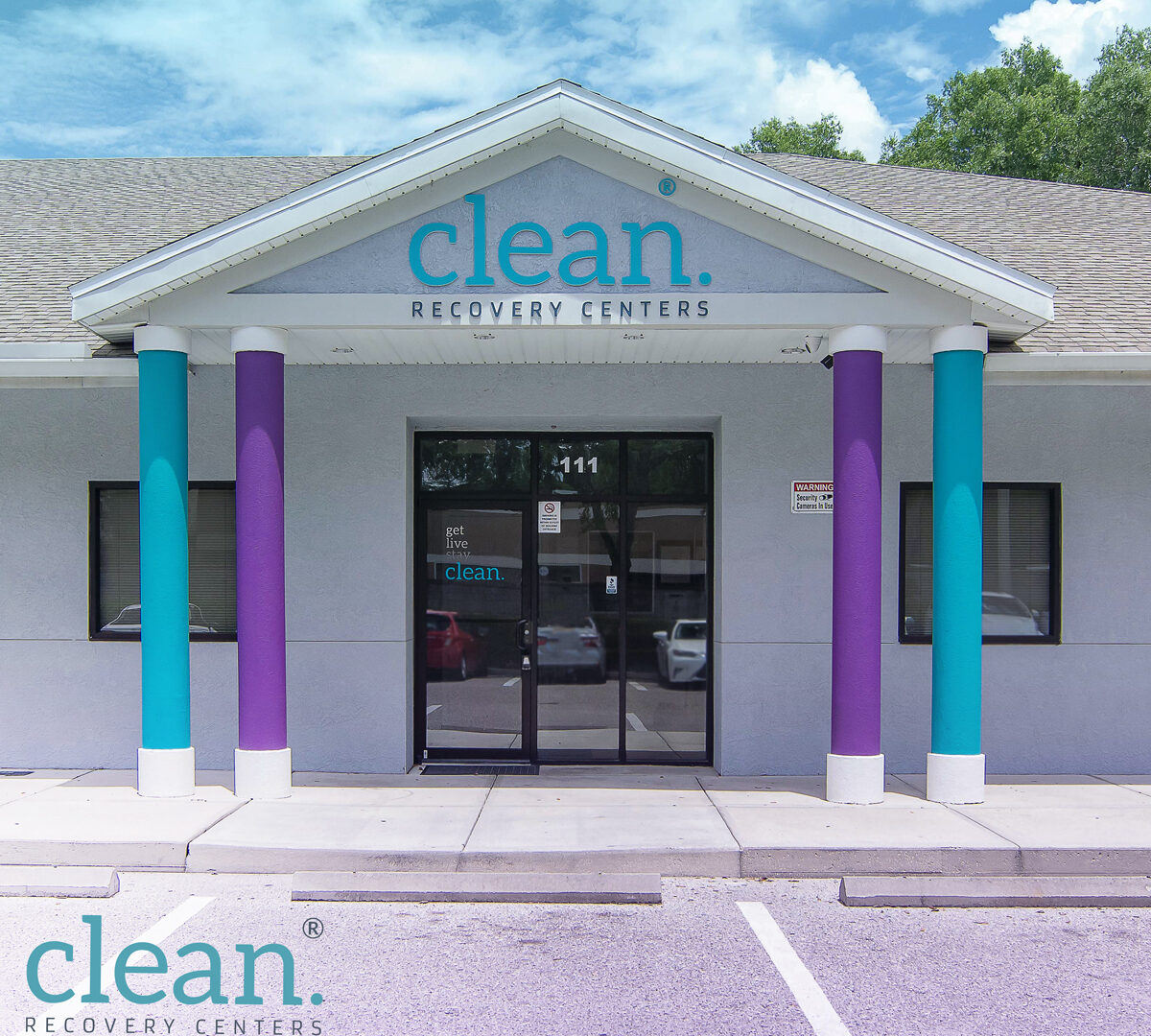
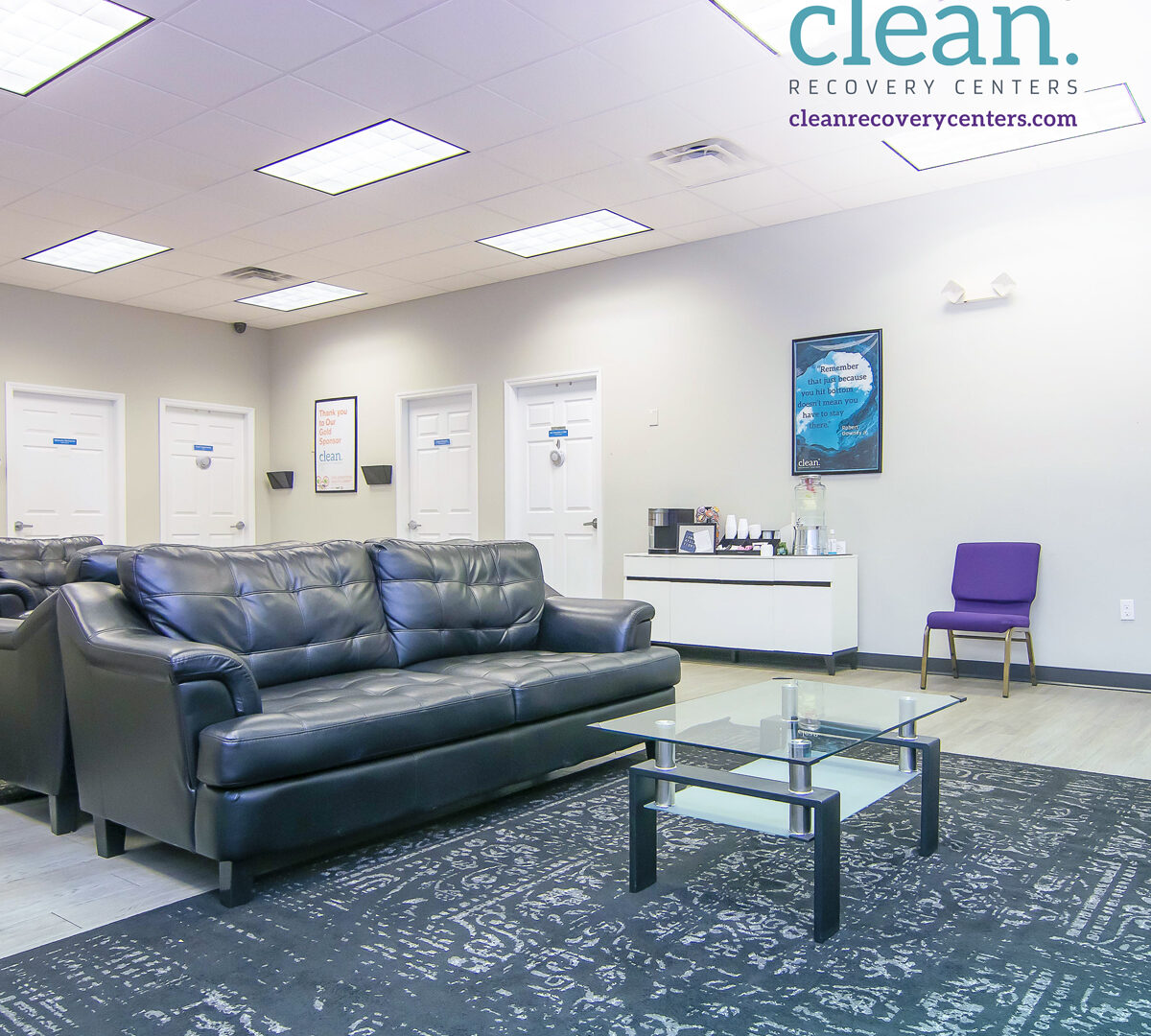
Clean Recovery Centers 2 photos
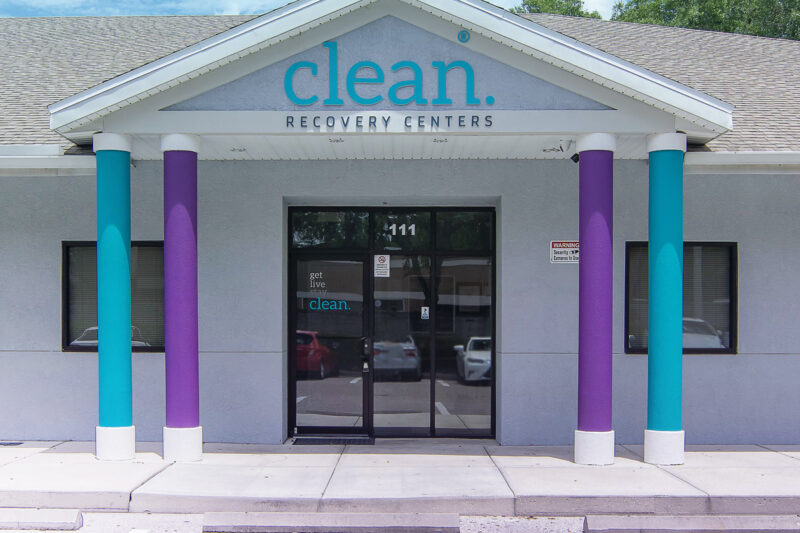
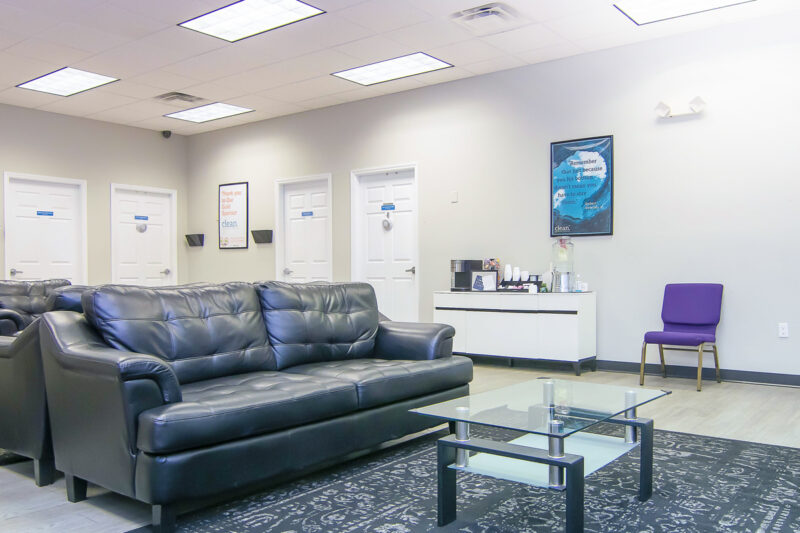
Comparison facts and sources
Tampa service listing within a Florida network: mental-health Residential II, day/night treatment with community housing, IOP, outpatient and alumni services. Do not assign every network service to this campus. · Tampa treatment center: 508 W Fletcher Avenue, Tampa, Florida 33612; 888-330-2532; help@cleanrecoverycenters.com. Corporate 506 W Fletcher Avenue and other network campuses are distinct.
- Published fee information
- Quote required
- Before admission
- Official Tampa-specific and generic page wording differ on detox. Retained the specific campus list without adding detox to Tampa. Detailed taxonomy, social/maps, exact housing charges, fees and taxes remain unverified.
- Continuing care
- Ongoing alumni contact every 30–45 days, or more often by request, plus virtual/in-person peer meetings, newsletters and events.
Source record · October 17, 2026
Scoped current official-source program, duration, aftercare and payer review; other fields and individual costs remain unverified.
Luxury rehab comparison · Fees and inclusions · Selection methodology
Clean Recovery Centers is a Florida network of addiction and mental health treatment facilities. This record uses its Tampa Recovery Center at 508 West Fletcher Avenue, but the network also operates sites in New Port Richey, Sarasota, Largo, Bradenton and a transitional-living location in Nokomis.
The Tampa site lists mental health residential level 2, day/night treatment with community housing, intensive outpatient, outpatient and alumni services. Current network guidance describes phase II as typically three to four weeks and phase III, which includes IOP and outpatient care, as generally six to eight weeks, subject to clinical need. Detoxification and residential level 1 are provided at other named campuses, so those services are not assigned to Tampa.
Clean Recovery Centers currently publishes (888) 330-2532 and help@cleanrecoverycenters.com. The provider accepts major insurance, verifies benefits before treatment and offers an ongoing alumni program with regular check-ins and peer support. Coverage, accommodation and costs depend on the selected campus and program; no network-wide weekly rate is published.
Start with the Tampa-specific service list
The Tampa location page identifies the treatment center at 508 West Fletcher Avenue. Its prominent program list includes mental health Residential Level II, day/night treatment with community housing, IOP, outpatient treatment, and alumni services. These are the most useful starting points for understanding the location represented by this profile.
Other passages on that same page use broader language about detoxification and the full network continuum. Because those descriptions are not consistent with the campus-specific list, confirm the exact receiving facility if withdrawal management or Residential Level I is recommended. This profile does not resolve that difference by assigning every network service to Tampa. A referral should specify the program and arrival address. The distinction is also relevant to accommodation: participation in outpatient treatment, community housing, and an overnight clinical program can involve different arrangements even when they are offered by the same organization.
Different campuses and housing locations
The facilities directory distinguishes the Tampa treatment center from the corporate office next door at 506 West Fletcher Avenue. It also describes separate locations in New Port Richey, Sarasota, Largo, and Bradenton, and a Nokomis housing site connected with Sarasota services. Some descriptions retain older opening announcements, so they are not a reliable way to infer a current vacancy or launch date.
The practical value of this directory is identifying which address serves which purpose. Ask whether appointments and accommodation are in the same building, how transportation between them works, and where a transfer would take place if the level of care changes. The Tampa description includes clinical meeting space and a social lounge called Clean Café. These details help explain the setting, but they do not establish private-room occupancy or a hospital level of observation. The proposed treatment and housing arrangements should be confirmed together.
The three phases describe a flexible pathway
The program overview divides care into Preparation, Action, and Maintenance. It describes Phase I as typically three to four weeks involving detoxification and Residential I, Phase II as typically three to four weeks, and Phase III as typically six to eight weeks. These are network planning examples. They are not a requirement that every person completes every phase, or a fixed calendar for a Tampa admission.
Phase II separates substance-use day/night care from a mental-health pathway, while Phase III includes IOP and standard outpatient care. Ask which part of that sequence is actually recommended and when the team will review the next step. The same overview says additional wellness services are optional and charged separately from the standard medical and treatment program. A complete quote should therefore identify those extras, rather than treating every activity mentioned on the website as included in the core daily charge.
What day/night treatment involves
The day/night treatment description explains a program intended to prepare clients for greater independence and a later outpatient stage. Its four named components involve experiential work, examining defensive patterns, exploring beliefs, and considering how words and actions relate to behavior. The examples include group participation, reflection, and setting short-term goals.
Those descriptions give a sense of the provider’s approach, but the individual timetable is still important. Ask how much of the week involves groups, when individual sessions occur, and how progress is reviewed. The presence of community housing does not change the program into a general hospital or make every hour a clinical session. People who can commute should discuss whether living at home is suitable, while people using housing should clarify its separate rules and supervision. A useful proposal should connect the clinical schedule with the practical arrangements required to attend it.
Mental health care without a substance use requirement
The mental-health program page explicitly says that a person does not have to have a drug or alcohol addiction to enter that program. It describes psychiatric evaluation, individual and group therapy, family involvement, and care for concerns such as depression, anxiety, bipolar disorder, and trauma. This differs from a service that only addresses mental health symptoms alongside a primary addiction diagnosis.
The program still requires an individual assessment of suitability. A diagnosis listed on a website does not establish that every level of severity can be managed at the same facility. Ask which track is proposed, who will oversee psychiatric care, and how existing clinicians will be involved. The provider describes several therapeutic approaches, including trauma-focused work and creative activities. The specific clinician, frequency, and appropriateness of those options should be part of the plan, rather than assuming that every named technique is a standard component for every client.
Residential Level II and PHP are distinct steps
The Residential Level II page identifies Tampa and Sarasota as locations for this mental-health service. It describes housing, meals, psychiatric evaluation, and treatment in a residential environment. It then describes partial hospitalization as a possible progression after Residential Level II, or when otherwise clinically appropriate, with structured daytime treatment and life outside the program in the evening.
This distinction deserves attention because other website wording sometimes places Residential II and PHP close together. Ask the team to name the exact level being recommended and explain what overnight support is included. The answer should establish whether the person is entering residential mental-health care, attending PHP while living elsewhere, or using an additional housing arrangement. These labels are meaningful only when paired with the actual staffing, schedule, and receiving location. They should not be used interchangeably to describe a single guaranteed package.
IOP, outpatient appointments, and case management
The Phase III description distinguishes IOP from standard outpatient care and separates substance-use and mental-health tracks. Its substance-use examples give a minimum of nine service hours weekly for IOP and two hours for outpatient care. The broader six-to-eight-week estimate covers this phase, rather than establishing one fixed duration for each component.
The page describes group attendance that becomes less frequent over time, weekly individual therapy, and weekly case-management meetings. Case management addresses practical areas such as time management, work, finances, communication, and housing planning. These are useful details for someone preparing to return to daily responsibilities. Confirm the current Tampa attendance days and whether work or school can fit around them. The clinical recommendation should determine the appropriate intensity; a minimum number of hours does not automatically make two different programs equivalent or establish that someone is ready to step down.
Community housing and commuting options
The Living Clean page describes community housing for day/night treatment and transitional living for IOP or outpatient participants. It states that the residences are certified by the Florida Association of Recovery Residences and links to grievance information. That is the provider’s description of the housing arrangement, rather than an independent review of a particular home.
The same page advertises a non-transitional option with evening sessions on Monday, Tuesday, and Wednesday from 6 p.m. to 9 p.m. Confirm the receiving program, campus, and current availability before relying on that schedule. Someone considering a residence should also request its exact address, room arrangements, supervision, transport, and charges. Clinical attendance and a housing agreement are related but separate decisions. A person commuting from home should understand the treatment schedule without assuming that paying for accommodation is required for every outpatient service.
The family program and its timing
The family-services page describes education about addiction, communication, conflict resolution, trust, and supporting recovery. It invites families to a group program every other Friday from 1 p.m. to 3 p.m. after the client has stabilized, giving approximately two weeks as a typical example. Individual family sessions may be arranged afterward.
The timing is a published program description rather than an automatic visiting entitlement. Ask when participation is appropriate for the individual, where the meeting takes place, and whether a relative joining from elsewhere has another option. Family education, a multi-family group, and an individual family therapy appointment have different purposes. It is useful to establish which is recommended and how it connects with the client’s treatment goals. The provider’s description emphasizes both learning and applying that information to the family’s circumstances; it does not promise that a particular relationship issue will be resolved within one meeting.
Preparing for the recommended program
The admissions explanation describes a pre-admission assessment of substance use, mental health, and other needs, followed by insurance verification and discussion of the proposed plan. Its preparation guidance requests identification, insurance information, medications in their original containers, and a current medication list. It also provides a list of suitable clothing and personal items for people staying in its accommodation.
The page says phones, tablets, and other electronic devices may be brought, while their use can be limited by the level of care or daily activities. Confirm the specific rules before planning to work remotely during treatment. Packing guidance for an overnight stay is different from preparation for a commuting outpatient appointment, so the receiving program should provide the relevant instructions. Share any accessibility or other practical needs during intake and ask how they will be addressed. These details help avoid arriving with expectations based on another campus or another treatment phase.
How payment is arranged
The costs and payments page describes private insurance, financing arrangements, and self-payment as potential payment routes. It says costs vary with the type of treatment and insurance use, and it asks people to verify the current policy rather than rely on a static list of insurers. It does not give a universal weekly fee for the whole network.
Request a proposal tied to the actual Tampa program and any housing or other campus services involved. It should explain the expected treatment period, covered services, deductible or coinsurance, and charges that may remain outside insurance. If financing is offered, review that agreement separately from the clinical recommendation. Moving between phases or locations can also change the services being billed. A general statement that the organization works with an insurer is therefore only the beginning of establishing the individual’s likely financial responsibility.
Alumni support and ongoing clinical care
The alumni program welcomes people who have attended Clean Recovery, regardless of when they left or which program they entered. It describes contact every 30 to 45 days, with more frequent communication available by request. Published activities include virtual and in-person meetings, newsletters, social groups, and events involving the Tampa and Sarasota communities.
These opportunities are intended to keep former clients connected, but they should be distinguished from continued clinical treatment. Ask how to join, what communication preferences can be set, and which local or virtual activities are currently running. A discharge plan should separately identify any recommended therapy, psychiatric follow-up, or other medical care. The alumni page also discusses volunteering, speaking, and possible employment opportunities after a period of sobriety; those are possibilities within the community, not guaranteed jobs or part of a treatment outcome promise. The important point is understanding the support that is actually available after the formal program ends.
Official provider sources reviewed October 19, 2026. Tampa-specific and broader network wording differ on detoxification; confirm the exact receiving service and location. Published schedules are examples, and housing, optional wellness services, clinical eligibility, coverage, and personal costs require individual confirmation.
Sources
Sources checked October 17, 2026.