Choosing a Boca Raton treatment program
A search for the best luxury rehab in Boca Raton should begin with the person's clinical needs and the service operating at the actual address. The current listing here is Kandela Recovery Center. Its published services include residential mental health treatment, substance use and co-occurring care, and medical detox. Those are different admission pathways, even when they are offered under the same brand. Ask which pathway is proposed and what assessment supports it.
Boca Raton is part of a wider South Florida treatment market. A provider that advertises help for Boca Raton residents may be based elsewhere. Confirm where assessment, overnight accommodation, therapy, and medical care occur. Use the wider Florida guide to compare alternatives when a local listing does not fit, while keeping the travel and follow-up implications visible.
Primary mental health care needs its own admission plan
Kandela's mental health residential page describes people living on site with continuous staff care. The conditions it lists include depression, anxiety, bipolar disorder, obsessive-compulsive disorder, schizophrenia, and trauma-related concerns. This establishes that its published scope extends beyond addiction. It does not establish that every person with one of those diagnoses can be admitted at every level of severity.
For someone seeking depression treatment, request a description of the proposed psychiatric assessment, psychological work, medication review, and daily structure. Ask how those elements differ from the plan for a person admitted primarily for substance use. A relevant diagnosis on a website is a starting point for discussion; a named clinician should explain how the program fits the individual's presentation.
Share recent hospital records, current prescriptions, relevant medical conditions, and previous treatment experiences. If a person needs urgent stabilization, admission to a residential center should follow an appropriate clinical decision. A private room or an immediately available bed does not establish that a residence can meet hospital-level needs. Obtain the team's acceptance of the actual circumstances before arranging travel.
Residential duration is assessed rather than guaranteed
The residential inpatient description gives a usual stay of approximately three to four weeks, depending on the person's needs, and describes support with transition afterward. It also discusses individual counseling, group work, family involvement, and broader wellbeing activities. The published duration is a guide to the program, not a promise that treatment will be complete within a fixed number of days.
Ask what the team expects to assess in the first week and how progress will be reviewed. Useful goals may involve daily functioning, engagement with therapy, an agreed medication plan, or preparation for care at home. Request a review date and an explanation of what could lead to an extension, a lower level of care, or transfer to another setting. Those decisions should be clinical and understandable.
If insurance approves a shorter period than the treating team recommends, ask how the disagreement will be managed and what choices the patient has. A quote, an insurer's authorization, and a clinician's recommendation can describe different periods. Keep all three in the planning discussion so the family can understand both the care plan and any financial responsibility.
Medical detox is separate from the longer recovery plan
Kandela's detox page describes medical oversight, individualized withdrawal management, and medication when appropriate. It gives a common duration of three to ten days while noting that some people need more than two weeks. The provider also describes rooms with private bathrooms and an on-site chef. These details should not be interpreted as a guarantee of private bedroom occupancy or a fixed detox package.
Before a detox admission, the medical team needs an accurate history of alcohol and other substance use, prescriptions, past withdrawal complications, and other illnesses. Ask which risks the service accepts, what monitoring is available overnight, and when hospital transfer would be needed. Do not stop prescribed medication independently to meet an assumed entry requirement. Obtain instructions from the clinicians responsible for assessment.
The next stage after withdrawal depends on the person. Residential treatment may be recommended, while another person may need a different clinical setting or a structured outpatient plan. Ask who will make that recommendation and whether the proposed next provider has accepted the referral. Treat detox, continuing addiction care, and longer-term mental health support as connected decisions with distinct goals.
Clarify what co-occurring treatment means in practice
For a person experiencing both substance use problems and a mental health condition, ask how the same team will coordinate assessment and treatment. The plan should explain which symptoms are being monitored, who handles psychiatric care, and how substance use treatment and psychological work fit together. Avoid assuming that a general dual-diagnosis label specifies the amount of individual therapy or the availability of a particular intervention.
Discuss practical barriers that affected earlier treatment. These might include difficulty with groups, problems maintaining appointments, a medication concern, or a home environment that makes recovery harder. The value of an individualized program lies partly in how it responds to those issues. Ask for specific adaptations that are feasible within the center's staffing and schedule, rather than a general assurance that everything is tailored.
Confirm the address, room arrangement, and daily experience
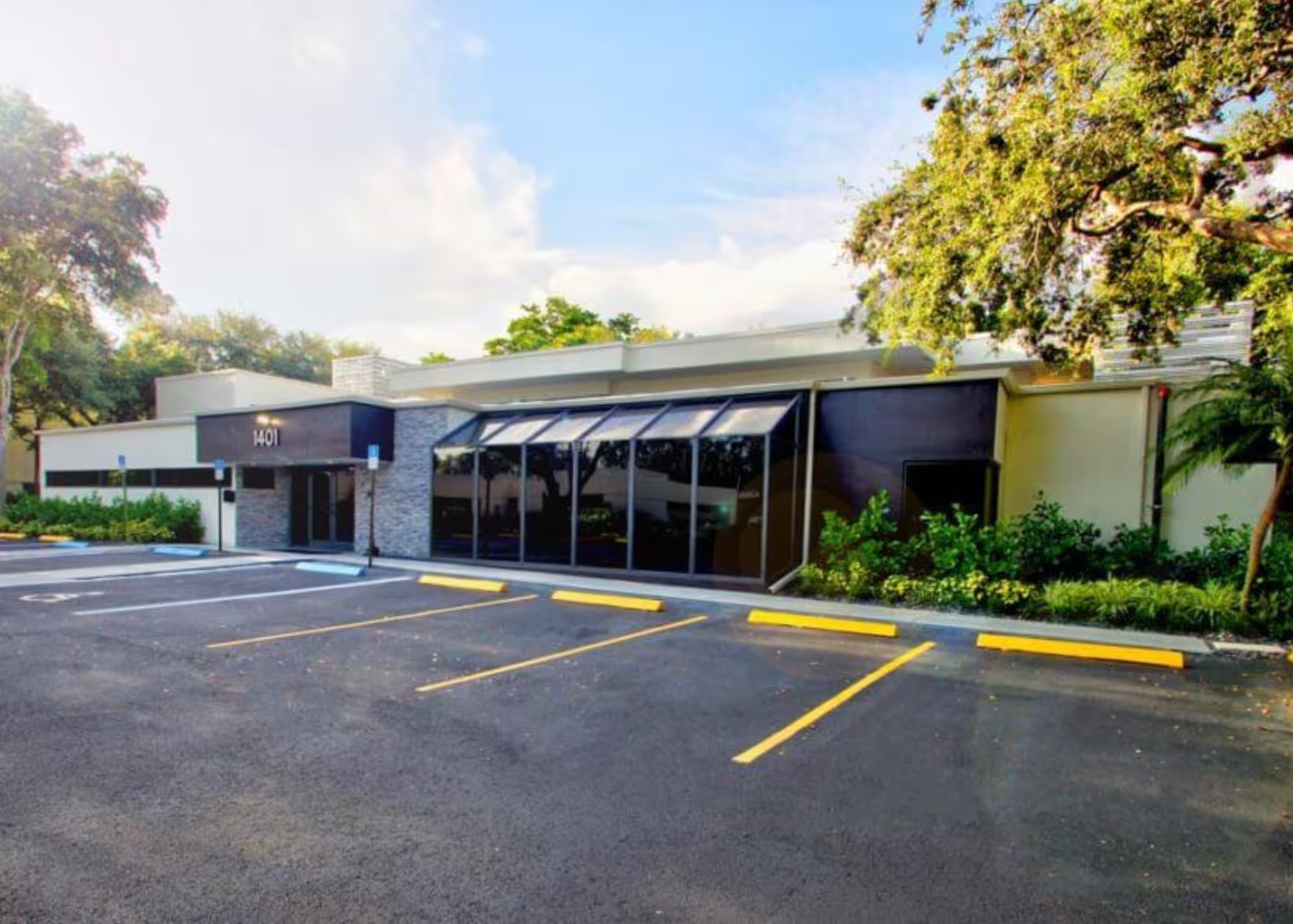
Kandela identifies its Boca Raton address as 1401 NW 9th Avenue, Boca Raton, Florida 33486 on its admissions information. That page describes an initial evaluation, insurance-benefit checks, and assistance arranging travel. Ask for the receiving contact and arrival instructions, especially when transferring from another clinical setting. Travel assistance should follow acceptance into the appropriate program.
Request a sample day for the recommended pathway. Separate individual clinical appointments, therapeutic groups, education, meals, rest, and optional activities. Ask how the timetable changes during detox or when someone is not well enough to participate fully. A daily schedule is more informative than adding together every service mentioned across the provider's website.
For accommodation, ask whether bedrooms are shared, how roommates are assigned, and what accessible facilities are available. Confirm rules for phones, visitors, work contact, and leaving the property. Families should also understand which staff are physically present at night and which clinicians are contacted when needed. Comfort and privacy are meaningful only when their practical limits are clear.
Check licensing for the exact service being offered
The Florida Department of Children and Families licensing page distinguishes substance use program components such as detoxification, residential treatment, intensive outpatient treatment, and day or night treatment. Its current public search provides site and component information. Match the legal operator, address, and component to the proposed admission. A license for one service should not be treated as authorization for every other service advertised by a brand.
DCF explains that its search supports licensing verification and transparency, rather than a quality rating or endorsement. Use it alongside the provider's explanation of staffing, clinical responsibility, and complaints procedures. For primary mental health services, ask which authorization applies to that particular setting and how to verify it. A substance use listing alone does not answer every mental health licensing question.
Build a complete financial comparison
The reviewed admissions information offers insurance verification but does not provide a fixed all-in cash price. Request a written estimate for the proposed level of care and length of stay. It should identify accommodation, professional fees, medication, testing, transport, and any services billed separately. Ask what changes if detox lasts longer, residential care is extended, or another facility becomes necessary.
Contact the insurer for the exact provider and service rather than relying on a logo or an assurance that insurance is accepted. Confirm network status, prior authorization, deductibles, coinsurance, and any exclusions. Ask who is responsible for explaining a denial or an early end to authorization. For self-pay care, establish the payment schedule, deposit terms, and arrangements for an early departure.
Compare the complete episode of care, including the period after leaving Boca Raton. A lower residential quote may be less useful if it leaves an unaffordable gap in outpatient care or medication follow-up. Conversely, a more expensive accommodation choice should have a clear purpose for the patient. Keep clinical fit, continuity, and the full budget together.
Arrange follow-up before leaving residential care
Agree how family members can participate without taking over the patient's care. Specify who can receive updates, what consent is needed, and whether joint sessions or separate education are available. A relative who pays for treatment may have financial responsibilities without automatic access to confidential clinical information. Set expectations for communication before admission so that everyone understands the arrangement during a difficult period.
Kandela's discharge-planning page discusses movement from residential support toward less intensive care, including partial hospitalization. Ask whether the proposed next service is delivered by Kandela or another organization, where it operates, and when it starts. A description of a care pathway does not establish that every stage takes place at the same Boca Raton address.
For a local resident, a workable plan may need to account for employment, caregiving, transport, and appointments elsewhere in Palm Beach County. For someone returning out of state, it should identify the receiving therapist or prescriber and the transfer of records with consent. Specify who will bridge any gap between discharge and the first appointment.
Palm Beach County's Office of Behavioral Health and Substance Use Disorders coordinates county programs and links to regional and healthcare resources. It is a useful starting point for exploring the local system, rather than a residential admissions desk. Ask each service directly about eligibility, referral requirements, cost, and current availability.
The final choice should have an identifiable clinical lead, an appropriate setting, transparent financial terms, and a practical transition plan. Use the West Palm Beach and North Palm Beach guides when comparing nearby options, while remembering that a nearby outpatient service and a Boca Raton residential admission serve different needs.
Back to guide contents↑