Turning Point of Tampa
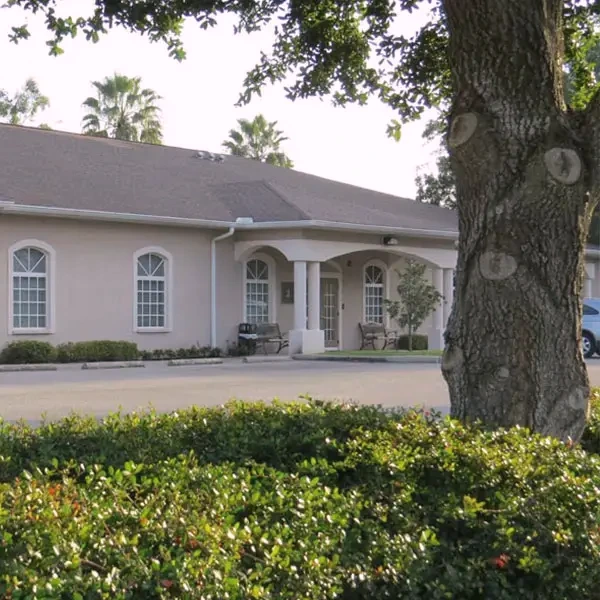


Turning Point of Tampa 3 photos
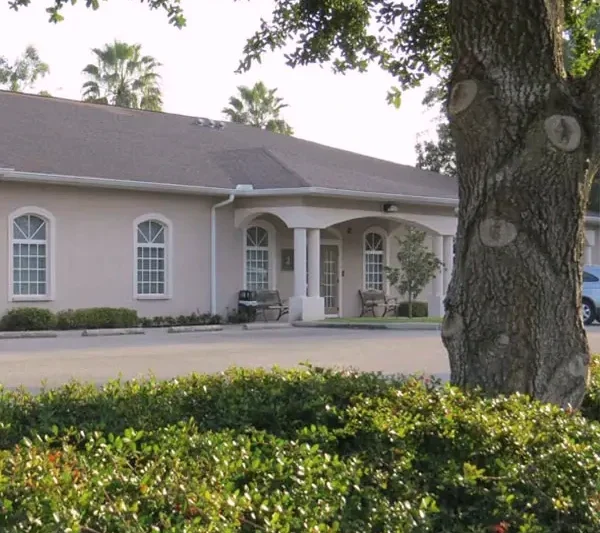


Comparison facts and sources
Adult addiction and co-occurring-disorder continuum in Tampa spanning detoxification, residential treatment, day treatment and intensive outpatient care. · 6227 Sheldon Road, Tampa, Florida 33615
- Published fee information
- USD 7,000 / Detox program; 2025 published agreement
- Before admission
- The fee figures come from a provider-hosted 2025 agreement and should be reconfirmed before admission. The published 24-session/eight-week duration applies to IOP and is not generalized to detox or residential care.
- Continuing care
- Free therapist-led aftercare is available indefinitely to Turning Point graduates who complete treatment. Alumni participation has its own arrangements; graduates of other programs should ask the office about eligibility.
Source record ·
Program information reviewed October 19, 2026. Pricing information was reviewed October 14, 2026; confirm the current written agreement before admission..
Luxury rehab comparison · Fees and inclusions · Selection methodology
Turning Point of Tampa treats adults aged 18 and older at a single campus at 6227 Sheldon Road in Tampa, Florida. The provider publishes medical detoxification, residential treatment, day treatment, intensive outpatient and virtual IOP, recovery residence and aftercare for substance-use disorders, eating disorders and co-occurring conditions.
The current provider-hosted 2025 fee agreement lists prepaid self-pay charges including $7,000 for detoxification, $15,000 for the first 30 residential days, $12,000 for a 30-day residential extension, $12,000 for day treatment and $4,800 for a 24-session or eight-week IOP. These are program charges rather than weekly rates and may not represent every final bill.
Turning Point says it is in network with most major insurance providers, accepts TRICARE and participates in the VA Community Care Network. It states that it is not in network with Medicare or Medicaid. Benefits, authorization and personal costs should be confirmed directly; laboratory work, personal spending and the family program are excluded from the published self-pay figures.
Turning Point’s 12-step treatment philosophy
Turning Point of Tampa describes a 12-step approach that combines professional treatment with recovery skills and peer participation. Its philosophy covers substance use and eating disorders, with individual goals developed within a shared therapeutic community. Someone considering the program should be comfortable discussing how group participation, personal assignments, and recovery meetings fit their needs. The presence of individual counseling does not make this an exclusively private, one-to-one program.
The practical question is how that framework will be adapted to the person entering treatment. Discuss previous experience with 12-step groups, cultural or spiritual preferences, and any difficulties participating in a group. Ask the team to explain the expected activities and available accommodations before admission. A clearly described treatment philosophy helps a prospective client assess fit without assuming that one recovery approach suits everyone.
Admission starts with clinical screening
The admissions guidance describes a preliminary screening followed by a pre-admission assessment. Applicants must be at least 18, medically stable for the recommended setting, and willing to address the presenting addiction or related concerns. The provider also discusses financial responsibility during this process. Its licensed residential program begins with a minimum 30-day stay, with further care considered according to need.
At intake, the therapist develops an individual plan and considers relevant family information. The discharge process can involve partial hospitalization, intensive outpatient care, sober living, medication management, or community referrals. These are possible next steps rather than a promise that every person will follow the same sequence. Clarify which level is recommended now, what would prompt a change, and who will coordinate the transition before arranging travel or leave from work.
The detox unit has a distinct role on the campus
Turning Point’s detox program is described as a separate three-bedroom, two-bathroom home on the campus. The provider lists around-the-clock nursing and daily physician visits, with admission requiring a substance-use disorder as the prevailing diagnosis. A nursing assessment and medical clearance determine whether the program can manage the person’s withdrawal and other health needs.
Meals are catered during detox. Participation in activities elsewhere on the campus depends on medical clearance and how the person is feeling. A bedroom count does not establish private occupancy, so confirm the actual room arrangement. The admission discussion should also cover existing prescriptions, previous complicated withdrawal, and circumstances requiring outside medical care. The clinical team determines the withdrawal plan; the program’s broader residential schedule should not be treated as a fixed detox timetable.
Residential treatment and the Village setting
The residential program uses a main clinical building and nearby duplex-style accommodation known as the Village. The provider describes continuous monitoring, group-based programming, and individual contact with an assigned therapist at least weekly. Accommodation and daily living sit alongside treatment rather than functioning as a separate vacation stay.
Turning Point distinguishes its initial residential phase from an extended phase. In the latter, clients are expected to work, volunteer, or pursue education for approximately 16–20 hours weekly while continuing treatment. That is a specific expectation of extended care, not a requirement to work during initial stabilization. Before selecting a longer stay, clarify which phase is proposed, how outside commitments are approved, and how therapy is scheduled around them. The plan should explain what readiness for greater independence looks like for that individual.
Day treatment means returning home in the evening
Turning Point’s day treatment can provide programming up to seven days a week, including groups, lectures, and workshops. Participants return home in the evening. This arrangement offers more structure than a lighter outpatient schedule while leaving overnight living arrangements outside the treatment day.
For someone stepping down from residential care, the decision therefore involves both clinical progress and the practical setting to which they will return. Discuss transportation, the safety and support available at home, and what happens if difficulties arise between sessions. If recovery housing is proposed, obtain its address and charges separately rather than assuming that a day-program place includes accommodation. Ask for the actual days and hours recommended for the person, since the published maximum does not establish everyone’s attendance schedule or total course length.
In-person IOP is organized around three evenings
The intensive outpatient program is described as meeting three evenings a week for three hours each evening. It serves adults with substance-use or eating-disorder concerns who can maintain their residence and daytime responsibilities. Clients meet their primary therapist when entering the program to develop a treatment plan and join the group.
This is useful scheduling information for someone comparing treatment with work or caregiving. It still requires nine hours of weekly attendance, alongside any additional appointments or recovery activities. The provider also describes an opportunity for a weekly group session involving family. Confirm the current evenings, start date, individual-session arrangements, and whether the program is appropriate without overnight supervision. The published eight-week self-pay package should be distinguished from an individualized clinical recommendation that could require a different duration.
Virtual IOP has technology and safety requirements
The virtual program typically follows the same three-evening, three-hour pattern and describes weekly individual therapy, online groups, and educational work. Participants need a reliable connection, a camera and microphone, and a private place where they can take part without interruption. The admissions team provides help with the setup.
Remote attendance does not remove the need for a clinical assessment. The provider describes this level for people who can participate safely without continuous medical supervision and notes that withdrawal needs or immediate safety concerns may require another setting. Ask which locations the team can serve, how emergencies are handled, and whether family sessions are appropriate. Published descriptions of convenience or comparable care should not be read as a guarantee of outcomes, unrestricted nationwide access, or suitability for every diagnosis.
The eating-disorder program has a specific meal model
Turning Point’s eating-disorder page identifies anorexia nervosa, bulimia nervosa, and binge-eating disorder among the presentations it treats. It describes planned meals that clients prepare, weigh, and measure, along with attention to individually identified food triggers. These are the provider’s stated program practices, not instructions for readers to begin a diet or manage an eating disorder independently.
This detail deserves discussion with the assessing clinician and the person’s existing eating-disorder team. Ask how the meal approach is individualized, who oversees nutritional care, and what medical stability is required for admission. A general page explaining additional eating-disorder diagnoses does not by itself establish a dedicated program for every one. Clarifying the treatment model before admission is especially useful when prior care has used a different nutritional framework.
Co-occurring care is coordinated with addiction treatment
The dual-diagnosis program describes simultaneous attention to substance use and mental-health needs, with psychiatry, addiction medicine, and therapy contributing to a shared treatment plan. Turning Point emphasizes continuity across levels of care on its Tampa campus. This is relevant for someone who has previously had to coordinate separate addiction and mental-health appointments.
The important admission detail is the person’s actual combination of needs. Explain current diagnoses, medications, previous hospital admissions, and any problems that have interrupted earlier treatment. Ask which concerns the team can manage at the proposed level and when another service would be needed. A list of conditions discussed on an educational page should not be interpreted as confirmation of unrestricted admission for acute psychiatric illness. The written plan should identify the responsible clinicians and arrangements for continuing psychiatric care after discharge.
Resolve is designed for military-connected clients
The Resolve program is intended for veterans and active-duty service members with substance-use, eating-disorder, or co-occurring concerns. The provider describes a pathway from assessment and detox, when needed, through further treatment and aftercare. It identifies participation in TRICARE and the VA Community Care Network.
The same page explicitly says that VA community care must be authorized before a veteran receives treatment from a community provider. Being a veteran or seeing a payer logo therefore does not establish that a particular stay is approved. Discuss the referral, authorization, proposed level of care, and any limits before admission. For active-duty personnel, clarify the appropriate referral and communication arrangements. The program’s military focus also merits questions about the actual groups and clinicians involved, rather than assuming every activity is separate from the wider campus community.
Family support continues beyond the admission period
Turning Point offers a free weekly family support group for relatives of current or former clients. Its purpose is education and ongoing support for the family’s experience of addiction and recovery. This creates a route for relatives to seek help even after the person’s residential or outpatient episode has ended.
The support group should be distinguished from every other service carrying the name “family program.” A published self-pay agreement can exclude a separately charged family service while a particular weekly support group remains free. Ask which service is being offered, how to attend, and whether advance registration is needed. Participation in a family group also does not automatically authorize access to an adult client’s private treatment information; discuss the person’s preferences and the team’s communication process separately.
Graduate aftercare is free and has no stated end date
The aftercare page describes free, therapist-led groups available indefinitely to people who complete Turning Point’s treatment. It also lists alumni activities, in-person and virtual events, and an alumni app with an approval process. Graduates of other treatment programs are directed to contact the office about participating rather than assuming automatic access.
These arrangements are useful to discuss before discharge: how to join, which meetings are current, and how the group fits with individual counseling or medication follow-up. Ongoing group access does not itself establish a permanent individual-therapy entitlement or a new residential placement. A practical discharge plan should identify the appointments and resources the person will use alongside alumni contact. For someone returning outside Tampa, confirm which opportunities are available remotely and what registration is required.
Packing involves a few unusual practical requirements
The packing list asks residents to limit belongings to two suitcases and bring twin-bed linens, a blanket, a pillow, and bath towels. Laundry facilities and supplies are provided. It also lists identification, a refillable water bottle, suitable clothing, and a standard watch. These details are worth checking before arriving from another state.
Phones may be used for the journey but are stored during treatment, and the guidance restricts other electronics. Current medication should be discussed with admissions and brought in its original packaging according to the agreed plan. If a prescribed medicine may conflict with a facility rule, coordinate with the prescriber and treatment team before arrival; a packing list is not a reason to stop it independently. Obtain the current list for the specific level of care, since detox and longer residential stays have different daily needs.
Insurance verification and authorization are separate
The insurance guidance draws a useful distinction between checking benefits and obtaining approval for treatment. Verification describes the policy; authorization depends on the insurer’s review of medical necessity. Turning Point says it is not in network with Medicare or Medicaid. That precise network statement should not be expanded into a claim about every possible individual payment arrangement.
Before admission, request the expected level of care, authorization process, and personal responsibility in writing. Ask what happens if the insurer approves fewer days than the clinician recommends or changes its decision during treatment. The provider also discusses financing options for qualified applicants, which involve separate terms rather than guaranteed assistance. A facility’s participation with an insurer cannot establish that every plan, service, clinician, or day of a particular stay is covered.
Read the 2025 fee schedule as a dated agreement
The available 2025 program fee agreement supports the program amounts summarized above. It also lists a $60 daily recovery-residence charge and $125 individual sessions while in IOP. Medication, laboratory work, personal spending, and the family program are excluded from the listed prepaid amounts. Additional days can carry the stated daily rate.
The document describes advance payment and conditions governing early departure and refunds. Obtain the agreement proposed for the actual admission and read those terms before paying; the older published document is not a personalized current quote or a legal assessment of a refund dispute. Ask whether accommodation, individual appointments, and any outside services are included in the selected package. Keep the original program period attached to each amount, rather than converting a detox or multiweek course into an advertised weekly price.
Provider program pages and the linked 2025 financial document were reviewed October 19, 2026. Published program details require individual confirmation; no independent clinical assessment or current regulatory inspection is claimed.
Sources
Official provider pages checked October 7, 2026: current campus, services and contact overview; insurance, Medicare and Medicaid guidance; 2025 program fee agreement.