Comparing addiction treatment across South Carolina
The best luxury rehab in South Carolina for one person may offer a different setting from the right service for another. Start with the level of medical and psychological care required, then compare accommodation, location, privacy, and cost. The providers currently listed here include Lantana Recovery and Waypoint Recovery Center. Their service models illustrate why a statewide comparison needs more detail than a list of amenities.
Lantana describes outpatient treatment in Charleston with supportive housing available alongside it. Waypoint describes a residential campus in Cameron and outpatient services in North Charleston. These arrangements involve different clinical hours, overnight environments, and travel requirements. Confirm the actual treatment address and the exact service being offered before treating two proposals as equivalent.
Cameron residential care and Charleston outpatient care
Waypoint's Cameron residential location is at 499 Wild Hearts Road. The provider's overview describes a 58-acre campus with residential addiction treatment and medical detox. This is the location to investigate when considering a stay on its residential campus. The organization's use of Charleston in other materials should not be taken to mean that the same residential setting is in Charleston.
Its North Charleston outpatient office is at 5401 Netherby Lane, Suite 402. It describes intensive outpatient treatment, including individual and group work for substance use and co-occurring concerns. People continue living at home or another suitable residence while attending scheduled care. Ask whether an outpatient offer includes any housing assistance or assumes the person already has a workable living arrangement.
Waypoint's current location overview also lists a Columbia office as opening soon. A planned location is not the same as a currently available appointment. If Columbia is relevant, confirm that the service has opened, the exact program it offers, and whether the proposed clinician can accept the person. Do not arrange travel around a future-location announcement alone.
What to establish about residential treatment
Waypoint's residential program information describes a structured schedule with individual therapy, groups, recovery education, relapse-prevention work, and planning for continuing care. Ask for the actual weekly allocation of clinical sessions and the medical coverage for the proposed admission. A campus description should be translated into the care the individual will receive.
Residential admission can give someone a period away from ordinary responsibilities, but the purpose of that period should be clear. Discuss the difficulties that need assessment, what the patient wants to change, and how the team will review progress. Ask what could lead to more intensive care, a longer stay, or transition to outpatient treatment. These decisions should have a clinical explanation rather than follow an accommodation package automatically.
Room arrangements also need detail. Confirm whether bedrooms and bathrooms are shared, how accessibility needs are handled, which staff remain on site overnight, and how visitors or family sessions work. A quiet campus is not evidence that every appointment is individual or that every clinician is continuously present. Compare privacy and support as practical features of the proposed stay.
Charleston PHP is an outpatient model
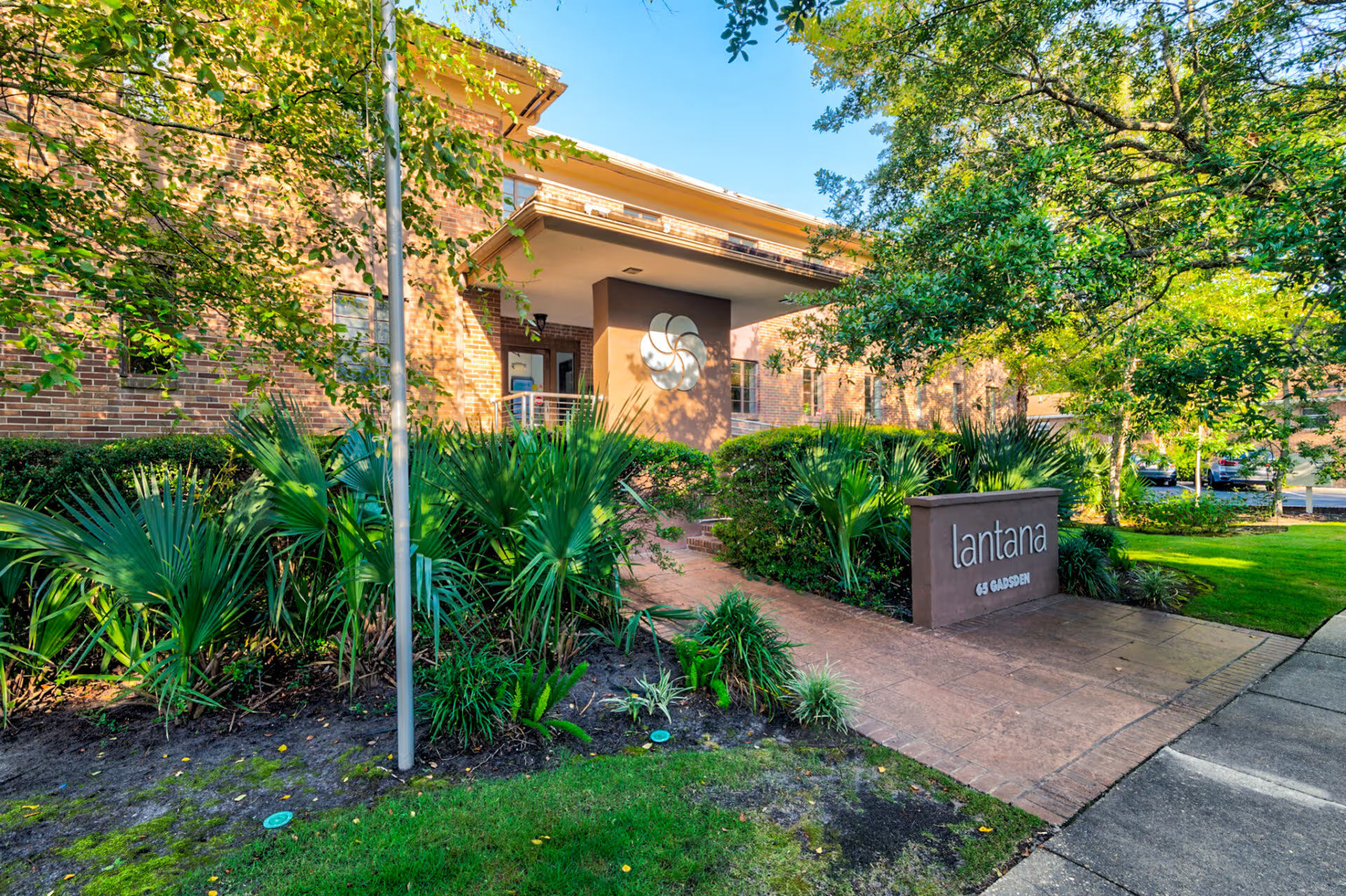
Lantana's Charleston service identifies 65 Gadsden Street as its clinical address and publishes PHP days from Monday through Saturday, 9 a.m. to 4 p.m. It describes a medical provider, therapist, and recovery manager, with care for adults and co-occurring mental health concerns. The clinical program remains outpatient even when someone also stays in Lantana Living housing.
The dedicated PHP description gives a common period of approximately four to six weeks, followed when appropriate by IOP. Ask how the plan is adjusted for the individual's needs and whether the person can attend from home. A full clinical week can be a substantial commitment even without an overnight medical admission.
For IOP, obtain the current schedule directly. Lantana's Charleston page describes two groups a day, while its general IOP page says roughly three group sessions weekly. That difference needs clarification for the particular program rather than an assumed universal timetable. People planning work, study, or childcare need the actual required days and session lengths.
Withdrawal management must match the medical risk
Waypoint's overview describes medical evaluation before detox and monitoring by nursing and recovery staff. Lantana's outpatient detox page instead describes regular medical check-ins for people assessed as suitable for care outside an inpatient setting. It states that higher-risk presentations are referred to a more appropriate level. These are different starting environments, not interchangeable versions of the same service.
Give the assessing team a full history of substance use, current prescriptions, other illnesses, and previous withdrawal complications. Ask where the first medical assessment happens and who is responsible outside scheduled hours. If transfer to hospital or another provider is needed, clarify the handover before arrival. Changes to medication or substance withdrawal should be discussed with the responsible clinician rather than improvised to satisfy a booking requirement.
Plan the next stage at the same time. Completing withdrawal management does not answer what ongoing addiction or mental health care is needed. The team should explain the recommended follow-up and identify whether it occurs at the same organization, another South Carolina service, or near the person's home. Obtain an accepted referral and a start date where possible.
Veteran and first-responder pathways need specific eligibility
Waypoint's Tactical Recovery program describes care for veterans, active-duty and reserve military personnel, and current or former first responders. It discusses substance use and mental health needs in the context of service experience and says service verification is part of eligibility. Ask which parts of the program are distinct from the wider residential schedule.
For someone using a military or veteran benefit, confirm the referral and authorization requirements with the payer or responsible service. A provider's participation in a network does not automatically authorize a particular admission. Clarify how records, medication, and follow-up will return to the person's usual healthcare team. Family involvement and work-related communication should also follow the patient's consent and the relevant care arrangement.
South Carolina residents have county assessment routes
The state Office of Substance Use Services within BHDD describes assessment through county alcohol and drug authorities. It lists outpatient and gambling-related services alongside more specialized treatment available on a county, regional, or statewide basis. The assessment helps determine the level of care and an individual plan. Depending on financial circumstances, the assessment may be available without charge.
This county route is useful for people comparing private treatment with services closer to home, or arranging continued care after a private stay. Ask the local authority about eligibility, costs, referral requirements, and appointment availability. The existence of a statewide network does not mean every specialized service operates in every county or has an immediate opening.
For people whose primary need is psychiatric care, BHDD's community mental health center directory identifies services by the counties they cover. Keep that pathway distinct from an addiction program that manages mental health symptoms only alongside a substance use disorder. A condition-specific assessment can clarify which service should lead the care.
Check state authorization and the particular service
South Carolina's Department of Public Health guidance distinguishes outpatient treatment, residential programs, medical detoxification, social detoxification, and narcotic treatment programs. The state's Find a Facility map provides information such as the physical address, license number, category, and expiration. Search for the legal operator and relevant treatment site.
Match the license to the service in the proposal. A broader brand may operate several locations or use separate housing. A record for one address does not establish the status of every other address mentioned in marketing. If the provider proposes a recovery residence, request its separate identifying and certification information and clarify the relationship between the residence and clinical program.
Also identify the clinicians responsible for the patient's care. Ask who performs medical reviews, who delivers psychotherapy, how the team communicates, and what cover exists during absences. Facility authorization and professional credentials should support a clearly described plan; they do not by themselves show that a particular program is the right fit.
Compare total costs across different settings
Request written estimates for the named program and expected period, rather than comparing a residential weekly price with an outpatient session fee. The proposals should identify therapy, medical services, medication, testing, room and board, transport, family work, and continuing care. For PHP or IOP with housing, separate the housing charges and agreement from the clinical charges.
Ask the insurer to verify the exact provider, location, and level of care. Establish authorization, network status, deductibles, coinsurance, and exclusions. For self-pay treatment, review deposits, installment terms, extensions, and early-departure arrangements. A published list of accepted insurers or a benefits check is not a guarantee that the full episode will be paid.
Travel can change the practical comparison. Someone attending six clinical days in Charleston may need local accommodation for longer than an initial program block. Someone entering Cameron residential care still needs a plan for the journey home and subsequent appointments. Include those costs and commitments before selecting the most attractive headline package.
Connect family work with the return home
Lantana's family page describes weekly family support and monthly therapist sessions when a client chooses to involve relatives. For any provider, clarify whether family participation is education, joint treatment, or separate support. Agree who can receive updates and how remote participation works for relatives who are outside South Carolina.
A discharge plan should name the next professional appointment, medication responsibility, and practical support for returning to ordinary life. Community groups or alumni contact can be helpful parts of that plan, but they do not replace required clinical follow-up. Establish what the original provider will continue to offer and what must be arranged elsewhere.
Use the more detailed Charleston guide for local outpatient comparisons and the wider United States guide when considering care across state lines. A strong South Carolina choice combines an appropriate clinical setting, a clear daily experience, verified service identity, affordable continuity, and a plan that remains workable after the first phase ends.
Back to guide contents↑