Finding the right type of treatment in Orlando
Searching for rehab in Orlando can bring together services with very different purposes: ongoing treatment for opioid use disorder, counseling appointments, a structured day program, withdrawal management, or a residential stay. Start by identifying the help required and asking a qualified clinician about the appropriate setting. A program's address, attractive photographs, or use of the word rehab cannot establish whether it provides the particular medical and therapeutic support a person needs.
This directory currently includes Central Florida Treatment Center — Orlando. That listing provides a starting point for researching a local provider. It is not a complete inventory of Orlando services or evidence that every level of care is offered at that location. The guide below explains the listed service, points to additional local information, and helps you prepare questions about access, costs, and continuing treatment.
Understand the listed Orlando provider
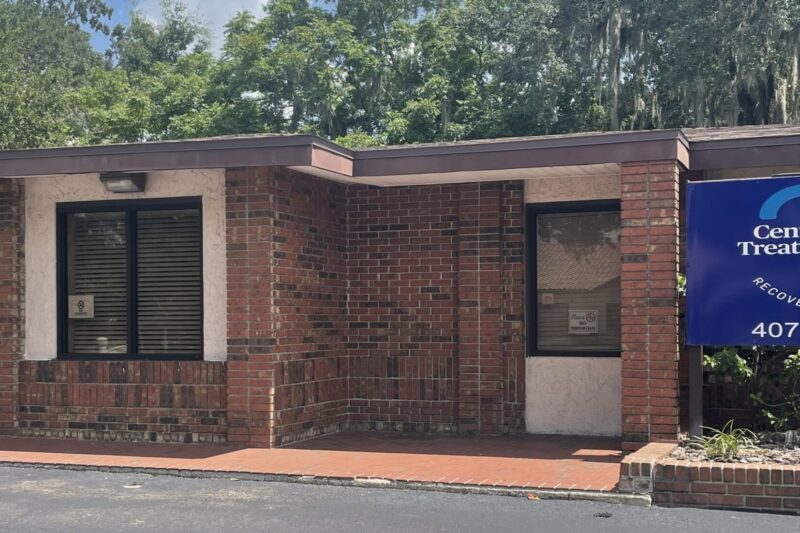
Central Florida Treatment Center's Orlando page describes medication treatment for opioid dependence, assessment, physician monitoring, and individual, group, and family counseling. It identifies 1800 West Colonial Drive and publishes 407-843-0041 for information and appointments. These descriptions concern the provider's published service model; the assessment team must establish the person's eligibility and proposed treatment.
Do not approach this listing as a promise of residential accommodation or treatment for every substance or mental health concern. Explain the reason for seeking help and ask whether this particular clinic can provide it. If the recommended service is elsewhere, request a specific referral and clarify whether the receiving organization has accepted it. An appointment inquiry, a completed screening form, and an agreed start date are separate steps.
Ask about assessment and the first visit
Before attending, ask what the first appointment involves, how long to allow, which identification or insurance information is required, and whether previous treatment records would be useful. Prepare an accurate list of current prescriptions and other substances used, relevant medical conditions, and previous treatment experiences. Share this information with the clinical team through its approved process. The purpose is to support an appropriate assessment, not to select a medication or program without professional input.
The Orlando provider says intake arrangements and clinic hours vary and asks prospective patients to call about available intake times. Clarify whether a screening can be completed before arrival, whether an appointment is confirmed, and when a clinician will review the information. If transferring from another service, ask both organizations to coordinate the handover. Do not assume that a new clinic will automatically continue an existing arrangement without reviewing the relevant records.
Plan around the actual attendance schedule
For treatment attended from home, the daily or weekly journey can be as important to feasibility as the distance on a map. Obtain the proposed attendance schedule, expected visit length, counseling arrangements, and process for changes. Ask what happens if work, caregiving, transportation, or another medical appointment causes a conflict. These questions help identify practical barriers before they interrupt care.
Central Florida Treatment Center distinguishes general office information from medication dosing hours and directs patients to confirm clinic-specific arrangements. Avoid using a general corporate opening time as an appointment schedule. If a plan includes more than one type of visit, establish whether those visits occur together or on different days. Ask whom to contact about a delayed arrival and which situations require speaking directly with a clinician.
Look beyond a single directory listing
STEPS publishes information about substance use services in Orange County and neighboring Central Florida counties, including outpatient, intensive outpatient, and day treatment. Its wider program information also describes residential services for women and a mobile treatment service. These are additional research routes; a description of the organization's overall work does not establish that every program is offered at one Orlando address.
Use the STEPS locations page to identify the relevant service contact, then ask about current eligibility, screening, funding, and availability. Explain whether you need an appointment near home, a more intensive schedule, or help arranging a different setting. Keep the name of the program and the actual place of care in your notes so that similarly named services do not become mixed together.
Compare the care being offered
When two organizations describe different programs, compare their responsibilities rather than their marketing labels. Ask who completes the assessment, who provides counseling, who is responsible for medication decisions, and how the team responds when needs change. Establish whether any service is provided by a separate organization and how information moves between them with permission. This creates a clearer picture than a long list of treatments without an explanation of who delivers them.
If substance use is accompanied by anxiety, depression, trauma-related symptoms, or another concern, describe the existing diagnoses and current treatment. Ask whether the proposed program addresses both sets of needs itself or coordinates with outside clinicians. A statement that a provider treats co-occurring concerns should lead to practical questions about assessment, appointments, and responsibility. It does not identify the right care plan for every individual.
Check the provider and the receiving location
The Florida Department of Children and Families provides information about substance use disorder licensing. When evaluating a service, ask for its legal operator name, the relevant location, and the type of program being offered. Match those details to the licensing information that applies to that service. A brand may operate several locations, and a license or designation should be understood in relation to its actual scope.
Ask separately about the professionals assigned to the proposed care and how to verify their credentials. An organizational credential, an individual professional license, and an insurer's network participation answer different questions. None provides a substitute for confirming that the actual appointment, staffing, and setting can meet the person's needs. If a claim is unclear, request the underlying details before relying on it.
Get an estimate for the proposed plan
Request a written explanation of charges for the services being recommended. For an outpatient plan, ask about assessment, medication-related visits, counseling, testing, paperwork, and any charges for missed appointments. Establish which items are billed together and which are separate. If the schedule changes after assessment, ask how the estimate changes as well. A weekly amount is difficult to compare without knowing what it includes.
If using insurance, confirm the exact plan, clinic location, and treating professionals with both the provider and insurer. Ask about authorization, deductible, copayments, and services outside the plan's coverage. An insurer's name on a website does not establish benefits for a particular appointment. If paying directly or seeking assistance, ask about the applicable charges and eligibility requirements without assuming that a reduced fee is available.
Keep the estimate alongside the proposed attendance schedule so that costs can be understood in context. Ask how the provider will notify you of a change in charges and who can answer a billing question without interrupting a clinical appointment. Document the answer before deciding whether the arrangement is manageable.
Make transportation and work plans realistic
Check the journey to the receiving address at the time treatment will occur, including the return trip. Consider parking, transit connections, accessibility, and a backup arrangement if the usual transport fails. For repeated visits, a workable routine matters more than a favorable estimate for one trip. Ask the provider about any transport information it can supply, while confirming whether assistance is actually available to you.
Discuss scheduling with the treatment team before making commitments to an employer, school, or family member. Ask what attendance is required and what flexibility the program permits. If time away is needed, find out which documentation the relevant workplace or school requires and who can supply it. Do not assume that treatment automatically guarantees leave, a particular accommodation, or permission to miss required sessions.
Clarify family involvement and communication
A relative or friend can help organize questions, transportation, and practical support if the person receiving care wants that involvement. Ask how family participation is arranged, whether a separate session is available, and what permission is needed before information is shared. It can help to agree on the difference between providing useful background to a clinician and receiving information about another person's treatment.
Identify a reliable contact process for scheduling questions, billing issues, and clinical concerns. Keep those details with the agreed treatment plan. Ask what to do outside normal appointment hours and when another service should be contacted. If there is an immediate medical emergency, use emergency services rather than waiting for a routine appointment request or a directory inquiry to be answered.
Plan for continued care and changes
Before starting, ask how progress will be reviewed and how the plan can change if the current arrangement is insufficient or unnecessarily intensive. Establish who makes those decisions and how the person receiving care participates. If another service becomes appropriate, ask who arranges the referral and what support is available while it is being organized. A recommendation to transfer is different from a confirmed place with a receiving provider.
For someone who may leave Orlando, discuss continuity before travel plans are finalized. Clarify how records, appointments, prescriptions, and professional responsibilities will be handed over. Ask which practical support is included and which arrangements the person or family must make. Use the Florida directory or the existing Tampa treatment guide when widening the search, while comparing the proposed care and receiving location directly.
Using this Orlando guide
Provider and official service information was reviewed on October 22, 2026. The descriptions report published information and questions to discuss with the relevant service; they do not establish current admission availability or independently certify clinical quality. Keep a short comparison record of the actual program, address, assessment contact, attendance requirements, estimated costs, and next agreed step. That record can make a complicated search easier to discuss with the treating professional and the people helping you.
Back to guide contents↑