Central Florida Treatment Center — Orlando


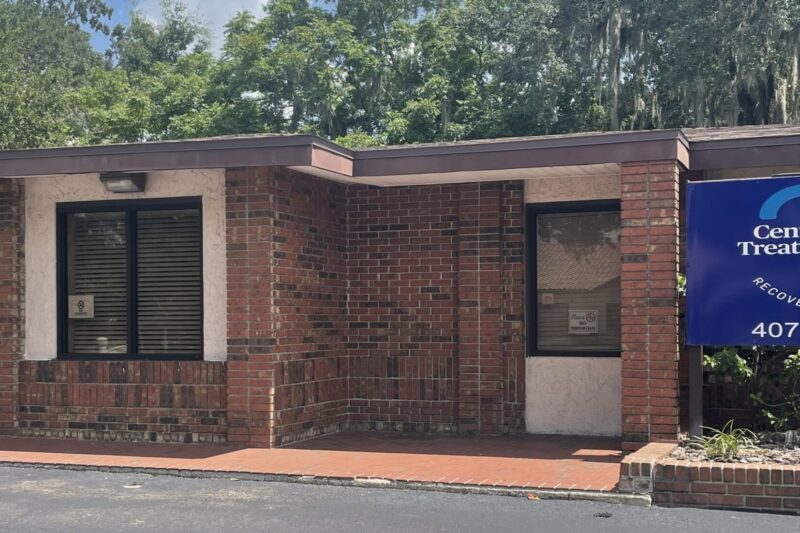
Central Florida Treatment Center — Orlando 3 photos
Comparison facts and sources
Flagship outpatient opioid-treatment clinic providing medication-assisted treatment; it is not presented as a residential rehabilitation campus. · 1800 W Colonial Drive, Orlando, Florida 32804
- Published fee information
- Quote required
- Before admission
- The current Orlando clinic page and contact directory list 407-843-0041 for information and appointments. Intake and dosing hours differ from the corporate-office schedule. The FAQ contains dated insurance and medication-policy details; confirm current clinical and payment arrangements. No universal duration or cash package is published.
- Continuing care
- No separate fixed aftercare term is published. Ongoing medication treatment, counseling and any taper are individualized.
Source record · October 19, 2026
Reviewed October 19, 2026: Orlando’s published contact number, clinic-versus-office scheduling and the dates and limits of published policy information. Confirm individual medication suitability, current appointments, coverage and total costs.. Confirm medication eligibility, intake and dosing hours, payer authorization and personal cost directly with the Orlando clinic.
Luxury rehab comparison · Fees and inclusions · Selection methodology
This profile covers Central Florida Treatment Center in Orlando, the provider network flagship outpatient clinic for opioid dependence. It has served Orlando-area patients since 1983 and should not be described as a residential rehabilitation campus.
The clinic provides medication-assisted treatment using methadone, buprenorphine or Vivitrol, together with assessment, physician monitoring, drug screening and individual, group and family counseling. Intake and medication-dosing hours vary, so prospective patients should confirm current times directly.
An Orlando clinic built around ongoing outpatient treatment
The Orlando clinic page describes assessment, physician-monitored treatment, drug screening and individual, group and family counseling alongside medication for opioid-use disorder. It identifies the site on West Colonial Drive near downtown Orlando and public transit. This is a clinic attendance model, so access from home and the ability to attend required visits are important parts of choosing care.
The page says that intake may be arranged by appointment or walk-in, with times varying. Contact the clinic to confirm the actual assessment window, documents needed and whether the appropriate staff will be available. A walk-in option is not a guarantee of immediate medication or acceptance for every clinical situation.
The provider lists several medication options, but they have different purposes and starting requirements. Ask the assessing clinician to explain the proposed choice, how follow-up is organized and how existing prescriptions will be considered. If residential care, hospital treatment or management of another condition is needed, clarify the referral plan; those services should not be inferred from the clinic’s broad recovery language.
Using the right contact and dosing schedule
The official location directory lists Orlando at 1800 West Colonial Drive, with the clinic number 407-843-0041. The website separately labels Monday-through-Friday business hours as the Orlando corporate office schedule. It explicitly says that medication-dosing hours vary by clinic, so the administrative timetable should not be used to plan a medication visit.
Before starting treatment, obtain the applicable weekday, weekend and holiday arrangements and ask what to do if transportation fails. Someone working early shifts may need to compare the dosing window with commuting time rather than simply check whether the clinic is nearby. Ask the team to distinguish a routine medication visit from an intake, medical review or counseling appointment, which may have different scheduling requirements.
If moving from another treatment program, discuss the transfer directly with both clinics. The receiving team needs to confirm what clinical information and verification are required before accepting responsibility for treatment. A directory entry or general request for information does not by itself arrange uninterrupted medication access.
What the clinic’s FAQ can and cannot establish
The provider FAQ describes adult treatment, initially frequent clinic attendance, counseling and later changes in attendance according to the individual plan. It also states that its Suboxone service is delivered through the clinic rather than simply issuing a prescription for use elsewhere. Ask how that model currently applies to the medication being proposed.
Some sections of the FAQ contain visibly dated information, including a 2020 Medicare deductible and older medication and take-home rules. Those details should not be used as current legal requirements, personal dosing instructions or a verified statement of today’s insurance contracts. Confirm the current policy with the clinical and billing teams.
The page discusses ongoing maintenance as well as possible tapering. Treatment should not be approached as a race to stop medication or as a universal six- or twelve-month course. Ask how progress, safety and personal goals will be reviewed, and what follow-up is available if needs change. Medication decisions belong with the treating clinician, including during pregnancy or when another prescription may interact with treatment.
Insurance notices are specific to plans and clinics
The current provider homepage announces additional insurance participation, including Community Care Plan and TRICARE East from October 2025 and First Health Network from August 2025. It also identifies Florida Health Care Plans participation at Orlando and three other named clinics. These published notices are more specific than assuming all branches accept every plan.
Use the exact policy details when requesting verification. Ask whether the Orlando clinic is contracted for the proposed service, whether authorization is needed and which charges remain the patient’s responsibility. The provider’s broad insurance announcements do not establish coverage under every employer arrangement or managed-care product carrying a familiar insurer name.
A written estimate should distinguish intake, medication, counseling, testing and any other separately charged service. Ask who will explain a denial or change in benefits during treatment and how continuity would be handled. If paying privately, request the current charges and payment schedule directly. No universal cash package can be inferred from the published network notices, and a treatment plan may continue beyond the period initially authorized.
Why medication and counseling are planned together
The treatment and recovery overview presents medication alongside counseling and behavioral support. For a prospective Orlando patient, this means the practical commitment includes more than a medication visit. Ask which counseling appointments are part of the proposed plan, how they are scheduled and what individual goals they will address.
The provider discusses identifying situations associated with cravings and developing ways to respond. Useful goals might concern attendance, relationships, work routines or responding to stress. The clinician and patient should agree on what needs attention rather than assume that the same group schedule or exercise suits everyone.
Clarify how the medical and counseling staff share relevant information and review progress. If appointment times create a barrier, discuss that openly with the clinic so that realistic arrangements can be considered. Ask what happens when a patient needs a different level of care or additional mental health treatment. Published descriptions of inpatient and outpatient treatment in general do not establish that the Orlando location itself provides overnight care or every related service.
Understanding methadone without using a generic dose schedule
SAMHSA’s methadone guidance explains that methadone is one medication used to treat opioid-use disorder and that treatment decisions are individualized. Its delivery through an opioid treatment program creates practical considerations about visits, clinical review and continuity. A person’s starting plan cannot safely be chosen from a directory profile or another patient’s experience.
Bring the clinician an accurate account of current and recent medications, substance use and previous treatment. Ask how effects and side effects will be assessed and when follow-up reviews occur. If transferring from another program, arrange direct verification between the services rather than assume a reported dose is sufficient for the receiving clinic.
Discuss how medication fits with counseling, everyday responsibilities and longer-term goals. Remaining in effective treatment is different from continuing unregulated opioid use, and treatment length should be based on individual need. Any proposed change or discontinuation requires discussion with the treating professional. If travel, employment or a move could interrupt attendance, raise it early so that the team can explain the options and requirements that apply to the actual situation.
Buprenorphine requires its own clinical assessment
SAMHSA’s buprenorphine information describes a partial opioid agonist that can reduce withdrawal symptoms and cravings. It is available in different treatment settings, including opioid treatment programs. That wider availability does not mean every clinic offers the same formulation or prescription arrangement; ask Orlando’s team which service it actually provides.
Starting buprenorphine requires attention to recent opioid use and the person’s clinical state. Do not use a fixed waiting interval from general website copy as an individualized instruction. Discuss the plan with the clinician, particularly if transferring from another medication or if the pattern of opioid use has changed.
Ask about follow-up, side effects, medication storage and how to contact the team if the initial plan is difficult to tolerate. SAMHSA describes treatment duration as individualized, potentially ongoing for some patients. There is no requirement that everyone complete a short taper to demonstrate progress. If the clinic later recommends transfer to an office-based prescriber, confirm acceptance, the next appointment and responsibility for prescriptions before the current arrangement ends.
Vivitrol is different from acute withdrawal treatment
SAMHSA’s naltrexone guidance explains that extended-release injectable naltrexone is an option for opioid-use disorder after appropriate clinical assessment. Vivitrol is not a medicine to begin while a person is physically dependent on opioids or experiencing opioid withdrawal. Starting it at the wrong time can trigger withdrawal, so the timing must be decided by a clinician.
This distinction matters because the Orlando website lists Vivitrol alongside methadone and Suboxone in broad treatment descriptions. They are not interchangeable ways to manage every stage of treatment. Ask which medication is proposed, why it fits the current situation and what preparation or monitoring is needed.
The clinician also needs to know about opioid-containing pain or other medicines, relevant medical conditions and any planned procedure. SAMHSA warns about overdose risks if someone tries to overcome the opioid-blocking effect or returns to opioid use when tolerance has changed. Ask for an overdose-response and follow-up plan, including what to do if an injection is delayed. A medication choice should come with clear instructions from the treating team.
Discussing mental health and other support needs
The provider’s opioid-dependency information discusses mental health concerns alongside substance use and identifies its own service as outpatient medication-assisted treatment. The practical implication is to tell the assessment team about depression, anxiety, trauma symptoms, sleep problems and existing mental health treatment rather than assume these will be addressed automatically by medication visits.
Ask which concerns the clinic can assess and manage directly and which require a separate therapist, psychiatrist, primary-care professional or higher level of care. A counseling service for opioid-use disorder does not necessarily provide every form of specialist psychiatric treatment. Coordination may require permission to exchange relevant information with another clinician.
It can help to identify immediate priorities and responsibilities: who handles medication for other conditions, who reviews worsening symptoms, and where to seek urgent help. A directory’s general account of recovery cannot establish an emergency service or residential supervision. If serious symptoms make outpatient participation unsafe, seek prompt clinical assessment of the appropriate setting instead of waiting for an ordinary clinic appointment to resolve the issue.
Orlando provider pages and SAMHSA medication guidance reviewed October 19, 2026. The provider FAQ contains dated policy information; current clinical, insurance and attendance arrangements require individual confirmation.
Explore our opioid treatment guide and co-occurring conditions guide when comparing clinical needs and settings.
The official clinic page lists 1800 West Colonial Drive, Orlando, FL 32804 and appointments at (407) 843-0041. The Orlando clinic currently accepts Florida Health Care Plans; Medicare and other coverage depend on eligibility and benefits. No universal cash price is published. Sources: official Orlando clinic page, official location directory, and official payment FAQ. Checked October 10, 2026.