Compare Manchester treatment by service and address
Manchester searches can bring together city services, outpatient clinics in nearby areas and hospitals serving the wider region. Before deciding which luxury rehab looks most appealing, separate those settings. A local counseling appointment, a day program and an inpatient admission involve different clinical support, time commitments and accommodation. The right comparison starts with the person's assessed needs and the exact service proposed.
Two Priory services illustrate why this matters. Priory Clinic Manchester is an outpatient clinic in Cheadle. Priory Hospital Altrincham offers hospital-based services at a different location. They have a relationship within the same group, but an appointment at the clinic is not a booking for a hospital bed. Use the current clinic or hospital name on enquiries, estimates and travel arrangements.
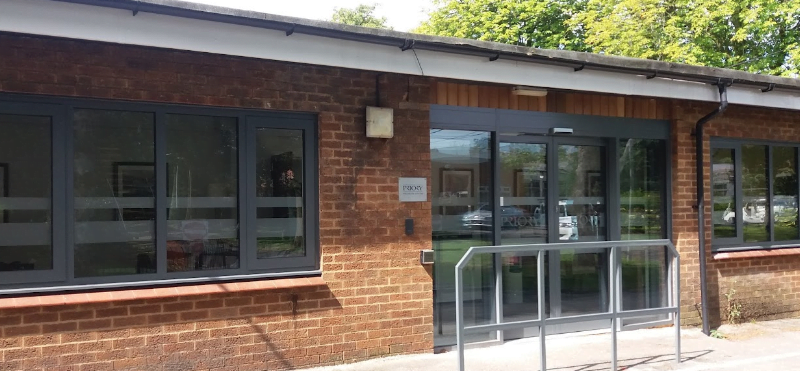
Priory Clinic Manchester: outpatient care in Cheadle
The official clinic page places Priory Clinic Manchester at 100 Wilmslow Road, Cheadle, Cheshire, SK8 3DG. It describes outpatient support for mental health concerns including depression, anxiety and stress, online and face-to-face appointments, and services for young people. Its directory profile should therefore be considered as an appointment-based option.
The clinic advertises autism assessments for children and adults and links to a separate 12-week psychological support pathway for adults with an autism diagnosis. Priory's dedicated pathway description says the group sessions take place face-to-face at its Birmingham facility; individual appointments can be online when required. Someone considering this support from Manchester should confirm the travel commitment and delivery arrangements. Diagnostic assessment and subsequent therapeutic support are distinct services. Ask about the professional team, assessment format, report supplied and follow-up. An assessment fee should not be assumed to cover the longer course.
Cheadle is the useful location for planning attendance, even when the service is marketed under Manchester. Check the journey to the actual address and the proposed appointment time. If regular sessions are recommended, consider whether that route remains manageable alongside work, family responsibilities and any other clinical appointments.
Priory Hospital Altrincham: a separate hospital pathway
Priory Hospital Altrincham describes inpatient, outpatient and day care on its official hospital page. It lists mental health and addiction services, private en-suite bedrooms and several named addiction pathways. Published options include Transform 28, Foundations 16, Reset 7/10 and Anchor 1:1. The hospital page also distinguishes its own ADHD assessments from autism assessments available at the nearby Manchester clinic.
Use these service distinctions to request the correct assessment. The availability of several programs does not mean the same person is eligible for all of them. A written recommendation should explain the purpose of the proposed setting, expected clinical activities and the point at which progress will be reviewed. If a transition between the clinic and hospital is suggested, confirm the receiving team and arrangements rather than assuming it is automatic.
Hospital accommodation also needs to be understood accurately. A private en-suite bedroom can provide personal space within a shared treatment environment. It does not imply sole occupancy of the hospital, a dedicated therapist all day or unrestricted access to work devices and visitors. Ask about the particular program's schedule and practical boundaries.
Choose a pathway for the main concern
For a person primarily seeking help with depression or anxiety, compare the assessment process, therapy plan and access to psychiatric review when relevant. Establish whether local outpatient care is appropriate or whether a more intensive setting is being recommended. A comfortable inpatient room is not itself a reason to choose hospitalization. The recommendation should connect the level of support to the individual's clinical and practical needs.
For alcohol or drug concerns, clarify whether the proposed service includes a dedicated substance-use assessment, withdrawal care when indicated and ongoing therapeutic work. These may be separate elements. Describe current substance use, medication and previous withdrawal experiences accurately so that the team can determine the appropriate setting. An outpatient mental health service should not be assumed to provide a hospital's withdrawal-management resources.
For co-occurring concerns, make coordination part of the comparison. Identify the professional responsible for the overall plan and the services that address each issue. A person might need treatment for depression alongside an alcohol problem, or support adapted to an existing autism diagnosis. The useful question is how the particular team works with that combination, not how many conditions appear on a general website menu.
Private options and Manchester's community service
Manchester City Council identifies Change Grow Live as the integrated drug and alcohol service for Manchester residents. Its information describes treatment, recovery support and assessment coordination for adults, young people and families. The provider's Manchester service offers a route to advice and support beyond a private hospital search.
Check the relevant catchment using the person's home address. Living in the wider Manchester region, attending a clinic in Cheadle and qualifying for a service commissioned for Manchester residents are different questions. If another borough is responsible for local support, obtain the correct contact rather than relying on the city label used in a search result.
A person can explore private and community options without treating one as a promise of access to the other. If care will move between organizations, agree consent for information sharing and establish whether a new assessment is required. For ongoing support, an actual referral and appointment matter more than a general statement that local services exist.
Verify the current provider and clinician
Use the Care Quality Commission's service search to check the relevant regulated service in England. Match the current name and address, review the available record and note its scope and date. Clinic and hospital records can relate to different activities, so keep them separate when comparing the two Manchester-area options.
Then check the people who would actually provide care. A prominent clinician on a group website may work at another location or have limited availability. Request the role of the assessing professional, therapist and prescribing clinician where applicable. Ask how absence or a change of clinician is handled so that continuity does not depend on an assumption made during the first enquiry.
If a service has changed its branding, ask which current name will appear on the clinical agreement and invoice. The important point is the identity of the service taking responsibility for care. A legacy listing name should not be used to infer that two different campuses or programs are interchangeable.
Outpatient treatment needs protected time. Compare the proposed schedule with a realistic week, including travel, childcare and space to reflect after sessions. An appointment that fits between two meetings may not be the best practical arrangement for demanding therapeutic work. Discuss the expected frequency and how changes are agreed instead of assuming every session can be moved at short notice.
For online sessions, confirm the person's physical location and whether the clinician can appropriately continue care there. A move for work or study may affect arrangements. Also consider privacy, reliable technology and who can provide local help if needs change. The availability of video appointments is useful, but it does not make every treatment activity suitable for remote delivery.
For a hospital stay, decide how communication with home and work will operate. A family meeting may be part of the treatment plan, while ordinary visiting is a separate matter. Agree who the person wants involved and what information can be shared. This is particularly important when a relative is arranging payment but is not the person receiving treatment.
Compare the full cost, including transitions
Request an itemized estimate for the assessed pathway. Distinguish the initial appointment, diagnostic assessments, regular therapy, psychiatric reviews and any accommodation. A promoted digital assessment fee does not establish the cost of a longer course or hospital admission. If a package is offered, ask which services and time period it includes and what would trigger additional charges.
For insurance-funded care, verify the exact service and practitioner with the insurer. Obtain clarity about authorization, covered sessions, exclusions and personal contributions. This is especially relevant when moving between outpatient and inpatient care, because approval for one service should not be assumed to cover the next.
Continuing care has both clinical and financial dimensions. Identify whether it involves a group, individual appointments, psychiatric reviews or a referral to another organization. Ask what is included, for how long and under which completion conditions. A promise of aftercare is easier to evaluate when the format and responsibilities are written down.
When the enquiry concerns a younger person
Age-specific support requires a separate discussion. Confirm the age range accepted by the exact service, the professional team and whether the proposed work is assessment, therapy or admission. A provider advertising both adult and young people's services does not mean the programs share a schedule or treatment environment. Explain school or college commitments and existing support so the team can consider how care will be coordinated.
Families should also discuss how the young person will participate in decisions and how communication will work. Ask which meetings involve parents or caregivers, what information the service needs and how contact with existing clinicians or educational support is arranged. Keep financial administration distinct from those clinical discussions. Clear roles at the start can make it easier to maintain an agreed plan if appointments, school attendance or family circumstances later change.
Plan the return to everyday support
If the person lives locally, the aim may be to maintain treatment while ordinary responsibilities resume. If they traveled to a Manchester-area hospital, follow-up may need a clinician near their home. Arrange the handover before discharge: relevant records, agreed goals, medication responsibilities and the first appointment. Identify who can review the plan if circumstances change during the transition.
Compare the clinic and hospital options alongside the wider England directory when the assessed service is unavailable locally. Our depression and alcohol treatment guides can help focus the clinical questions. Keep the final shortlist organized by actual address, service type and achievable follow-up, then weigh comfort and privacy within those practical choices.
Back to guide contents↑