Priory Clinic Manchester


Priory Clinic Manchester 5 photos
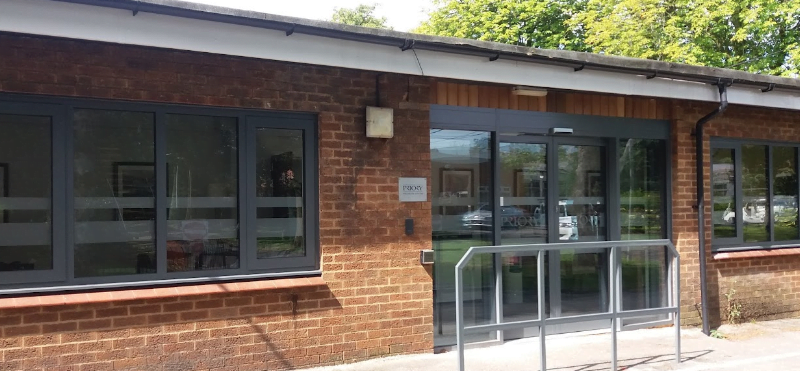
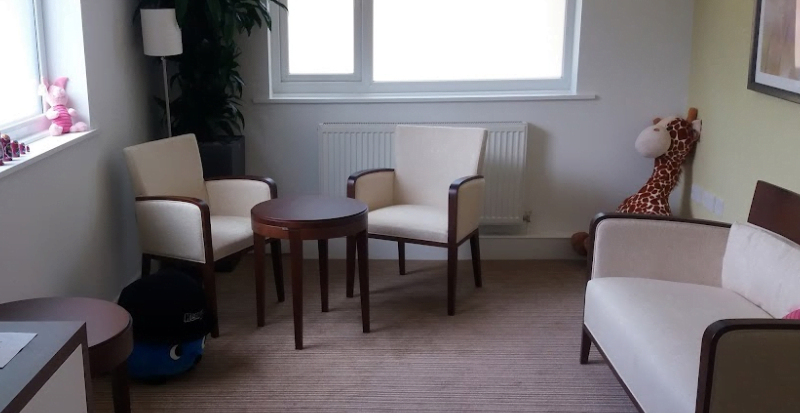

Priory Clinic Manchester provides flexible outpatient mental-health care in Cheadle for adults and young people, including treatment for depression, anxiety, stress, eating disorders, OCD, PTSD and related concerns. It also offers autism assessments for adults and children.
Care may include one-to-one therapy, group therapy, couples therapy and family counseling, with appointments arranged around work and other commitments. Treatment length is individualized. Priory also publishes a separate 12-week psychological support program for adults who have an autism diagnosis. The clinic works with Priory Hospital Altrincham when more specialist or intensive care is required; inpatient and detox programs should not be attributed to this outpatient clinic.
Mental-health assessments are advertised from £49 and autism assessments from £2,222. Other therapy and program costs vary. Priory accepts self-pay and may work with private medical insurers, subject to the person’s policy and authorization.
Regulation: The Care Quality Commission rates the registered service Good overall in its report published October 27, 2022; the Safe domain was rated Requires improvement.
Choose the correct Manchester service
Priory Clinic Manchester is an outpatient service at 100 Wilmslow Road in Cheadle. It offers appointments for mental health concerns and access to autism assessment services. It is separate from Priory Hospital Altrincham at Rappax Road in Hale. The distinction matters when comparing care: booking a clinic appointment does not provide an overnight hospital stay, medical detox or continuous supervision between sessions.
Ask the team to confirm the location and format of each proposed service, particularly if a referral involves another Priory facility. Appointment letters, clinician details and insurance authorizations should identify the relevant service. For someone seeking support while continuing to live at home, the main questions concern the treatment plan, appointment availability and help between visits. If assessment indicates a need for more intensive care, clarify the referral arrangements and the responsible clinician rather than choosing outpatient treatment solely because the address or timetable is convenient.
Understand the initial assessment being purchased
Priory’s adult mental health assessment information distinguishes a £49 digital route from a £99 virtual assessment. The digital route uses an online questionnaire reviewed by a therapist; the virtual option includes an approximately 45-minute video consultation, with in-person appointments also described. These self-funded entry routes help determine appropriate next steps. They should not be confused with a full specialist autism assessment or an ongoing course of therapy.
Before booking, ask which route is suitable for the concern being raised, what written information will be provided and how recommendations lead to an appointment at Manchester. Explain any existing diagnosis, treatment, medication and accessibility needs. If using private medical insurance, contact the service about its separate authorization process. Establish what happens if the assessment recommends another professional or a more intensive level of care. A clear understanding of the assessment’s purpose helps avoid paying for an introductory service while expecting a different kind of clinical evaluation.
Agree on the purpose of individual therapy
The clinic links to Priory’s one-to-one therapy information, which describes sessions involving the person and a therapist. Individual appointments provide a different setting from a therapy group or a joint family session. The useful comparison is the professional’s relevant experience, the proposed approach and how the work will address the concerns identified during assessment.
Ask who will provide treatment, how their current registration can be checked and whether the same clinician is expected to see you throughout the course. Establish the intended session length, frequency, format and review point. Discuss what progress would mean in daily life: managing a specific situation, improving functioning or working toward another agreed goal. Also clarify how concerns about the therapeutic relationship can be raised and how a change of clinician would be handled. If psychiatric review or prescription management is needed, ask whether this requires a separate appointment; individual therapy should not be assumed to include every clinical service.
Check the particular group being recommended
Priory describes group therapy as treatment involving several people with related difficulties, guided by a therapist. The Manchester clinic lists group therapy among its available formats. Before enrolling, obtain the name and purpose of the actual group, who leads it and the assessment required to join. A general description of group work does not establish a current start date or place in a particular program.
Ask whether the group has a fixed membership and timetable or allows people to join at different stages. Clarify the expectations for attendance, participation, confidentiality and contact with other members outside sessions. If communication differences, sensory needs or anxiety make group participation difficult, discuss those needs before deciding on the format. Confirm whether individual appointments are also recommended and whether they are included in the fee. The plan should explain why the group is relevant to the person’s goals and how its benefit will be reviewed, without implying that one format is best for everyone.
Keep couples work distinct from individual treatment
The clinic’s service information includes couples therapy, which focuses on difficulties affecting a relationship. When one or both partners also need individual mental health care, clarify how these different pieces of work will fit together. A joint appointment has a different purpose from a private session with one person’s existing therapist.
Before starting, ask how suitability is assessed, who the therapist considers the client to be and how confidentiality is handled when information is shared separately. Agree on the problems the work is intended to address and the point at which progress will be reviewed. Confirm whether both partners need to attend each appointment, whether online sessions are appropriate and what happens if one person cannot continue. Discuss payment and cancellation arrangements in advance. If either partner has concerns about attending together, raise those privately with the service so the clinician can advise on a suitable format and any alternative support that may be needed.
Prepare for family involvement and communication
Priory’s family therapy information describes work with relationships and communication across a family. The Manchester clinic lists this format separately from individual and couples appointments. Family involvement can mean a dedicated therapeutic session, providing background information or supporting an agreed plan; these roles should be explained rather than treated as interchangeable.
Ask which relatives or carers should attend, how the goals of the sessions will be agreed and whether individual conversations are also needed. Discuss consent and the limits on sharing information, especially when the person receiving treatment is an adult or a young person with their own privacy needs. Establish who receives appointment correspondence and how updates are communicated. A relative’s willingness to pay for care should not be assumed to determine access to clinical records. Before booking a course, confirm the clinician’s experience with the family’s circumstances and how the work will coordinate with any separate treatment already underway.
Separate autism assessment from general mental health screening
Priory’s autism assessment page lists Manchester among its participating locations and describes assessment for adults and children, with published prices from £2,222. This is a distinct pathway from the introductory mental health assessment. Before paying, confirm the age group served by the Manchester team, the stages included and which professionals will conduct and review the assessment.
Ask what developmental history, school information, previous reports or input from someone who knows the person well would be useful. Explain communication, sensory and accessibility needs so appointment arrangements can be discussed in advance. Clarify the report provided, the feedback appointment, follow-up options and any additional charges. If the report is intended for a particular educational, workplace or clinical purpose, ask the receiving organization about its requirements. The assessment should explore the individual presentation; a booking, screening score or advertised timescale does not establish a diagnosis or guarantee a particular outcome.
Confirm where the adult autism support pathway takes place
The Manchester page refers to Priory’s 12-week adult autism support pathway. Its current dedicated page says the group sessions take place face to face at a Birmingham facility, with online individual appointments available if required. That geographic detail is important: a link from the Manchester clinic page should not be read as confirmation that the group meets in Manchester.
The pathway combines group and individual work after an autism diagnosis. The provider describes closed groups in which participants start and finish together. Ask about the next available intake, travel requirements, the number and format of appointments, costs and eligibility when a diagnosis was made elsewhere. Confirm whether a different local option is available if regular travel to Birmingham is impractical. Discuss how the program would fit with existing treatment for anxiety, depression or other concerns. Request the actual delivery address and timetable before making arrangements based on the Manchester clinic’s location.
Clarify the pathway for a child or young person
Priory’s young people’s assessment information describes a self-funded digital assessment from £69 for ages four to seventeen. It involves parent or carer input, with a separate questionnaire for young people aged thirteen to seventeen. This entry assessment is not a promise that every subsequent service, clinician or treatment format is available for every age at Manchester.
Ask the clinic which age group the proposed professional treats, how a young person’s own views will be heard and how consent and confidentiality will be explained. Clarify what information may be requested from a GP, school or existing clinician and who coordinates that communication. Discuss the practical demands of treatment alongside education and family responsibilities. If concerns change while waiting for an appointment, ask which service to contact; a scheduled assessment should not replace urgent help when needed. Obtain a clear account of the recommended next step, its cost and the arrangements for involving parents or carers appropriately.
Plan for the time between outpatient appointments
Priory’s outpatient information distinguishes individual appointments from day-care programs and inpatient stays. People attending the Manchester clinic normally continue living in their usual environment. The assessment therefore needs to consider the support available outside appointments as well as the therapy offered during them.
Before committing, confirm the clinician’s appointment availability, the proposed frequency and whether sessions will be face to face, online or a combination. Ask what communication is available between appointments and how absence, holidays or a missed session are handled. Establish who to contact if needs become more urgent and what would prompt a review of the level of care. If another service becomes necessary, clarify how referral information will be transferred with consent. Obtain a written fee schedule and check any insurer authorization against the exact clinician and service. These arrangements help determine whether the proposed course is realistic alongside work, education, travel and other responsibilities.
Use the clinic’s own regulatory record
The CQC record for Priory Wellbeing Centre Manchester identifies the registered outpatient service at 100 Wilmslow Road. Its report published October 27, 2022 rated the service Good overall, with the Safe domain rated Requires improvement. The regulator retains the Wellbeing Centre name, while the provider now uses Clinic Manchester. Matching the address and registration record helps avoid confusing it with a hospital or another clinic.
Read the relevant report and ask how the current service has addressed findings that matter to the proposed care. Confirm the treating professional’s identity, registration and responsibilities separately from the location’s overall rating. Discuss how concerns, complaints and requests for records are handled, and how treatment is coordinated when more than one professional is involved. A dated inspection provides useful evidence but should be considered alongside current information and the individual’s assessment. Keep the service name, address and clinician details with the treatment plan for future reference.
For related research, see our Manchester treatment guide, anxiety treatment guide, and the separate Priory Hospital Altrincham profile.
Clinic and program information checked October 18, 2026 against the linked provider and regulatory pages. Confirm current appointments, eligibility, location and fees directly.
Contact: 100 Wilmslow Road, Cheadle, Cheshire SK8 3DG · 0161 495 2080; treatment inquiries 0330 056 6041. Checked October 15, 2026 against the current provider page.