Six Seasons Recovery
Comparison facts and sources
Private residential addiction and mental health treatment · Margaret River region, Western Australia, Australia
- Published fee information
- Quote required
- Before admission
- Published options include 21 days and 28 days, with additional weeks available by agreement.
- Continuing care
- Provider describes 12 months of telehealth aftercare; confirm the contact schedule and practitioner roles.
Source record · 2026-10-20
Official provider information checked October 20, 2026.
Luxury rehab comparison · Fees and inclusions · Selection methodology
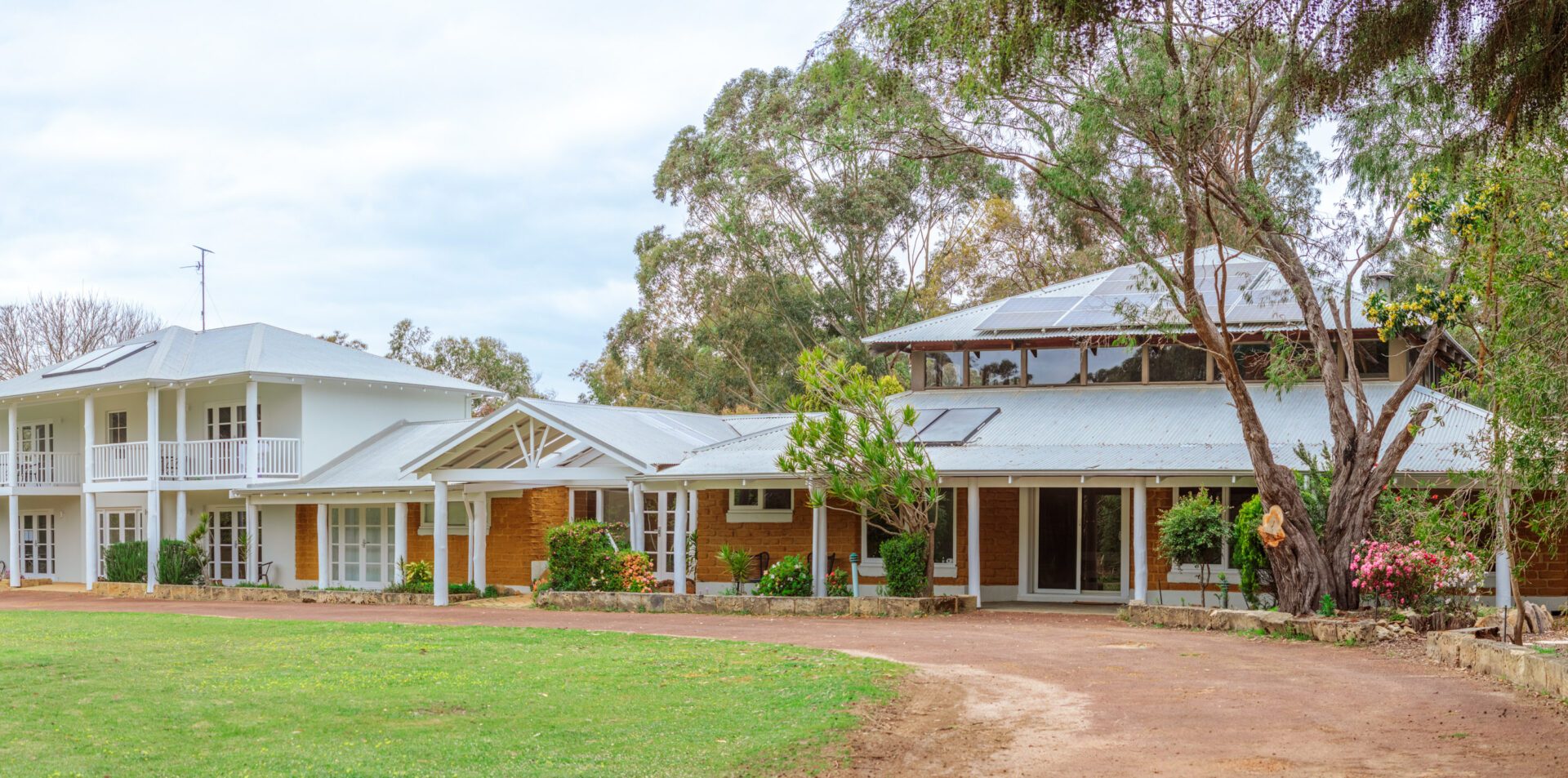
Six Seasons Recovery offers private residential treatment in the Margaret River region of Western Australia. Its program combines individual therapeutic work with support for physical health, nutrition, and daily routines in a retreat setting. Although some of its marketing addresses people searching for rehab in Perth, its residential location is in the Margaret River area. That distinction matters when planning travel, family contact, and the transition home. The provider describes its service as personalized care for people experiencing addiction, mental health concerns, or a combination of difficulties. Six Seasons Recovery
The most distinctive feature for prospective residents is the emphasis on one-to-one treatment. Someone who prefers to discuss difficult experiences privately may find that format particularly relevant when comparing programs. A private setting, however, does not explain the whole clinical service. The useful next step is to establish which professionals will provide treatment, how much individual contact the proposed schedule includes, and what medical support will be available for the person’s specific needs.
A residential setting in Western Australia’s southwest
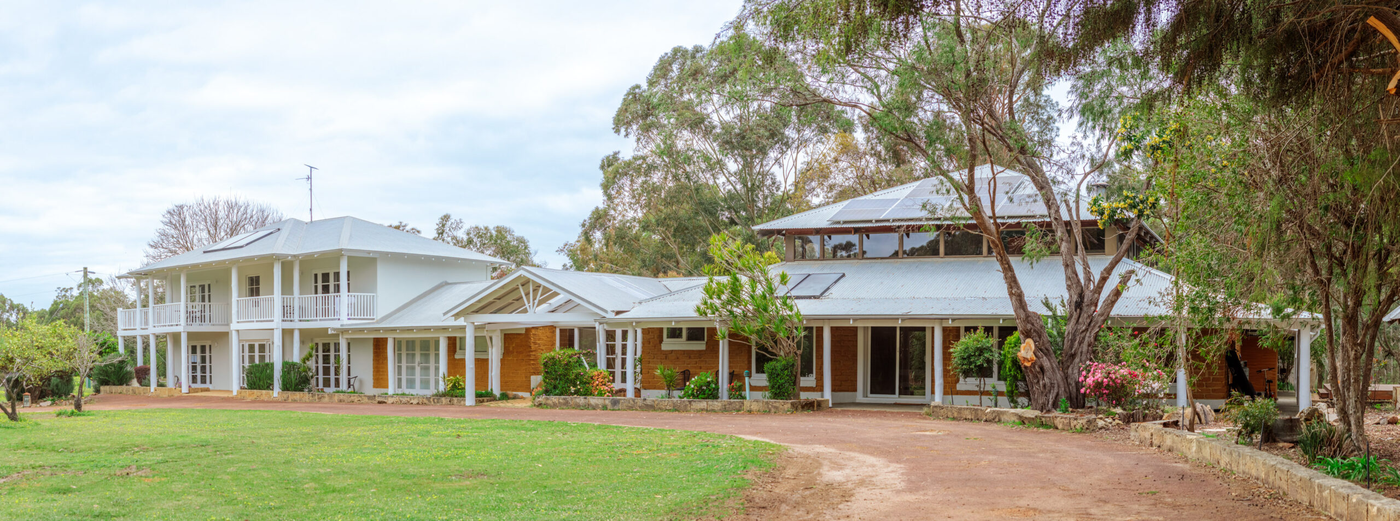
Six Seasons presents its location as a quiet bushland setting that allows residents to step away from their usual demands. Its location page describes private chefs, dedicated drivers, and access to nursing and other support. These features can simplify daily life during a stay, particularly for someone arriving from interstate. The description of on-call nursing should not be read as a statement that a nurse is continuously present on site; the actual staffing arrangement belongs in the admission discussion. Six Seasons location
Travel planning should begin after clinical acceptance. Ask who coordinates the journey from the arrival airport, whether transfers are included in the particular package, and what support is available during a long transfer. For someone traveling with prescribed medication, the admissions team should explain its own documentation and storage requirements before departure. A quieter destination may be attractive, but distance also affects visits, work commitments, and the practical support available immediately after discharge.
Accommodation and the scale of the residence
The residence page describes seven private rooms or suites, each with its own bathroom, together with shared spaces for reading, conversation, and reflection. Its presentation includes comfortable lounge areas and a fireplace. The emphasis is on personal space within a residential environment rather than an anonymous institutional layout. Prospective guests can ask to see the room category offered in their quote and clarify whether accessibility needs or other accommodation preferences can be met. The Six Seasons residence
There is an important detail to clarify about size. The provider’s FAQ states a maximum of four guests, while its residence page describes seven rooms. The number of bedrooms and the number of people accepted for treatment are not necessarily identical, but the public descriptions do not fully explain the relationship. It would therefore be premature to present either number as a definitive current operating capacity. Ask admissions how many residents are usually present, how shared spaces are used, and whether the staffing schedule changes with occupancy. Six Seasons frequently asked questions
For people who need discretion, privacy also involves everyday arrangements. Useful questions include whether residents use first names only, how visitors are managed, whether photographs are permitted in shared spaces, and how staff protect information when outside appointments are arranged. These details are more informative than an overall promise of exclusivity.
Individual treatment and clinical suitability
Six Seasons describes support for substance use, prescription medication dependence, trauma, anxiety, depression, grief, and other mental health concerns. Its FAQ also names several more complex conditions. This is a description of the provider’s advertised scope; it does not establish that every person with one of those conditions is suitable for this residential setting. Admission should depend on an individual assessment that considers current symptoms, medical needs, and the level of supervision required. Six Seasons frequently asked questions
The program page brings together therapeutic sessions, physical activity, nutrition, and restorative activities. It also describes a technology-friendly and pet-friendly approach. Someone who needs to stay in limited contact with work or has a strong attachment to a pet should discuss the practical rules in advance, because a broad policy does not settle individual arrangements, suitability, or additional costs. Six Seasons programs
When evaluating the treatment plan, separate professional psychotherapy from coaching, fitness, bodywork, and general support. Each can occupy time in a residential schedule, but they have different purposes and different practitioner qualifications. Ask for a sample week that identifies who delivers each session and explains how the team decides which activities take priority. This makes it easier to judge the substance of the proposed program without treating every scheduled hour as equivalent clinical treatment.
What daily life may involve
The FAQ describes a weekly rhythm with therapeutic work on weekdays, activities on Saturday, and space for rest and reflection on Sunday. It says personal disclosure takes place individually and that group activities are optional. A person who feels uncomfortable discussing personal history in a group can therefore ask how the individual format works in practice and which communal activities remain part of ordinary life at the residence. Six Seasons frequently asked questions
An individualized schedule still needs a clear structure. Before committing, request an example of a typical treatment day, including meals, appointments, exercise, independent time, and evening support. Ask how the schedule changes during the first week and what happens if fatigue, physical illness, or emotional distress limits participation. Flexibility is most useful when it is connected to a clear process for reviewing progress and adjusting the plan.
Published fees and what needs confirmation
The provider’s published cost guide lists 21 days at $46,500 plus GST, 28 days at $56,500 plus GST, and additional weeks at $12,500 plus GST. It says the program includes 12 months of aftercare. The page uses a dollar sign without an explicit currency label in the quoted figures. Australian dollars are the reasonable interpretation given the provider’s location, but currency should be confirmed in writing before payment. These are published reference prices, not a personalized admission offer. Six Seasons published treatment costs
The distinction between 21 and 28 days is substantial when comparing budgets. Ask why the team recommends a particular duration, what the first treatment phase is expected to cover, and what circumstances might justify an extension. An extension should be a clinical and practical decision, with its price and approval process understood beforehand. The quote should also state the total tax-inclusive amount, payment dates, cancellation terms, and what happens if the person cannot safely enter or continue the program.
Six Seasons’ payment information discusses private funding arrangements and the process of obtaining a quote. Any potential contribution from an employer, family member, insurer, financing provider, or another source needs separate confirmation. The existence of a payment route does not establish eligibility or remove the resident’s responsibility for the treatment agreement. Ask admissions to identify any costs payable to outside clinicians or service providers. Six Seasons payment options
Aftercare and the return home
The provider describes 12 months of telehealth aftercare in its FAQ. That is a useful starting point, but duration alone does not describe the amount or type of contact. Prospective residents should establish the frequency of appointments, the qualifications of the professionals involved, how sessions are scheduled across time zones, and whether missed appointments can be rearranged. It is also worth clarifying whether all of the advertised aftercare is included in the selected residential package. Six Seasons frequently asked questions
A practical discharge plan should be developed while the resident is still in treatment. It can identify the first appointments after returning home, the people who may be involved with consent, and the everyday situations likely to require extra preparation. If medication or another medical treatment is involved, responsibility for ongoing prescribing and monitoring should be clear. Ask how Six Seasons communicates with existing clinicians and how records are transferred when the resident agrees.
Returning to the same environment can reveal problems that are hard to anticipate from a retreat. A good admission conversation therefore includes the post-stay period from the beginning: where the person will live, how work will resume, whether family sessions would be helpful, and what local services may be needed alongside remote contact. These questions turn aftercare from a length-of-time promise into a usable plan.
Questions prospective residents often ask
Is Six Seasons Recovery located in Perth?
Its residential setting is in the Margaret River region of Western Australia. Perth appears in its marketing and cost-guide language as a place from which people may seek treatment. Ask the provider to confirm the actual arrival and transfer arrangements for the booked stay rather than assuming the residence is in metropolitan Perth. Six Seasons location
Will I need to share personal experiences in group therapy?
The provider says its therapeutic work is individual and describes group activities as optional. Confirm whether the proposed schedule includes any compulsory meetings or shared activities, and discuss any concerns about communal living. Individual therapy and having the residence entirely to oneself are different arrangements; ask about both if privacy is a central consideration. Six Seasons frequently asked questions
Are the published prices a final all-inclusive quote?
The cost guide provides starting reference figures and separately identifies GST. Before paying, obtain a written offer that confirms the currency, tax-inclusive total, room, dates, clinical services, aftercare, and any exclusions. The same document should explain cancellation, early departure, extensions, and outside medical expenses. This provides a more reliable basis for comparison than using the headline amount alone. Six Seasons published treatment costs
Explore related treatment options
For further comparison, explore treatment centers in Western Australia and addiction treatment providers. Review each provider’s clinical setting, accommodation, admissions requirements, and continuing-care arrangements.
Sources
- Six Seasons Recovery
- Six Seasons frequently asked questions
- The Six Seasons residence
- Six Seasons location
- Six Seasons programs
- Six Seasons published treatment costs
- Six Seasons payment options
Provider information reviewed October 20, 2026. Confirm current services, availability, and the written treatment agreement directly with the provider.