Choosing rehabilitation in Western Australia
A search for rehabilitation in Western Australia can involve very different decisions: finding alcohol and drug support near home, arranging a private residential stay in the South West, or understanding whether a person needs a different level of medical or mental health care before traveling. Begin with the problem that needs attention and the support required day to day. A location, room type or attractive residence can then be considered alongside the proposed care.
This directory currently includes Six Seasons Recovery on its Western Australia page. Its presence here provides a starting point for inquiries, rather than a complete map of treatment across the state. The guide below explains the provider's published location and program model, introduces official routes to other services, and sets out practical questions for comparing an offer of treatment.
Understand the location behind a Perth rehab search
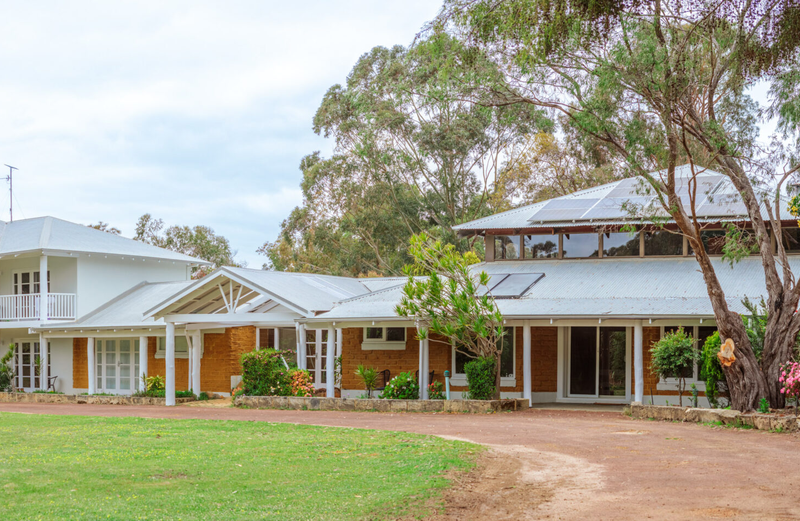
Six Seasons Recovery's own website places its residence in the Margaret River region of Western Australia's South West. It describes private residential programs combining psychological, medical, nutritional and physical elements, with individual sessions and stays described as twenty-one days or six weeks. These are the provider's published descriptions. They do not establish which professionals, appointments or medical services would be included in a particular person's admission.
If you found the program while searching for Perth rehabilitation, establish the actual place of care before arranging transport. Request the residence address, proposed arrival airport or meeting point, transfer arrangements and a realistic door-to-door schedule. Ask whether the quoted program takes place at the residence throughout, or includes appointments elsewhere. A postal address, an admissions telephone number and the treatment address can serve different purposes; the admission paperwork should make the practical arrangements clear.
Consider the wider Western Australian service system
The Mental Health Commission's Alcohol and Drug Support Line provides confidential support and information about options in Western Australia. Its current page gives (08) 9442 5000 for metropolitan callers and 1800 198 024 for country callers, with telephone support available around the clock. It can help someone concerned about their own use or another person's use explore services in their community. The service states that it is not an emergency service.
The WA Government also describes Next Step Drug and Alcohol Services, including outpatient care, an inpatient withdrawal service and support for families. These official routes are useful when you need to understand alternatives to a private residential quote. Ask the relevant service about current referral criteria, availability and the most appropriate next step. Do not assume that a private booking is the only route to an assessment, or that a named public service automatically accepts every referral.
Make the initial assessment specific
Prepare a short account of the concerns you want help with, previous treatment, prescribed medicines and the practical circumstances that may affect a stay. Include the things that have made earlier care difficult, such as travel, limited privacy, group settings, language, mobility or an inability to remain away from dependants. You do not need to choose a treatment label before speaking to a qualified professional. You do need an opportunity to explain the situation accurately.
Ask who reviews this information and who decides whether admission is appropriate. Request a clear explanation of what the program can address, what it cannot provide, and whether any assessment or stabilisation must happen elsewhere first. If current physical symptoms, changes in substance use or mental health concerns make travel uncertain, have a clinician assess the situation before booking transport. An available bedroom and a completed clinical assessment are separate parts of the admission decision.
Check the people delivering the care
Ask for the names, professional roles and registration details of the clinicians expected to work with you. For professions covered by Australia's national registration scheme, the Ahpra public register is a direct way to check a practitioner's current registration and any information shown about conditions. Search using the registered name or number supplied by the practitioner. A professional's registration is a different question from the facilities or staffing available at a residence.
Request a sample week that distinguishes appointments with clinicians from coaching, exercise, recreational activities and time alone. Ask how often your care will be reviewed, who coordinates different professionals, and how changes to the plan are discussed with you. For overnight arrangements, obtain a plain description of which staff are physically present, who can be contacted, and how a concern is escalated. The phrase individual care becomes useful when it is translated into named responsibilities and scheduled contact.
Clarify medical arrangements before arrival
Where a program mentions medical care or detoxification, ask exactly what that means at the proposed location. Questions can include who performs the assessment, where any withdrawal support takes place, which professionals supervise it, and what circumstances require transfer to another service. Request this explanation for your own history and needs. A general description on a website cannot tell you whether a particular admission is appropriate.
Provide an accurate medication list through the provider's agreed secure process and discuss ongoing prescriptions with the prescribing clinician. Establish who will handle prescriptions during the stay, how appointments or medicines from outside the program are organized, and which costs are separate. Ask how the residential team will contact an existing doctor with your consent. If a provider recommends changes to medication or care, ask for the responsible clinician's explanation before making decisions.
Compare the complete cost of a stay
Request an itemised written quote for your proposed dates, room arrangement and treatment plan. Ask whether the total includes assessments, individual appointments, accommodation, food, transfers, external medical visits, laboratory work, medicines and aftercare. Where an item is described as available, find out whether it is included, optional or separately charged. A daily or weekly rate is difficult to compare until the included services and length of stay are stated consistently.
Review the payment schedule, cancellation terms, conditions for extending treatment and what happens financially if a clinician advises that another service is needed. Ask how unused days are handled if you leave early or transfer to hospital. If you intend to seek reimbursement from an insurer or another payer, obtain that organization's own written decision about the specific provider and services. Keep enough information to compare the offer calmly with other realistic options, including follow-up care after returning home.
Plan for the South West setting and time away
For a person traveling from Perth, interstate or a remote community, the practical plan should begin before the first day of treatment. Confirm who meets you, how travel changes are handled and whether a support person can accompany you. Ask about accessibility, dietary requirements and any equipment you rely on. If you need regular specialist appointments, find out how they will be maintained and whether traveling to them changes the treatment schedule or total cost.
Discuss the amount of work, phone use and outside contact you expect to maintain. Put essential commitments on the table early, then ask how they fit with the proposed program. Similarly, agree arrangements for childcare, pets, bills and other responsibilities before admission where possible. A residential stay should come with a workable plan for the things that continue at home, rather than leave those questions to the first evening after arrival.
Include family support with clear boundaries
Decide whom you want involved and what information you are comfortable sharing. Ask whether family conversations are part of the program, whether they are educational or therapeutic, and whether they happen in person or remotely. Clarify any extra charges. Family members may need their own support and opportunities to ask practical questions, especially when they are helping arrange travel or managing responsibilities during the stay.
Set a communication plan that identifies the main contact, how routine updates work and what happens if an urgent concern arises. Ask how consent is recorded and changed. A relative paying for a stay should understand the financial agreement, while the person receiving care should understand how clinical information is handled. These arrangements are easier to establish explicitly than to leave to assumptions about the meaning of privacy or family involvement.
Arrange care for the return home
Ask about discharge planning during the admissions conversation. What appointments will be booked before leaving? Who receives the treatment summary with your permission? Will follow-up be delivered by the residential provider, a local clinician or another service? If you live outside the South West, confirm that the proposed support can actually be accessed from home and that appointment times, technology and costs are practical for you.
Request a written plan covering ongoing appointments, medication responsibilities where relevant, support contacts and the steps to take if difficulties return. Ask how the program reviews progress and whether there is a scheduled check-in after discharge. A promise of aftercare needs detail about frequency, duration, format and eligibility. The useful comparison is the whole period of support, including the transition back to daily life, rather than the residential dates alone.
Questions to settle before accepting an admission
Before paying a deposit, check that the clinical recommendation, location, staffing, program schedule, full price and cancellation terms all refer to the same proposed stay. Keep the written quote and the names of the people who answered your questions. If different documents describe different services, ask the provider to reconcile them. You can then decide whether the offer fits your needs or whether further advice from a local clinician or the state's support services would be helpful.
For the current directory option, read the Six Seasons Recovery profile alongside its official information. For a broader search, use the Australia directory and the official Western Australian resources linked above. Compare the evidence available for each individual program. Accommodation preferences can form part of the decision, while the assessment, professional responsibilities and continuing care plan establish what is actually being offered.
Back to guide contents↑