Choosing treatment across Oceania
Oceania is a regional starting point, while a treatment decision needs a specific country, city, and clinical program. The private providers represented on this page are concentrated in Australia. New Zealand has its own treatment and support system, and the directory should not be read as a complete inventory of every Pacific country. A regional search becomes useful when it helps identify the right service and a practical route into it.
Begin with the reason for seeking care: substance use, a mental health condition, several overlapping concerns, or another health need. Then establish the recommended level of support. Residential treatment, a day program, online appointments, and accommodation with visiting clinicians have different responsibilities and expectations. A private setting or a high fee does not tell you which of those arrangements is actually being offered.
Australian examples show different models of privacy
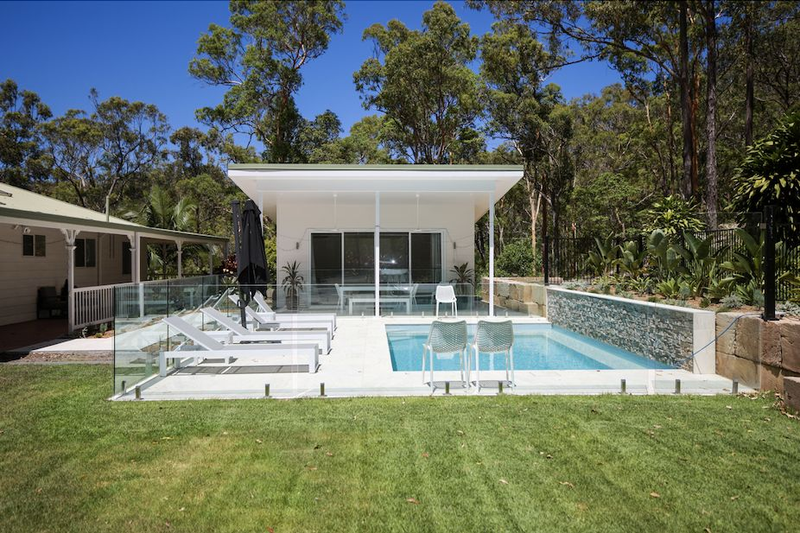
The Banyans and Noosa Confidential are two Queensland providers whose current descriptions illustrate the need for a detailed comparison. Both offer more than one program format. Their service menus should be evaluated by the actual clinical recommendation and living arrangement rather than treated as a single standard luxury-rehab product.
| Published option | Practical distinction | What the proposal should identify |
|---|
| The Banyans residential programs | Individual therapy with private suites; distinct program levels and an exclusive-property option. | The residence, clinical inclusions, and whether other guests share the setting. |
| Noosa Residence | A small shared residence with individual bedrooms and bathrooms. | Current occupancy, support arrangements, and the individual treatment schedule. |
| Noosa independent accommodation | Accommodation separate from the main treatment setting, with more independence between sessions. | Transport, support outside appointments, and suitability for the person's current needs. |
| Day or hybrid programs | A course of appointments while living elsewhere. | Attendance, local support, and which visits must happen in person. |
The Banyans: clinical program and residence are separate choices
The Banyans' residential information distinguishes Foundations, Comprehensive, and Bespoke programs. It describes individual therapy without group therapy and identifies different clinical inclusions through intake. The facilities information separately describes The Summit and The Estate. A private suite within a shared residence is different from exclusive use of another property.
The clinical proposal should explain what assessment and treatment the person needs before accommodation preferences are finalized. Ask which medical and psychological appointments are included, who coordinates them, and how a need for outside care is handled. A more private property may address discretion or family requirements without necessarily changing the diagnosis or the treatment recommendation.
The provider also describes a Bowen Hills day program in Brisbane with a course of individual appointments over eight weeks. That is a different location and attendance pattern from a hinterland residential stay. Someone who can live safely at home and attend scheduled care may have a different practical choice from someone who needs the support of a residential environment. Suitability still requires assessment.
Noosa's delivery models require different levels of independence
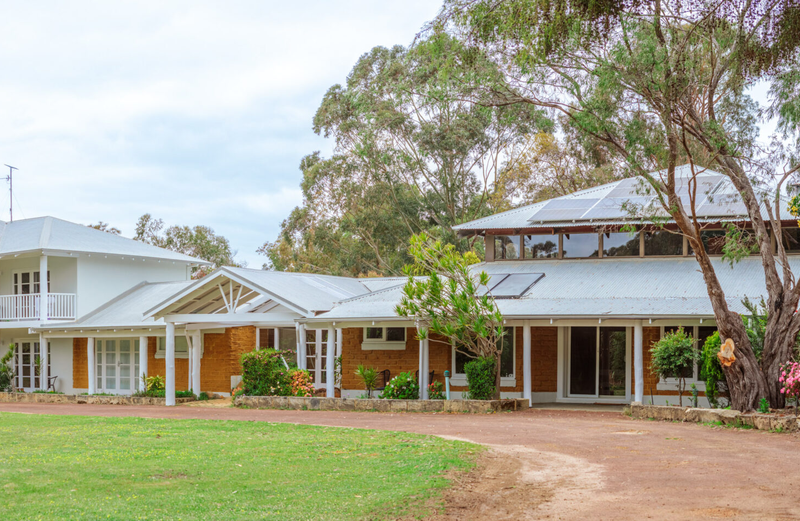
Noosa Confidential's program comparison distinguishes Noosa Residence, independent accommodation, Noosa Exclusive, and nonresidential care. The residence page describes a maximum of four clients with individual rooms and bathrooms. That is a small shared setting; it should not be confused with exclusive use of the whole residence.
The independent accommodation model explicitly describes an environment that is not clinically controlled. A person attends treatment while living in a separate property, with arrangements tailored to the plan. Greater control over accommodation therefore needs to be considered alongside the ability to manage between appointments. Confirm what support is present, what is available on request, and what would require a different setting.
The hybrid program begins with an in-person intensive followed by further remote and in-person sessions. A short initial visit is not the complete course. A prospective client should see the full timetable and understand which later appointments require travel, especially if they are returning interstate or overseas. The format needs to fit clinical needs as well as work and family commitments.
Noosa Exclusive is a further distinct arrangement, with private accommodation and a separately organized team and household services. Its description says overnight support can be arranged when required. The contract should therefore state the agreed support hours rather than leave them implicit in the word exclusive. It should also identify which appointments happen at the residence and which require travel.
Australian local care belongs in the comparison
The Australian Government's alcohol and drug support information provides a route into services through the National Alcohol and Other Drug Hotline and other resources. A GP can also help clarify assessment and local options. It is not necessary to choose a residential destination before asking what kind of help is appropriate.
Use the Australia guide and the more local Sydney, Melbourne, and New South Wales pages when repeated appointments near home may be more practical. Confirm the actual address of each program. An organization serving people from a city may deliver its residential service elsewhere, while a day clinic may have another location again.
For professional credentials, the Ahpra public-register guidance explains how to research registered practitioners. Match the name and role to the clinician who will provide the service. A registration check and an assessment of the treatment plan answer different questions; neither should be replaced by a promotional description of the provider's team.
New Zealand has its own routes into support
The New Zealand Government's mental health and addiction resource directs readers toward services, local support, and crisis-assessment information. It includes routes for alcohol and drug concerns, gambling harm, and help for family and caregivers. This is a useful starting point when the person lives in New Zealand and wants to investigate local treatment before considering a stay abroad.
The Alcohol Drug Helpline is another local point of contact for alcohol and drug questions. Discuss the support needed and the area where the person lives, then confirm the assessment process with the receiving service. Navigation and a clinical admission are separate steps. A contact with a helpline should not be interpreted as an accepted place in a particular residential program.
For a New Zealand resident considering Australia, compare the complete cross-country plan with appropriate local care. Identify who will provide assessment before travel and who will continue treatment afterward. Public or private coverage available at home should not be assumed to pay for a residential program overseas. Obtain an answer from the relevant payer for the exact service, rather than relying on a general statement about reciprocal healthcare.
The New Zealand government resource also identifies a separate gambling-help route. Someone seeking support for gambling-related harm does not necessarily need a program built around alcohol or drug withdrawal. Describe the financial, relationship, and mental health concerns to an appropriate service and ask what assessment and support are available. A condition-specific pathway can be more useful than starting with a general residential package.
Respect cultural, language, and family needs individually
A regional label cannot describe the needs of every Australian, New Zealand, or Pacific person. Explain the language in which the person wants assessment and therapy, who they want involved, and any cultural or spiritual practices that matter to them. Ask how the proposed team will accommodate those preferences and which support can be coordinated with existing local services.
For family or whānau participation, agree on the purpose and consent arrangements. Some relatives may join educational sessions, while others help with accommodation or appointments. Those roles do not require unrestricted access to clinical records. A translated reception service also does not establish that the ongoing therapist or group can work in the preferred language; confirm the actual appointment arrangements.
Compare full program costs in the correct currency
Noosa Confidential's time and cost information describes individualized pricing and identifies preparation and aftercare as parts of its residential offer. It also distinguishes its privately funded model from hospital or clinic insurance coverage. The written quotation should name the delivery model, accommodation, clinical period, included follow-up, and any excluded travel or optional services.
Keep Australian-dollar and New Zealand-dollar prices clearly labeled, with the billing period beside each figure. An eight-week outpatient course, a residential week, and an exclusive-property arrangement are not directly comparable prices. Build a budget for the entire recommended sequence, including flights, a companion if needed, additional consultations, and treatment after returning home.
Ask how the cost changes if the clinical plan is revised, the stay is extended, or another service becomes necessary. Review deposits and cancellation terms before paying. Financing, insurance reimbursement, and direct payment are different arrangements; the fact that a provider can assist with one does not establish that the others are available.
For a weekly day program, also budget the time between appointments. The Banyans' published day format concentrates individual appointments into one day each week across the course. That structure may suit some people, but it still requires a workable routine and support during the remaining days. Compare the actual attendance requirement with the person's circumstances rather than assuming that every intensive program supplies daily contact.
Plan clinical travel and ongoing care together
Assessment should establish readiness to travel and whether withdrawal management or another medical service is needed first. The proposed itinerary should identify the receiving contact and the actual treatment address, with a plan for delays. Discuss medication supply and documentation with the prescribing and receiving professionals, and check current official requirements for the relevant destination.
Before a residential stay ends, confirm the next appointments and the professional responsible for any prescriptions. Remote follow-up should be checked for availability in the country where the person will be located. Alumni contact, family education, and ongoing clinical treatment should be described separately so that the person knows how to use each resource.
The strongest Oceania comparison is therefore a sequence of concrete decisions: the assessed need, country and location, treatment format, accommodation and support, payment arrangement, and return-home plan. Use those details to evaluate mental health care or addiction treatment on its actual merits, with comfort and privacy considered as part of a suitable clinical service.
Back to guide contents↑