Kandela Recovery Center
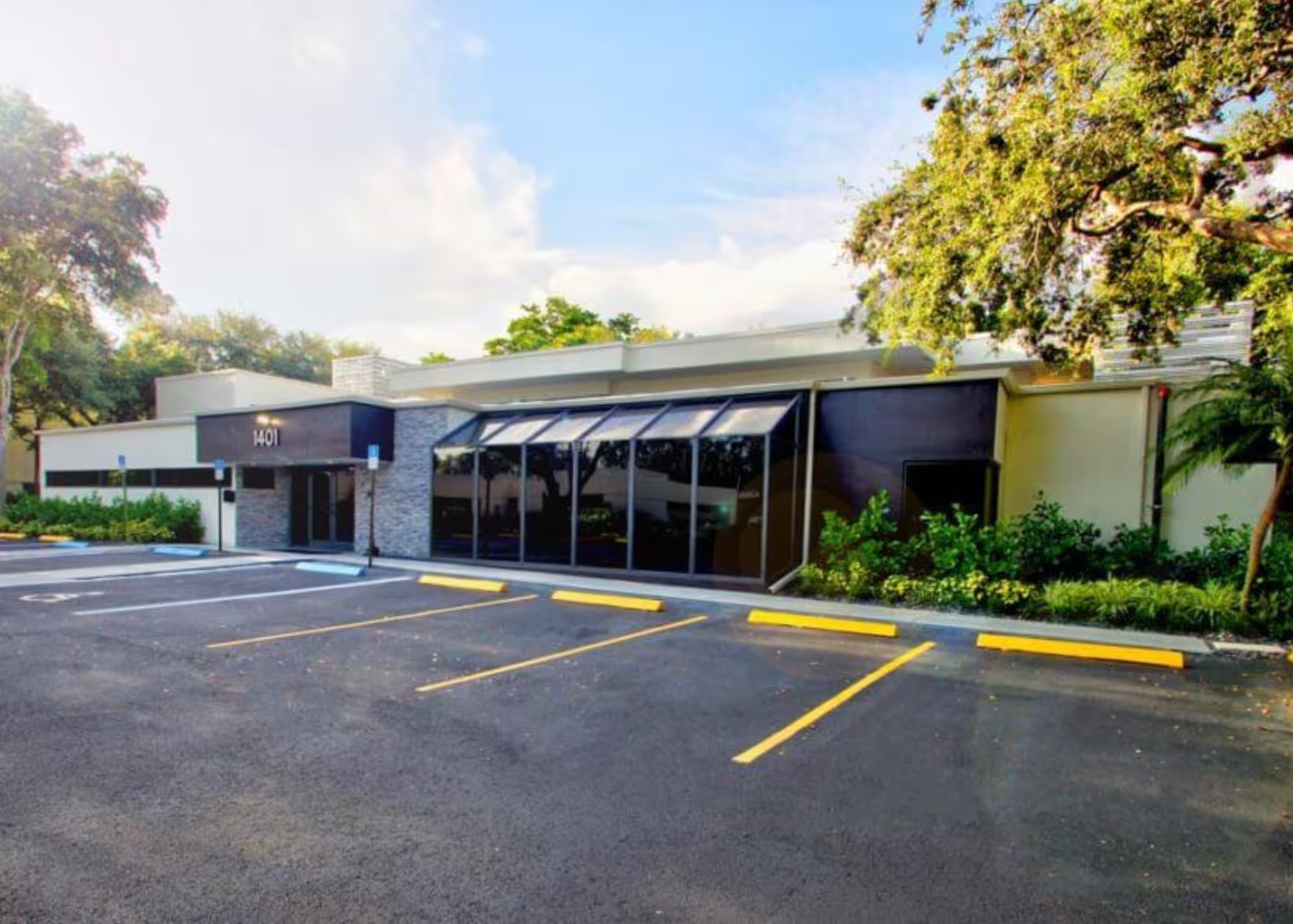
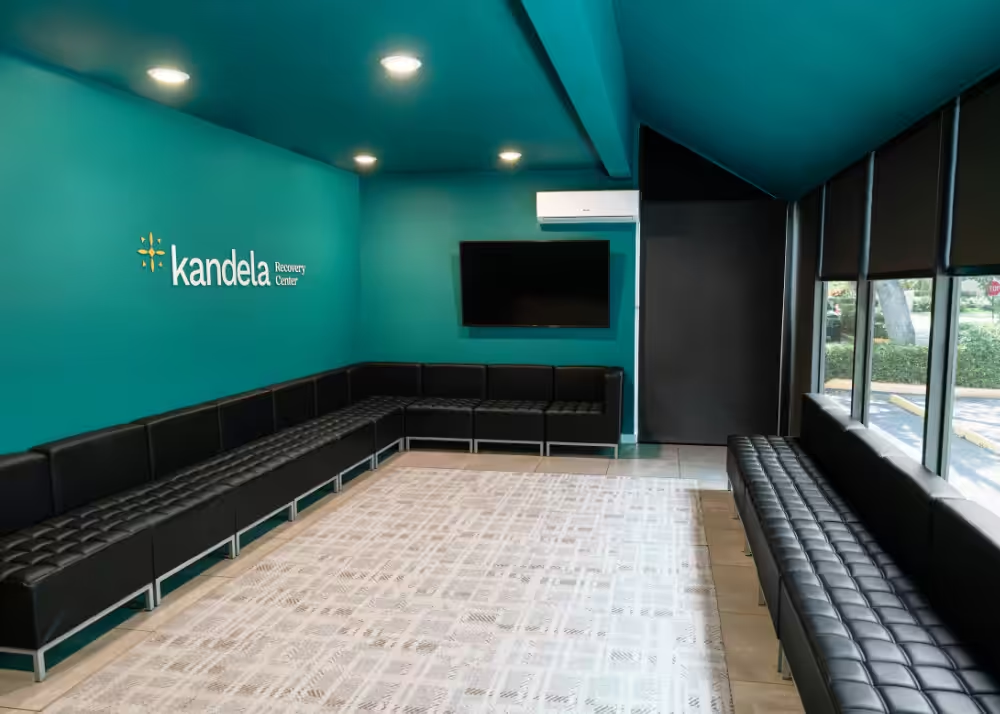
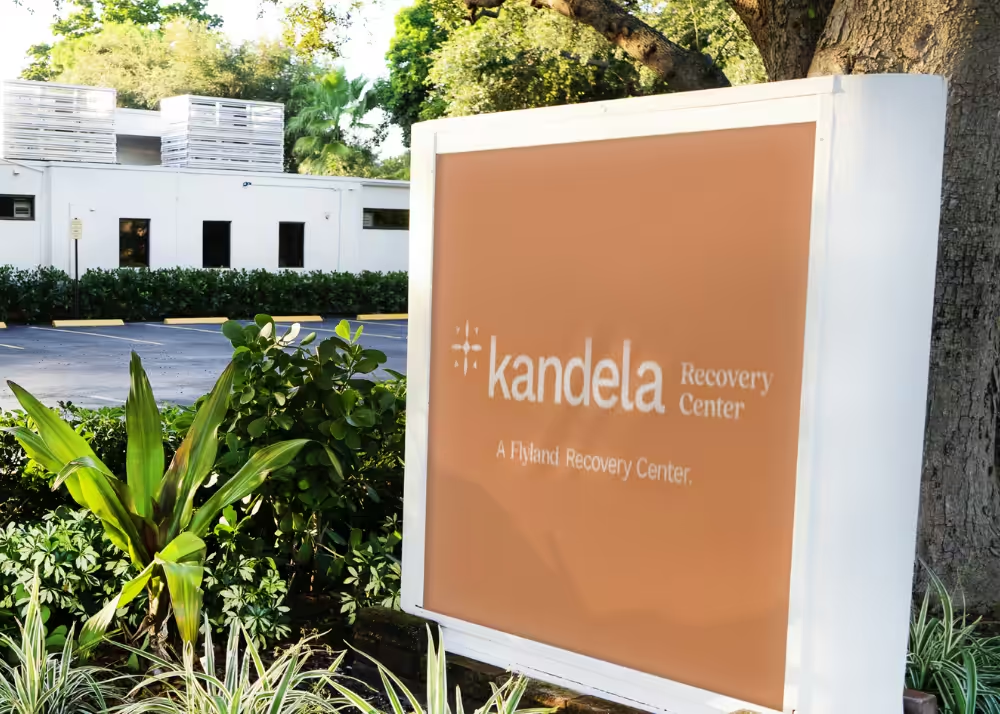
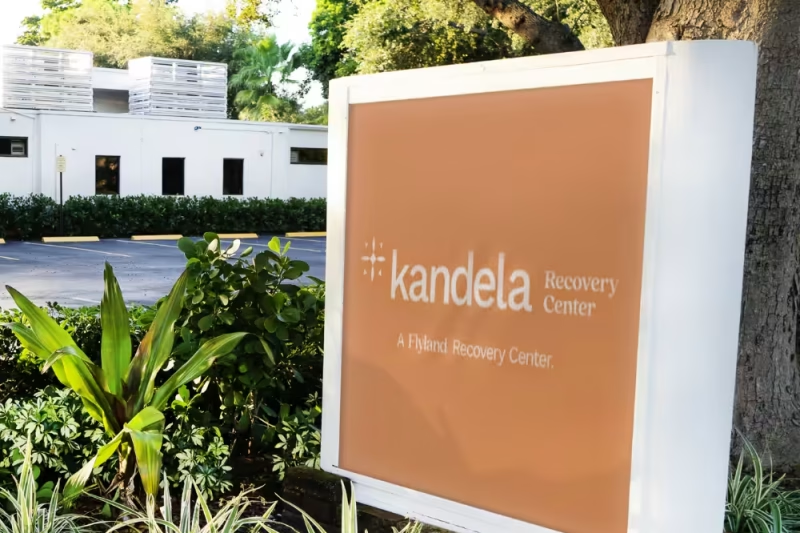
Kandela Recovery Center 3 photos
Comparison facts and sources
24/7 residential mental-health, co-occurring-disorder, substance-use and medical-detox care for adults aged 18 and older. · Adult residential center at 1401 NW 9th Avenue, Boca Raton, Florida.
- Published fee information
- Quote required
- Before admission
- This review does not establish admission, clinical eligibility, insurance authorization, included services or final client responsibility.
- Continuing care
- Discharge and transition planning plus an alumni program with ongoing connection, accountability, online and in-person community, meetings, activities and events.
Source record · October 17, 2026
Current official Boca Raton residential, mental-health, co-occurring, detox, duration, admissions and alumni evidence checked October 17, 2026.
- Official provider, address and insurance overview
- Official residential inpatient program
- Official residential mental-health treatment
- Official medical detox program and duration
- Official co-occurring mental-health and substance-use care
- Official adult admissions and insurance verification
- Official treatment range and alumni support
Luxury rehab comparison · Fees and inclusions · Selection methodology
Kandela Recovery Center provides adult residential mental-health, co-occurring-disorder, substance-use and medical-detox care at 1401 NW 9th Avenue in Boca Raton, Florida. Its residential program offers 24/7 supervision, medical and psychiatric assessment, individual and group therapy, family involvement, medication evaluation and holistic services.
The center treats primary mental-health conditions including anxiety, depression, bipolar disorder, obsessive-compulsive disorder, personality disorders, schizophrenia and trauma-related concerns. Current provider pages also describe integrated substance-use treatment and a medical detox program, including short-term withdrawal medication when clinically appropriate.
Kandela says its residential inpatient program usually lasts about three to four weeks, while its alumni page gives a broader mental-health treatment range of 20 to 90 days. Its detox page says common detox duration is three to ten days but may exceed two weeks according to medical necessity. Admissions are for adults aged 18 and older, with insurance-benefit verification available; no fixed public cash price or tax schedule is published. Discharge planning and alumni support continue after residential care.
How Kandela fits a Boca Raton treatment search
Kandela Recovery Center presents mental health as a central part of its identity, with residential support intended to help people develop skills for managing their condition beyond the stay. That makes the first admissions conversation especially important: a person seeking care primarily for depression or another psychiatric condition may need a different plan from someone seeking withdrawal management or integrated addiction treatment. The center’s range of services allows those questions to be considered together, but does not make every service necessary for every patient.
For someone comparing Boca Raton options, the useful distinction is the proposed clinical pathway. Establish whether the initial goal is psychiatric assessment and stabilization, medical detox, or ongoing residential therapy. A written explanation of that starting point gives more useful information than a broad description of the property as a luxury rehab. It also provides a reference when the team later recommends a change in the level of care.
Residential treatment and the role of assessment
Kandela’s residential mental-health program combines living on site with daily treatment and continuous supervision. The provider describes clinical assessment, medication evaluation, psychiatric reviews, individual and group sessions, and support from doctors, nurses, therapists, and mental-health technicians. Its published scope includes mood, anxiety, psychotic, obsessive-compulsive, personality, and trauma-related conditions, with suitability decided through assessment.
The program also lists CBT, DBT, motivational interviewing, family counseling, and several creative or wellness activities. A list of available approaches is a starting point for discussing a treatment plan, rather than a promise that every patient receives every modality. Someone with a long treatment history can bring previous assessments and describe which approaches were useful, difficult, or ineffective. The next question is how Kandela would combine those findings with current symptoms, medication needs, and the person’s ability to participate in a shared therapeutic schedule.
Understanding the residential time commitment
The residential inpatient page describes stays usually lasting about three to four weeks, depending on the patient’s needs. It emphasizes individual counseling, group work, family involvement, and a transition into the next phase of recovery. That typical interval should be understood as an orientation to the program, rather than an automatic discharge date or a guarantee that a particular condition will resolve within a month.
Before admission, it is useful to identify the initial objectives for the stay and when they will be reviewed. For example, the team can explain how it will assess participation, medication tolerability, daily functioning, and readiness for less intensive support. A family arranging leave from work or travel can then plan around review points instead of assuming that the longest or shortest published timeframe will apply. The proposed next service matters as much as the number of residential nights.
Medical detox is a distinct starting service
Kandela’s medical-detox information describes oversight by its medical director and individualized plans carried out by medical professionals. It gives a common duration of three to ten days, while explaining that some patients require more than two weeks. Medication may be used during withdrawal when the treating team considers it appropriate. These are provider descriptions of the service, not a timetable someone should use to manage withdrawal independently.
The same page describes chef-prepared meals, a bathroom for each room, and a television for each bed. A room having its own bathroom does not establish that every bedroom is single occupancy; the actual room arrangement should be confirmed. Kandela encourages treatment beyond detox, but the appropriate next setting still requires an individual clinical decision. Clarify whether the initial admission and estimate cover withdrawal management alone or also include a planned residential phase, and how a medically necessary extension would be handled.
When mental health and substance use overlap
The co-occurring-disorder program describes an integrated approach to mental-health symptoms and substance use. Kandela says its plans combine private and group CBT-based work, counseling, coping skills, relapse-prevention work, and supportive activities. This is a different referral question from finding accommodation for someone whose psychiatric care will continue entirely elsewhere.
A useful assessment should examine the relationship between symptoms, substance use, previous diagnoses, and earlier periods of treatment. The resulting plan should make responsibility clear: who reviews medication, who provides the main therapy, and how those professionals communicate. That is particularly relevant when a person already has an outside psychiatrist or therapist whose observations could inform the admission. Families can also ask how progress will be discussed without reducing it to a single measure such as attendance or abstinence. The provider’s description of integrated care does not, on its own, establish suitability for every combination or severity of conditions.
What a day at the center can involve
Kandela’s daily-life guide describes early mornings, breakfast, and either a morning group or activities such as yoga, meditation, or prayer. Counselor- or therapist-led groups follow, while evenings include dinner and treatment-appropriate leisure time. Examples of recreation include board games, bingo, karaoke, and cornhole. The overall emphasis is on developing a routine that can be practiced after discharge.
That description helps distinguish scheduled treatment from personal time, although it is not a patient-specific timetable. Someone who finds groups difficult can ask how introductory support works and whether the schedule changes during stabilization. People with dietary, mobility, sensory, or religious preferences can discuss adaptations before arriving, including their options during spiritual activities. It is also sensible to request the current weekly schedule: an illustrative day cannot establish the frequency of individual therapy, psychiatric appointments, or every activity that appears in the broader program description.
Admissions for adults and practical preparation
The admissions criteria specify adults aged 18 and older. The process begins with preliminary questions, benefit verification when insurance will be used, and discussion of travel arrangements. On arrival, Kandela describes medical and psychiatric assessment, screening, orientation to the room, and an introduction to the community. A referral may come directly from the person seeking care or through a professional already involved.
The provider’s packing guidance includes identification, insurance information, a current medication list, comfortable clothing, toiletries, and modest personal items. Medication handling and permitted electronics should be confirmed directly, rather than inferred from a general packing list. For someone traveling to Florida, obtain confirmation of clinical acceptance and the arrival plan before committing to transport. It is also helpful to know what records the admitting clinician needs, who will receive them, and whether an additional evaluation is required before the residential plan can be finalized.
Who is listed on the treatment team
The current Kandela team page identifies Samantha Necolettos as program director, Rafaela Buenaventura as clinical director, Deanna Stone as clinical lead, and Frances Donato as director of nursing. It separately lists primary therapists, patient-care staff, and corporate leadership. These named roles give prospective patients a more concrete basis for asking about clinical responsibility than an anonymous description of a multidisciplinary team.
Staff biographies and role titles are provider-published information; they do not establish who will personally treat a new patient or how often each professional will be available. Ask who is expected to be the primary therapist, how psychiatric reviews are arranged, and which nursing support applies to the recommended program. If an established outside clinician will remain involved, clarify how information can be shared with consent. Continuity during staff absence or a change in level of care is another practical point to settle during orientation.
Insurance verification and the treatment estimate
The page titled licenses and accreditations primarily discusses insurance and offers free benefit verification. Its general discussion of public and private insurance should not be interpreted as a list of plans that Kandela will accept for a specific admission. The actionable step is to obtain verification for the proposed service and the patient’s actual policy.
Request separate information about the covered level of care, any authorization period, and the patient’s expected share. If detox is followed by residential care, ask whether both services have been reviewed and how additional days are requested. An estimate should also explain how room arrangements, medications, outside medical appointments, transport, and personal expenses are treated where relevant. A facility’s willingness to check benefits is useful, but the result is more informative than a general insurer logo or an assurance that most plans are accepted. No fixed all-inclusive cash tariff is established by these pages.
Discharge planning and outside follow-up
Kandela’s discharge-planning page describes a customized aftercare plan and discusses partial hospitalization and intensive outpatient care as possible next levels. Its explanation of those services is not evidence that every follow-up program is delivered by Kandela at the same Boca Raton address. A recommendation should identify the receiving provider, the level of support, and how the transition will work.
For a person returning to another state, the most useful plan includes confirmed appointments and a clear handover to local clinicians. Discuss prescription continuity, records, transport to appointments, and the point of contact if the recommended service is unavailable. Family members may also need guidance on their role, with the patient’s agreement. These practical arrangements translate residential work into daily life; they should be developed around the person’s circumstances, rather than treated as a standard sequence that everyone must complete.
Alumni involvement after the residential stay
The alumni program lists ongoing education, volunteer opportunities, recovery coaching or sponsorship, aftercare groups, social-media connection, and community outings. Published examples include beach meetings, barbecues, paddleboarding, and bowling. This offers a picture of how former patients can remain connected, although the current calendar and participation arrangements should be confirmed.
The same page gives a broad mental-health treatment range of 20 to 90 days. That should remain separate from the residential page’s more typical three-to-four-week description: neither establishes the length of a particular admission. Alumni activities also serve a different purpose from scheduled psychiatric or psychological care. Someone living far from Boca Raton can ask which parts are accessible remotely and which require local attendance, while making sure the ongoing clinical plan remains in place. For people who value a continuing peer community, these practical access details are more useful than an unspecified promise of lifelong support.
Expanded using Kandela’s linked official program, admissions, team, and continuing-care pages, checked October 18, 2026. Program descriptions are attributed to the provider; individual suitability, availability, room arrangements, and financial terms require confirmation.
Sources
- Official provider, address and insurance overview
- Official residential inpatient program
- Official residential mental-health treatment
- Official medical detox program and duration
- Official co-occurring mental-health and substance-use care
- Official adult admissions and insurance verification
- Official treatment range and alumni support
Sources checked October 17, 2026.