Understanding the North Palm Beach treatment option
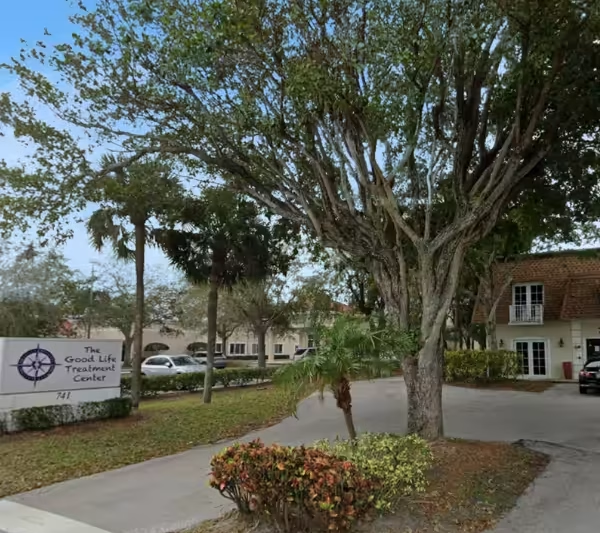
The current provider listed for North Palm Beach is The Good Life Treatment Center. Its published services center on outpatient addiction treatment, with day/night treatment, intensive outpatient care, standard outpatient care, medication support, and sober-living options. A search for luxury rehab in this location should therefore distinguish the clinical program from any accommodation arranged alongside it. The word rehab does not describe one uniform level of care.
The provider's contact page identifies its location as 741 US Highway 1, North Palm Beach, Florida 33408. This is distinct from Boca Raton, West Palm Beach, and other South Florida places mentioned in its service-area navigation. Ask where each part of the proposed arrangement takes place, particularly if the person will sleep somewhere other than the treatment address.
Match the level of care to the assessment
The Good Life's program overview describes an assessment of substance use, co-occurring mental health concerns, and personal goals. It presents individual, group, and family work alongside broader recovery support. Ask the clinical team to explain why it recommends day/night treatment, intensive outpatient care, or a less intensive schedule for the person applying. A choice should follow need and safety, not simply which schedule is easiest to book.
Someone leaving residential treatment may need a structured transition. Someone living locally may be assessed for outpatient treatment without a preceding residential stay. Those situations can involve different goals, supervision needs, and practical arrangements. Explain the person's current living circumstances, recent care, prescriptions, and ability to attend reliably so that the team can assess the actual situation.
When withdrawal, severe psychiatric symptoms, or medical instability may require a higher level of care, establish the appropriate starting setting first. A directory listing or an admissions conversation does not itself establish that a person can safely begin in outpatient care. Ask which circumstances lead to referral elsewhere and who coordinates the transfer into the program afterward.
What the day/night program describes
The provider's day/night treatment page describes individual therapy, group therapy, workshops, and family-focused work. It also addresses practical matters such as school, employment, housing, legal concerns, and medical needs. Listed topics include relapse prevention, mental health, family systems, trauma, and twelve-step recovery. These describe the program's areas of work; ask which components will appear in the individual's actual timetable.
The label day/night does not by itself explain the number of clinical hours, where the person sleeps, or the level of overnight staffing. Request the weekly schedule and a separate description of any housing. Ask how transport works between the residence and treatment, who is responsible outside program hours, and what happens when someone becomes unwell in the evening.
For a person who wants a highly private experience, clarify how much treatment takes place in groups and how much is one to one. A comfortable residence or private bedroom does not mean the clinical program is delivered exclusively to one person. Compare the proposed setting with the person's needs and previous experience, including whether they can participate in the shared parts of the program.
The published intensive outpatient schedule
The intensive outpatient program page specifies therapeutic groups three times a week, individual therapy at least once a week, psychiatric care, family involvement, and case management. It describes daytime and evening group scheduling and says IOP can be used as primary treatment or following more intensive care. Obtain the current timetable and expected attendance requirements for the specific admission.
For someone keeping a job or attending school, the practical question is whether the required sessions fit the actual week. Include travel time, clinical appointments outside groups, and any agreed recovery activities. Ask how a missed session is handled and whether a change in work hours would require a different program. Flexible scheduling still needs an arrangement the person can consistently follow.
Ask how the team decides when to reduce the intensity of care. The plan should identify what is being reviewed and who makes the decision with the patient. A fixed number of weeks may be useful for budgeting, but attendance alone does not explain whether the current level remains suitable. Agree how symptoms, daily functioning, substance use, and engagement will be discussed at reviews.
Medication support and detox placement are different services
The Good Life's medication-assisted treatment page names Suboxone, naltrexone, and Vivitrol among its options. This supports asking about medication within an individualized addiction-treatment plan. It does not mean that every named medicine is appropriate for every person or that every form of withdrawal can be managed at the outpatient address.
The broader program pages mention detoxification options. Ask whether any recommended detox is provided at another licensed service, which organization accepts the person, and when outpatient treatment would start. Obtain a clear handover between the treating teams. Medical withdrawal management, ongoing medication for a substance use disorder, and a sober-living arrangement have different purposes and should not be collapsed into a single promise of detox.
Bring an accurate medication list and disclose treatment already being received elsewhere. Ask who prescribes, who monitors side effects, where prescriptions are filled, and how medication is continued after leaving the program. Do not independently stop prescribed treatment to fit an assumed recovery-house rule. Any proposed change should be discussed with the responsible clinician.
Review housing as a separate part of the decision
The provider's sober-living page describes transitional accommodation, peer relationships, life skills, and support with returning to everyday routines. Request the exact residence address, operator, house rules, staffing arrangements, and costs. Establish whether housing is required for the recommended program or one of several possible living arrangements.
Ask about bedroom occupancy, bathrooms, accessibility, meals, laundry, medication storage, visitors, and transport. Clarify what happens if treatment intensity changes or the person stops attending the clinical program. Housing and treatment may have different agreements and payment arrangements. A written explanation helps avoid assuming that a single admissions conversation covers both services.
The Florida DCF recovery-residence information explains the state's certification framework and identifies resources for checking residences and administrators. Use the actual house and operator when making those checks. Certification of a recovery residence answers a different question from licensing a clinical service or verifying a prescribing professional.
Verify Florida program components
Florida DCF lists separate substance use service components, including day or night treatment, day or night treatment with community housing, intensive outpatient treatment, detoxification, and residential treatment. Its current provider-search information explains how to investigate site and component records. Match the proposal to the relevant component instead of using an attractive facility photograph as evidence of medical capacity.
The state explicitly says its search is for licensing verification and transparency, rather than a provider endorsement or quality score. Follow up on the clinical questions as well: who supervises the care, who handles psychiatric review, how concerns are raised, and how urgent needs are managed. Registration, clinical fit, and the patient's experience each need their own evidence.
Plan for co-occurring needs and family participation
The Good Life's program descriptions include mental health and co-occurring concerns within addiction treatment. If the main reason for seeking care is a condition such as depression or PTSD, ask whether the proposed service accepts that primary need or treats it alongside a substance use disorder. Request the actual treatment approach and clinician allocation for the condition.
Family involvement may include education, joint sessions, or support for relatives themselves. Agree which is intended, who can attend, whether participation can be remote, and how consent is managed. A family member living elsewhere should know how to contact the appropriate team and what information can be shared. Financial involvement does not automatically define a relative's role in clinical decisions.
Compare the full outpatient and housing budget
The contact and program pages describe work with major insurers, but the reviewed information does not establish a fixed all-in self-pay tariff. Request a written estimate for the chosen clinical schedule and any housing. Separate therapy, psychiatric appointments, medication, testing, transport, meals, and accommodation so that the family can compare like-for-like proposals.
Confirm network status and authorization with the insurer for the specific program. Ask about deductibles, coinsurance, excluded services, and the patient's responsibility if approval changes. An insurance benefit for outpatient treatment should not be assumed to cover a recovery residence. Establish how costs change when stepping down to fewer sessions or staying in housing for longer.
For someone traveling to North Palm Beach, include the cost of remaining locally throughout the recommended schedule and returning for any required appointments. A weekly clinical estimate alone can understate that commitment. For a local resident, transport, time away from work, and caregiving arrangements may shape whether the plan is sustainable.
Use alumni support alongside continuing clinical care
The alumni program describes ongoing connection and recovery activities after treatment. Ask for the current format, eligibility, frequency, and any costs. Peer and alumni contact can serve a different role from individual therapy, psychiatric review, or medication prescribing; clarify which professional appointments remain necessary after the structured program ends.
Palm Beach County's behavioral health and substance use office links to regional services and coordinates county initiatives. Explore appropriate local resources when planning ongoing support, while confirming eligibility and appointments directly with the receiving service. A named resource is most useful when the person knows how to access it.
Compare Boca Raton, West Palm Beach, and the wider Florida directory if a different setting is needed. Keep the distinction between treatment address, housing, and service area clear. The strongest choice is an assessed program with a workable weekly schedule, transparent costs, and named responsibilities throughout the transition back to everyday life.
Back to guide contents↑