Twelve Mile Recovery
Comparison facts and sources
Private residential addiction and co-occurring mental health treatment · St. Catharines, Ontario, Canada
- Published fee information
- Quote required
- Before admission
- The inpatient page describes six-, nine-, and twelve-week residential options.
- Continuing care
- Provider advertises six weeks of reintegration followed by twice-weekly virtual alumni support without a stated expiry. Confirm the specific booked entitlement.
Source record · 2026-10-20
Official provider information checked October 20, 2026.
Luxury rehab comparison · Fees and inclusions · Selection methodology
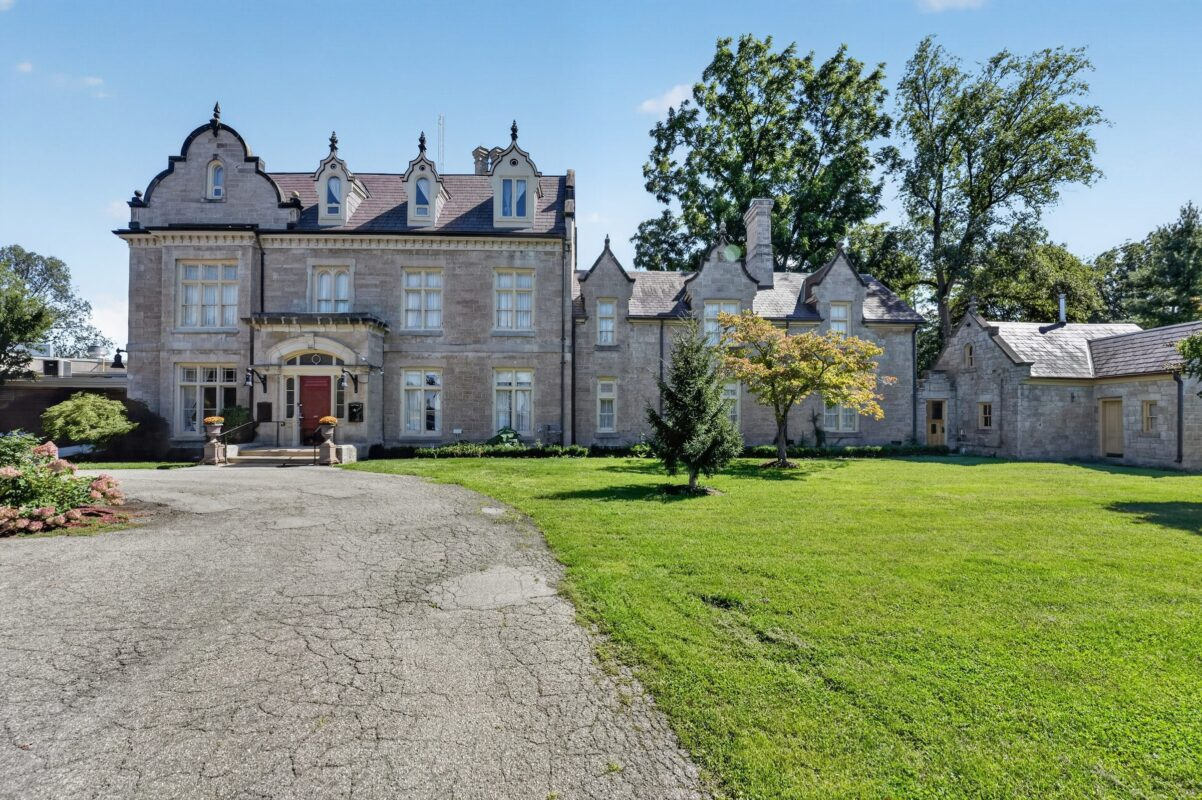
Twelve Mile Recovery provides private residential addiction treatment in St. Catharines, Ontario, Canada. Its program operates across two residences, Rodman Hall and Lake Street, with a published total of 29 places. The provider says both houses use the same program, counselors, and standard of care. This profile therefore covers one treatment provider with two residential settings, rather than presenting the properties as unrelated services. Twelve Mile Recovery private residential care
The offer combines individual and small-group treatment with physical activities, practical skills, shared daily life, and continuing support after discharge. The different houses give prospective residents a choice of atmosphere, while the provider describes the clinical model as consistent. A useful admission conversation should clarify which house and room are proposed and how the shared program works in everyday practice. Twelve Mile Recovery private residential care Twelve Mile inpatient treatment
Rodman Hall: a heritage estate by the creek
Rodman Hall is presented as a restored estate beside Twelve Mile Creek. The official walkthrough shows substantial drawing rooms, a dining hall, a studio, exercise areas, bedrooms, and gardens. It also illustrates the building’s historic character through features such as decorative stonework, fireplaces, and stained glass. These images give prospective residents a way to understand the setting before deciding whether it feels comfortable and appropriate. Rodman Hall residence
A historic property can create practical questions that photographs do not answer. Ask about stairs, accessible routes, the distance between rooms and activities, and the accommodation available for someone with mobility or other support needs. It is also worth clarifying which rooms are used for therapy, meals, and private time. The grandeur of the building does not explain the experience of an ordinary treatment day.
For someone who wants space outdoors, ask how the grounds are used and what supervision or access rules apply. A creekside estate may offer a welcome change of surroundings, but the relevant details are those that affect daily participation. Confirm what is available during the intended season and whether activities are adapted when weather limits outdoor time.
Lake Street: a smaller residential environment
The Lake Street page describes a renovated house in downtown St. Catharines with a kitchen, two lounges, and bedrooms that may be private or shared. It says the same clinical team and program serve this residence. The distinction is therefore the character and layout of the house, not a stated lower standard of treatment. The exact room arrangement should be confirmed before admission. Lake Street residence
Someone may prefer the smaller-scale atmosphere of an ordinary house, while another may feel more comfortable with the space and grounds of an estate. Neither preference settles the clinical decision. Ask whether appointments or activities require travel between locations, how staff coverage is arranged, and whether residents remain at the same house throughout their stay.
Private-pay care does not guarantee a private bedroom. If sharing would affect sleep, personal boundaries, or willingness to participate, discuss it directly and obtain the agreed category in writing. Also ask how bathroom access, personal storage, quiet hours, and room changes are handled. These are practical considerations that can matter more than the overall label applied to the property.
The residential treatment model
Twelve Mile’s inpatient page describes six-, nine-, and twelve-week stays with individual psychological work, small-group therapy, physical wellbeing, and practical skill development. Its account of a typical day moves from morning routines into clinical work, activity, and an evening meal with peer contact. The provider emphasizes continuity with a counselor during the residential phase. Confirm the actual schedule and assigned roles for the proposed stay. Twelve Mile inpatient treatment
The program also presents physical activity as part of the timetable. Ask how participation is adapted for health limitations, confidence, age, and prior experience. Someone does not need to arrive already fit or familiar with martial arts or yoga to ask about the service. The useful question is how the team makes the proposed activities appropriate for that person’s circumstances.
Trauma-informed care and professional roles
The provider describes its program as trauma-informed and says lived recovery experience informs parts of the team. Its staff directory includes clinical, program, peer-support, and other roles. Those categories should remain distinct when evaluating care. Personal experience can shape a supportive relationship, while professional assessment and treatment require clarity about who is responsible and what qualifications apply to the work. The Twelve Mile team
The provider publishes a CARF accreditation claim on its private-care page. This profile reports the residential offer rather than independently auditing that accreditation or assessing outcomes. A prospective resident who wants to rely on a particular credential can ask for its current scope and status. Testimonials and provider descriptions should likewise be understood as different from an individualized forecast of benefit. Twelve Mile Recovery private residential care
Meals, movement, and ordinary living
Twelve Mile advertises chef-prepared meals, a gym, sauna, cold plunge, and spaces for yoga and martial arts within its residential offering. It says the program includes these elements rather than selling them as separate upgrades. Confirm how access works from the chosen residence and whether any activity has health, schedule, or supervision restrictions. Twelve Mile Recovery private residential care
The everyday-skills element is particularly relevant to discharge. The inpatient page describes practical activities such as shopping and budgeting alongside treatment. Ask how these tasks are supported and how they relate to the resident’s actual life. Someone returning to independent living may need a different emphasis from someone returning to a family household or a highly structured job. Twelve Mile inpatient treatment
Admission and any detoxification step
The admissions page describes an initial call or text followed by a clinical assessment and planning for arrival. It welcomes inquiries about substance use and co-occurring mental health concerns and says the team will discuss a detoxification step when needed. This does not establish that every type of withdrawal management is delivered inside either residence. The location and responsible medical provider should be clarified before admission. Twelve Mile admissions
Explain current substance use, prescribed medication, relevant medical history, and any previous treatment to the assessing team. Ask what records are required and whether stabilization must be completed before entering the residential phase. If care occurs in more than one setting, the handover, transport, and cost arrangements should be clear. A seamless plan requires more detail than simply agreeing on an arrival date.
Privacy and seeing the residences
Twelve Mile says it does not offer drop-in tours of the occupied residences and instead provides video walkthroughs. This is a useful practical detail for families who want to inspect the setting before deciding. Ask whether a live video conversation, additional room information, or another way to resolve specific accommodation questions is available. Twelve Mile Recovery private residential care
The privacy discussion should also cover visits, photographs, communications, and information shared with relatives or payers. If someone else is arranging the stay, establish what the resident has consented to and who will receive updates. A general confidentiality statement is easier to understand when it is connected to the actual people involved in the admission.
Fees and the length of the offer
The official private-care page says Twelve Mile is privately paid and does not publish numerical prices. It describes discussing the plan and duration during the initial conversation and mentions receipts and financing options. Neither a receipt nor access to financing establishes insurance reimbursement. Any outside contribution should be confirmed independently before it is relied on in the budget. Twelve Mile Recovery private residential care
Request a written offer specifying the residence, private or shared room, number of weeks, professional contact, meals, activities, and continuing care. Ask about deposits, cancellation, early departure, and extensions. If a detoxification stage is needed, confirm whether it is billed separately and whether it changes the residential start date. A clear total is more useful than an estimated weekly figure without defined inclusions.
Reintegration and longer-term aftercare
Twelve Mile describes six weeks of reintegration after residential treatment, with structured remote contact involving the primary counselor and clinical team. Its aftercare page then advertises twice-weekly virtual alumni sessions with no stated expiry and automatic access for graduates. These are provider commitments that should be confirmed in the admission agreement, including eligibility, scheduling, and the exact nature of the sessions. Twelve Mile aftercare
The difference between reintegration and alumni support matters. The initial period may focus more closely on the resident’s transition, while a continuing group provides a different kind of contact. Ask which individual appointments are included, whether access is limited by location, and what happens if someone needs more intensive care later. Long-term membership should not be interpreted as unlimited individual psychotherapy or medical treatment.
Before leaving, establish the first follow-up appointments and how the online system is accessed. It is also useful to discuss work, family expectations, living arrangements, and any local clinical support that should run alongside the provider’s continuing program. The transition plan should fit the person’s real circumstances rather than depend on the routines of the residence continuing unchanged.
Frequently asked questions
Are Rodman Hall and Lake Street separate treatment providers?
They are two residences within Twelve Mile Recovery. The provider says they use the same program and clinical team. Confirm where the person will stay and where particular activities take place. Lake Street residence
Can I visit for a tour before applying?
The provider says occupied residences are not open for tours or drop-in visits and offers video walkthroughs instead. Admissions can explain how to resolve specific questions about accommodation before committing. Twelve Mile Recovery private residential care
Does lifetime aftercare mean unlimited therapy?
The published offer centers on continuing alumni access and scheduled virtual sessions following reintegration. Ask for the exact terms and any limits. It should not be assumed to include unlimited individual clinical appointments. Twelve Mile aftercare
Explore related treatment options
For further comparison, explore treatment centers in Ontario and addiction treatment providers. Review each provider’s clinical setting, accommodation, admissions requirements, and continuing-care arrangements.
Sources
- Twelve Mile Recovery private residential care
- Rodman Hall residence
- Lake Street residence
- Twelve Mile inpatient treatment
- Twelve Mile aftercare
- Twelve Mile admissions
- The Twelve Mile team
Provider information reviewed October 20, 2026. Confirm current services, availability, and the written treatment agreement directly with the provider.