Finding addiction and mental health treatment in Ontario
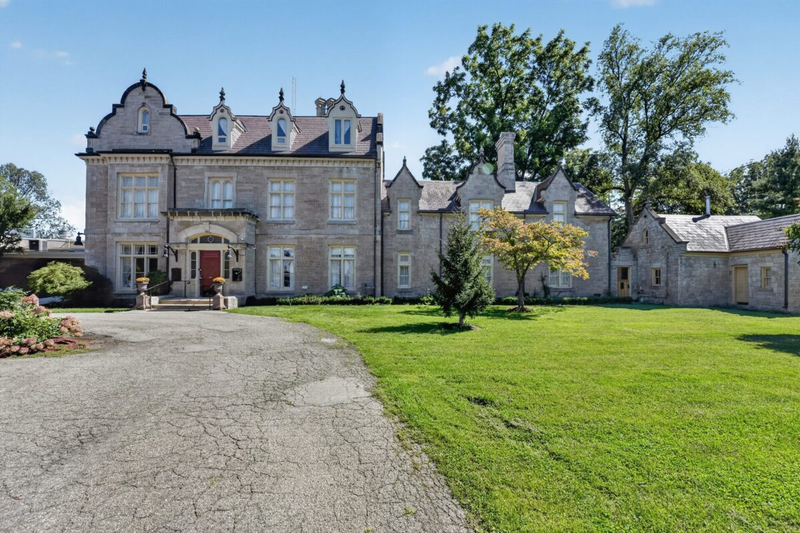
This guide covers Ontario, Canada, a province with treatment services in many different communities. An Ontario listing should therefore be the beginning of a geographic and clinical comparison, not a promise that a program is nearby. This page includes Twelve Mile Recovery in the Niagara region and The Residence at Homewood in Guelph. They are individual private providers within a much wider system of community, hospital, publicly supported, and privately paid services.
Start with the person's current needs, preferred language, location, and ability to attend care. Someone seeking ongoing counseling near home may need a different pathway from someone considering a temporary residential stay. Co-occurring mental health concerns, current medications, physical health needs, and previous treatment also belong in the assessment. A useful recommendation should explain both the proposed clinical setting and how it can work in the person's everyday circumstances.
Use navigation services to understand the available pathways
ConnexOntario offers free, confidential information and referral support at 1-866-531-2600, available around the clock. People can also use text, live chat, email, or its service directory. A referral, appointment, or OHIP card is not needed to contact ConnexOntario, although individual treatment programs may have their own requirements. Its role is to help people understand and locate services; it does not provide diagnosis, psychotherapy, or medical treatment itself.
ConnexOntario's addiction service information describes pathways including counseling, withdrawal management, residential treatment, outpatient programs, harm reduction, and family support. This is a more useful starting point than assuming Ontario facilities all follow one treatment model. Prevention, treatment, harm reduction, and enforcement are not a universal sequence of clinical services delivered by each rehab. Compare the actual program offered and the person's goals.
When seeking a referral, describe the community where the person lives and any limits on travel. Mention age, communication or accessibility needs, and the type of help being sought. Request the receiving program's contact details, eligibility requirements, and next step. Navigation support can identify options, while a clinical assessment and the program's own admissions process determine whether a particular service is appropriate and available.
Identify the purpose of the proposed setting
Ask the assessing team to explain why the recommended setting fits the current concerns. A residential stay, hospital service, withdrawal-management program, and series of outpatient appointments can provide different kinds of support. Clarify the staff present, medical oversight, access to psychiatric evaluation, and what happens outside scheduled sessions. The word “inpatient” on a website should prompt questions about the actual arrangement rather than assumptions about hospital-level resources.
If alcohol or drug withdrawal may require medical support, obtain an assessment and a coordinated plan before arranging a residential arrival. Ask whether withdrawal management happens at the proposed facility or through another service and who organizes the transfer. Do not use a general seven-to-ten-day estimate as an individual timetable. The appropriate setting, monitoring, and timing need to be established for the person's circumstances by the treating team.
The Twelve Mile Recovery profile relates to an addiction treatment provider in St. Catharines, in Ontario's Niagara region. Its current website describes residential care at Rodman Hall and Lake Street, alongside virtual treatment and continuing support. Confirm the residence attached to the proposed admission, the room arrangement, accessibility, and where clinical sessions take place. A provider with more than one residence may require specific arrival instructions.
Twelve Mile's FAQ explicitly states that it is not a detox facility and describes arranging medically supervised support with partner services when withdrawal management is needed first. That distinction should remain central to an admission discussion. Ask the clinical team to coordinate any necessary support and confirm readiness for residential admission. An entry requirement should not be interpreted as advice to manage withdrawal alone or abruptly change prescribed medication.
Its residential program information describes six-, nine-, or twelve-week stays and a combination of therapy, counseling, peer support, and activities. Treat these as the provider's program options, with the proposed duration explained through assessment. Discuss the frequency of individual appointments, the role of group work, and how physical activities are adapted when someone has health or accessibility limitations. Recreational features do not establish a treatment outcome.
What to understand about The Residence at Homewood
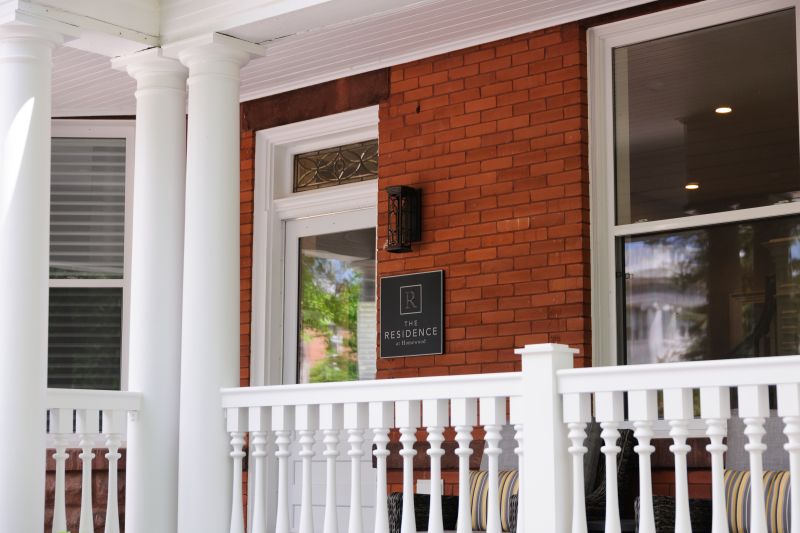
The Residence at Homewood profile concerns private care in Guelph. The Residence's own information describes individualized treatment for mental health and addiction concerns on the same campus as Homewood Health Centre. It accepts medical and self-referrals. Ask which Residence service is proposed, how the assessment is conducted, and which campus resources would be part of that person's plan rather than assuming all Homewood programs are included.
The provider's treatment approach describes an assessment during the first week and care for trauma, mood, anxiety, addictive, and concurrent disorders. Discuss the primary concerns and the team members responsible for addressing them. Where a specialized intervention is mentioned, ask the treating clinician about its purpose and individual suitability. A list of available interventions does not mean every patient receives them or needs the same combination.
Separate public funding, private payment, and insurance benefits
Funding should be checked for the precise service under consideration. ConnexOntario describes its database as including eligible publicly funded, OHIP-subsidized, government-supported, and charitable programs, generally offered without charge or on a sliding scale. Ask about eligibility and any remaining costs when a referral is made. The existence of publicly supported treatment does not establish coverage for an unrelated private residential package advertised elsewhere.
Twelve Mile's FAQ identifies it as a private facility and says it does not bill insurers directly, although it can provide receipts for reimbursement where applicable. Verify any proposed benefit with the insurer or employer plan before relying on it. Ask what documentation is required, whether advance approval is needed, and which services qualify. A provider's willingness to issue a receipt does not determine whether a particular plan will reimburse it.
For either listed private provider, request a written estimate that identifies the treatment plan, accommodation, clinical services, medications, testing, and aftercare included. Review deposits, refund terms, possible extensions, and charges for outside services. If considering borrowing, separate the treatment decision from the financing decision and review the full repayment obligation. Cost and comfortable surroundings do not by themselves establish that a program matches the person's assessed needs.
Plan travel and remote care across the province
Compare a stay in Guelph or St. Catharines with the support available in the person's home community. Travel may affect family participation, work leave, and the ability to return for follow-up appointments. Confirm the actual address and admission date before booking transportation. If someone will accompany the patient, ask how long they need to remain, whether a family meeting is scheduled, and what arrangements they must make independently.
For someone returning to another part of Ontario, identify local care before discharge. A plan may require a primary care appointment, a prescribing clinician, counseling, or another community service. Confirm who accepts the referral and how records will be transferred with consent. If services are separated by distance, establish who will address problems during the transition rather than assume the residential team or a distant clinic will automatically take responsibility.
Twelve Mile's virtual program offers different combinations of self-directed material, coaching, and therapy. Ask which package is being considered and distinguish a coach's role from that of a therapist or prescribing clinician. Confirm session frequency, participation requirements, privacy, and arrangements for problems between appointments. Online access can change travel demands, but the team still needs to assess whether remote participation is appropriate for the individual.
Understand the continuing-care commitment
Twelve Mile's reintegration program is described as six weeks of remote support following residential treatment, included in the residential course of care and involving the existing counseling team. The provider distinguishes it from the separate virtual program that people can enter without a residential stay. Confirm the actual calendar and responsibilities, including how it connects with the longer-term alumni support the provider advertises.
The Residence's Recovery Management Program describes check-in calls, groups, and individual support, with eligibility to be discussed during intake. Its approach page also identifies additional recovery services that may be purchased. Establish what is included in the proposed agreement, what is optional, and how long each component lasts. An aftercare label should become a concrete set of appointments and contacts rather than an assumed promise of unlimited clinical care.
Review quality, communication, and personal fit
Ask for the names and roles of the professionals who will provide care, then verify the relevant credentials through their professional registration information where applicable. If a provider advertises accreditation, check the organization, program, and current period covered. Accreditation should be considered alongside staffing, assessment, treatment planning, and practical arrangements. It does not remove the need to ask who is present overnight or how urgent medical or psychiatric concerns are addressed.
Discuss language and cultural preferences early, including whether support is delivered by a clinician who speaks the language or through an interpreter. ConnexOntario says it can help identify language-specific and culturally appropriate services. Ask the actual treatment program how those needs will be accommodated during assessments, groups, consent discussions, and family meetings. A general inclusion statement is less useful than an explanation of what will happen during the person's care.
Family participation should reflect the patient's choices and the purpose of treatment. The Residence describes consent-based involvement and a designated professional contact for families. With any provider, establish who may receive updates, how permission can be changed, and whether chosen supporters can participate remotely. Also ask how information is handled in group sessions, online platforms, and communication with employers or benefit providers so that necessary coordination has clear boundaries.
A workable Ontario treatment plan brings together clinical fit, location, cost, access, and continuity. Keep a short record of what each program has confirmed and what remains unresolved, then review the recommendation with the assessing clinician. The next step may be a local service, a more detailed evaluation, or a residential admission. The strongest comparison explains why that step fits the person and how support will continue afterward, without a guaranteed result.
Sources reviewed October 22, 2026: ConnexOntario, Twelve Mile Recovery, and The Residence at Homewood. Confirm current service details, funding eligibility, schedules, and admission arrangements directly.
Back to guide contents↑