Compare South Dakota rehab by program and location
Searching for luxury rehab in South Dakota should lead to a comparison of actual clinical services, privacy, and practical access. A residential program near Canton and an outpatient program in Sioux Falls have different daily demands, even when the same organization operates them. Someone living in the western part of the state may also need a separate local plan for assessment, continuing treatment, or family support.
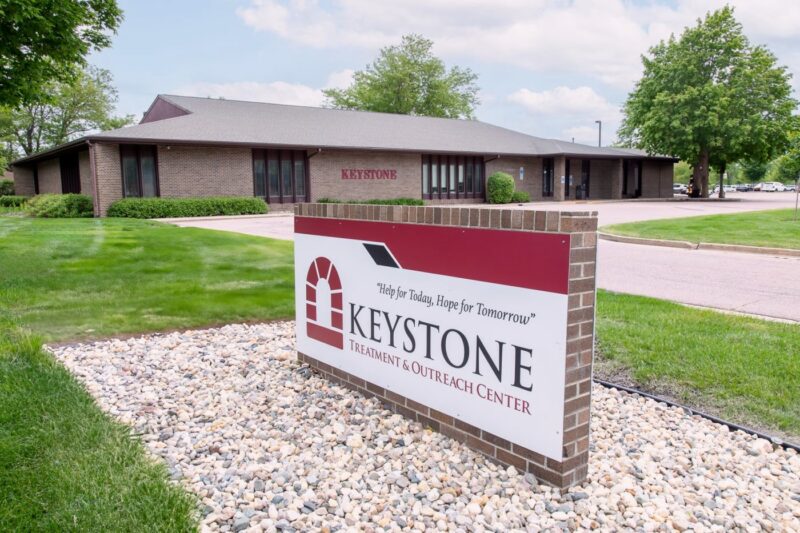
Keystone Treatment Center is a provider in this directory with residential, detox, and outpatient services. It offers a useful example of why a statewide label is not enough to choose care. Establish the person's treatment needs and recommended level of support, then confirm the assigned program and its address. No directory ranking can establish which setting is clinically appropriate for an individual.
Canton residential care and Sioux Falls outpatient care
Keystone's official website distinguishes its residential location in Canton from its outpatient location in Sioux Falls. Its residential address is listed as 1010 East Second Street, Canton. The separation matters when planning travel, arranging family visits, or deciding whether outpatient attendance is feasible from home. Confirm where each stage of the proposed plan will take place before booking transport.
The provider's adult residential program describes care for adults age 18 and older with substance use, gambling, and co-occurring mental health concerns. It lists individual, group, family, and experiential therapy, medication management, and medically monitored detoxification as services selected according to need. Length of stay is described as individualized. A broad menu should therefore be translated into the particular treatment plan being offered.
Ask about the actual frequency of individual sessions, the size and purpose of groups, and how psychiatric needs are assessed. Clarify who is physically present overnight and who is available on call. A list of professional roles associated with an organization does not establish that every specialist is on the premises continuously. Also request the room arrangement and visitor policy if privacy or family access is central to the decision.
Detox is a defined service with an onward treatment expectation
Keystone's detox information describes medical supervision and round-the-clock nursing. It gives a general duration of three to seven days, while the individual need still requires assessment. The page also says detox is not offered as a stand-alone service: admission is intended to lead into other treatment at Keystone. Someone seeking only a brief withdrawal admission should clarify that requirement before making arrangements.
Ask the clinical team to review recent substance use, current prescriptions, previous withdrawal experiences, and other health conditions. Establish what would require a different medical setting or hospital transfer. A published duration is not a promise that symptoms will resolve on a fixed day, and treatment cannot guarantee that withdrawal will be symptom-free. The appropriate starting point should be decided through assessment, not a package length.
The next stage also deserves attention before admission. Ask whether the intended residential or outpatient place is available, what criteria guide a transition, and how the financial agreement covers it. This is particularly important for people traveling to South Dakota who may not have a local home or support network immediately available.
What the Sioux Falls outpatient schedule involves
The Keystone outpatient page describes adult morning and evening intensive outpatient programs, typically four days a week for three hours a day, with a usual duration of six to eight weeks adjusted to progress and need. It identifies an exception for people age 18 who are still in high school, who participate in the adolescent IOP. Confirm the applicable age group and current timetable during assessment.
Those attendance requirements can be compared with work, education, childcare, and transport. A morning or evening option is useful only if the person can attend the whole required schedule and any additional appointments. Ask whether individual counseling is routinely scheduled or added according to need, and whether there are separate costs. The published service description includes a family therapy session; it should not be interpreted as unlimited family counseling.
IOP can serve people entering from another level of care or seeking structured outpatient support directly. Ask which route is being proposed and why it fits the current situation. Clarify what happens outside session hours and where to seek help if symptoms worsen. Nearby accommodation, if arranged separately, does not supply the same supervision as a residential clinical program.
Culture and personal preferences should shape the plan
Keystone's Native American program describes cultural and spiritual advisors, a cultural coordinator, and opportunities for culturally relevant activities alongside addiction treatment. It presents participation as an additional part of care. Ask which staff and activities are available for the intended admission, and discuss the person's own preferences rather than assuming that every Native American participant wants the same approach.
Cultural traditions differ between communities and individuals. A useful conversation addresses language, family participation, spiritual practices, and any existing relationship with a tribal health service or local counselor. The person's preferences should guide what is included. A general cultural program description is not a substitute for listening to the individual or establishing how the clinical team will coordinate with existing support.
The same principle applies to other specialist tracks or approaches. Request a clear description of what changes in the weekly treatment plan, who provides the service, and whether participation is optional. A specialty label has practical value when it identifies actual expertise and relevant care, not simply another name on a program menu.
Use South Dakota's wider service network
The South Dakota behavioral health treatment finder provides a map searchable by address, city, or county and distinguishes service categories. It includes providers across the state, making it useful for local assessment or follow-up beyond the private options in this directory. A map entry is a starting point for contacting a service; it does not establish current availability or individual eligibility.
The Department of Social Services county resource also directs people toward mental health and substance use services, including help when payment is a barrier. Ask the relevant service about assessment, funding criteria, waiting times, and the recommended next step. Do not assume that a small number of private listings means a county has no other treatment options.
For someone planning an initial stay away from home, identify the local receiving team early. A person returning to Rapid City, Aberdeen, or another community may need appointments different from those offered near Canton or Sioux Falls. With consent, the residential team can coordinate information with that local service. A confirmed handoff is more useful than a general suggestion to find counseling after discharge.
Families seeking help for a minor should use age-specific service information. The state finder includes the Great Plains Area Youth Regional Treatment Center in Mobridge, while Keystone's reviewed adult residential description starts at age 18. Contact the relevant youth service about eligibility, referral, and current availability. A listing for an adult program should not become a teenager's default option because it appears prominently in a general rehab search.
A western South Dakota pathway has different services and costs
Pennington County's Care Campus describes adult addiction and mental health services at 321 Kansas City Street in Rapid City. Its published scope includes assessment, residential and outpatient treatment, and social-setting detox. The county also publishes charges and explains that state assistance depends on income and household size. This is a distinct local pathway to investigate, not a claim that it offers the same accommodation or clinical model as Keystone.
The difference in detox terminology should prompt a clinical question. Ask what monitoring and medical support the proposed service supplies and what circumstances require referral elsewhere. Similarly, a county assessment, a residential admission, and a day program can have different payment requirements. Obtain an individual explanation before assuming that public provision means every service is free or that all applicants qualify for assistance.
A local service may be relevant either as an initial option or as part of continuing care after treatment elsewhere. Compare the available level of care with the recommendation, then consider travel and support. The aim is a feasible plan across the state, rather than selecting a distant facility first and leaving the home arrangements unresolved.
Review insurance and private costs separately
Keystone provides an insurance and payment information page, and its website identifies South Dakota Medicaid among payment options. Ask for a check of the specific plan, program, and location. The expected contribution may depend on network status, authorization, and the recommended level of care. An insurer's name on a provider website does not guarantee approval for an individual admission.
Request a written estimate that distinguishes detox, residential treatment, outpatient services, professional charges, and any separate accommodation. Discuss how an extension or an earlier transition would change the bill. For out-of-state families, include transport, visits, and local follow-up in the practical budget. Comparing only an initial daily rate can obscure a substantial difference in the total plan.
Privacy preferences should be included in the same conversation. Establish whether a private room is available, whether it carries an additional charge, and which treatment activities are shared. A quiet setting and an individual therapy plan can coexist with group programming; neither should be assumed to mean exclusive use of a facility.
Leave with a clear continuation of care
Before discharge, identify the next therapy appointments, any prescribing clinician, and the support available between visits. Confirm who will send records, with the person's permission, and who will follow up if an appointment is missed. Relatives should understand their agreed role without being expected to replace professional treatment or provide supervision beyond their ability.
For alcohol-related care, trauma treatment, or another concern, compare how the actual plan addresses that need. Use the United States guide if an appropriate service lies outside South Dakota. A strong shortlist explains the program, location, eligibility, cost, and next stage clearly enough that the person and their clinicians can make an informed decision together.
Back to guide contents↑