Keystone Treatment Center
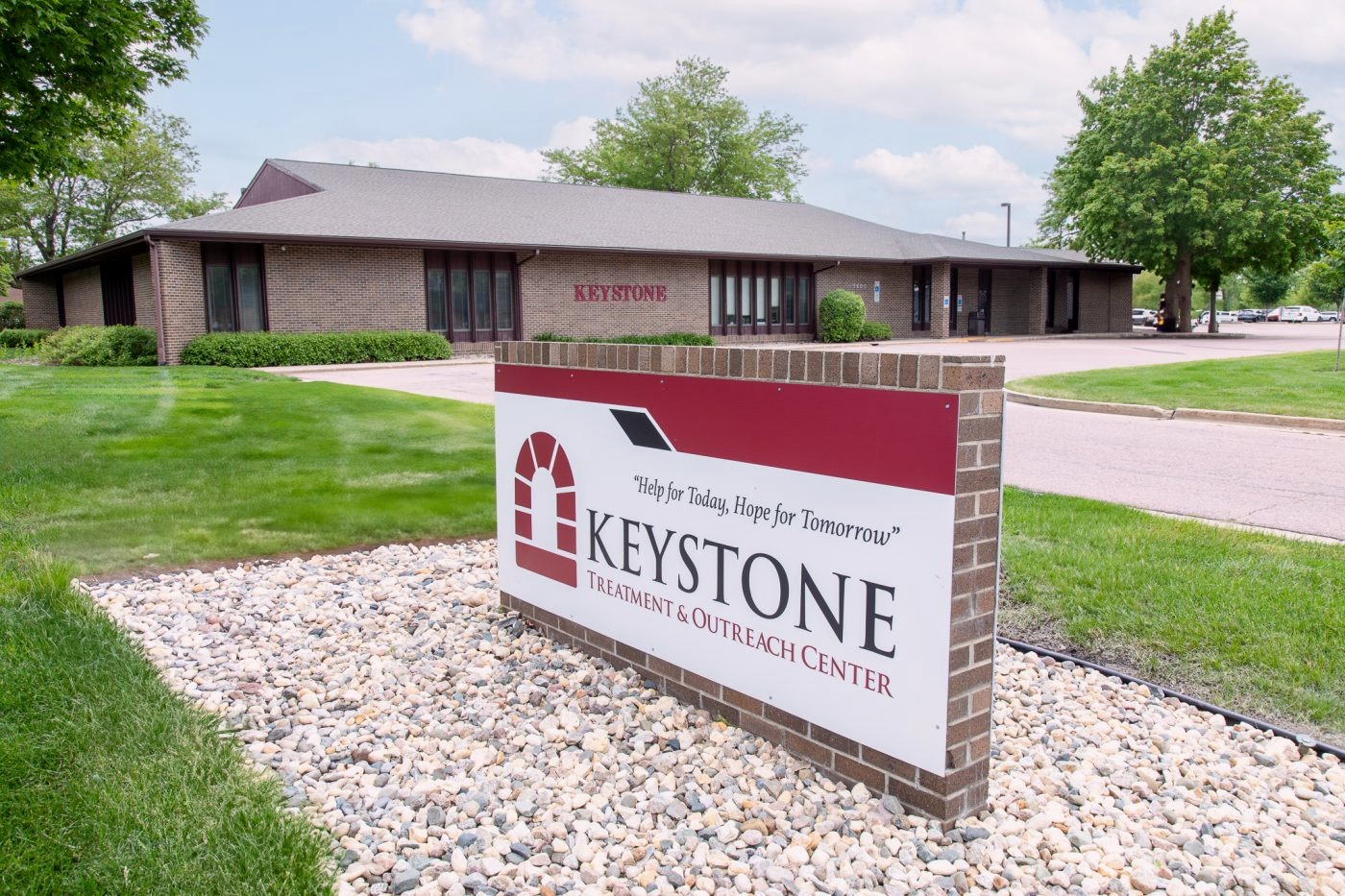
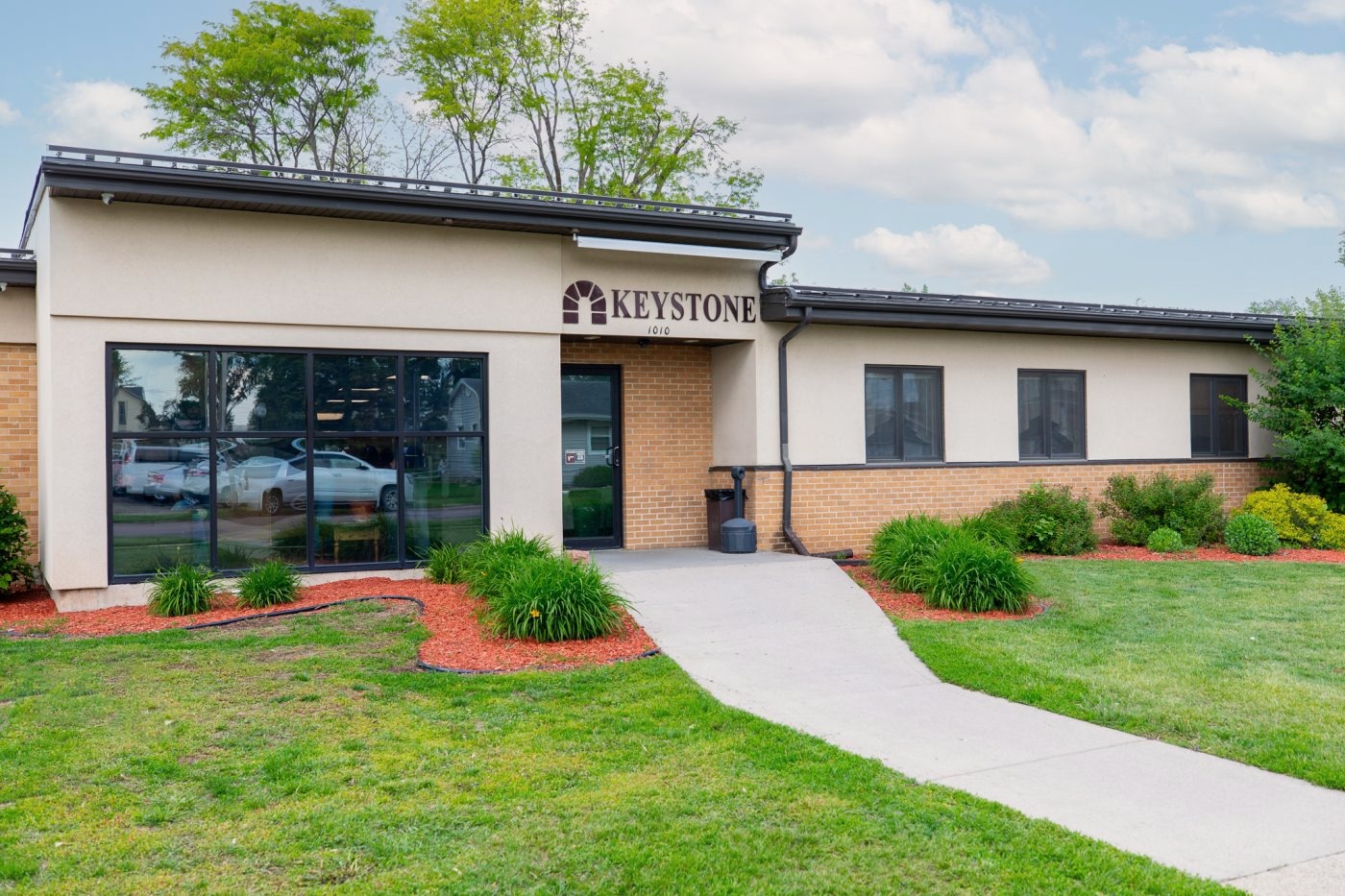
Keystone Treatment Center 3 photos
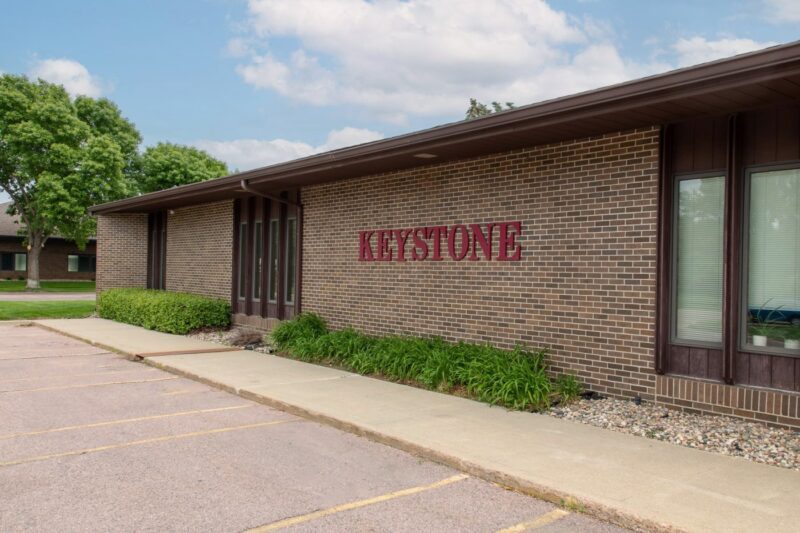
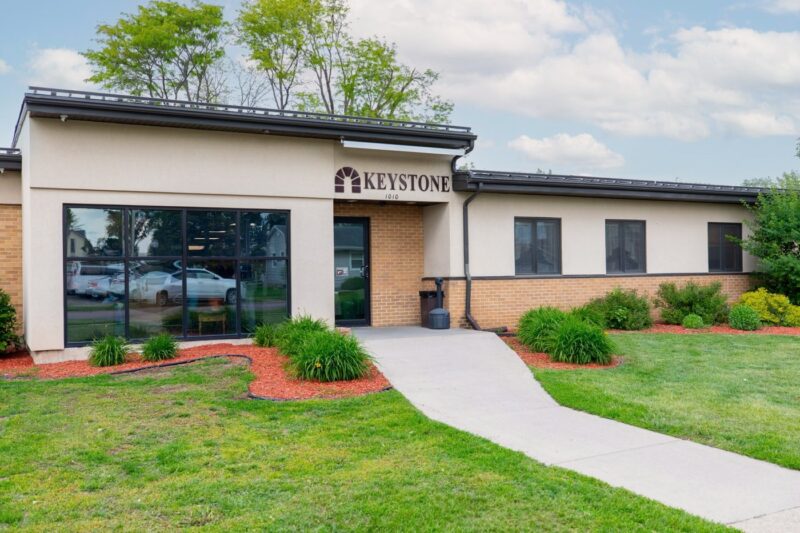
Comparison facts and sources
Adult addiction and co-occurring-disorder treatment with detox and residential care in Canton, plus separately located outpatient services in Sioux Falls. · 1010 East 2nd Street, Canton, South Dakota 57013
- Published fee information
- Quote required
- Before admission
- Confirm current age eligibility: adult residential describes 18+, young adult 18–26, and general admissions 19+. Dedicated IOP describes four weekly three-hour sessions, while continuing-care information describes three; confirm the assigned timetable. Outpatient duration does not establish residential length. The unlocked residential setting is not equipped for acute psychosis or active suicidal ideation.
- Continuing care
- Continuing-care services may include ongoing counseling, recovery planning and transition support.
Source record · October 19, 2026
Official campus, age and outpatient-schedule descriptions reviewed October 19, 2026. Differences between current pages remain explicit confirmation questions; personal clinical suitability and financial terms require assessment.. Confirm current program licensing, accreditation and payer authorization directly with Keystone.
- Current Canton campus and program scope
- Current adult residential program
- Current detoxification program
- Current continuing-care support
- Current insurance and payment guidance
- Official program scope and entry requirements
- Official program scope and entry requirements
- Official program scope and entry requirements
Luxury rehab comparison · Fees and inclusions · Selection methodology
Keystone Treatment Center provides addiction and co-occurring-disorder treatment at 1010 East 2nd Street in Canton, South Dakota. The Canton residential campus is distinct from Keystone’s outpatient facility at 601 South Cliff Avenue in Sioux Falls.
The Canton continuum includes assessment, medical detoxification, adult residential care, specialty tracks and continuing care. Keystone says detox commonly lasts three to seven days, depending on clinical need. Its Sioux Falls intensive outpatient program serves adults aged 18 and older; the provider currently describes a typical six-to-eight-week stay, with individual duration based on progress and need.
Keystone offers insurance verification, accepts South Dakota Medicaid and publishes in-network information for certain Iowa Medicaid plans. Coverage, authorization and personal cost require individual confirmation; no universal residential self-pay price was found on the checked official pages.
Adult residential eligibility needs an age-specific assessment
Keystone’s adult residential page describes treatment for people age 18 and older, with gender-specific programming and support throughout the day and night. Its admissions page instead describes adult admission from age 19. An 18-year-old should therefore obtain a clear eligibility decision for the intended program before making travel arrangements.
The admissions information also defines an important clinical boundary. Substance use or pathological gambling is the primary treatment concern, with co-occurring mental health needs considered during assessment. Keystone describes an unlocked setting that requires sufficient stability to participate; it says it is not equipped for acute psychosis or active suicidal ideation. Such circumstances need an appropriate acute assessment, rather than an assumption that a residential addiction bed provides hospital-level psychiatric care. A referral after stabilization can be reconsidered individually. Discuss present symptoms, recent treatment, medications, and any supervision requirements with the receiving team.
The young adult program addresses a distinct life stage
The young adult residential description identifies ages 18 through 26. This is an adult program, not evidence of a residential service for children. Its listed topics include peer pressure, dating and relationships, personal values, family relationships, independence, and the transition away from the family home.
These subjects can make the program relevant to someone whose substance use has disrupted education, early employment, or the move toward independent living. The page describes a 12-step approach alongside therapeutic work and gender-specific programming. Ask how young adult sessions fit within the wider residential timetable and whether the proposed peer group matches the person’s needs. A particular age does not establish the same developmental priorities for everyone: a student living with parents may need different planning from a parent working full time. Discuss practical goals for the return home, including study, employment, safe accommodation, and continuing support, without treating the advertised age range as automatic acceptance.
Detox is connected to further treatment
Keystone’s detox program describes nursing support around the clock and physician supervision. It gives three to seven days as a typical duration, with the actual course depending on clinical need. The provider also says detox is not offered as an isolated service: participation is connected with continuing treatment at Keystone.
This matters when comparing a short withdrawal-management stay with a longer treatment plan. Establish the proposed next level of care, its location, and how the decision will be reviewed after stabilization. A published range is not a promise that withdrawal will end on a particular day or that everyone needs the same medications. Bring an accurate account of substances used, prescribed medicines, prior withdrawal experiences, and relevant medical conditions to the assessment. If someone needs a hospital service that Keystone cannot provide, the placement decision should address that first. Confirm how a change in clinical needs would affect the admission, transfer arrangements, and the financial estimate.
Sioux Falls IOP has a separate location and timetable
The dedicated outpatient page describes a Sioux Falls IOP for adults, usually lasting six to eight weeks, with three-hour sessions four days a week and morning or evening options. It also notes a separate pathway for an 18-year-old still in high school. The continuing-care page describes IOP attendance three times weekly instead. Confirm the current program, cohort, and required attendance rather than combining these descriptions into a single guaranteed schedule.
Outpatient treatment can be an initial placement or a step after more intensive care, depending on assessment. It does not mean living at the Canton campus. Work out the travel time, living arrangements, and responsibilities between appointments before choosing a daytime or evening group. Ask whether individual sessions, family involvement, and care coordination occur within the quoted group hours or require additional appointments. Any general office-opening hours should remain separate from actual clinical attendance.
Family education continues beyond the residential stay
The family program describes a two-day residential family component at no additional charge, a Circle of Life group, and Sunday education before visiting. It also identifies Healing Connections as continuing family support after residential treatment, with participation in Sioux Falls or by Zoom.
These are related but distinct activities. Clarify which event a relative is invited to attend, its current date, whether advance registration is required, and what information can be shared with the patient’s permission. Education for relatives can address their own questions and coping needs; it should not be confused with a private clinical update or a requirement to repair every relationship during one visit. Where a family relationship is unsafe or unwanted, discuss an appropriate alternative with the treating team. Remote participation may make follow-up more practical for relatives living outside the area, but it still needs a confirmed meeting link, time, and participation expectations.
Alumni meetings have their own eligibility and meeting address
Keystone’s alumni information lists a Recovery Maintenance meeting on Thursdays at 7 p.m., lasting about an hour, at the outreach office on South Kiwanis Avenue in Sioux Falls. That particular meeting is described for people who have completed outpatient programming. It should not automatically be presented as a meeting for every former residential patient.
The meeting address is also different from the South Cliff Avenue outpatient clinic. Confirm which activity is being arranged and where it currently meets. Alumni participation can add peer contact and opportunities to remain involved, while prescribed therapy, medication follow-up, and other clinical appointments need their own arrangements. Some speaking opportunities have additional participation requirements; sharing a personal recovery story should be a choice, not a condition of receiving care. Before discharge, obtain the details of the meetings relevant to the person’s treatment history and preferred form of support, including options that remain practical after returning to another town or state.
Insurance participation does not establish an individual price
The insurance and payment page lists South Dakota Medicaid, selected Iowa Medicaid plans, Indian Health Service and tribal payment arrangements, and military-related coverage pathways. Its Iowa examples include Iowa Total Care, Molina, and Wellpoint. These are provider-published participation details, not confirmation that every member’s proposed stay will be covered.
Ask for verification against the exact policy, receiving location, and recommended service. Residential care, detox, and outpatient attendance may involve different authorizations or payment arrangements. The useful estimate identifies the patient’s responsibility, the period covered, any separately billed services, and what happens if the clinical plan changes. For a tribal or military referral, identify who approves the placement and how the receiving program obtains the authorization. Do not assume that an insurer or funding pathway listed on a website removes the need for those steps. Keep a written record of the agreed financial terms alongside the treatment and arrival arrangements.
Preparation includes medications, clothing, and communication rules
Keystone’s packing guidance recommends roughly a week’s clothing and a longer supply of toiletries, along with current medications and appropriate identification. It describes restrictions on personal devices and explains that bedding and laundry facilities are provided. Confirm the current list for the specific program before packing.
Medication instructions deserve their own conversation. Explain all prescriptions, over-the-counter products, and supplements so the clinical team can advise what to bring and how medicines will be managed. A facility packing rule is not an instruction to stop prescribed treatment without medical advice. Restrictions on phones or other devices also affect work, childcare, and contact with relatives. Arrange any essential responsibilities in advance and ask how urgent messages can reach the patient. Someone considering a residential stay should understand these daily practicalities as well as the therapy schedule, particularly if they normally manage important appointments or family obligations through a personal phone.
The residential day combines treatment with ordinary routines
The typical-day outline begins with breakfast and describes a mixture of groups, individual work, recovery meetings, recreation, and meals. The grounds include opportunities for walking and other activities. Sunday visiting hours are published separately from the weekday treatment schedule and should be reconfirmed before a family member travels.
A full daily timetable should not be read as uninterrupted psychotherapy. Ask which appointments are individual, which are group sessions, how often personal treatment goals are reviewed, and how time is adapted for medical or accessibility needs. The outline also mentions spiritual or cultural activities. Discuss personal preferences and available alternatives rather than assuming every patient participates in the same practice. The daily routine can help a prospective patient imagine the setting, but it does not establish a fixed personal treatment plan. A useful admission discussion connects the general schedule to the person’s assessed needs and the skills they want to practice.
Culturally responsive support is described for Native American patients
The Native American program describes Native counselors, cultural advisers, and a coordinator who helps incorporate cultural needs into treatment. Listed approaches include talking circles and opportunities connected with traditional practices, alongside the wider addiction-treatment program.
These descriptions should not be treated as a single cultural model shared by every tribal community or as a requirement that a patient take part in a ceremony. Discuss the person’s own traditions, language needs, community relationships, and preferences for cultural or spiritual involvement. Ask who will coordinate those requests and how they fit with the clinical treatment plan. Where continuing support involves a home community or tribal service, establish what information may be shared and who will arrange the handover. Cultural familiarity can be a meaningful selection consideration, but the individual still needs an assessment of medical, psychiatric, and practical needs rather than an assumption that a specialty label guarantees fit.
Military programming requires an individualized referral plan
The military program describes services for service members, veterans, and families, including a veterans’ circle and attention to trauma-related concerns. Its extended daily timetable includes breaks and ordinary daily activities; the span of the day should not be reported as that many hours of direct therapy.
Before admission, clarify how the proposed track addresses substance use, co-occurring symptoms, and the person’s military or post-service circumstances. Funding authorization, command communication when applicable, and continuing care through a community or veterans’ service are separate practical questions. Participation does not establish automatic coverage or an occupational outcome. Discuss consent before information is shared with employers, family members, or other organizations. The transition plan should identify the professionals responsible for follow-up and medication management after the residential stay. A military-focused group may provide a relevant peer setting, while the overall care level and therapies still need to follow an individual clinical assessment.
Official Keystone information reviewed October 19, 2026. Confirm age eligibility, the receiving location, the current IOP timetable, clinical suitability, and personal financial terms directly.
Sources
Official provider pages checked October 10, 2026: Canton programs, address and phone; detox program; Sioux Falls intensive outpatient program and duration; insurance verification and South Dakota Medicaid.