Arrow Health

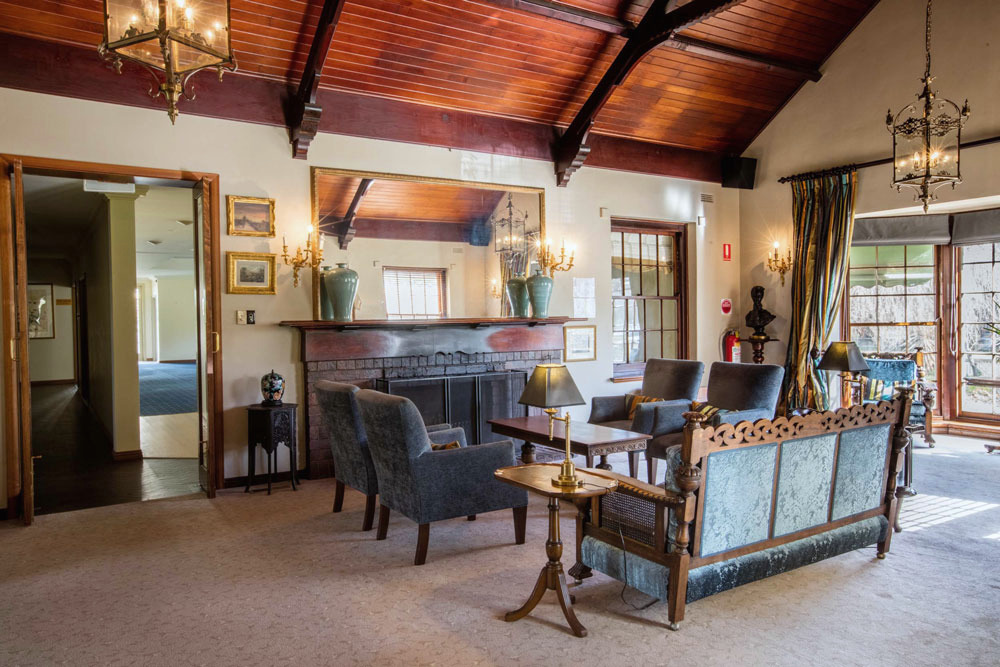
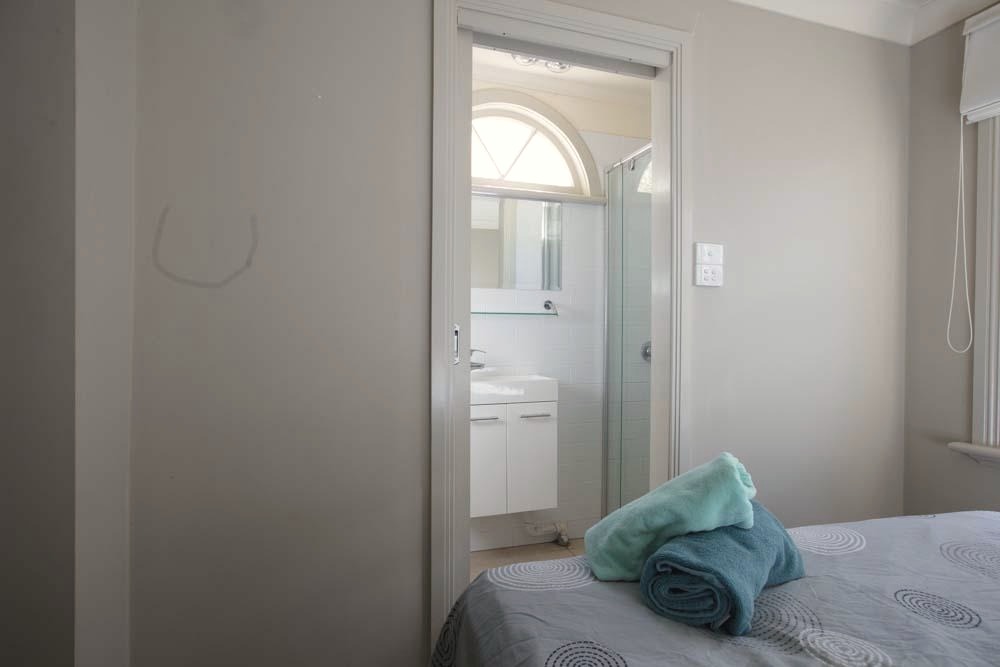
Arrow Health 3 photos
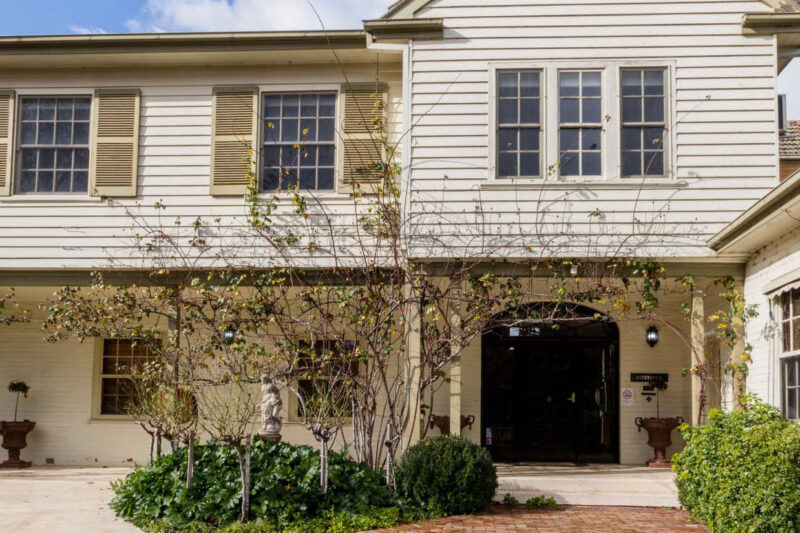

Comparison facts and sources
Arrow Health provides accredited private-hospital addiction treatment through residential inpatient, medically supervised detox or withdrawal, psychiatric day and online outpatient pathways. · The Bentinck residential inpatient program is in the Macedon Ranges, Victoria. The 86A Kooyong Road, Armadale address is an outpatient and contact office, not the residential campus.
- Published fee information
- Quote required
- Before admission
- Confirm whether the clinically appropriate pathway is The Bentinck residential program, Sam Lawrence hospital detox or day care, or the online outpatient program; verify dates, availability, private-health coverage and total personal cost with intake.
- Continuing care
- Residential clients receive an individualized continuing-care plan and ongoing access to the Arrow Health team. Family support can continue during transition, and the outpatient pathway may be used as structured step-down care when clinically appropriate.
Source record · October 16, 2026
Provider-published information checked October 16, 2026. Current provider pages describe accredited private-hospital status and health-fund endorsement. This review does not independently verify every license, accreditation, fund decision or clinical outcome.
Luxury rehab comparison · Fees and inclusions · Selection methodology
Arrow Health is a private addiction-treatment provider in Victoria, Australia. Its residential program, The Bentinck in the Macedon Ranges, is an accredited private psychiatric hospital offering 30-, 60- and 90-day stays with 24-hour nursing, medical and psychiatric support. Arrow also publishes integrated detox, outpatient care, adolescent-family support and continuing-care planning.
Services and access
- Residential rehabilitation with private en-suite rooms and structured individual, group and therapeutic-community care
- Medical detox in Arrow’s accredited private-hospital setting, with a published program of up to 30 days and an individually assessed duration
- A 12-session online outpatient program delivered three days per week over four weeks
- Family support, adolescent-family counseling and an individual continuing-care plan
The public contact office at 86A Kooyong Road, Armadale is not The Bentinck residential campus. Call 03 9533 7888 or email enquiries@arrowhealth.com.au. Arrow lists an average self-funded inpatient rate of AUD 810 per day, AUD 428 per day for day programs and AUD 2,500 for the full outpatient program. Private-health cover and gap payments depend on the policy; inpatient gaps start from AUD 3,778.
Residential rehabilitation takes place at The Bentinck
Arrow’s inpatient program is based in the Macedon Ranges, where The Bentinck combines accommodation with a structured rehabilitation community. The provider describes private bedrooms with their own bathrooms, individual case management, group work and a choice of 30-, 60- or 90-day programs. Its activities include creative work, yoga, walking and music, with swimming described as an off-site activity.
The daily program is more important to understand than the appearance of the property. Ask how individual appointments, groups, rest and recreation fit together, and which activities are appropriate for the person’s health and mobility. A private bedroom still sits within a shared therapeutic community. The receiving team should explain communication arrangements, shared responsibilities and the support available between scheduled sessions. Discuss whether the initial proposed stay is expected to change following assessment, and how decisions about extending or stepping down are made.
Detox duration follows an individual medical assessment
The detox and withdrawal page now describes a program lasting up to 30 days, with continuous nursing support and a withdrawal plan guided by doctors. Arrival includes a nursing assessment and medical consultation. Consulting doctors and psychiatric input are distinct from a promise that every type of specialist is physically present at all times.
Thirty days is a published program boundary, not a prediction of how long a particular withdrawal will last. Explain the person’s current prescriptions, substance use, previous withdrawal experiences and physical health before admission. The team can then assess the appropriate setting and whether outside medical services are needed. Ask what happens after withdrawal support ends: moving into rehabilitation, a day program or outpatient care involves a further treatment decision. Accommodation in the same organization does not establish that a transfer is automatic or already funded.
The private hospital also describes a psychiatric day program
Arrow’s private-hospital information separates inpatient withdrawal care from psychiatric day treatment for alcohol, drug and mental-health needs. The day-program description gives 30- or 60-day options and includes counseling, group education, relapse-prevention work and activities such as art and equine therapy within an individual plan.
Day treatment requires different practical arrangements from living at The Bentinck. Clarify how often attendance is required, where sessions take place, how transport will work and what support is available outside program hours. A person considering a transition from inpatient care should ask how the hospital team assesses readiness for that change. The advertised menu does not mean that every activity occurs every day or is suitable for every participant. Request a timetable and an explanation of which clinical appointments, meals or other services are included in the proposed day-program fee.
The online outpatient course has a defined weekly commitment
The outpatient program consists of 12 online sessions, each lasting three hours, delivered three times weekly over four weeks. Arrow describes small-group work, education and practical recovery skills. Its outline progresses through foundations, relationships and well-being, support and understanding addiction, then planning for continued recovery.
This is a scheduled course rather than an occasional video appointment. It may be considered by people whose assessed needs can be managed while they remain at home, including some stepping down from more intensive care. Confirm the next actual start date, because a published course outline is not a live enrollment calendar. Ask about attendance expectations, the online platform, privacy during sessions and what happens if work or caregiving commitments conflict with a meeting. Also establish who manages prescriptions or other individual clinical needs outside the group course. Those arrangements should be clear before treating online access as a substitute for residential support.
Continuing care has specific eligibility and time limits
Arrow’s aftercare page describes planning before rehabilitation finishes, followed by options including wellness groups, family counseling, support meetings and urine testing. Its continuing-care outline lists three morning wellness groups each week and random weekly testing. For people who complete inpatient treatment, it advertises two weeks of continuing care without an additional charge for each 30 days of treatment completed.
That stated benefit should not be read as unlimited free therapy, accommodation or medical care. Ask which elements it includes, whether attendance is online or in person, and what charges apply afterward. The individual discharge plan should connect the person’s next setting with practical supports, such as a counselor, peer group or suitable housing arrangement. If the person leaves before completing a program, ask the team directly about available follow-up rather than assuming the same completion benefit applies. Continuing contact is most useful when the receiving services and appointment responsibilities are identified.
Family education and family counseling are different services
The family-support page describes Family First Step as six consecutive weekly meetings for relatives and friends. Topics include communication, boundaries and understanding how substance use affects family relationships. Arrow labels the meetings free, but also states that an initial consultation costing AUD 180 is required when the family does not have a loved one currently in its treatment program.
Clarify that entry condition before assuming the entire pathway has no cost. Separate family counseling can explore the family’s own needs and patterns, rather than making relatives responsible for another person’s recovery. Ask whether the education group or individual family appointments best match the current situation, who can participate and how confidentiality is handled. Families should also understand whether contact with the resident’s treating team requires consent. Participation in a family service does not itself book a residential place or establish that the person concerned has agreed to treatment.
Adolescent support is a family-focused pathway
The adolescent program describes Family and Adolescent Change Therapy, based at Armadale. Its published pathway starts with a free 30-minute assessment by phone or in person and describes optional grouped sessions alongside counseling. Topics include adolescent development, communication, boundaries and the effect of substance use on the family.
This information describes a family and adolescent service; it does not establish an adolescent residential bed at The Bentinck. Ask which ages the current service accepts, whether the young person, parents or both should attend, and how sessions are adapted to the particular situation. The page contains an older availability notice, so obtain current booking information directly. Families should discuss existing school, medical or mental-health support and ask how the proposed counseling will coordinate with it. A brief introductory assessment can help clarify the next step, but it is not a guarantee that this pathway can meet every level of clinical need.
Individual counseling can address specific recovery goals
Arrow’s counseling information describes one-to-one work on current difficulties, triggers and strategies for managing recovery. It presents counseling as a way to explore the individual’s circumstances rather than applying the same conversation to every client. The provider lists practitioners with different professional backgrounds.
When arranging an appointment, explain the issue for which help is being sought and ask which practitioner and format fit that need. Useful details include appointment length, expected frequency, whether the clinician can coordinate with an existing treating professional and how progress will be reviewed. Counseling may form part of a broader treatment plan, but booking it does not automatically include medical withdrawal management, a residential stay or family sessions. Ask for the intended scope and cost of the actual appointment, especially when comparing a standalone consultation with services included in another Arrow program.
Pre-admission support begins after an admission is confirmed
The pre-admission program describes contact from a dedicated intake support worker within seven days of a confirmed admission, followed by weekly contact before arrival. The purpose is to provide practical information and emotional support while helping the team understand the person’s circumstances.
The seven-day statement concerns contact after confirmation; it does not promise a bed within seven days of an initial inquiry. Establish what has actually been confirmed, the receiving program, the arrival date and any remaining medical or financial requirements. Use the pre-admission conversations to clarify packing, travel, existing appointments and family communication. If health or substance use changes while waiting, tell the responsible clinical team so the plan can be reassessed. A supportive telephone contact should not be treated as continuous medical monitoring while the person is still at home.
An intervention inquiry focuses on preparing the conversation
Arrow’s intervention service offers a route for relatives who want help approaching someone about alcohol or drug use. It describes an initial conversation and preparation with the family, aimed at encouraging engagement with treatment. This is separate from directly enrolling the person in a rehabilitation program.
Before proceeding, ask who conducts the service, how the person’s circumstances are assessed and what the proposed involvement of relatives will be. Families may need help agreeing on a clear message, understanding boundaries and considering what support they themselves require. They should also ask how consent, privacy and an unwilling response are handled. An intervention is not a promise that someone will enter treatment or remain in it. The relevant clinical team still needs to assess the person’s needs and the appropriate care setting if they decide to seek help.
Published prices refer to different types of care
The fees page lists an average self-funded inpatient charge of AUD 810 per day, an average day-program charge of AUD 428 per day and AUD 2,500 for the complete 12-session outpatient course. It also gives inpatient gap payments starting from AUD 3,778 for the relevant privately insured arrangements. These figures use different billing periods and cannot be compared as interchangeable weekly packages.
Request a written proposal for the assessed pathway, expected duration and personal insurance position. Ask how the quote treats medical consultations, accommodation, meals, activities, medications and follow-up. The provider’s broad descriptions of inclusions should be reconciled with the particular program and the continuing-care limits above. Confirm any deposit, cancellation or extension terms before committing to travel. A starting gap or average daily figure is useful preliminary information, but it does not establish the total a particular person will pay.
Private-health eligibility needs a program-specific check
The private-health guidance explains that full and restricted psychiatric benefits can lead to different personal costs. Arrow offers help checking the policy and determining what is covered for the proposed admission. The relevant questions concern the actual policy, its psychiatric benefits and any excess or gap, not simply the insurer’s name.
Ask the insurer and Arrow to reconcile their answers in writing, including which facility and treatment period the approval concerns. If an upgrade or waiting-period issue is relevant, obtain the insurer’s explanation before assuming benefits will be available on the intended arrival date. Other funding arrangements should likewise be checked for the individual admission. Financial approval and clinical suitability are separate decisions. A confirmed benefit does not by itself establish that the proposed program can meet the person’s medical needs or that a place is available.
Official Arrow Health information reviewed October 19, 2026. Confirm the receiving program, current availability, individual clinical suitability, timetable, inclusions and personal financial terms. Published program lengths and prices describe different pathways and are not an individual treatment or cost guarantee.
Official sources
Checked October 11, 2026: inpatient rehabilitation; outpatient program; adolescent-family program; fees and payments.