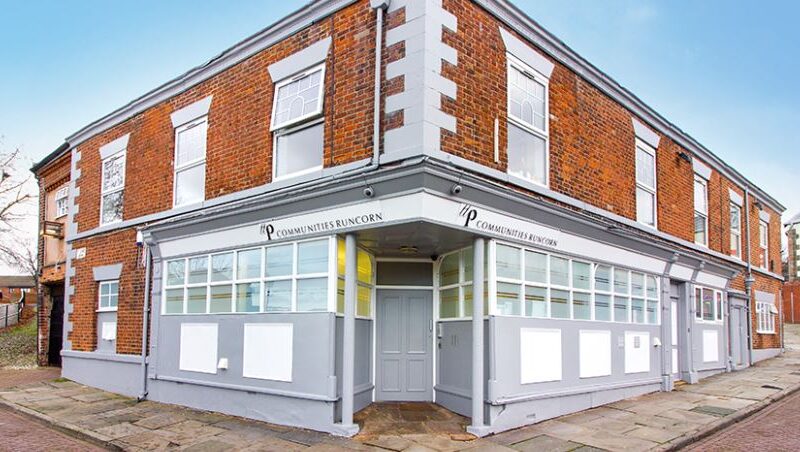
Researching rehab in Cheshire involves both treatment choices and local access routes. A private residential program in Runcorn, community services in Crewe or Macclesfield, and support in Chester, Ellesmere Port, or Northwich have different arrangements. The county label alone does not identify the service responsible for a resident's assessment. Begin with the person's address, age, clinical needs, and payment circumstances, then compare the actual programs available.
The current directory lists Oasis Runcorn. This guide explains its published residential offer alongside community routes in Cheshire East, Cheshire West and Chester, and Halton. Inclusion in a directory does not establish a vacancy or guarantee an outcome. Ask the receiving service to assess suitability and provide a clear description of care before committing to a stay, travel, or payment.
Oasis Runcorn: two published treatment approaches
Oasis Runcorn's current information describes an adult residential rehabilitation service within the UKAT network. It offers a traditional 12-step approach and a Strengths Model program in the same therapeutic community. The provider also describes individual and group counseling, practical skills work, family involvement, and care planning. These are useful distinctions to discuss during assessment rather than assuming that every Cheshire program uses the same approach.
Ask how the choice between those programs is made, what the daily activities involve, and whether preferences can be revisited during treatment. Clarify the role of individual therapy, group work, and spiritual or philosophical elements. If a particular method is important, ask who delivers it and how frequently it is available. A broad therapy list does not establish the individual schedule or the clinical reasons for including each activity.
Review the correct CQC location and report date
The Care Quality Commission record for Oasis Runcorn identifies Treatment Direct Limited as the provider at Halton Goals, 38–40 Bridge Street, Runcorn, WA7 1BY. It shows Good overall and Good across all five assessment domains, with a report published May 14, 2019. Keep that date attached to the finding; the current display does not turn the report into a new inspection.
The CQC page also links to an older provider profile. Use the current location record and compare it with the legal provider and address on the proposed admission paperwork. Read the report for context and ask the service about current staffing, clinical oversight, and any changes since inspection. A regulatory rating and an individual's suitability are separate questions, and neither confirms that a bed is available today.
Assessment, detoxification, and co-occurring needs
Oasis describes medically supervised detoxification where appropriate and support for addiction with co-occurring mental health concerns. Ask the clinical team to explain the actual level of medical supervision for the proposed admission, including who assesses, prescribes, monitors, and provides overnight support. Discuss current prescriptions, physical health, mental health, and previous treatment experiences. The answers should relate to the receiving service and the individual rather than a general network description.
If someone needs a service beyond the program's capabilities, ask how the assessment and referral will be handled. A particular medication, withdrawal timetable, or residential duration should not be chosen from a directory article. Request a clinical explanation of the recommended setting and review points. If another site is suggested for detoxification or specialist care, confirm its address, responsibilities, costs, and arrangements for transfer before assuming everything occurs in Runcorn.
Cheshire East: local support in Crewe and Macclesfield
Cheshire East Council identifies Change Grow Live as its all-age drug and alcohol service and describes a dedicated young people's team for those under 25. The service accepts inquiries and referrals through several routes. Explain the person's age and circumstances so the team can identify the appropriate pathway rather than treating adult and youth services as interchangeable.
Change Grow Live's Crewe service is at 19 Delamere Street, CW1 2HR, opposite the bus station. Its Macclesfield service is at Bradshaw House, 45 Cumberland Street, SK10 1BY. Both describe free confidential support, structured groups, workshops, individual sessions, and harm-reduction services. Confirm which location and appointment arrangements are appropriate for the person before traveling.
The current Cheshire East referral page separates self-referral from professional referral. Beginning that process allows the team to ask about needs and arrange contact; it does not itself confirm admission to residential care. If attending repeatedly would be difficult, discuss transport, work hours, caring responsibilities, and any need for remote contact during the assessment rather than assuming a particular format is available.
Cheshire West and Chester: Via New Beginnings
Via New Beginnings provides free confidential drug and alcohol support for adults and young people in Cheshire West and Chester. Its published offer includes a personal keyworker, groups, health and wellbeing advice, and help for relatives and other supporters. It also describes evening appointments, online groups, and telephone or video sessions. Ask which options fit the person's needs and the receiving team's current availability.
Via lists hubs at Aqua House, 51 Boughton in Chester; Unity House, 4 York Road in Ellesmere Port; and The Old Council House on Church Road in Northwich. Its website provides separate registration links and contact numbers for the three hubs. Use the relevant local route and confirm the appointment address, opening hours, accessibility, and any information needed for the first visit.
The same page points to residential care through Via's Passmores House in Harlow, Essex when more than community treatment is needed. This illustrates why a local assessment route and a residential destination may be different places. Discuss any proposed referral with the keyworker, including eligibility, funding, travel, and the return to local services. A mention of residential care does not mean that a place or payment has been approved.
Runcorn and Halton have their own community service
Halton Integrated Recovery Service in Runcorn describes support for adults experiencing problems with drugs or alcohol. Its Runcorn base is at 75 High Street, WA7 1AF, above Lloyds Bank and close to the High Street bus terminal. This community service is separate from Oasis Runcorn's residential program at Bridge Street, even though both may appear in a search for help in the town.
The published Halton contact number is 0151 422 1400, with option two for Runcorn and option one for Widnes. The service also offers an online request route and asks people to bring their GP details to a first appointment. Confirm the appropriate location and current arrangements directly. Residents near a service boundary should explain their address and GP registration so the team can clarify where to access support.
Compare accommodation with the treatment plan
Oasis describes bedrooms, communal living areas, outdoor spaces, and dedicated individual and group therapy rooms. Ask about the actual room offered, whether it is shared, bathroom arrangements, accessibility, and the route between living and treatment spaces. If mobility assistance, dietary provision, or personal-care support matters, obtain a specific answer before admission. The availability of comfortable accommodation does not establish that every support need can be met.
UKAT's Oasis page also mentions sober-living accommodation. Clarify whether this is part of the proposed stay or a separate later arrangement, where it is located, and what supervision and clinical contact it includes. Ask for separate costs and terms where relevant. A possible next stage should not be treated as an automatic placement or assumed to provide the same support as residential treatment.
Program length and fees require an individual offer
UKAT lists several Oasis treatment packages, including four, eight, twelve, and twenty-four weeks. Those are published options, not a clinical rule for every person. Ask why a particular duration is proposed, how progress is reviewed, and what would lead the team to recommend a change. Consider the full pathway, including any assessment, detoxification, residential work, and follow-up, rather than comparing package lengths alone.
Request a dated written quote identifying accommodation, clinical appointments, medication, tests, transport, and any optional activities. Clarify deposits, cancellation, early departure, extensions, and transfers. If insurance or public funding is involved, obtain confirmation for the exact program and provider from the organization responsible for payment. Free community support does not automatically mean that a chosen private residential stay will be funded.
What to ask about therapies and staff
Ask the provider to connect each recommended intervention with an assessed need and identify the professional delivering it. Confirm qualifications, supervision, individual contact time, and the arrangements if a usual clinician is absent. Discuss how treatment can accommodate cultural, language, religious, sensory, or communication preferences. A claim that a service is personalized becomes useful when it explains what will actually change in the person's care.
The sources reviewed do not establish that Cheshire rehabilitation services universally provide equine work, neurofeedback, adventure therapy, or any other specialized modality. If one of these approaches is important to the person, verify it with the exact provider and distinguish clinical treatment from recreation. Scenery, amenities, and testimonials can describe aspects of an experience, but they do not establish comparative treatment effectiveness or promise a particular outcome.
Family involvement, work, and privacy
Discuss how relatives or other supporters can participate with consent, including family appointments, education, visiting, and scheduled updates. Ask whether relatives can receive their own support through the relevant community service. Being involved does not automatically give a family member access to every record or discussion. Agree on a clear contact route for practical questions and for sharing information that may be relevant to care.
Plan for responsibilities outside treatment as well. Ask about device access, essential work communication, childcare, and caring arrangements before a residential stay. For community treatment, compare the repeated journey and appointment schedule with everyday commitments. Request the service's privacy information and ask how records move between professionals with consent. A quiet location or private payment arrangement does not by itself explain how personal information is handled.
Connect residential treatment with continuing support
UKAT's Oasis page advertises twelve months of free aftercare following treatment completion. Ask about eligibility, frequency, format, the professionals involved, and any circumstances in which additional fees apply. Clarify how the offer fits with medication review, individual therapy, or other care that may continue separately. An advertised period of aftercare should be understood through its actual components rather than its duration alone.
Before discharge, identify the appropriate community route near home and arrange any referrals and records transfer with consent. Someone returning to Cheshire East, Cheshire West and Chester, or Halton may need different contacts even after attending the same residential program. Confirm receiving appointments, transport, medication responsibilities, and a plan if the next service is delayed. The aim is a practical connection between treatment and the person's ongoing life.
Sources and review date
Oasis Runcorn, UKAT, Care Quality Commission, Cheshire East Council, Change Grow Live, and Via primary pages reviewed October 22, 2026. The Oasis CQC rating retains its May 14, 2019 report date. Confirm current eligibility, receiving location, individual treatment, availability, fees, and funding directly.
Back to guide contents↑