Oasis Recovery Runcorn


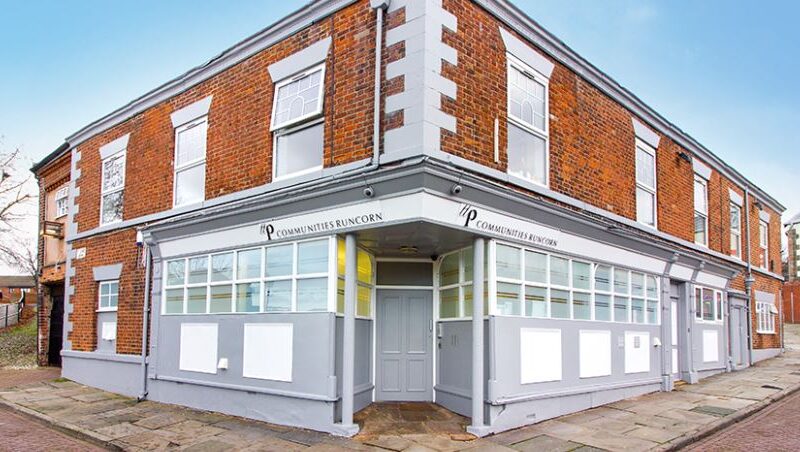
Oasis Recovery Runcorn 4 photos
Comparison facts and sources
UKAT residential addiction-treatment center in Runcorn, with assessed detox, rehabilitation and continuing recovery support. · 38–40 Bridge Street, Runcorn, Cheshire WA7 1BY, United Kingdom; 0203 947 3928.
- Published fee information
- Quote required
- Before admission
- Detailed diagnosis/therapy taxonomy, social destinations and precise map coordinates were not comprehensively reverified. Exact fees, taxes and individual insurance or other funding remain unverified.
- Continuing care
- One year of free aftercare for program completers, including weekly therapist-facilitated group sessions via Zoom; lifetime UKAT alumni access is a separate ongoing peer community.
Source record · 2026-10-19
Reviewed October 19, 2026: Oasis Runcorn’s treatment scope and referral to Bradford for complex detox needs. Individual suitability, availability, insurance coverage and costs require confirmation; separately dated fee and other program details were not comprehensively rechecked..
Luxury rehab comparison · Fees and inclusions · Selection methodology
Oasis Runcorn is a UKAT residential addiction-treatment center at 38-40 Bridge Street in Runcorn, Cheshire. The provider describes it as an inpatient service for alcohol, drug and behavioral addictions.
Programs include medical assessment, residential rehabilitation, 12-step and strengths-based work, CBT, DBT, individual and group therapy, family support and holistic options. Detox suitability is assessed individually; the admissions page directs complex detox needs requiring continuous medical management to Bradford. Treatment is personalized, so detox and length of stay depend on clinical assessment. Current provider information states that completers can receive free aftercare for up to 12 months plus lifetime access to the UKAT alumni community.
Oasis Runcorn currently publishes 0203 947 3928. Prices and funding depend on the selected program and individual circumstances; no reliable standard weekly fee is stated on the reviewed pages.
Published stay options and the conditional return offer
The current Oasis Runcorn overview advertises residential programs from 14 to 90 days and describes 34 beds. Those are offered options and capacity descriptions, not an assessment of how long an individual should stay or whether a room is available. The provider also describes a conditional return offer: people who complete its 90-day program and relapse within 30 days of discharge may return for a complimentary 28-day residential stay.
Anyone considering that offer should obtain the full terms, including how eligibility is assessed, what is included, and how readmission is arranged. It is not a guarantee of recovery or a reason to select a longer stay without clinical justification. The appropriate initial plan still depends on assessment, support needs, and the transition home. A published outcome percentage or testimonial should not be treated as a prediction of what will happen to a particular person.
Accommodation is arranged across several flats
The facilities description explains that accommodation is spread across seven self-contained flats, with a mixture of single and shared bedrooms. Three flats have their own communal living room; the others have different arrangements. Some bedrooms have televisions, so neither a private room nor a particular amenity should be assumed from a general photograph. The center also describes a communal garden, therapy pod, laundry room, small gym, and dining area with meals prepared by an in-house chef.
These details matter when deciding whether the environment fits the person. Ask about the proposed room, bathroom arrangements, stairs and accessibility, quiet space, and any dietary requirements. The flat layout can provide opportunities for ordinary routines alongside structured treatment, but it is still a shared residential setting. A person who needs a particular accommodation should have it confirmed before paying a deposit, especially when room choice depends on availability.
Clarify the starting site during admissions
The admissions page describes assessment before arrival, a medical review on admission, and discussion of the treatment plan. It also explicitly refers complex detoxes requiring continuous medical management to the Bradford detox unit. Other parts of that same page use Bradford-specific arrival and security wording. These details need clarification rather than being copied as assurances about facilities or staffing at Runcorn.
A useful admissions discussion identifies the intended starting site, the clinician responsible for assessment, and whether any transfer is proposed before residential rehabilitation. Provide an accurate medication list and relevant medical history so the team can consider suitability. Ask how travel and any transfer would be arranged and charged. The provider’s description of rapid admission remains subject to assessment and availability; it should not replace an urgent medical evaluation when someone needs immediate care or establish that every complex need can be managed locally.
Detoxification and rehabilitation address different needs
Oasis’s detox information describes assessment, monitoring, and medication when clinically indicated, followed by continuing treatment. It discusses alcohol, drug, and prescription-medication dependence. The relevant question is what a particular person needs and where that care can be delivered, rather than assuming every substance or every pattern of use requires the same detox process. The broader medical capabilities should be reconciled with the admissions page’s separate Bradford arrangements.
Ask the assessing clinician to explain the proposed monitoring, medication review, and escalation plan. Any changes to an existing prescription should be agreed with an appropriate prescriber. A planned detox does not by itself describe the subsequent psychological treatment or the arrangements after discharge. The written plan should identify when rehabilitation activities begin, how participation is adapted while someone is unwell, and what support follows. Published general withdrawal descriptions cannot reliably predict an individual course or replace clinical assessment.
Compare the residential program and the actual quotation
The rehabilitation page describes Runcorn as a residential service with two principal program approaches: twelve-step work and a strengths model. It places both within a setting that combines therapy, daily structure, and peer contact. Its general discussion of UK rehab costs is not a Runcorn price list, and should not be converted into an advertised weekly tariff for this center.
A meaningful quotation identifies the selected stay, room arrangement, assessed medical input, therapy, and continuing support. It should also clarify charges for medication, travel, outside consultations, or any change of site. When comparing providers, keep the total proposed sequence of care in view, including a separate detox placement if one is recommended. The choice between programs should reflect the person’s preferences and clinical needs. A lower starting price or a longer advertised stay does not establish that one option provides the right support for everyone.
What distinguishes the strengths model
The dedicated strengths model description presents an alternative to the twelve-step approach that does not require a belief in a higher power. It uses personal history, identification of strengths, discussion of desired changes, and practical recovery goals. The provider describes worksheets, group reflection, and planning for life after treatment. This gives prospective clients something specific to discuss when a spiritually framed program would not feel like a good fit.
Ask how the approach is delivered in the current timetable and whether participation is individual, group-based, or combined. Exploring personal history should be paced to the person’s readiness; the existence of a life-story exercise should not be interpreted as an obligation to disclose traumatic experiences publicly. The program’s broad list of possible applications also does not establish standalone specialist treatment for every mental health diagnosis. Confirm how any co-occurring condition would be assessed and supported alongside addiction treatment.
A therapy menu needs an individual timetable
Oasis’s therapy overview lists individual counseling, group work, CBT, DBT, family work, and other approaches. It also lists complementary activities such as meditation, yoga, and sound-based sessions. The page qualifies availability by the chosen facility, current program, and clinical assessment. A long menu should therefore be translated into the actual services proposed for the person, including how often they meet an individual therapist.
Distinguish the main clinical treatment from optional wellbeing activities. Participation in a relaxation activity does not establish treatment effectiveness for a specific disorder, and it should not replace necessary medical or psychological care. Ask which approaches address the main concern, how goals are recorded, and when progress is reviewed. If trauma or another mental health condition is central to the referral, clarify the practitioner’s relevant role and the treatment offered rather than infer a specialist pathway from a general therapy label.
Family support has a published weekly format
The family support page describes sessions for relatives of people receiving care and publishes a Sunday slot from 1:00 to 2:00 p.m. It discusses education, communication, boundaries, and preparation for the person’s return home. It also describes conjoint work with an addiction specialist. The current schedule, attendance format, and any separate eligibility should be confirmed when arranging a stay.
Family involvement should be specific and consensual. Clarify who may attend, what information can be shared, and whether the client participates in the same meeting. Relatives may need their own support, and they should not be made solely responsible for another person’s recovery. Joint sessions may be inappropriate where contact is unsafe or unwanted. A useful plan can address practical arrangements at home, communication during treatment, and what relatives should do if concerns arise, without assuming that every family relationship needs to be repaired through shared sessions.
The one-year aftercare offer is therapist-led group support
The aftercare page describes one year of free weekly group sessions through Zoom, facilitated by a professional therapist. It gives examples of clients with different residential stay lengths, rather than setting a standard duration of treatment. The published entitlement is useful, but should be written into the individual discharge plan with the joining process and current schedule.
For someone returning a long distance from Runcorn, remote access may make participation more practical. It still requires a suitable device, privacy, and time to attend. Ask what happens if a session is missed, whether individual follow-up is available, and which support is outside the included group. An aftercare meeting does not replace a local prescriber, urgent assessment, or specialist care that remains necessary. Before discharge, identify the professionals and community resources that will support the person between meetings and confirm how information is transferred with consent.
Alumni membership is distinct from clinical aftercare
The UKAT alumni description presents a continuing peer community for people who complete treatment at a UKAT center. It includes social events, fellowship, and a private online group. That longer-term community sits alongside the one-year therapy-group offer; lifelong membership should not be described as lifelong free individual psychotherapy or continuous clinical monitoring.
A prospective member can ask how the network is moderated, which activities are available locally or online, and how to join after leaving treatment. Sharing experiences with peers is different from seeking medical advice, so any concerns about medication, deteriorating mental health, or withdrawal need the appropriate professional route. People should also have a choice about online participation and disclosure of their treatment history. The useful benefit to compare is access to a recovery community that fits the person’s preferences, rather than an unsupported promise that membership prevents every relapse.
Secondary care may involve a different UKAT location
The secondary-care page linked by Oasis describes the Providence Projects service in Bournemouth. It discusses structured living, practical skills, therapy, and a gradual transition toward independence. Its separation of accommodation and treatment spaces, coastal activities, and local program details belong to that service. They should not be presented as additional Runcorn buildings or amenities.
If secondary care is recommended, ask which provider and address will deliver it, what admission criteria apply, and how the handover is arranged. The plan should distinguish that service from Runcorn’s included remote aftercare and the alumni network. Establish the accommodation terms, clinical contacts, transport, and additional cost before agreeing to a move. A different setting may suit some people after residential treatment, but it is not an automatic stage that everyone must purchase. The decision should follow an assessment of support needs and the person’s circumstances.
Compare services in our United Kingdom guide and explore our information about alcohol treatment and cocaine treatment.
Official provider material reviewed October 19, 2026. Bradford detox and Bournemouth secondary-care descriptions are kept separate from Runcorn; individual suitability, availability, fees, and any conditional return offer require confirmation.
Sources
Sources checked October 17, 2026.