Water Gap Wellness


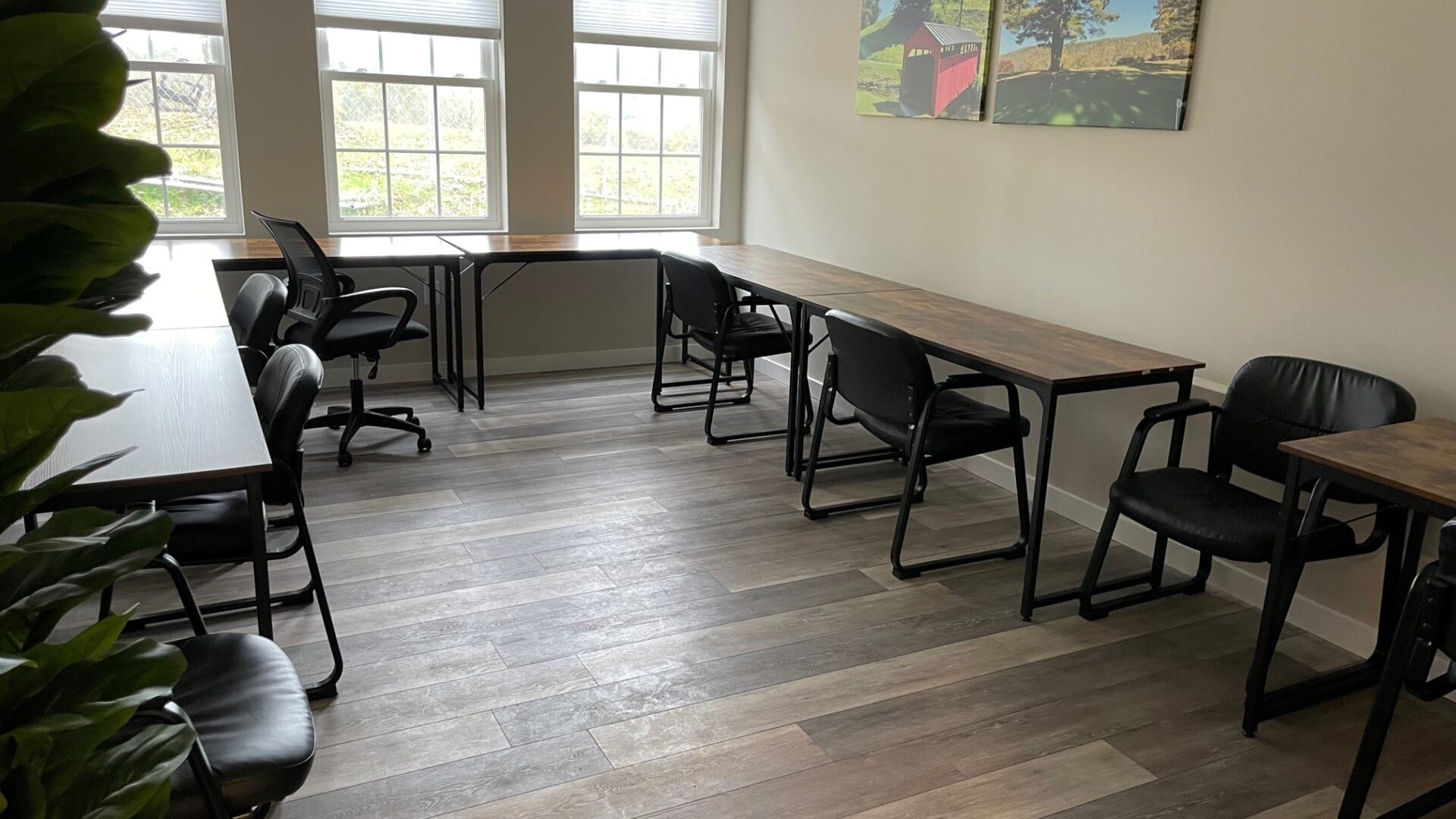
Water Gap Wellness 3 photos

Comparison facts and sources
Licensed PHP, IOP and outpatient treatment for adults with substance-use, primary mental-health and co-occurring disorders. Water Gap Wellness Inn is a separate preferred-housing option, not an inpatient ward. · 100 Plaza Court, Suite D, East Stroudsburg, Pennsylvania 18301
- Published fee information
- Quote required
- Before admission
- Published weekly schedules describe treatment intensity, not guaranteed episode length. The clinical site and the optional Water Gap Wellness Inn housing are distinct.
- Continuing care
- The provider presents outpatient services and step-down support as continuing care, including therapy, neurofeedback, TMS, genetic testing and medication-assisted treatment where appropriate.
Source record ·
Provider-published information checked October 14, 2026.
Luxury rehab comparison · Fees and inclusions · Selection methodology
Water Gap Wellness provides adult mental-health, substance-use and co-occurring-disorder services in East Stroudsburg, Pennsylvania. Its current contact page lists a treatment campus at 100 Plaza Court in East Stroudsburg and preferred housing at 288 Mountain Road in Delaware Water Gap.
Current published levels of care include partial hospitalization, intensive outpatient and outpatient care. The provider’s treatment-services page labels detoxification and residential treatment as “coming soon”, so this profile does not present those levels as currently available. PHP is published as six hours per day, six days per week; IOP is three hours per day, five days per week.
Clients may commute or use the separately located Water Gap Wellness Inn housing option. Water Gap says it accepts benefits from most major insurers, subject to verification. Coverage, housing charges and personal cost depend on the individual arrangement; no universal program price or overall duration was published.
The currently described levels of care
The treatment-services overview describes partial hospitalization, intensive outpatient care and outpatient services for mental health, substance use and co-occurring concerns. It continues to label detoxification and residential treatment as coming soon. General explanations of those services elsewhere on the page should therefore not be taken as confirmation that a detox bed or residential clinical program is available now.
The published PHP schedule is six treatment hours on six days each week, while IOP is described as three hours on five days. These figures explain weekly intensity, not how many weeks an individual will need. They also do not establish overnight clinical staffing at optional housing. Ask which level is recommended, why it fits the current symptoms, and what support is needed outside appointments. A person comparing Water Gap with a hospital or a residential facility should make that setting distinction before comparing amenities, travel arrangements or prices.
PHP for mental health, addiction or both
The dedicated PHP page says clients may enter with a primary mental-health diagnosis, a substance-use disorder or co-occurring conditions. Prior inpatient or residential treatment is not described as a requirement for every participant. Assessment determines whether this intensive daytime setting is appropriate as a starting point or a step down.
The program describes individual and group work, psychiatric appointments and practical skills such as budgeting, medication management and time management. Its addiction approach includes SMART Recovery, Refuge Recovery and traditional 12-step options. Ask how those approaches are used in the assigned group and whether the plan reflects the person’s preferences and previous treatment experience. A long list of methods does not mean every client receives a complete course of each one. The useful comparison is the actual schedule, the clinician responsible for care and the goals that will be reviewed as the person moves toward greater independence.
IOP and the demands of living outside treatment
The IOP description explicitly offers two living arrangements: commuting from home or using the separate Water Gap Wellness Inn. Clinical appointments remain outpatient in either case. The provider describes individualized counseling that can include talk therapy, cognitive behavioral work, social-skills support, medication and Seeking Safety, depending on the person’s needs.
The difference from residential care is practical as well as clinical. A prospective client should consider the journey to appointments, responsibilities at home and the support available between sessions. Ask how the team responds when symptoms worsen or attendance becomes difficult, and whether the recommended intensity needs to change. The provider frames IOP as a way to apply skills while dealing with everyday relationships and responsibilities. That is a program aim, not assurance that everyone can safely continue working or living at home. The admission discussion should establish whether the person’s current environment makes this arrangement workable.
What the preferred housing includes
The Water Gap Wellness Inn page makes a clear statement: treatment does not take place at the Inn. It is temporary lodging a few miles from the treatment center. The provider describes a 50-bed property with double or semiprivate rooms, full-sized beds, bathrooms, housekeeping and shared spaces. Private bathrooms do not mean that every guest has a private bedroom.
The lodging description includes three meals daily and transportation to and from the treatment center or another wellness destination. It also lists Wi-Fi, televisions, recreation areas, a pool and a golf course. Confirm which amenities are available during the proposed stay, how transportation is scheduled and whether an activity fits the guest’s abilities. Most importantly, obtain separate clarity on the lodging charge, room assignment, house rules and support outside clinical hours. A comfortable place to stay may make outpatient attendance possible for someone traveling from another area, but it should not be confused with an inpatient ward.
Clinical contact and the assigned treatment plan
On its about page, Water Gap describes an on-site psychiatrist five days weekly, two individual sessions per week with master’s-level clinicians and daily groups. These are provider-published program descriptions. They do not establish that every person in every outpatient pathway receives the same appointment frequency or is seen by the same professional.
Ask how the proposed schedule applies to the selected level of care and who has responsibility for prescribing, therapy and progress review. For someone already working with a psychiatrist or therapist, clarify how records will be shared and whether the existing clinician remains involved. The provider also describes state licensing, but this profile does not independently certify each license or individual credential. A useful treatment proposal identifies the actual service, professional role and review arrangements. Those details are more informative than assuming that a multidisciplinary staff list guarantees continuous access to each discipline throughout every day.
Deep TMS as an individually assessed service
The Deep TMS page describes BrainsWay equipment integrated into PHP and IOP scheduling. Water Gap presents it in the context of depression, OCD and co-occurring treatment, with sessions at the clinical site alongside other care. This is a specific service description rather than evidence that every person entering PHP or IOP will receive it.
Ask the evaluating clinician whether this intervention is appropriate, which condition it is intended to address, and how it fits with existing medication and psychotherapy. The proposed course, safety screening, expected follow-up and insurance authorization should be explained for the individual. This profile does not repeat the page’s broad superiority, side-effect or outcome claims as established facts. Equipment availability alone cannot determine suitability or predict response. It is also important to understand the cost of the procedure separately from the rest of the program, including whether a particular treatment authorization covers the proposed sessions.
Trauma-focused and gambling-related support
The specialized-services page describes EMDR within PHP and IOP and separately identifies support for gambling-related problems. The EMDR description concerns trauma and distress within an intensive therapeutic environment. Its inclusion on the website does not mean that every client should begin trauma processing immediately or that the same approach suits every presentation.
For gambling concerns, the provider discusses behavior, emotional health, relationships and financial consequences. Ask whether the proposed plan includes a dedicated group, individual specialist work or another arrangement, and how co-occurring conditions are assessed. A service menu does not establish a standalone gambling residential program or a specific timetable. People comparing options should request the assigned clinician’s role, the intended treatment goals and the level of support outside appointments. These details help distinguish a tailored service from a general reference to a condition among many topics the organization discusses.
Family sessions and shared goals
The family-therapy description emphasizes communication, relationship patterns and the effects of mental health or substance-use difficulties on the household. It describes an initial session in which a therapist helps participants explain their perspectives, identify strengths and agree on goals and communication guidelines.
For an actual treatment plan, clarify who is invited, how the patient’s consent is handled and whether relatives can participate from a distance. Family therapy, a general education session and an update from the care team are different activities; their availability and costs should not be assumed to be identical. Discuss whether joint appointments are appropriate when relationships are unsafe or highly conflicted. The goal is a workable form of support, not an expectation that family members will take over clinical responsibility. Any proposed changes at home should be realistic for the people involved and should include the patient’s own preferences.
Outpatient services after a more intensive program
The outpatient and aftercare page lists individual and group therapy, medication-assisted treatment and services such as neurofeedback, TMS and individual genetic testing. The page describes a menu of options; it does not establish that every intervention is necessary, included in a package or supported equally for every condition.
A discharge or step-down plan should name the services actually recommended and explain who provides them. Ask about appointment frequency, the responsible prescriber and what happens if the person returns to another area. If a test or additional procedure is proposed, request its purpose, limitations, cost and how its result would change care. General descriptions of brain function or genetic influences do not replace an individualized clinical explanation. Continuing care should connect the work completed in PHP or IOP with accessible next appointments, rather than leave the person with only a broad list of possible services.
Insurance verification and separate housing costs
The insurance-verification page says Water Gap accepts benefits from most major insurers, subject to checking the individual’s plan. It also says the team can help refer someone to another level of care if the program is not a suitable match. Neither an insurer logo nor completion of a benefits form establishes approval for a particular service or length of treatment.
Request an estimate that separates clinical treatment from any preferred-housing arrangement. Ask about deductibles, coinsurance, noncovered services, medication and the cost of additional procedures. Confirm whether the intended clinician and program are in network, and how the estimate will change if treatment intensity or duration changes. A quoted weekly schedule is not a full financial proposal. The most useful written information identifies the treatment location, recommended level of care, services included, authorization requirements and the amount the patient may have to pay directly.
Preparing for the first admission conversation
The admissions page describes access to an admissions counselor day or night, including discussion of transportation and benefits. That is an inquiry route; it does not itself confirm a clinical placement, available housing or transport without charge. Ask which steps remain before an arrival date can be agreed.
Have current prescriptions, relevant clinical history and any practical accommodation needs ready for the assessment process. Explain whether you expect to commute or require lodging, and whether another clinician is already involved. Before traveling, obtain the address for the first appointment, the name of the receiving program and the instructions for bringing records or medication information. If the recommended care is not available or the person requires a different level of support, clarify the receiving service and handover. Planning these details helps prevent a housing reservation or a general admissions conversation from being mistaken for a confirmed treatment arrangement.
Use the current clinical and lodging addresses
The current contact page lists 100 Plaza Court in East Stroudsburg and the Inn at 288 Mountain Road in Delaware Water Gap. These are different destinations. Confirm where to report for intake and where any luggage or housing check-in belongs. An older address appearing elsewhere should be checked before travel rather than treated as proof that the current appointment is there. The contact listing alone does not establish that a former location has closed; it identifies the addresses currently published on that page.
Official provider pages reviewed October 19, 2026. The treatment-services page still labels detox and residential care as planned. Current program descriptions, individual suitability, medication decisions, fees and availability require direct confirmation; housing and clinical services remain distinct. Provider marketing claims are not independent outcome or credential verification.
Sources
Official provider pages checked October 7, 2026: current and planned levels of care; IOP and housing options; current treatment and housing addresses; insurance verification.