Urban Recovery

Urban Recovery 3 photos

Comparison facts and sources
Single-site adult addiction center licensed for medically supervised inpatient withdrawal and stabilization and inpatient rehabilitation, with detox and short-term residential care under one roof. · 411 Van Brunt Street, Red Hook, Brooklyn, New York
- Published fee information
- Quote required
- Before admission
- Urban Recovery describes short-term residential care as generally one to four weeks, but explicitly states that its own length of stay is a clinical decision set during assessment and reviewed with progress.
- Continuing care
- Discharge planning begins at admission and arranges step-down outpatient care, continued therapy and community support.
Source record ·
Provider-published information checked October 14, 2026.
Luxury rehab comparison · Fees and inclusions · Selection methodology
Urban Recovery in Brooklyn
Urban Recovery is a substance use treatment facility at 411 Van Brunt Street in Brooklyn’s Red Hook neighborhood. Its official site says the facility is licensed by New York’s Office of Addiction Services and Supports for medically supervised inpatient withdrawal and stabilization and for inpatient rehabilitation.
Programs and admission
The provider describes medically supervised detoxification for alcohol, opioids, benzodiazepines and other drugs, followed where appropriate by short-term residential treatment. Its residential page states that care is available around the clock and includes group and individual counseling. Program length and the appropriate level of care depend on clinical assessment; confirm the current plan directly with admissions.
Urban Recovery publishes an intake line of (646) 347-1892. Its current FAQ says it accepts some commercial plans and most Medicaid plans, but benefits and out-of-pocket costs require individual verification. No universal program price is published.
Adult treatment and the route for adolescent inquiries
Urban Recovery’s facility overview identifies adult rehabilitation as its primary focus. For adolescent inquiries, it describes specialized referrals and treatment guidance rather than a youth inpatient unit. The same overview describes mental-health assessment and support alongside substance-use treatment, including concerns such as anxiety, depression, and trauma.
Give admissions the prospective patient’s age and the main reason for seeking help at the beginning of the conversation. A referral resource for a teenager is different from an accepted place in an adult program. Likewise, support for a co-occurring mental-health concern does not establish that the facility is an acute psychiatric hospital. Ask which needs can be treated within the proposed substance-use program and which require another service. The provider advertises same-day admissions, but the actual decision still depends on assessment and availability; calling or submitting a form should not be treated as confirmation of placement.
A residential setting in Red Hook
The about page describes a waterfront facility in Brooklyn’s Red Hook neighborhood, with rooftop views of New York Bay and the Statue of Liberty. Its emphasis is medical, counseling, and mental-health treatment during a short stay. Staff descriptions also emphasize preparing for discharge from the start of admission.
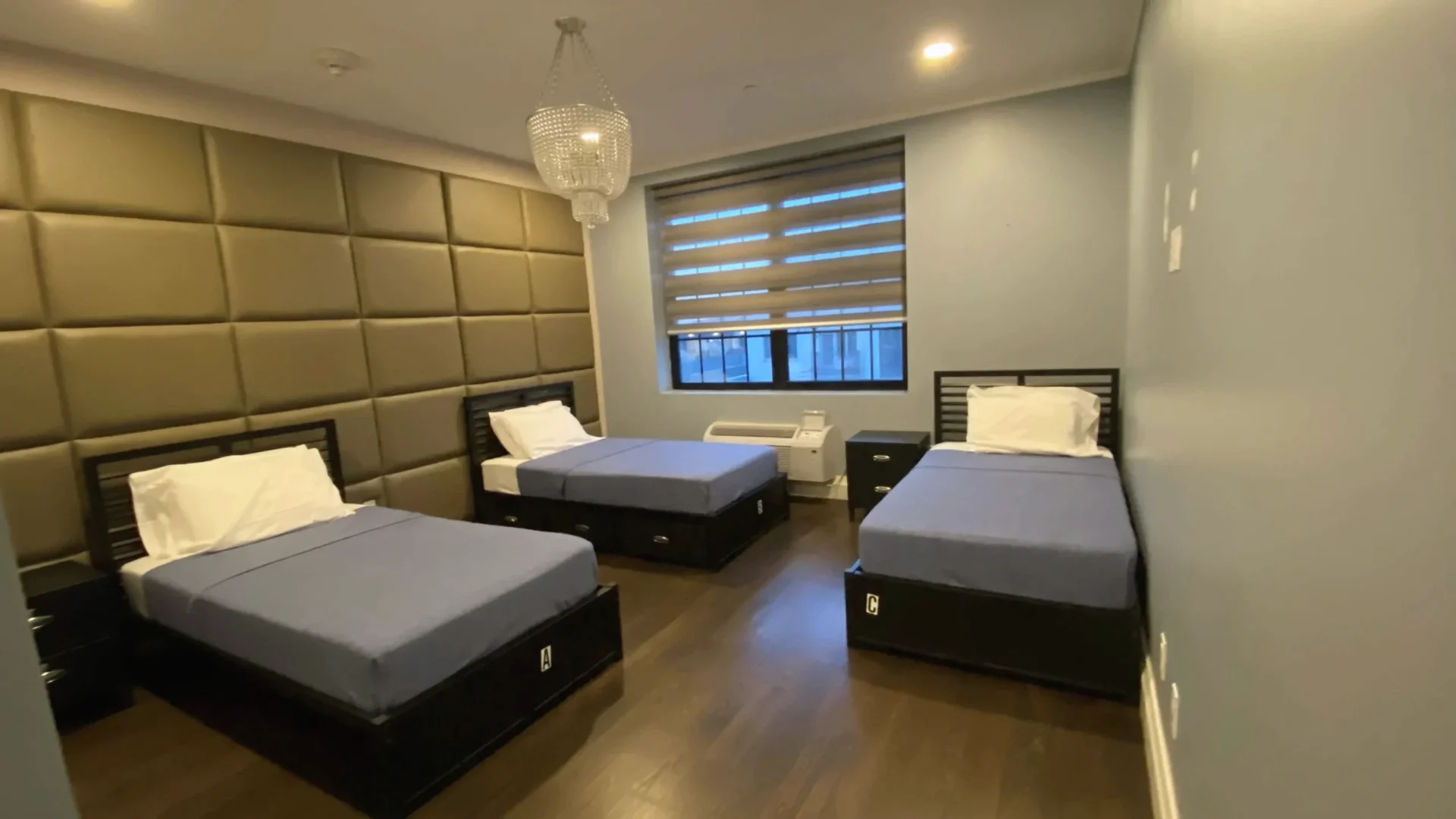
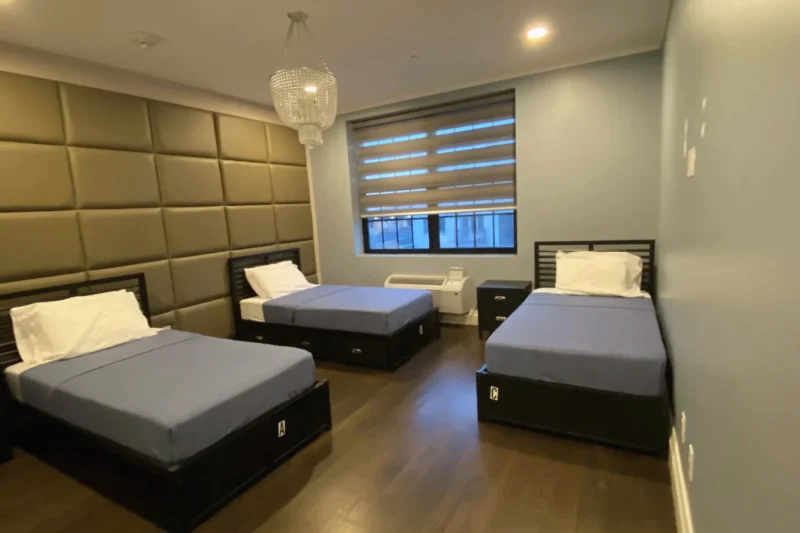
When comparing this setting with a quieter rural residence or an outpatient office, focus on what the stay requires in practice. Ask about bedroom arrangements, accessibility, belongings, movement around the building, and access to outdoor areas within the treatment schedule. A rooftop view or attractive photographs do not establish a private room, unrestricted movement, or a particular staffing arrangement. If you have mobility, sensory, dietary, or communication needs, describe them before an admission is accepted. The practical fit of the building and daily routine should be confirmed alongside the clinical recommendation, especially when a family is arranging travel from outside Brooklyn.
What happens during intake
The admissions page describes an intake coordinator helping with paperwork, followed by a nurse checking vital signs, medical history, current medications, and a urine sample. Staff inventory personal belongings and secure valuables. A person may enter detoxification or residential care, but that depends on the paperwork and medical team’s approval.
The page also states that patients receive a psychiatric evaluation during the first 24 hours. Tell the intake team about existing mental-health treatment, recent medication changes, previous withdrawal experiences, and other relevant health needs. Ask how current prescriptions will be reviewed and how the team communicates its recommendation. The purpose of the assessment is to select an appropriate starting point, not to place everyone into an identical sequence. Bring accurate records where available and clarify what information can be shared with existing clinicians. Do not change prescribed treatment simply to match a general description of the admission process.
Counseling is a substantial part of the program
Urban Recovery’s program overview describes 35 hours of counseling services per week in short-term residential treatment, including group sessions across seven days and one hour of individual counseling. This is a published description of that program, not a promise of 35 private therapy hours. The provider describes medical and therapeutic work as connected parts of care.
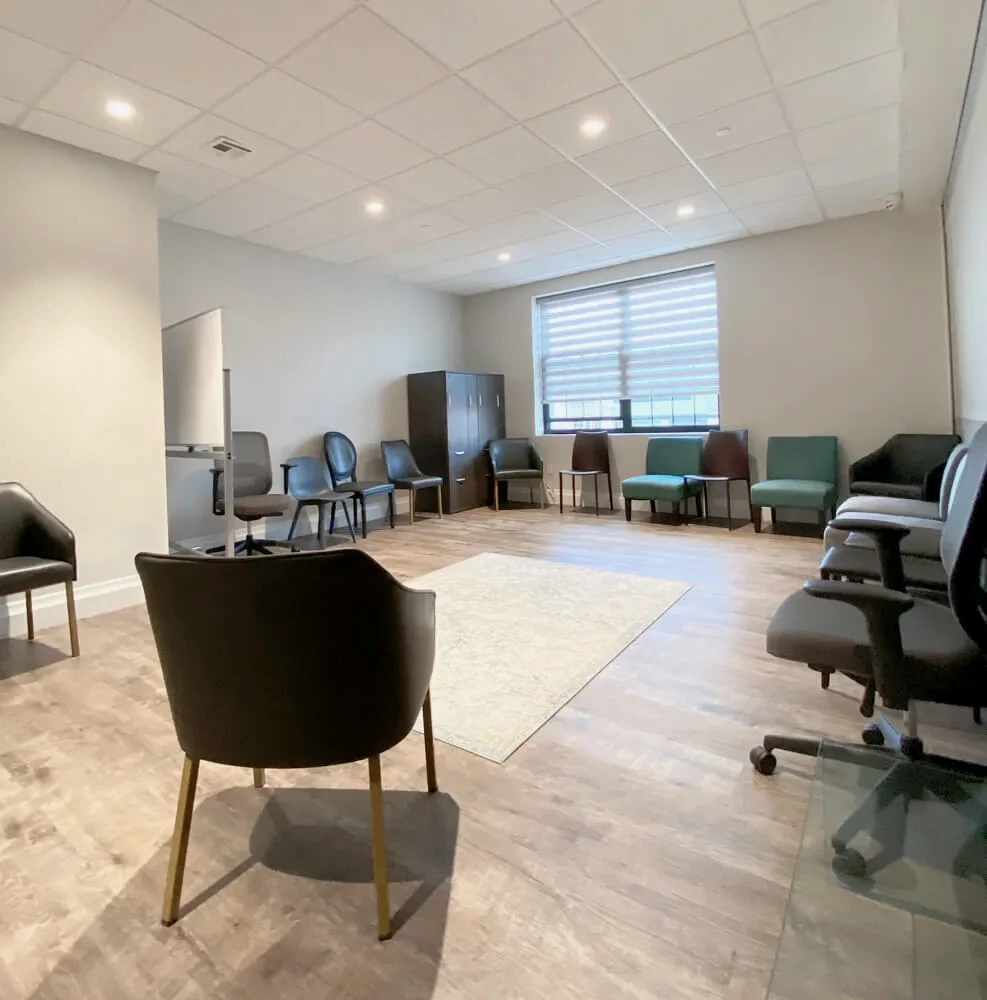
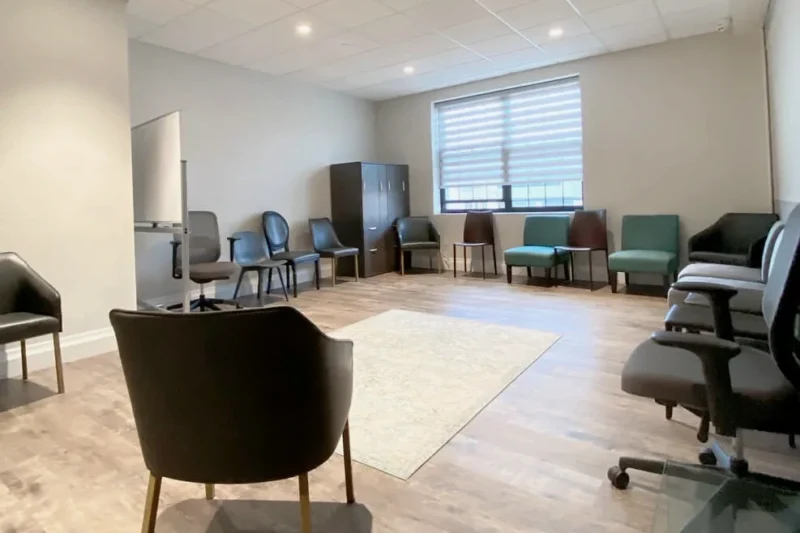
Ask how a typical week is divided between groups, individual meetings, education, and other activities. If you need to discuss something privately, establish how to reach your counselor outside the scheduled group setting. Also ask how participation changes while someone is being medically stabilized or is unable to attend the usual timetable. A high number of scheduled hours is only useful when the content and pace fit the person’s needs. The weekly outline can help you understand the commitment, but the treating team should explain the actual plan and review it as circumstances change.
Short-term residential care and length of stay
The residential treatment page describes adults living at the facility with 24-hour clinical care and a daily therapy schedule. Medically stable people may enter residential care directly or after detoxification elsewhere. Urban Recovery attributes its withdrawal-management and inpatient rehabilitation services to separate OASAS licenses at the same Red Hook facility.
The page explains that a short-term residential category generally involves less than 30 days, often one to four weeks; an individual stay is set through assessment and reviewed with progress. Ask what milestones the team is using to assess readiness for discharge, particularly if there are continuing medical, psychiatric, or housing needs. A broad treatment category is not a guaranteed completion date. The provider describes DBT, Seeking Safety, and medication treatment when appropriate, but the exact combination should be discussed with the treating team. Confirm the next level of care and how prescriptions will continue before treating the end of a stay as the end of treatment.
Opioid treatment and ongoing medication decisions
The opioid program description covers inpatient withdrawal management for adults using opioids such as fentanyl, heroin, or prescription pain medicines. It lists buprenorphine, Suboxone, Sublocade, and Vivitrol among medication options, with the choice based on the person’s assessment. These medications have different roles and are not interchangeable choices to start without clinical guidance.
Discuss your substance-use history, previous medication treatment, other prescriptions, and goals with the medical team. Ask whether the recommendation concerns withdrawal management, ongoing treatment, or both, and how the next prescriber will be involved. Urban Recovery describes continuing care beyond the initial detoxification phase and notes that medication may continue after detox. The important practical question is how to avoid an unplanned interruption during transfer or discharge. Confirm who will supply prescriptions, when follow-up is scheduled, and which service will manage any injection appointments. General medication descriptions on a provider website are not personal instructions about when to start or stop a drug.
Assessment before alcohol withdrawal management
The alcohol detoxification page describes assessment of drinking patterns, medical history, and co-occurring mental-health conditions before creating an individual plan. Medical observation and medication may be combined with counseling and emotional support. The provider also describes activities such as mindfulness, yoga, art, and nutritional counseling as part of a broader approach.
Explain previous withdrawal episodes and any current symptoms when contacting the team. Ask what the unit can manage, when a hospital transfer would be required, and how staff decide someone is ready for the next stage. The availability of complementary activities does not replace medical assessment or establish that every activity is appropriate during acute withdrawal. Clarify how the clinical schedule changes as you stabilize and how continuing treatment is selected. The aim of comparing this service is to understand its supervision and handoff arrangements, rather than assuming that comfort-focused marketing guarantees an uncomplicated withdrawal experience.
Benzodiazepine care needs an individualized medication plan
Urban Recovery’s benzodiazepine service describes medically supervised, individualized tapering, ongoing symptom review, and adjustment by the clinical team. The assessment considers the person’s medication use, dose history, and overall health. The page does not establish a single taper schedule or completion time for every patient.
If a benzodiazepine was prescribed for anxiety, sleep, or another condition, discuss that history and the original prescriber’s involvement. Ask how the team will distinguish withdrawal-related concerns from the symptoms for which the medicine was prescribed, and how any continuing care will be coordinated. Confirm whether the proposed residential period covers the entire medication plan or only one phase, with follow-up elsewhere. These questions should be answered before assuming a short admission resolves every prescribing need. Do not use a general taper description to change medication yourself. The pace, monitoring, and next appointment belong in an individual plan made with the treating professional.
Support during stabilization and the next stage
The general drug-detox page describes continuous medical monitoring, medication when appropriate, and therapeutic support during withdrawal management. Individual counseling, groups, education, and wellness activities are presented alongside clinical care. The team also describes preparing a personalized transition plan for continued treatment.
Ask how care is adapted if more than one substance is involved or if you already receive treatment for another health condition. Clarify which therapies you can participate in during stabilization and when the fuller program begins. A list of available activities is not the same as a fixed daily entitlement. The next stage should be discussed early enough to arrange records, prescriptions, transport, and any required assessment by a receiving service. If outpatient care or another residence is proposed, obtain the provider’s name and start date. A broad promise of continuing support becomes useful when the responsibilities and appointments are clear.
Devices, visits, insurance, and planning a realistic stay
The facility FAQ describes an electronics-free stay, with phones and computers stored until discharge. It also retains a COVID-related statement suspending family visits, so confirm the current visiting and communication policy directly rather than planning travel around that older wording. The FAQ gives a usual 21–28-day program while emphasizing individual needs and circumstances.
That same page lists some commercial insurance plans and most Medicaid plans, with individual approval assistance. Ask admissions to check your exact policy and the proposed level and length of care, including any patient responsibility. Before arrival, plan how essential work, household, or caregiving messages will be handled if personal devices are unavailable. Discuss chosen family involvement and the practical arrangements for discharge. These operational details are part of deciding whether the stay is manageable; they should be confirmed alongside the clinical recommendation, rather than inferred from a general description or another patient’s experience.
Official sources: facility overview, program overview, and contact page; checked October 5, 2026.