THIRA Health


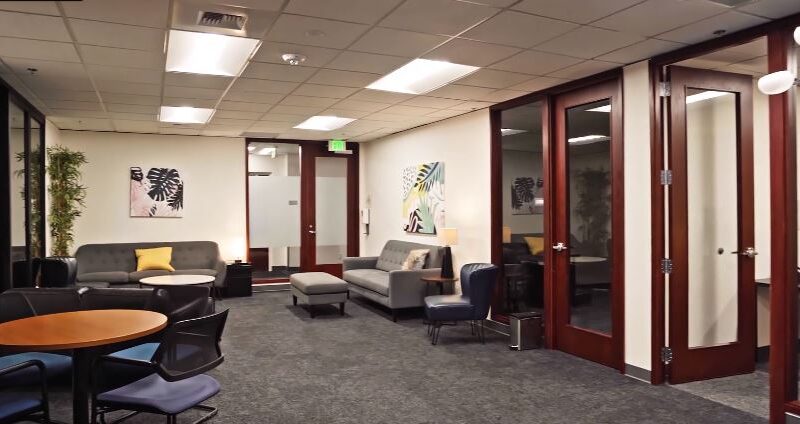
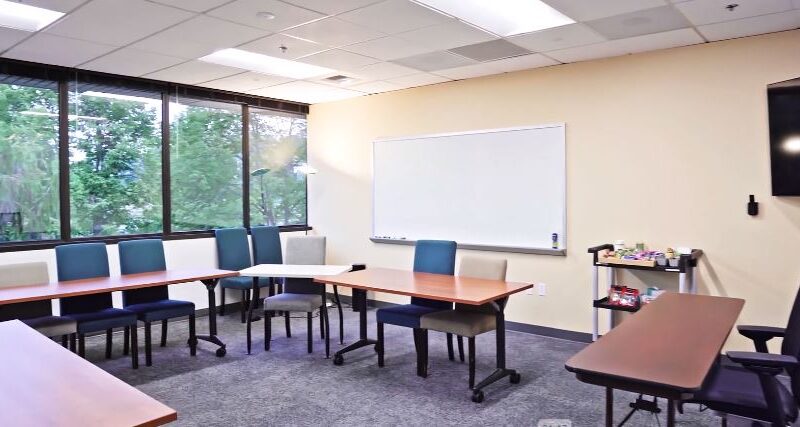
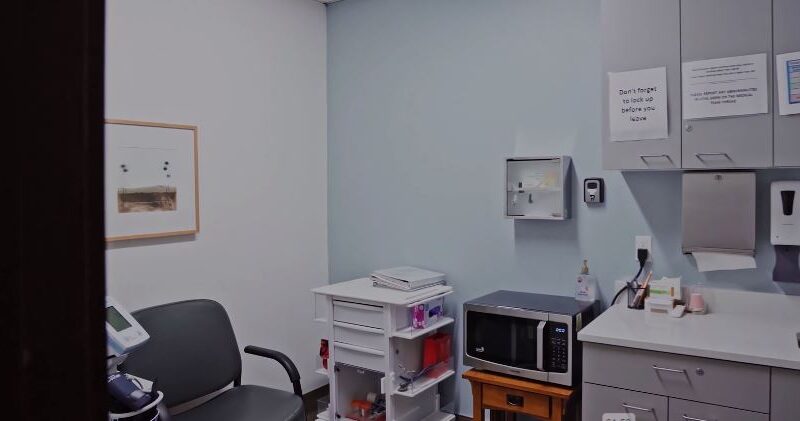
THIRA Health 3 photos
Comparison facts and sources
DBT-centered residential, partial hospitalization and intensive outpatient treatment for adults and adolescents; age and gender eligibility varies by program. · Bellevue, Washington, with program-specific residential or supportive housing settings and virtual adult IOP.
- Published fee information
- Quote required
- Before admission
- This review does not establish admission, program assignment, exact stay length, insurance authorization, covered services or final cost.
- Continuing care
- Discharge planning, care coordination, step-down through available PHP or IOP services and alumni support; exact follow-up is individualized.
Source record · October 17, 2026
Current official program, duration, schedule, insurance, contact and continuity-of-care evidence checked October 17, 2026.
Luxury rehab comparison · Fees and inclusions · Selection methodology
THIRA Health is a Bellevue, Washington mental-health provider offering DBT-centered residential treatment, partial hospitalization (PHP) and intensive outpatient care (IOP). Eligibility differs by program: adult residential, PHP and some IOP options serve women and gender-expansive adults; the virtual adult IOP serves all genders; adolescent residential serves teen girls, transgender, non-binary and gender-expansive adolescents.
The provider describes residential care as a live-in setting with round-the-clock support. PHP runs Monday to Friday from 8:30 a.m. to 4:30 p.m., with eating-disorder programming extending to 5:30 p.m. THIRA’s current FAQ gives typical ranges of 24–35 days for residential care and 4–8 weeks for PHP. Its all-gender virtual adult IOP is a 12-week program with three-hour morning or evening sessions on three days each week; other IOP durations depend on the selected track.
Programs may include DBT skills groups, individual and group therapy, psychiatric care, medication management, nutrition support, family involvement and discharge planning. THIRA says it is in network with most major insurance plans, but eligibility, authorization, deductibles, copays, self-pay costs and final coverage remain program- and plan-specific.
Adult residential care is designed for women and gender-expansive adults
The adult residential program provides a live-in setting with continuous staff support, a structured day, and regular DBT practice. The current program page identifies women and gender-expansive adults as its population. Clinical services may include individual therapy, groups, psychiatry, nursing, nutrition, and family involvement.
Residential placement is considered when the person needs support through the hours between therapy sessions, including help maintaining routines and applying skills. The admission review considers current functioning, previous treatment, medical needs, and the support available at home. The resulting plan should identify the actual location, room arrangement, clinical schedule, and likely transition after stabilization. Eligibility for another THIRA program should not be assumed to establish eligibility for this particular residential setting. A person can discuss identity, comfort within the treatment community, and individual needs directly with admissions so that placement reflects both clinical suitability and the published program scope.
Adult PHP provides a fuller treatment day while clients live elsewhere
The women and gender-expansive adult PHP combines DBT skills work, individual and group therapy, psychiatric support, and other coordinated services. The provider describes it as an option when weekly therapy or IOP does not provide enough structure, or as a transition from residential care.
Clients return home or to supportive accommodation outside program hours. That arrangement requires a workable plan for evenings, travel, and help between sessions. Published components may include medication management, family education, expressive art, movement, and meals, with the final selection determined individually. The person should confirm the actual timetable and services for the proposed admission. A full treatment day brings several parts of care together, but it does not provide the same overnight structure as residential treatment. The assessment should therefore consider whether the person can participate consistently and use the available support outside the daytime setting.
Women and gender-expansive adult IOP offers schedule choices
The adult IOP page describes morning and evening pathways for women and gender-expansive adults. Both provide intensive outpatient care with DBT skills, group support, and individual therapy. The choice of time is intended to make attendance more workable around everyday responsibilities.
THIRA describes IOP as either a direct entry point or a later step after PHP or residential treatment. The person needs appropriate support outside sessions and the ability to participate regularly. A convenient appointment time alone does not establish that IOP provides enough care. Admissions should confirm the current format, location, weekly schedule, and clinical fit. The page specifically explains that Seattle and neighboring cities are communities served from the Bellevue base, rather than separate THIRA clinic locations. That is useful for travel planning and prevents a regional service description from being mistaken for a nearby office or an alternative treatment campus.
The adult all-gender IOP is delivered virtually
The all-gender virtual IOP serves adults eighteen and older. THIRA publishes two twelve-week tracks: a morning group on Monday, Tuesday, and Thursday from 10 a.m. to 1 p.m. Pacific, and an evening group on Tuesday, Wednesday, and Thursday from 4 to 7 p.m. Pacific.
Both tracks include multiple DBT skills groups and at least one individual therapy session each week. The virtual format requires a suitable place to participate and confirmation of the provider’s location and eligibility requirements. Someone working around employment or caregiving should protect the full session times and discuss any barriers before starting. The program is more intensive than an occasional online appointment, with ongoing participation and practice between sessions. Admission should establish whether that level of support is appropriate and what plan is available outside group hours. Current start dates, authorization, and any changes to the published schedule should be confirmed directly.
Teen residential treatment includes education and family planning
The teen residential program is described for teen girls and gender-expansive adolescents who need a live-in therapeutic environment. It combines daily clinical engagement with DBT skills, family involvement, and planning for education and the transition out of care.
The published schedule may include individual and group therapy, psychiatry, nursing, nutrition, expressive activities, movement, and community experiences. The admission assessment should make room for both the teen’s perspective and the caregiver’s observations about home, school, and daily functioning. Residential structure is considered according to current needs and the response to previous care; it should not be selected solely because another THIRA program is unavailable at a convenient time. Families can ask how school responsibilities will be addressed, what contact is planned, and how progress is reviewed. The team should also explain the proposed next level of care and the support needed at home before that transition takes place.
Teen PHP serves a defined age and gender population
The teen partial hospitalization program describes care for teen girls and gender-expansive adolescents beginning at age thirteen. It provides a full therapeutic day while allowing the teen to return home or to an appropriate supported setting afterward. Admission remains subject to program-specific clinical eligibility.
Published services include DBT skills, individual and group therapy, psychiatric support, family education, expressive art, movement, and meals. The assessment considers whether the teen can manage outside programming with the available support. Families should clarify the current daily timetable, travel, school coordination, and expectations for participation at home. This planning is particularly important when the program temporarily replaces a large part of the school day. The treatment team should explain how the goals connect with the teen’s ordinary environment and how caregivers can reinforce skills without taking over the teen’s own role in treatment. The intended transition and review points should be included from the beginning.
Teen IOP is described as an all-gender service
The teen intensive outpatient program serves teens of all genders. The current page describes three-hour sessions on three days per week, with DBT skills groups, individual DBT therapy, expressive approaches, movement, and parent participation. Admissions confirms the schedule and duration.
This population differs from the specific gender eligibility published for the teen residential and PHP programs. Families should therefore compare the actual service being proposed rather than apply one eligibility statement to every teen program. IOP may allow a young person to remain connected with home and school while receiving more structured support than weekly therapy. The assessment should establish that the teen can manage outside sessions with an appropriate plan. Caregivers and the teen can discuss school demands, attendance, travel, and what has been difficult in previous treatment. Clear goals and a shared understanding of participation help connect the clinical work with the situations the teen encounters during the rest of the week.
DBT is practiced across sessions and daily situations
The DBT guide describes mindfulness, distress tolerance, emotion regulation, and interpersonal effectiveness as central skills. THIRA uses DBT in individual therapy, groups, and opportunities to apply skills during the program. It also describes radically open DBT for selected patterns of overcontrol.
The provider’s PHP example includes regular individual therapy, several skills groups during the day, and coaching from staff when needed in the treatment setting. The therapist team also meets for consultation. The exact format should be confirmed for the selected program, since a residential day and a virtual IOP week have different structures. A prospective client can discuss the situations they want help managing and how practice will be reviewed. Learning a skill, trying it in daily life, and discussing what happened are connected parts of the published approach. The plan should make those steps understandable rather than rely on the DBT label alone to describe the treatment.
Housing for daytime care is separate from residential treatment
The housing guide describes a discounted local accommodation option and invites clients to ask about current rates and possible financial assistance. It also lists a Bellevue extended-stay hotel approximately one mile from THIRA and states that transportation is not provided for that option.
A hotel arrangement should be evaluated as accommodation for a person who is suitable for daytime treatment. It does not automatically include the staff support or clinical structure of a residential program. Before booking, confirm the distance to the actual program location, the daily travel plan, meals, accessibility, and support outside treatment hours. Families traveling to visit or participate in care should also confirm the relevant dates and program rules. The provider offers help with planning, while clients remain responsible for travel and other expenses. Keeping the accommodation agreement separate from the clinical recommendation makes the full arrangement and its costs easier to assess.
Insurance verification should cover the selected track and format
The insurance page offers assistance with benefits verification and emphasizes that coverage is determined by the individual plan. Its suggested questions include prior authorization, exclusions, travel restrictions, and the effect of using an out-of-network provider.
The check should identify the exact service: residential care, PHP, a specific IOP track, or virtual treatment. These may have different authorization requirements and personal costs. Ask for an estimate that includes deductibles, copays, coinsurance, and any services or accommodation charged separately. If a transition between levels is anticipated, clarify how the next stage will be reviewed and funded. A benefits check and a clinical eligibility decision answer different questions, so both need to be completed. The published list of insurers is a starting point for that process rather than confirmation that a particular schedule, duration, or housing arrangement will be covered in full.
The team includes program-specific clinical and operational leadership
The staff directory identifies Al Tsai, MD, as medical director and Daniela Del Moral as senior clinical director. It also lists managers for residential services, virtual IOP, nutrition, and admission and discharge coordination. These roles reflect the different requirements of the organization’s programs.
A client should still establish which professionals will be directly involved in their own treatment. The relevant contacts may include a primary therapist, psychiatric provider, nutrition professional, and the person coordinating practical concerns or the next stage of care. A leadership biography does not mean that individual personally conducts every assessment or session. For families supporting a teen, clarify the point of contact and the agreed process for sharing information. For an adult, establish how outside clinicians can coordinate with the THIRA team when authorized. Knowing these responsibilities helps connect the program’s schedule with the people accountable for clinical decisions and follow-up arrangements.
Duration and transitions are reviewed individually
The FAQ gives typical ranges of twenty-four to thirty-five days for residential treatment and four to eight weeks for PHP. IOP duration depends on the selected track. THIRA also states that its least intensive service requires at least nine hours per week and that it does not provide ordinary once-weekly outpatient therapy.
Those distinctions are useful when planning time away from work or school and arranging longer-term care. A person who completes a THIRA program may still need a different provider for continuing weekly appointments. The treatment plan should identify the goals being reviewed, the criteria for changing intensity, and the next appointments or referrals. Family education and participation may support that transition when appropriate. The published ranges help describe the programs, while the actual duration depends on needs, progress, and the agreed plan. Confirm the expected review points and any financial implications if treatment continues beyond the initial authorization or proposed schedule.
Source check: October 18, 2026, for the additional provider details above.
Sources
- Official FAQ and published program durations
- Official adult program eligibility and schedules
- Official adolescent residential program
- Official PHP schedule and services
- Official insurance information
Sources checked October 17, 2026.