The Ranch Tennessee



The Ranch Tennessee 3 photos

Comparison facts and sources
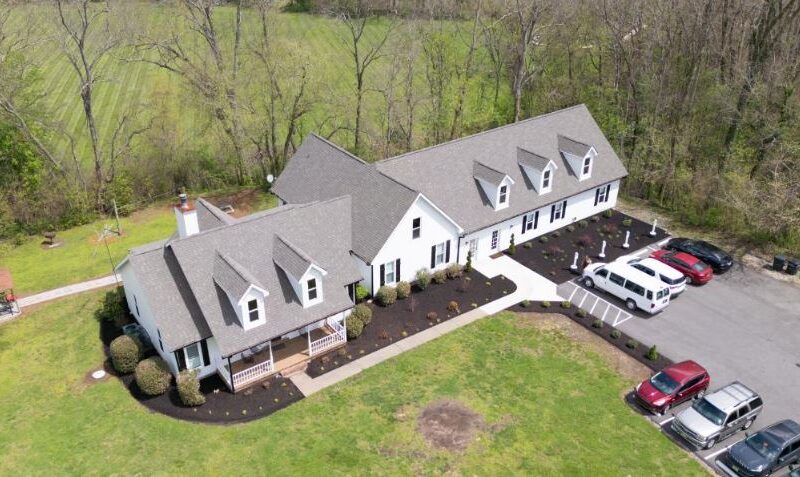
Rural Dickson treatment campus providing medically monitored detox, residential substance-use and primary mental-health treatment, partial hospitalization with boarding, intensive outpatient and virtual outpatient care. · 5166 State Highway 48, Dickson, Tennessee 37055
- Published fee information
- Quote required
- Before admission
- This profile is for The Ranch Tennessee in Dickson. Program sequence and stay length are individualized; detox, residential, PHP, IOP and virtual outpatient care are distinct levels rather than one fixed package.
- Continuing care
- Planning begins during the stay and may include step-down care, outpatient services, alumni support and links to community resources. The alumni network provides long-term connection after program completion.
Source record · October 15, 2026
Provider-published information checked October 15, 2026. Confirm the recommended level of care, boarding arrangement, exact stay length, benefit authorization and itemized patient responsibility directly with admissions.
Luxury rehab comparison · Fees and inclusions · Selection methodology
Provider overview
The Ranch Tennessee is a residential treatment campus at 5166 State Highway 48 in Dickson, Tennessee, near Nashville. Current provider information identifies treatment for substance use, primary mental-health concerns and co-occurring conditions; it should not be confused with The Ranch Pennsylvania or another location in the wider network.
Treatment programs
The Dickson campus provides medically supported detoxification, residential substance-use care, residential mental-health treatment and aftercare planning. Its current program pages also describe partial hospitalization, intensive outpatient and virtual outpatient options. Specialty work within care includes family programming, equine therapy and adventure-based activities. Program placement and length are determined through clinical assessment rather than a single published duration.
Insurance and costs
The Ranch offers insurance verification and self-pay options. Coverage, authorization, length of stay, deductibles and coinsurance affect the final cost; no universal cash price is published. Confirm that a plan covers the recommended service at the Tennessee campus and request a written estimate before admission.
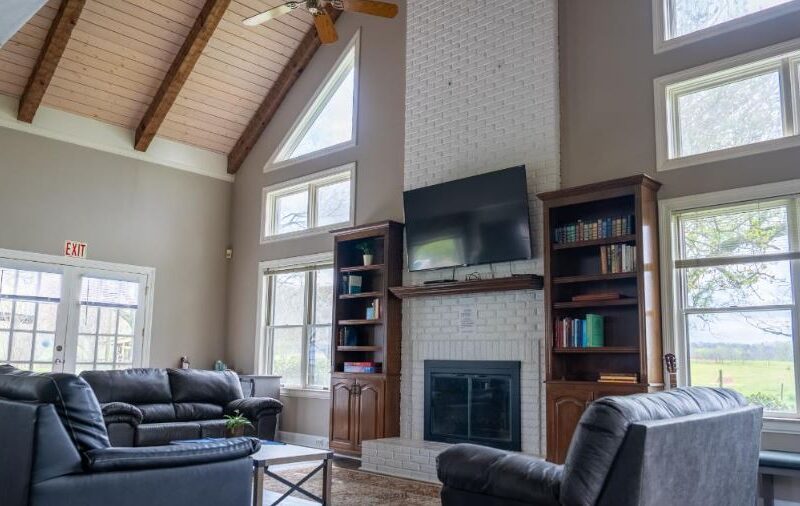
Residential days combine clinical work with life on the ranch
The residential program describes individual and group therapy, equine-assisted activities, skill-building, outdoor time, and peer-community routines. The setting gives residents time away from their usual responsibilities while they work with the clinical team.
A typical outline includes morning grounding, therapeutic sessions, practical workshops, and evening reflection or community activities. That outline should become an individual schedule rather than a promise that every resident receives identical appointments. The provider also describes family involvement and planning for outpatient or community support before discharge. A prospective resident can discuss which clinical concerns the stay will address, who will provide individual treatment, and how progress will be reviewed. The ranch environment is one part of the experience; the level of medical support, therapeutic content, and planned transition remain central to deciding whether the program fits the person’s needs.
Medical detox provides round-the-clock withdrawal support
The detox service describes medical assessment, monitoring, medication when appropriate, emotional support, and preparation for further treatment. Staff monitor physical stability while the person moves through withdrawal.
The provider presents detox as the beginning of a broader plan rather than a complete rehabilitation course. Assessment should establish whether this is the appropriate starting level and what care is expected afterward. Current medications, recent substance use, previous withdrawal experience, and other health conditions are relevant to that decision. The plan should identify the clinical support available, the criteria for moving to residential or another level, and how the patient and any authorized supporters receive information. The Tennessee page does not establish a universal detox duration for every admission. A personal estimate and review process are more useful than assuming that a standard number of days applies regardless of health or substance-use history.
PHP maintains substantial daytime clinical structure
The partial hospitalization program describes treatment on most days of the week, with group and individual work, care-team check-ins, and psychiatric or medical oversight. It supports substance-use and primary mental-health needs through an individually selected plan.
Listed approaches include DBT, acceptance and commitment therapy, skills-based groups, and individual sessions. EMDR may be available when clinically appropriate; it is not described as a requirement for everyone. Experiential work can also be included according to readiness and the treatment plan. PHP does not provide the same overnight residential supervision, so accommodation and support outside treatment hours need to be discussed separately. Obtain the actual daily schedule, delivery location, medication appointments, and requirements for participation. The provider describes reviewing progress and preparing for IOP, standard outpatient care, or other support as appropriate. The next stage should follow the person’s needs rather than simply the end of a preset calendar period.
IOP connects regular treatment with responsibilities outside the program
The intensive outpatient program describes structured care while participants live at home or in approved housing. It combines clinical work with opportunities to apply skills in ordinary routines between sessions.
Published approaches include DBT, acceptance and commitment therapy, group learning, relapse prevention, and life-skills development. EMDR and experiential elements may be used when the clinical team considers them appropriate. The presence of equine or outdoor activities in the wider program should not be read as an identical activity schedule at every level of care. Confirm the required hours, current session times, location, and arrangements for support outside appointments. A person stepping down from residential care should also understand who continues medication management and individual treatment. The provider describes coordinating later outpatient services, alumni participation, and community resources as the formal program becomes less intensive.
Mental-health and substance-use concerns are considered together
The mental-health treatment page describes an integrated approach to concerns such as anxiety, depression, trauma-related conditions, bipolar disorder, and attention-related difficulties when they occur alongside substance use.
The proposed care can include counseling, CBT, DBT, trauma-focused work, medication management when appropriate, and experiential activities. A list of conditions is not an individual admission decision. The clinical assessment should consider current symptoms, previous care, medication, daily functioning, and the level of support required. Someone whose treatment has previously been split between separate services can discuss how information and responsibilities will be coordinated here. The provider describes aftercare planning and alumni support following programming; ongoing psychiatric or psychological care should also be identified explicitly. The practical question is how the individual’s needs will be addressed at the assigned level, including what would happen if a concern required specialist or more acute care elsewhere.
Equine sessions begin with guided work on the ground
The equine program describes non-riding activities guided by an equine specialist and a licensed therapist. Examples include approaching a horse, grooming, haltering, leading, and reflecting on the interaction afterward.
The published session estimate is forty-five minutes to an hour, beginning with an introduction and safety discussion. Previous horse experience is not required. This is a defined part of the provider’s experiential approach, rather than simply access to recreational riding. The clinical plan should explain its purpose for the individual and how observations from the session connect with other treatment. Someone with allergies, mobility limitations, fear of animals, or other concerns should discuss them before participation. The provider’s descriptions of possible emotional benefits are not a guarantee of an individual result. Confirm the proposed frequency, staff involvement, and alternatives where needed so that the activity fits the person’s overall care rather than becoming an assumed requirement.
Outdoor activities are adapted to ability and clinical readiness
The adventure-therapy program lists ropes courses, zip-line activities, outdoor mindfulness, group problem-solving, and reflective gatherings. The provider describes these as guided experiences connected to treatment goals.
It also states that activities are adapted to ability and comfort and that no prior outdoor experience is required. That matters for someone interested in the ranch setting who is unsure about physically challenging activities. Discuss health restrictions, accessibility, personal preferences, and how alternatives are arranged. Participation should be based on the clinical recommendation and an understanding of the activity, rather than pressure to complete a particular challenge. The provider uses the setting to support practice and discussion of responses to uncertainty, teamwork, and difficult emotions. Those aims should be linked to the individual’s wider therapeutic work. Outdoor amenities are useful context, but they do not by themselves establish clinical suitability or likely treatment outcomes.
Family work addresses communication and expectations after treatment
The family program describes guided work on communication, trust, boundaries, reactions to stress, and expectations for life at home. The provider also lists shared reflection walks, grounding exercises, and observation of equine work as possible activities.
These are structured opportunities to participate, not an assumption that all relatives attend every part of the stay. The client and team should agree who is involved, the purpose of that involvement, and what information may be shared. Someone traveling to Tennessee to participate should confirm the timing, location, format, and any costs before making arrangements. The program’s examples emphasize replacing familiar reactions with clearer practical responses. That can include discussing household responsibilities, how to offer support, and when to encourage continued professional care. Family participation should respect safety, consent, and the realities of the relationships involved, with a plan that remains useful after the residential setting ends.
The FAQ clarifies housing, meals, and primary mental-health eligibility
The program FAQ confirms that The Ranch treats primary mental-health concerns as well as co-occurring presentations. It also describes gender-separate housing, meals prepared on-site, downtime between sessions, and a packing list supplied before arrival.
These details help distinguish the daily setting from the clinical decision about admission. A person should still establish the actual accommodation, treatment track, and support required for their particular needs. Dietary and medical requirements are accommodated where possible and should be discussed in advance rather than assumed. The FAQ also describes communication planning if an urgent situation arises at home. Someone with dependents or essential responsibilities can use that discussion to clarify permitted contact and practical arrangements. The program describes progress review during care, so expectations about duration and the next stage should remain open to clinical reassessment. Comfortable surroundings do not replace clarity about the treatment and support being provided.
The team combines medical, therapy, residential, and ranch roles
The staff directory names Brian Fuller, MD, as medical director and Ashley Martinez, LPC-MHSP, as director of clinical operations. It also lists medical and psychiatric nurse practitioners, program leaders, behavioral-health staff, admissions personnel, and ranch operations.
Those roles explain how the residential and experiential program is organized. They do not establish that every resident sees each named professional or receives the same number of appointments. During planning, identify who leads the person’s therapy, who handles prescribing, and how medical or psychiatric concerns are reviewed. The presence of equine and facilities staff reflects the physical setting but should be distinguished from responsibility for clinical care. Existing clinicians can provide records and recommendations with consent. When a person changes level of care, the transition plan should make clear which professionals remain involved and which responsibilities move to an outpatient or community provider.
The financial review covers more than an insurer’s name
The insurance and payment page says the team checks behavioral-health benefits, deductibles, personal costs, network status, authorization requirements, and any limits affecting the level or duration of treatment.
It also describes private payment, employer assistance, eligible health-account funds, and third-party financing as options to discuss. Their availability and suitability depend on the individual circumstances. A written estimate should identify the assigned program, location, expected period, included services, and possible additional charges. The insurer’s response should be specific to that plan and service rather than inferred from a logo on the website. If the clinical recommendation changes during care, confirm how further authorization or personal payment would be handled. Financing terms are separate from treatment charges and should be understood before committing. The useful outcome is a clear explanation of the proposed admission and the responsibilities of the provider, payer, and patient.
Alumni support includes access to a broader recovery community
The alumni network describes check-ins, counselor support, group connection, workshops, and community events. It also identifies access to Rooted, the wider Promises Behavioral Health alumni program, with meetings online and in locations around the country.
These services can help maintain connection after leaving Tennessee, but the current schedule, eligibility, and access arrangements should be confirmed. Someone returning to another region may use a different combination of online and local support from someone remaining near the campus. Alumni activity is one component of a broader transition plan. The person should also know who provides ongoing therapy, medication management, and help if symptoms or substance-use concerns change. Discuss those arrangements before discharge, including appointment dates and any separate fees. The provider’s description of a continuing community should be translated into realistic options the individual can use alongside their professional care and everyday responsibilities.
Source check: October 18, 2026, for the additional provider details above.
Sources and verification
The Ranch Tennessee official site, official treatment programs, official admissions information and official FAQ, checked October 10, 2026. This profile summarizes provider-published information and is not an independent clinical assessment.