The Ranch Pennsylvania

The Ranch Pennsylvania 3 photos
Comparison facts and sources
Adult medical detox and residential addiction, primary mental-health and dual-diagnosis treatment are provided at the Wrightsville campus. PHP and IOP are delivered through The Ranch Pennsylvania Outpatient Services in Lancaster and should not be presented as Wrightsville residential care. · 1166 Hilt Road, Wrightsville, PA 17368, United States
- Published fee information
- Quote required
- Before admission
- This review verifies current campus and outpatient-location distinctions, level-specific duration guidance, general insurance claims, facility descriptions and aftercare. It does not independently assess care or guarantee coverage or price.
- Continuing care
- Before discharge, the care team develops an individualized relapse-prevention and continuing-care plan with follow-up check-ins. The free Rooted alumni community offers eligible alumni lifetime connection through weekly in-person and virtual meetings.
Source record · October 16, 2026
Current provider-published program, facility, duration, insurance and alumni pages checked October 16, 2026.. The provider describes Joint Commission accreditation; no independent accreditation scope review was completed in this field pass.
Luxury rehab comparison · Fees and inclusions · Selection methodology
Provider overview
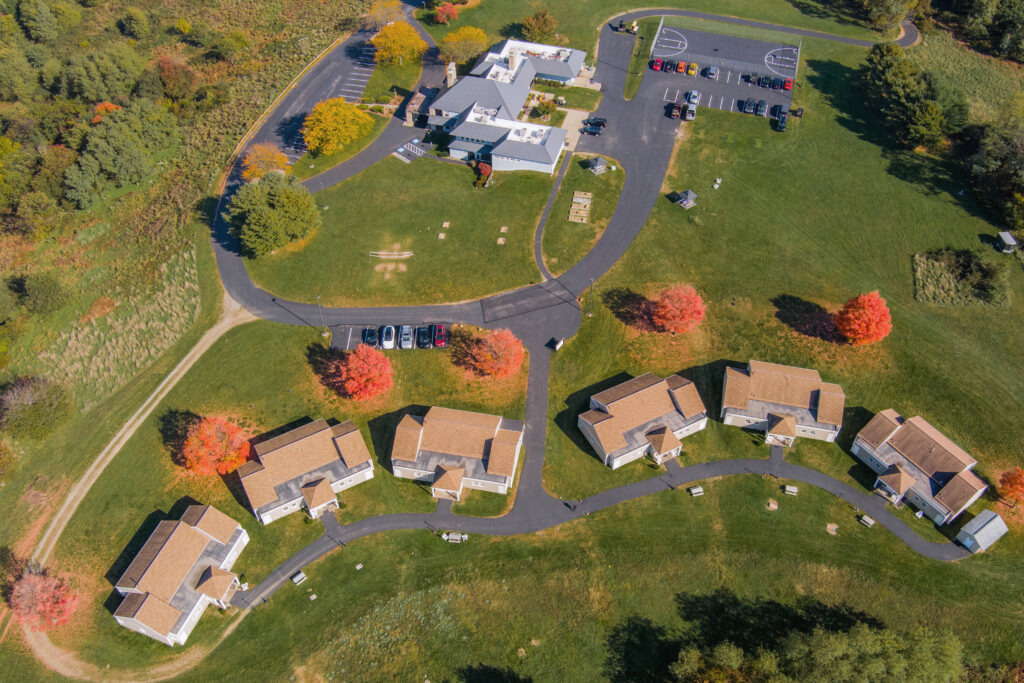
The Ranch Pennsylvania is an adult addiction and mental health treatment facility at 1166 Hilt Road, Wrightsville, Pennsylvania. The provider describes a 69-bed campus on about 152 acres, with on-site medical detox and residential treatment for substance use, primary mental health and co-occurring conditions.
The Wrightsville campus should be distinguished from The Ranch Pennsylvania Outpatient Services in Lancaster. Current provider pages place PHP and IOP in Lancaster, with supportive-housing or commuter options for PHP and in-person or virtual participation for IOP. They should not be presented as 24-hour residential services at the Wrightsville address.
Published program guidance is level-specific: medical detox usually lasts 3–7 days, most inpatient addiction and mental-health stays last 20–24 days, PHP typically lasts 5–6 weeks and IOP 6–8 weeks. Plans remain individualized and may change with clinical need and progress.
The provider says it works with most major insurance plans and offers a free benefits check, but does not publish one universal cash price or a dependable plan-by-plan guarantee. Request a written USD estimate covering the assigned location and level of care, duration, accommodation, deductible or coinsurance, taxes, inclusions and optional charges.
Before discharge, the care team develops an individualized aftercare and relapse-prevention plan with follow-up check-ins. The Rooted alumni community offers continuing connection, including weekly in-person and virtual meetings; provider materials describe this as a free lifetime service for eligible alumni.
The Wrightsville campus combines clinical care with outdoor space
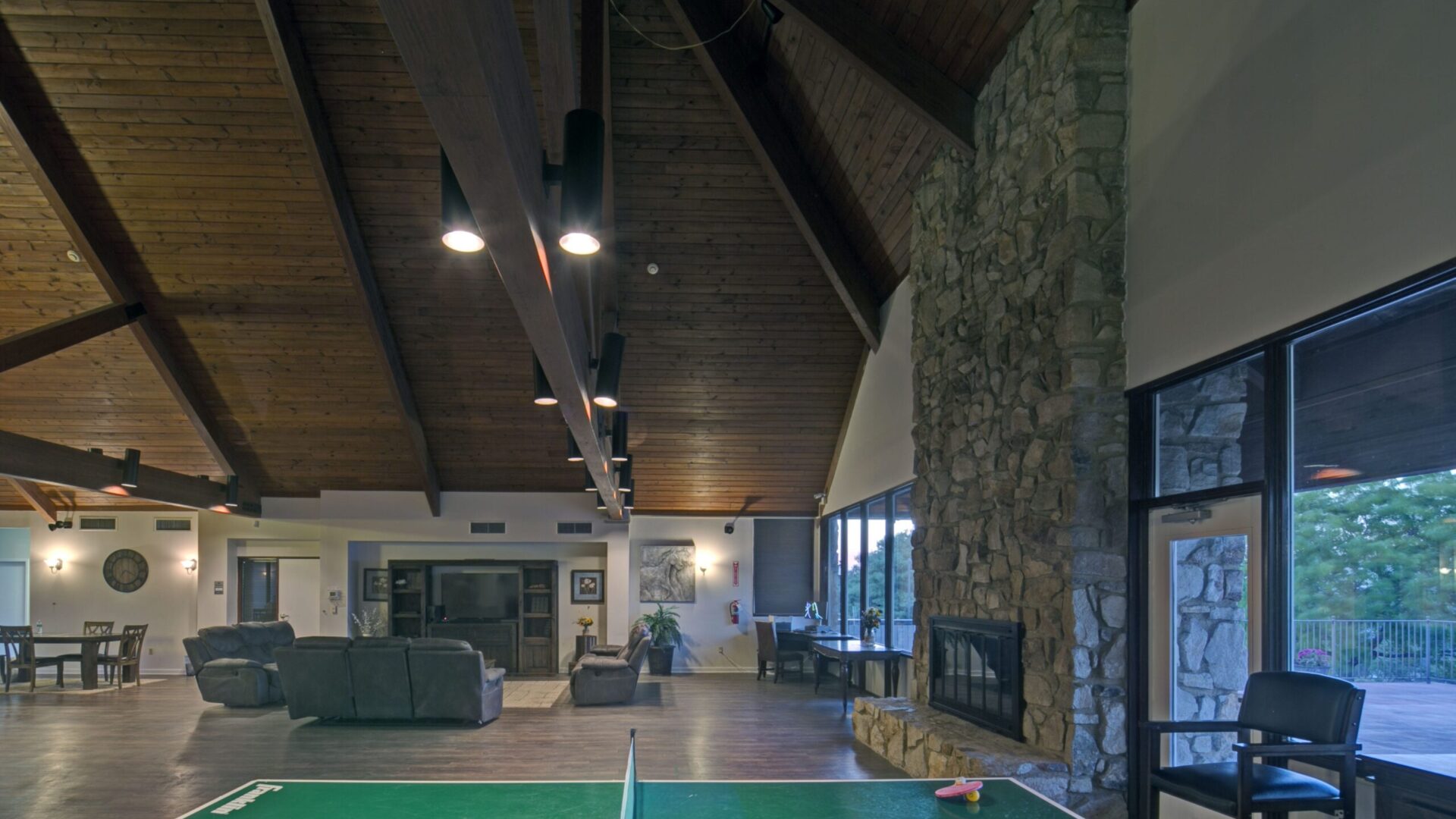
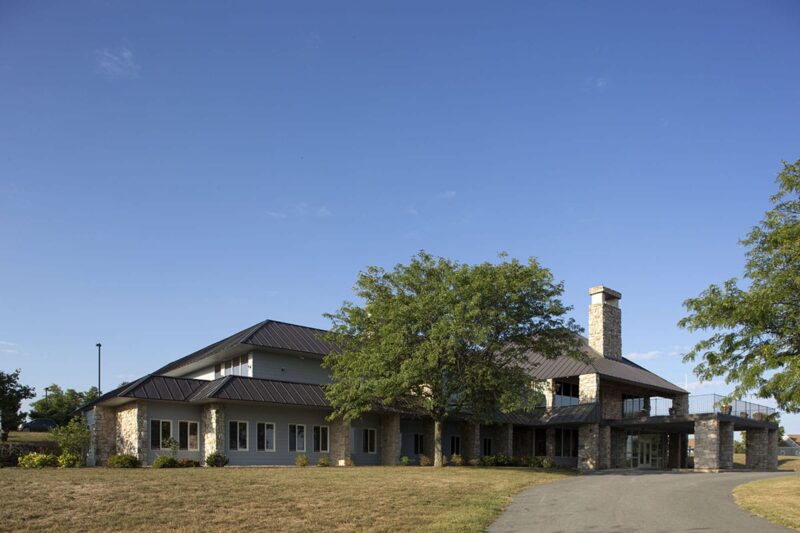
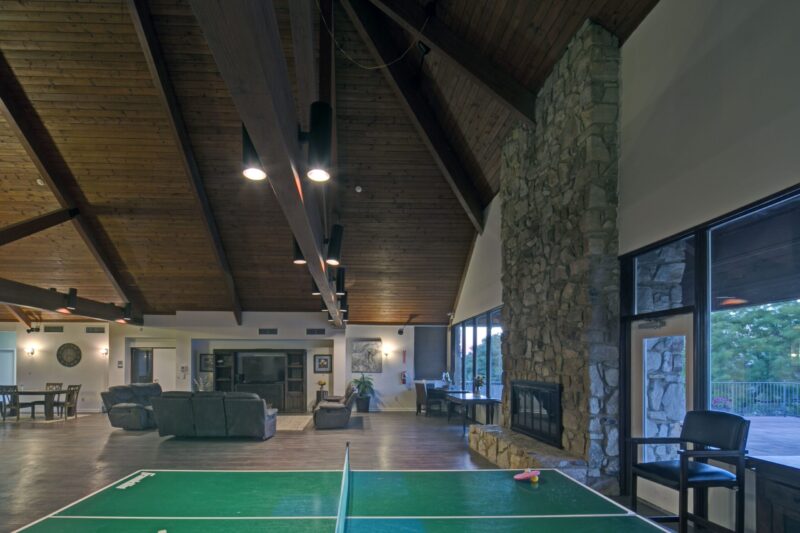
The facility guide describes a sixty-nine-bed campus on approximately 152 acres overlooking the Susquehanna River. Residential lodges, therapy rooms, dining areas, fitness space, and walking routes form part of the setting.
Listed activities include basketball, volleyball, tennis, pickleball, high and low ropes courses, archery, yoga, creative work, and community gatherings. Their role should be understood within the person’s treatment plan; an amenity list does not establish how often a particular activity occurs or whether it suits every resident. The same gallery also includes photographs labeled as PHP supportive housing in Lancaster. Those images should not be assumed to show a room at the Wrightsville campus. Confirm the actual placement, room arrangement, accessibility, and daily schedule before arrival. The rural setting and available activities are useful context alongside the clinical level, staffing, and individual appointments being proposed.
Medical detox includes preparation for the next treatment stage
The medical detox program describes round-the-clock medical supervision and nursing support at Wrightsville. Assessment covers substance use, health, and treatment goals, with medication used when clinically appropriate.
The provider estimates that most detox stays last three to seven days, while emphasizing differences related to the substance, use history, and overall health. This is a typical range, not a guaranteed personal duration. The program also describes counseling check-ins, family updates with consent, and planning for the next level of care. A prospective patient should establish whether the admission begins with detox and what transition is expected once they are stable. Existing medications, prior withdrawal complications, and other health conditions should be discussed before travel. The detox plan and the longer rehabilitation plan have different purposes, even when both are delivered within the same campus.
Inpatient addiction care uses a short, structured residential phase
The inpatient addiction page says most residential stays last twenty to twenty-four days, often after detox. The length depends on clinical needs, progress, and coverage rather than an automatic fixed package.
Published components include individual and group therapy, CBT, DBT, experiential work, and relapse-prevention planning. The page also lists on-site AA or NA and twice-weekly 12-step groups, alongside gender-specific and LGBTQIA+ Pride groups. A personal schedule should identify which sessions are relevant and how progress is reviewed. The shorter residential estimate is particularly important for someone comparing it with a thirty-, sixty-, or ninety-day stay elsewhere: the complete pathway may include later outpatient care. Before admission, clarify what is expected to happen during the campus phase and which services may follow. Those later stages should have their own location, schedule, and financial arrangements.
Primary mental-health treatment is a separate residential pathway
The inpatient mental-health program describes residential care for concerns including depression, anxiety, trauma-related conditions, and personality disorders, with co-occurring substance use addressed when present.
The program lists individual and group therapy, medication management with the psychiatric team, and experiential activities. It also describes NAMI meetings for clients whose primary focus is mental health, together with men’s and women’s tracks and relevant peer groups. Most stays are described as twenty to twenty-four days, with individual review. This pathway should be discussed on its own clinical terms rather than assumed to be an addiction program with a different label. The assessment should establish current needs, previous care, medications, and whether this residential setting provides the required support. Planning may then involve mental-health PHP or IOP through the separate outpatient service, with the receiving team and timing agreed before discharge.
Addiction PHP is delivered through the Lancaster outpatient service
The addiction PHP page locates this program at The Ranch Pennsylvania Outpatient Services in Lancaster. It describes a typical five-to-six-week course, with participants either using supportive housing or living elsewhere and attending in person.
The program includes individual and group work, CBT and DBT, relapse-prevention planning, medication management when appropriate, and peer support. Housing features mentioned include shared living spaces, kitchens, and a gym. These should be confirmed as part of the actual arrangement rather than treated as accommodation at Wrightsville. PHP provides substantial daytime structure without the same overnight clinical supervision as inpatient care. Someone transferring from residential treatment should receive the Lancaster location, start date, attendance schedule, housing terms, and transport plan. The care team should also explain what would support moving to IOP and how continuity of medication and clinical information will be managed during the change.
Addiction IOP offers in-person and virtual participation
The addiction IOP program is also delivered through Lancaster. The provider gives a typical duration of six to eight weeks and describes both in-person and virtual options for people living off-site.
Its published components include group therapy on several days each week, individual appointments, CBT, DBT, family education, and relapse-prevention work. The format is intended to provide continued structure while participants manage work, school, or family responsibilities. The precise session times and required attendance should be confirmed before those responsibilities are arranged around treatment. For virtual care, establish where the client may be physically located, what technology and privacy are needed, and what happens if more immediate support is required. A stable living environment remains part of the clinical decision. The IOP schedule should be linked to a continuing-care plan rather than viewed as the final support the person will ever need.
Mental-health PHP combines full treatment days with greater independence
The mental-health PHP page describes full days of care through the Lancaster outpatient service, generally over five to six weeks. It offers supportive-housing and home-based living arrangements, with in-person attendance.
The listed treatment includes small-group and individual therapy, CBT, DBT, medication management, education, coping skills, and experiential work. This level may follow inpatient mental-health care or be considered when weekly therapy does not provide sufficient structure. The assessment should establish whether the person can safely manage outside program hours and whether the proposed accommodation supports that plan. Confirm the actual timetable, psychiatric appointments, and arrangements for contact between sessions. A home-based participant may need a different practical plan from someone relocating into supportive housing. The program’s stated duration is a guide; review points and the next level of care should be based on the individual’s progress and needs.
Mental-health IOP has its own goals and transition plan
The mental-health IOP provides structured sessions several days weekly, in person or virtually, typically over six to eight weeks. The provider describes it for people needing more than weekly therapy while continuing to live outside residential care.
Its treatment menu includes group and individual therapy, CBT and DBT, medication management when appropriate, and practical coping work. The personal plan should show which services are proposed and how they relate to the person’s symptoms and daily functioning. A virtual option does not remove the need for a suitable home environment, privacy, regular attendance, and an appropriate response if needs change. Someone stepping down from PHP should confirm the new schedule and which professionals continue their care. The program remains part of the Lancaster outpatient service; the Wrightsville campus address should not be used to assume where these sessions or appointments occur.
The provider offers different peer groups within its wider model
The provider overview describes men’s and women’s tracks, gender-specific groups, and Pride groups alongside care for substance-use and mental-health concerns. It also identifies experiential activities and continuing connection through the Rooted alumni program.
These features are reasons to discuss the actual group and program assignment rather than assume that every resident has the same experience. A person can ask how the proposed peer setting relates to their needs, how private matters are handled, and whether any specific accommodation or participation requirement needs to be addressed. Experiential activities should also have a clear place in the individual plan, with alternatives where health, mobility, or comfort require them. The broader model combines several types of care; the written proposal should make the clinical sessions, supportive activities, and community connection understandable. No program description can promise how a particular person will respond.
Leadership roles distinguish medical, nursing, and clinical responsibilities
The leadership directory names Rob Matylewicz as medical director, David Dorschu as site CEO, Amy Bare, BSN, RN, as director of nursing, and Amber Joines, MS, LPC, as clinical director.
These roles help explain how the service is organized, but the directory does not establish an individual patient’s appointment frequency or assigned therapist. During admission planning, clarify who leads the person’s clinical care, who manages medications, and how medical concerns are communicated across the team. A transfer from another program may require records from a physician, psychiatrist, or therapist, shared with the patient’s permission. The plan should also make clear how responsibilities change when moving from the Wrightsville campus to Lancaster outpatient care. Leadership credentials and advertised staffing are useful background; the practical question is the clinical arrangement and support available for the specific level being recommended.
Admission starts with the person’s needs and proposed level of care
The admissions description begins with a conversation about why someone is seeking help, their circumstances, payment arrangements, and the timing of treatment. Intake staff explain the options and work toward an individualized plan.
Prepare relevant medical and psychiatric history, current medications, prior treatment information, and any practical constraints that affect attendance or accommodation. The recommendation should identify the actual program and location rather than only the organization name. It should also explain what is included in the proposed charge, any insurance authorization, expected personal responsibility, and how a longer or different course would be handled. Someone entering after outside detox or residential care should ask both teams to coordinate the transition with consent. The objective is a clear admission plan: where to arrive, what level of care begins first, what documentation is needed, and which decisions will be reviewed as treatment progresses.
Aftercare can include practical support for returning to daily life
The aftercare description includes clinician check-ins, group and peer support, relapse-prevention work, family resources, and help connecting with community services. It also discusses support around work or education transitions when clinically recommended.
The specific plan should be prepared around the person’s circumstances after leaving the more structured setting. Confirm the appointments, receiving professionals, medication follow-up, housing, and practical contacts that will be available. The provider’s alumni community can offer ongoing connection, but peer events and clinical appointments have different roles. Someone returning to another region should establish what remains available remotely and what needs to be arranged locally. The aftercare plan should also explain how changing symptoms or a return to substance use will be addressed. A list of possible services becomes useful when it is translated into dates, responsibilities, and supports the person can realistically use at home.
Source check: October 18, 2026, for the additional provider details above.
Sources and verification
Official provider overview; official Wrightsville facility page; official detox page; official inpatient page; official PHP page; official IOP page; official insurance page. Checked October 16, 2026. This summary reflects provider-published information, not an independent clinical assessment or guarantee of coverage.